

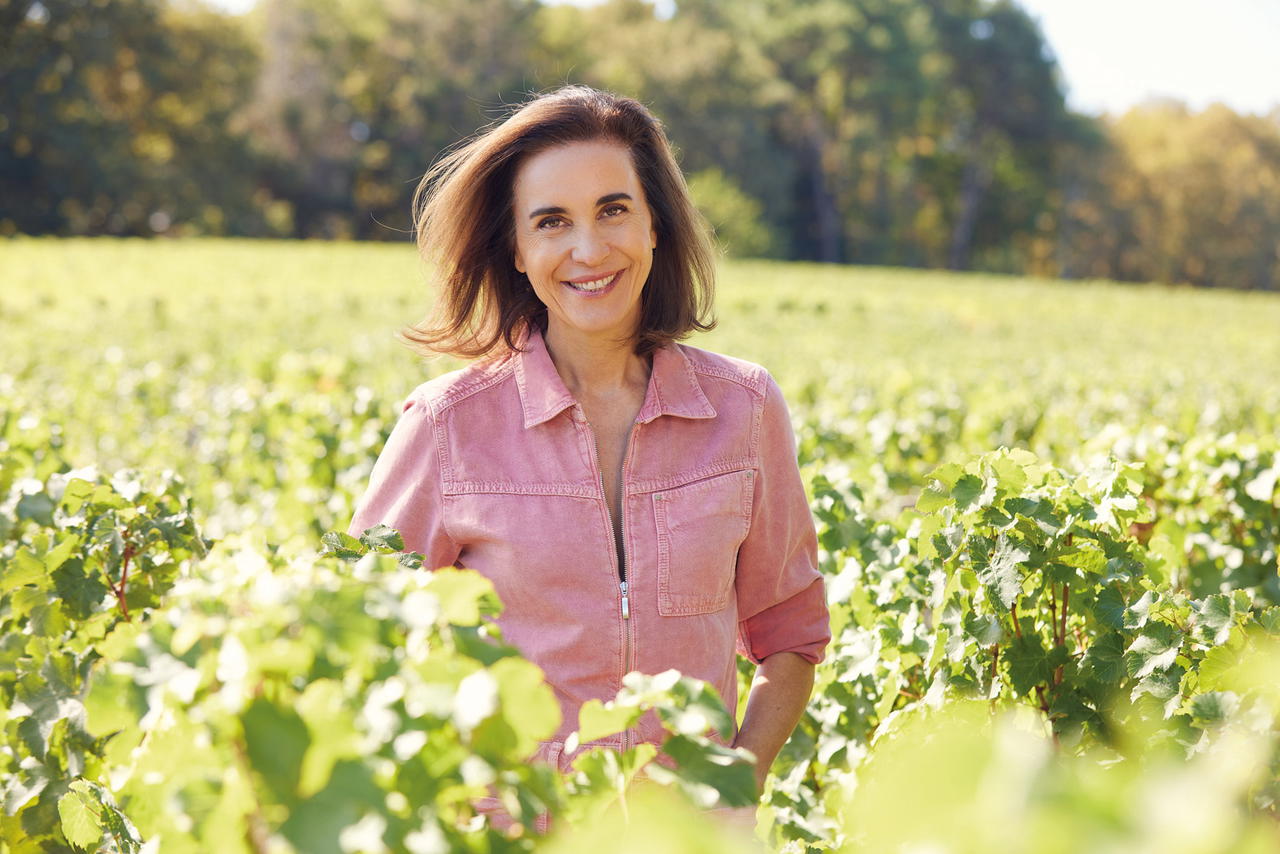
“Clean beauty” did not exist in 1995 when Mathilde Thomas founded Caudalie with her husband Bertrand. Today, the global clean beauty market is valued at US$163.35 billion ($209.33 billion), and estimated to hit US$288.99 billion by 2031, with Asia-Pacific leading the growth, according to Mordor Intelligence.
The French skincare brand, named after the wine flavour that lingers on the palate after tasting, developed its products around grape seeds. Usually discarded during winemaking at Chateau Smith Haut Lafitte, a Bordeaux winery owned by Thomas’ family, grape seeds contain antioxidants believed to boost circulation, improve skin elasticity, and inhibit cellular damage.
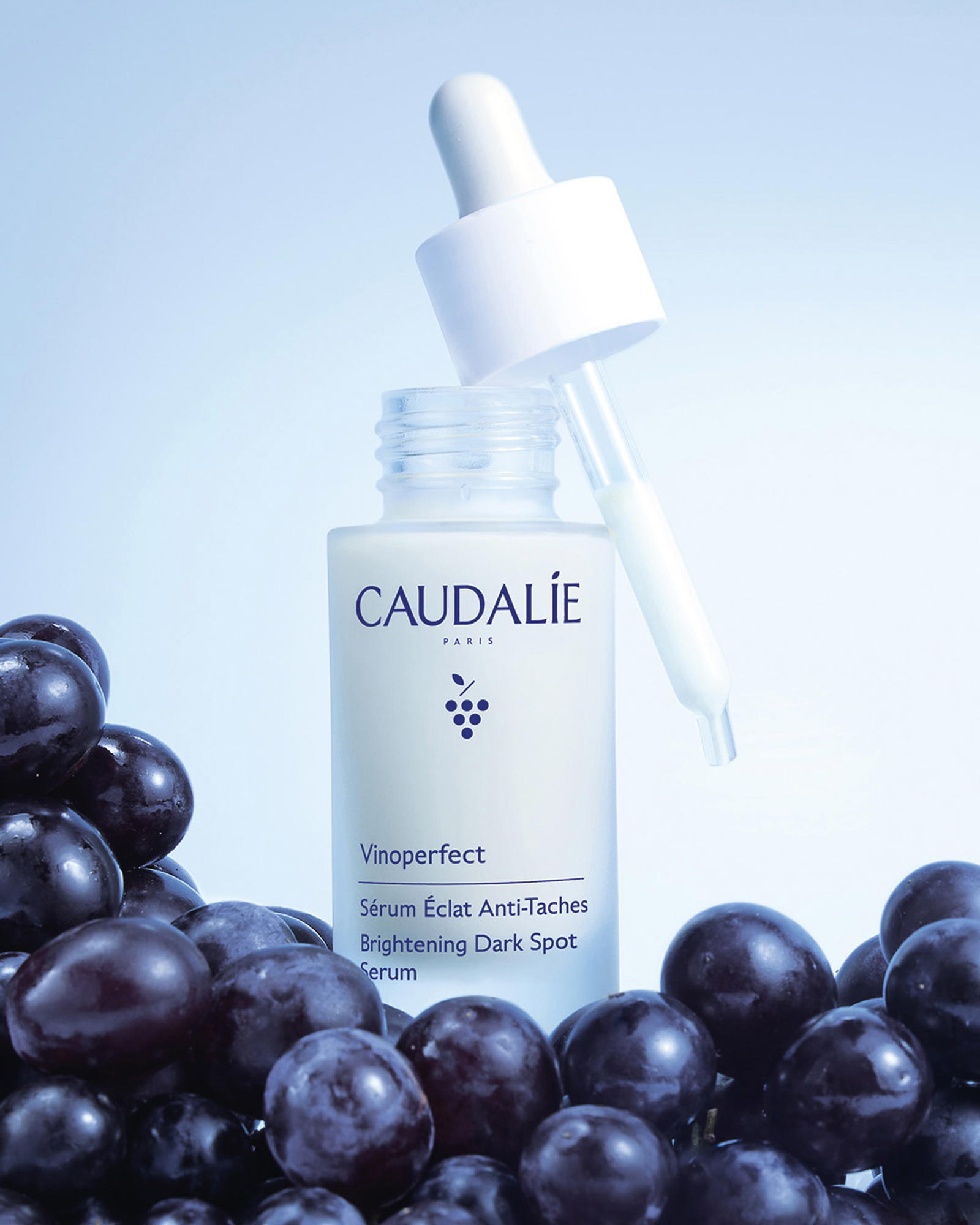
Among them are resveratrol and viniferine, which power Caudalie’s cult favourites such as Vinoperfect Brightening Dark Spot Serum. Launched in 2005, it was reformulated in 2020 and enjoys a loyal following.
However, Caudalie is not just about effective products. Right from the start, the couple had a greater vision: to give back to nature. As a result, the brand supports reforestation projects and plastic collection efforts across the globe.
In an interview with Thomas during her recent visit to Singapore, we discussed the industry’s sustainability blind spots and the advantages of being family-owned.
The beauty industry doesn’t have the best reputation when it comes to sustainability. What are brands still doing wrong?
Sustainability requires collective action. It extends beyond natural-originated or biodegradable ingredients and formulations to packaging. Many companies still use multiple layers of non-recyclable plastic in their fancy bottles and boxes. This should be banned because it generates waste.
Caudalie has a team of green packaging engineers who help us improve our products and programmes. The switch to recyclable or refillable packaging started in 2020 with face products, followed by body products in 2022, and sunscreen in 2023.
There are many rules to follow, and you can only understand them by visiting a recycling plant. To ensure packaging is recyclable, glass must be transparent, plastic cannot contain metal parts, and paper must not be foiled with metal.
In 2024, Caudalie supported 12 organisations involved in forestation and restoration across seven countries. How do you decide which programmes to support?
In our role as 1% For The Planet members, we are dedicated to protecting the environment. Created in 2002 by Patagonia founder Yvon Chouinard and Blue Ribbon Flies founder Craig Mathews, it is a great organisation [where businesses give back for the use of our planet’s resources] with a network of more than 11,680 partners in 110 countries. Through this, Caudalie donates one percent of our annual revenue to environmental organisations. Additionally, we have very strict requirements for our suppliers because we want to work with those who share our commitment to sustainability.
How does being family-owned influence Caudalie’s approach to sustainability?
Sustainability is a long-term commitment. As a familyowned business, we can invest one percent of our sales into planting trees. If we had investors, they might insist we spend in other areas, such as advertising. Instead, we hire people who also care about sustainability, like our sustainability manager, who spearheads eco-friendly initiatives and partnerships with NGOs. She also assesses the impact of our projects and helps us improve on these targets.
Caudalie customers are both environmentally conscious and results driven. When developing products, how do you stay close to their needs?
To learn what they like about our products, for instance, I spend a lot of time talking to our customers and our sales teams across Asia, France, and the US. Caudalie is a popular brand in Singapore because of our effective formulations and sustainability approach. Some have even visited our vineyard and/or hotel in Bordeaux, making them feel even more connected to our brand.
One Caudalie Vinoperfect Brightening Dark Spot Serum is sold every 30 seconds. How do you decide which formulations to refresh?
This product originated from research into viniferine, a vine sap derivative we found to be 62 times more effective than vitamin C at reducing dark spots. In 2020, we replaced polyethylene glycol with a new biomimetic emulsifier that increased viniferine’s efficacy nearly four-fold by mimicking the skin’s natural barrier function. You could call it serendipity!
We heard it was the first product you packed for this visit. What do you love about it?
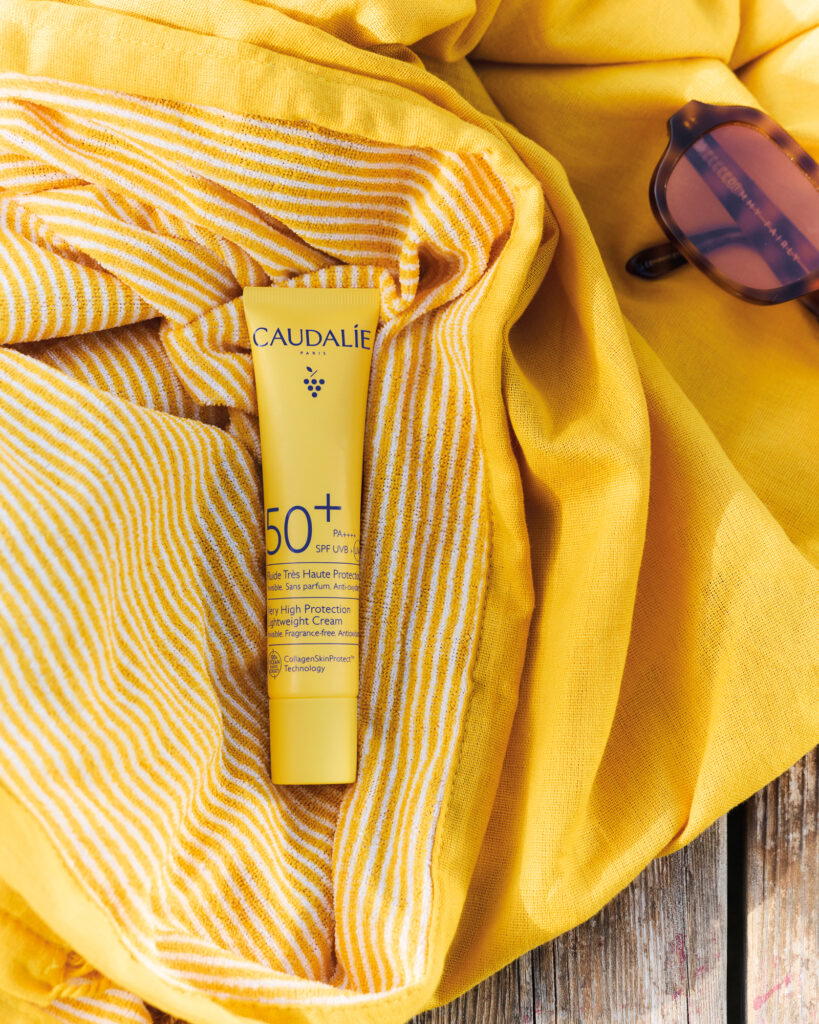
[Laughs] It’s lightweight and oil-free and has the right texture for Singapore’s hot, humid climate. I also packed Vinopure Blemish Control Salicylic Serum to control shine and reduce breakouts. Finally, I wear Vinosun Very High Protection Lightweight Cream SPF50+ whenever I’m in Southeast Asia.
Earth Day falls on 22 April. How else will Caudalie contribute to protecting the planet?
The quest goes beyond Earth Day. We’ve evolved from 30 years ago, when we were upcycling grape seeds and grape stock, to cleaning up our formulas and improving packaging. We are still searching for better plastics that can be recycled indefinitely, and I’m sure we will find it.
In the meantime, we are doing things right. Our Sustainability Report 2024 showed that Caudalie produced 22,000 tonnes of carbon dioxide, but we also absorbed 25,000 tonnes of carbon dioxide by planting one million trees. We have planted more than 12 million trees over the last 12 years, so we have surpassed carbon neutrality!