Running from 18 to 20 July 2025 at the Drama Centre Theatre, Singapore Ballet Festival returns with a triple bill that bridges continents and eras. From neoclassical precision to contemporary movement, the festival is as much about connection, as it is about innovation.
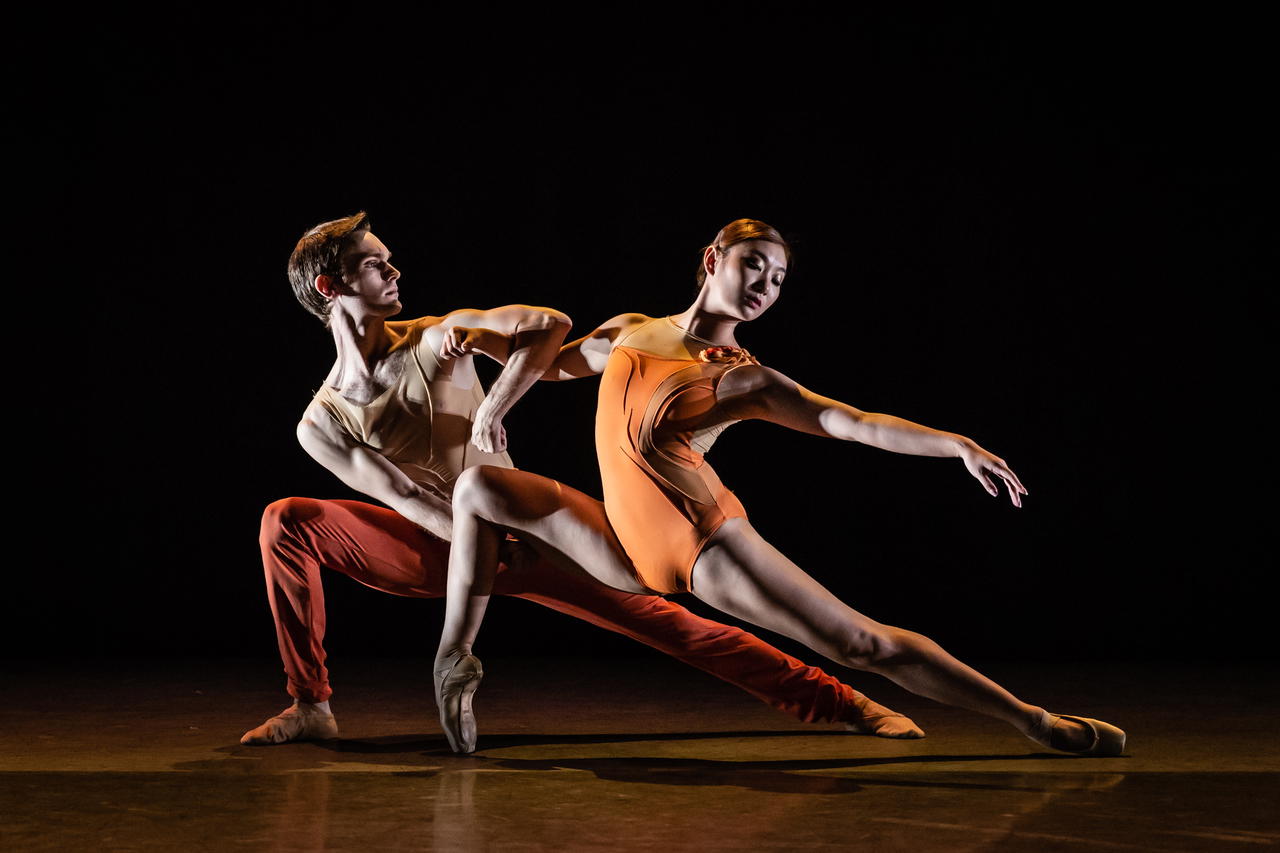
Among the most anticipated pieces is Ma Cong’s Shadow’s Edge, a contemporary ballet that delves into themes of resilience and the invisible threads that tie us together. Originally created for Singapore Ballet in 2014, the piece is being revived for this season.
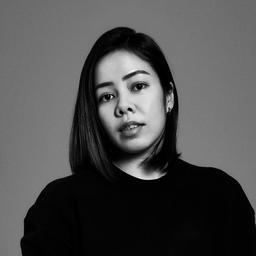
“There’s a sense of longing in this work, of reaching for others, whether physically, emotionally, or spiritually,” says Ma, the Chinese-American choreographer whose work has been commissioned worldwide. “Shadow’s Edge explores those moments of quiet transformation. It’s deeply personal, but also something universal.”
The emotional terrain of the piece is shaped in no small part by its music: a haunting, layered score by Bryce Dessner, performed by the Kronos Quartet.
“There’s an ache in the music that resonated with the idea of searching,” Ma reflects. “The shifting rhythms and textures guided the movement almost like a map. Every crescendo, every silence, helped shape how the dancers connect, not just with each other, but with the space around them.” It’s the synergy between sound and motion that has made Shadow’s Edge a standout in Singapore Ballet’s repertoire.

Another anchor in the programme is Tim Rushton’s Evening Voices, a contemplative work set to Rachmaninov’s ‘All-Night Vigil’. If Shadow’s Edge feels like forward motion, Evening Voices offers a stillness that invites reflection.
For Kwok Min Yi, one of Singapore Ballet’s leading artists, embodying the music means more than simply matching steps to sound. “I try to listen to the score over and over until I know it inside out,” she shares. “Rachmaninov’s music is so rich and spiritual, it naturally brings a flow to Rushton’s choreography. There’s a kind of purity in it that guides the movement in a really intuitive way.”
Rushton’s choreography moves with a quiet urgency, emphasising musicality and breath. For Kwok and her fellow dancers, the piece becomes a performance of both technique and vulnerability.
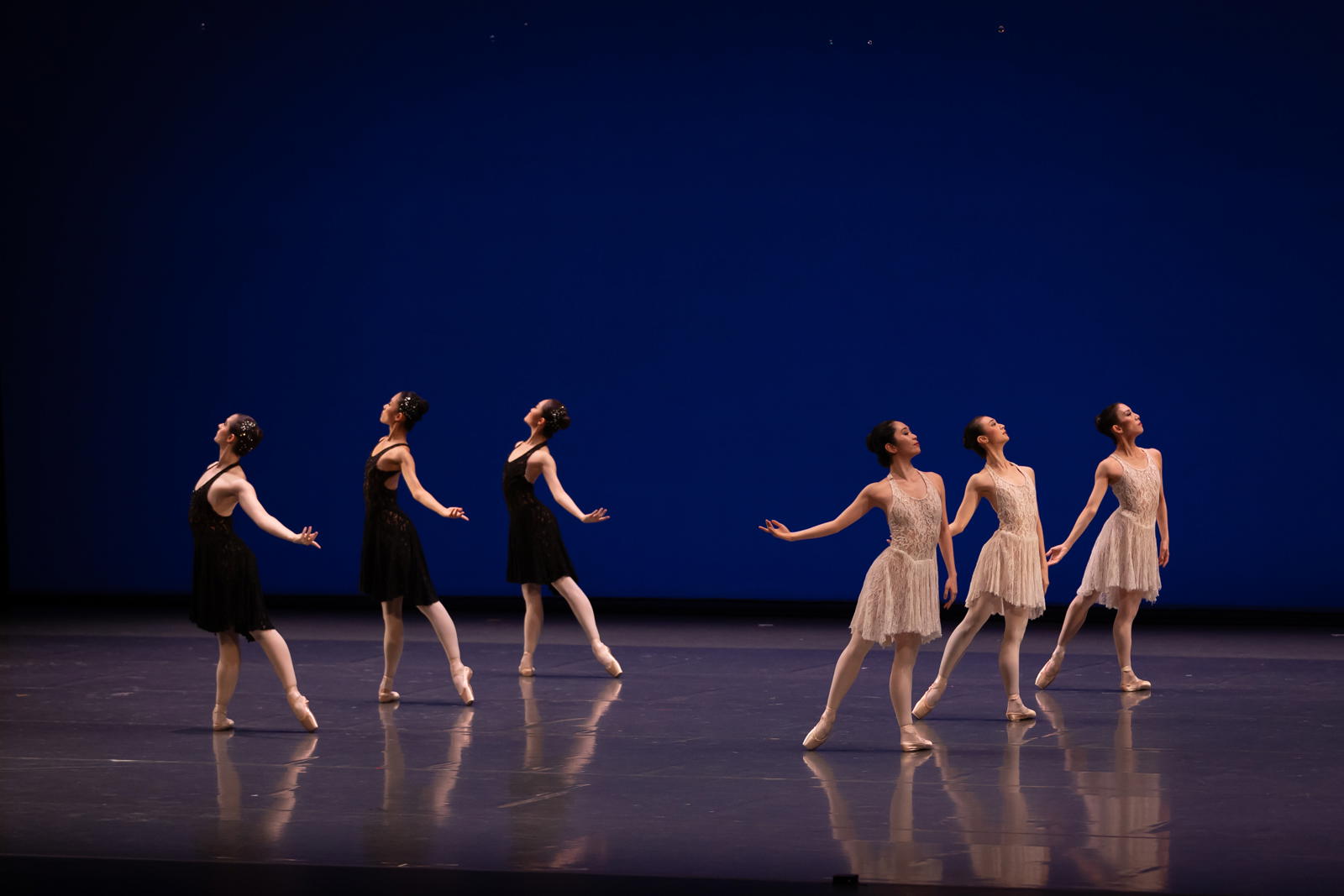
The third work on the programme, Double Contrasts by late Singaporean choreographer Choo-San Goh, is a nod to heritage and balance. With its neoclassical roots and modern sensibility, it’s a reminder of the foundations on which Singapore Ballet continues to build.
Formerly known as Masterpiece in Motion, the Singapore Ballet Festival has grown into something far more expansive. “It’s no longer just about showcasing excellent works,” says Kwok. “It’s about celebrating who we are as a company, how we’ve matured artistically and what we’re capable of on the global stage.”
That evolution is evident not only in the programming but in the company’s approach. Months of physical conditioning and musical analysis go into preparing for a festival of this scale. “These are demanding ballets,” Kwok notes. “So I make sure I eat well, sleep well, stretch, and recover properly. But it’s also about showing up every day and raising the bar a little higher.”
Book your tickets here.