

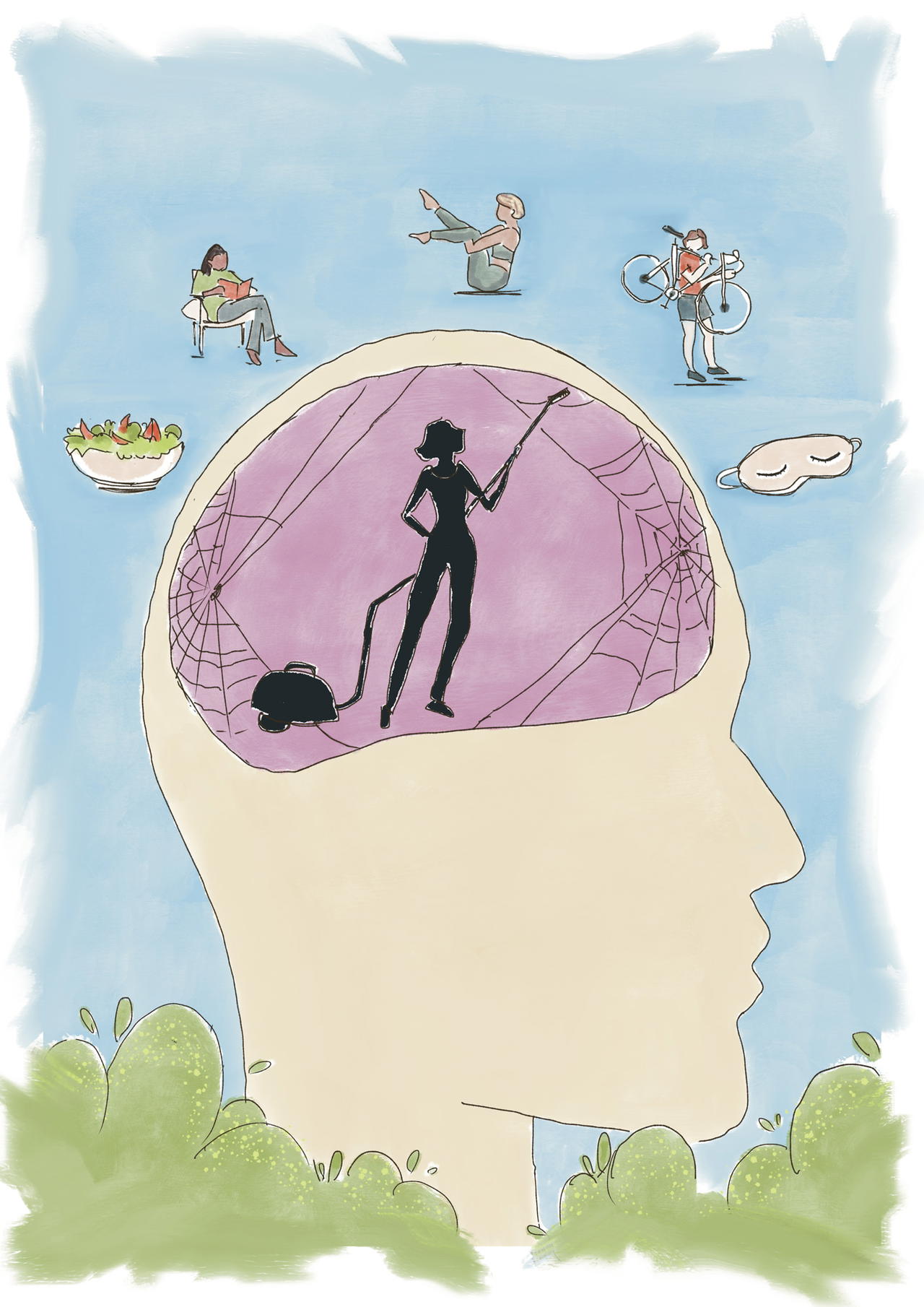
The past couple of years may have felt like a confusing blur at times, but you’re not alone. As a result of the pandemic, we experienced seismic shifts in our personal lives and society at large. Whether it was social isolation during lockdown or anxiety surrounding the unpredictable virus, our mental health certainly took a hit.
However, as a result of Covid-19, mental health awareness has also increased. According to the National Population Health Survey, jointly conducted by the Ministry of Health and the Health Promotion Board, 58.3 percent of residents were willing to seek therapists’ help in 2021, up from 47.8 percent in 2019.
Bringing light to mental health issues means embracing open dialogue and learning about symptoms. In this way, people are encouraged to seek help sooner.
At the Singapore Association for Mental Health (SAMH), uplifting lives and promoting mental wellness have been priorities since 1968. Benefiting both youths and adults, the non-profit organisation aims to improve the lives of persons with mental health issues through rehabilitation and reintegration.
SAMH provides emotional and practical support to families and caregivers along with guidance through the recovery process. Nine centres provide creative services, outreach programmes, and rehabilitation services, both in the city and within the heartland.
Ruth Komathi joined the SAMH Peer Specialist Training Programme in 2013. Since then, she has completed a master’s degree in counselling and now works as a team lead at SAMH Oasis Day Centre.
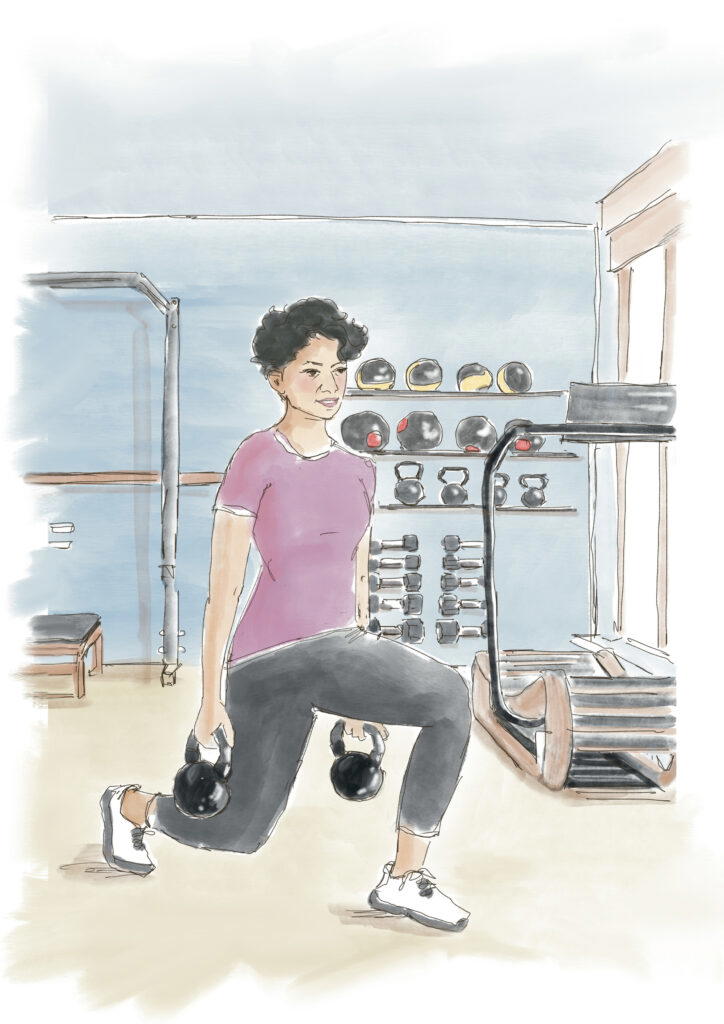
Most people do not know that she has battled bipolar disorder since she was 15 years old. She feels blessed to know the importance of mental health in her daily life at 33. “I maintain a routine of good nutrition and regular breaks. I also find opportunities at work to ask questions and express my concerns to ensure I am on track,” she says.
Her responsibilities as team lead include working with a supportive team to ensure clients are adequately engaged and providing a listening ear. Additionally, she counsels those who want to dig deeper and work through their issues.
Asked what she finds most fulfilling about her job, she says she is privileged to journey with her clients. “By sharing the most intimate details of their problems with us, they let us become part of their lives.”
Nonetheless, she admits that finding new and creative ways to work with clients is one of the challenges she faces. This ensures that she can support and fulfil their
different needs.
Her personal experience with bipolar disorder allows her to better relate to her clients. Komathi reminds herself that everyone’s condition and experience are different. “It is important to keep an open mind and learn from their perspective. I focus on their needs and address them, rather than their conditions.”
These days, she exercises in the gym, writes, and listens to music to stay mindful. Whenever she needs someone to talk to, she turns to her family and loved ones. When she needs a fresh perspective on her situation, she seeks professional help.
Komathi believes that mental well-being does not mean the absence of stress and difficulties. Her ability to manage her life and achieve what she wants is her key to success. Reaching out for support is not a sign of weakness, she advises those struggling with their mental health.
“All of us face difficulties in life, so please be patient with yourself. It is important to remember that even when you are struggling, you are not losing yourself. Instead, you are finding yourself,” she says.
Among SAMH’s many initiatives, the Creative Hub is the most engaging. At the centre, visual arts, writing, music, and dance serve as tools for prevention and intervention. The hub offers art therapy and counselling with creative approaches that reduce stress and improve the quality of life for the public.
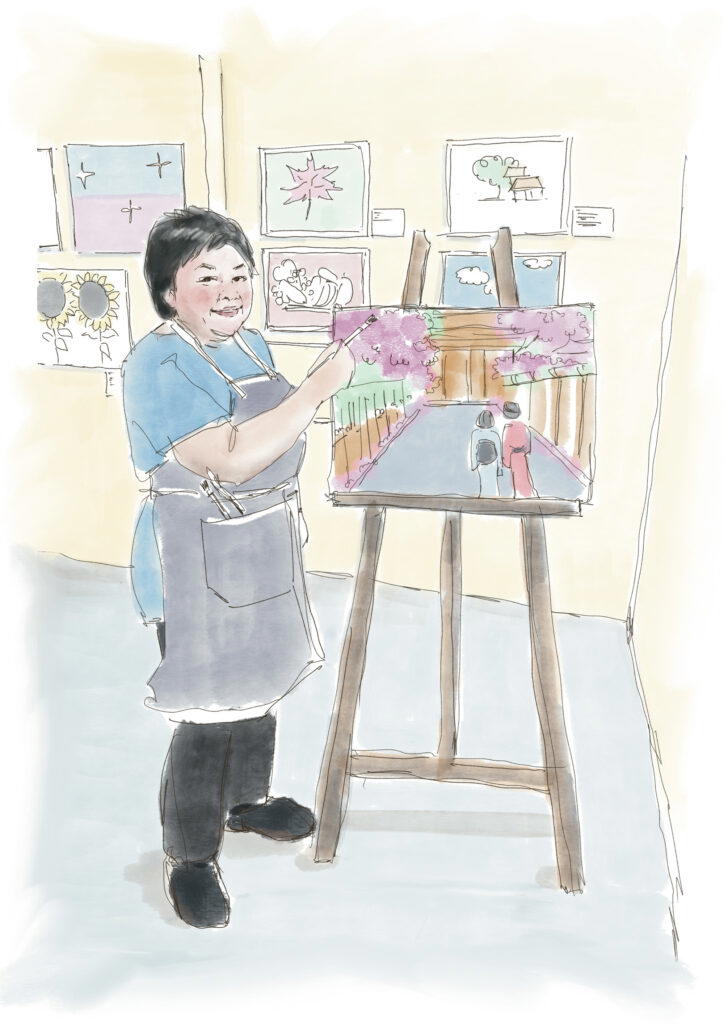
Sabrina Han is one of the many people who has benefited from the art programmes. As a SAMH client since 2018, she initially sought employment assistance from the SAMH Mindset Learning Hub. Later, she transitioned to SAMH Creative Hub, where she participated in creative art sessions and even completed an art traineeship this year.
She found the sessions profoundly therapeutic as they helped her to cope with anxiety. Having been diagnosed with autism when she was 7, she struggled with depression and anxiety during her junior college years, when the A Levels were highly stressful.
Fortunately, her participation in SAMH led to significant emotional growth over the years. Using art as a creative outlet helps her navigate triggers and negative emotions while keeping her strong and resilient.
“In times of intense anxiety, I have developed valuable coping mechanisms. Despite this, my journey to recovery has not been without its challenges since recovery is not always a smooth and linear process,” she shares.
Her love for art contributes significantly to the process. When Han draws and paints, she feels calm and able to suppress negative thoughts. Whether painting portraits or crocheting, the repetitive process eases her anxiety because it keeps her focused.
Her favourite painting depicts a crying person, which resonates with her feelings of rejection, isolation, and worthlessness. She says it represents her fear of being stigmatised. With her art, she hopes viewers will gain a deeper understanding of mental health conditions.
Although art keeps her going when times get rough, her first foray into SAMH was due to her desire for employment. While undergoing barista training at Forward Café in 2017, she visited SAMH Mindset Learning Hub, which helped her land the job. The hub also provided her with additional training skills she needed in the F&B industry so she could become a competent barista.
Her three-month café job training programme wasn’t all smooth sailing. As well as fellow trainees making fun of her, she had to deal with a supervisor who criticised her.
Occasionally, she experienced anxiety symptoms such as nausea and vomiting.
Although she took some time to adjust to the work environment, she eventually made friends and found joy in making lattes. “It makes me feel good when others praise my coffee,” she says.
Reach out for support if you are struggling with your mental health, she encourages. Like Komathi, she agrees that one should seek help from mental health professionals when needed. “The main goal is to integrate back into society and not feel like an outcast,” she says.
Mental well-being means being able to cope and function at work, as well as in everyday life. “It is the ability to bounce back after facing setbacks and allowing yourself to live life to the fullest,” she says.
Find out more about SAMH here.