Considering our planet—this big blue marble that we are on—is 70 percent water, it’s a wonder that conservation plans aren’t more prevalent. Hence, it is a good thing that people are trying to turn the spotlight on oceanic conservation.
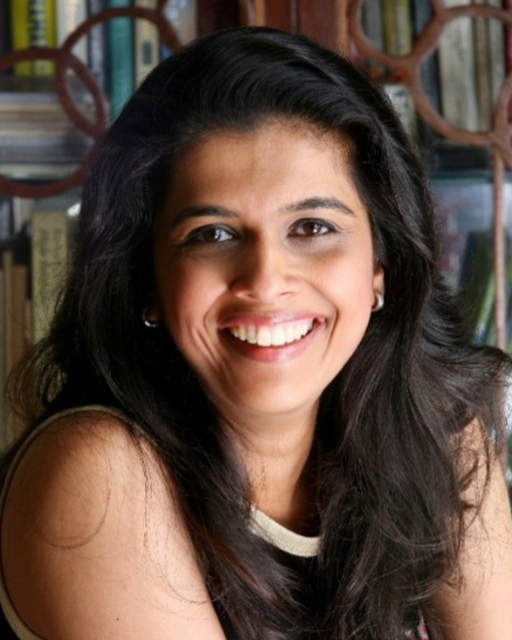
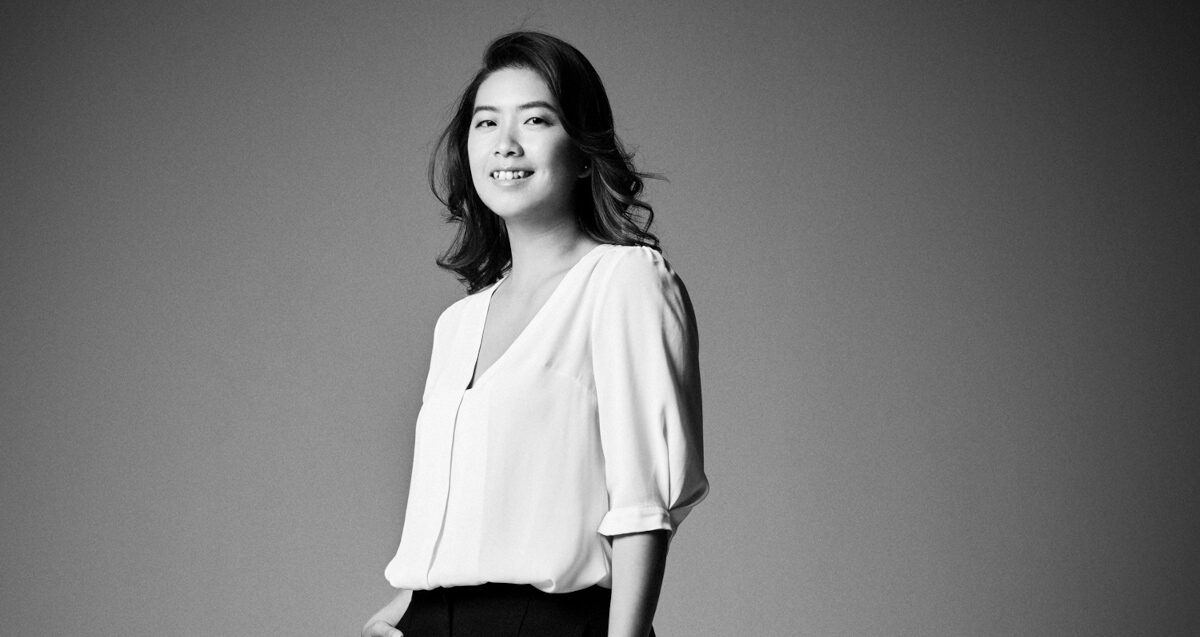
Sam Shu Qin is one of them. A marine biologist focusing on coral ecology and restoration, she is a research associate at the Tropical Marine Science Institute, National University of Singapore (NUS), where she studies and manages coral reef ecosystems in South-east Asia, particularly in urbanised marine environments like Singapore.
Sam’s goal at the Tropical Marine Science Institute is to understand coral ecology and the impact of coastal development on corals. She regularly dives to document marine life, grow corals in specialised underwater structures, and transplant natural and artificial reefs.
The ultimate goal is to rejuvenate Singapore’s blue spaces. Her mission is to collaborate with government agencies and industries to share research findings and contribute to policy-making processes related to environmental and wildlife management.
Sam’s interest in marine biology began at a young age. She was fascinated by the sea and its inhabitants. This interest eventually became a career. Sam entered the underwater world after obtaining a diving licence. She was fascinated by the denizens in the half-light, but it was the coral that caught her attention. So, she joined a coral research lab at NUS, which deepened her love of anemones.
Sam noticed the impact of marine debris during dive surveys. Her anger prompted Sam to establish an initiative called Our Singapore Reefs (OSR), which raises awareness about Singapore’s marine biodiversity.
Through OSR, she bridges the gap between academia and the general public to make marine science and conservation accessible and engaging. The majority of OSR’s activities, which include dives and beach clean-ups, educational workshops, and cooperation with partners, are free, thanks to generous partners’ contributions.
On her own, Sam spreads the word about Singapore’s marine biodiversity, local conservation efforts, marine pollution, and how individuals can help.
Are there misconceptions about marine conservation? She thinks so. In most cases, she contends, people in Singapore are ignorant of its abundant marine life and ecosystems. For a deeper connection with the sea, she encourages Singaporeans to explore their backyard, such as mangroves, coral reefs, and intertidal areas. Through this, we will hopefully learn more about the need to protect it.
Sam has also advocated for legislative actions to protect highly sensitive areas with high biodiversity. As recreational activities expand in our blue spaces, the need to ensure sustainable interactions with the marine environment and promote best practices increases.
Sam’s dive clean-ups have revealed a significant increase in marine debris, especially plastic waste, in Singapore’s seas. Plastic bottles, bottle caps, and fishing lines comprise the majority of the debris collected from the waters.
As plastic pollution is a global issue, she emphasises the need to shift our mindset towards reducing pollution at its source, instead of just lip service straws.
Still, all is not doom and gloom. Like the sun rising, Sam sees hope ahead. She advises aspiring coral scientists to build connections with other researchers and community leaders and seek opportunities to advance marine science research in Singapore and the region.
We must take collective action to preserve the blue world, both within this generation and in future generations.
Producer: Adora Wong
Styling: Chia Wei Choong
Photography: Stefan Khoo
Photography assistant: Rex
Videography: Isaku Lim
Hair & makeup: Aung Apichai