
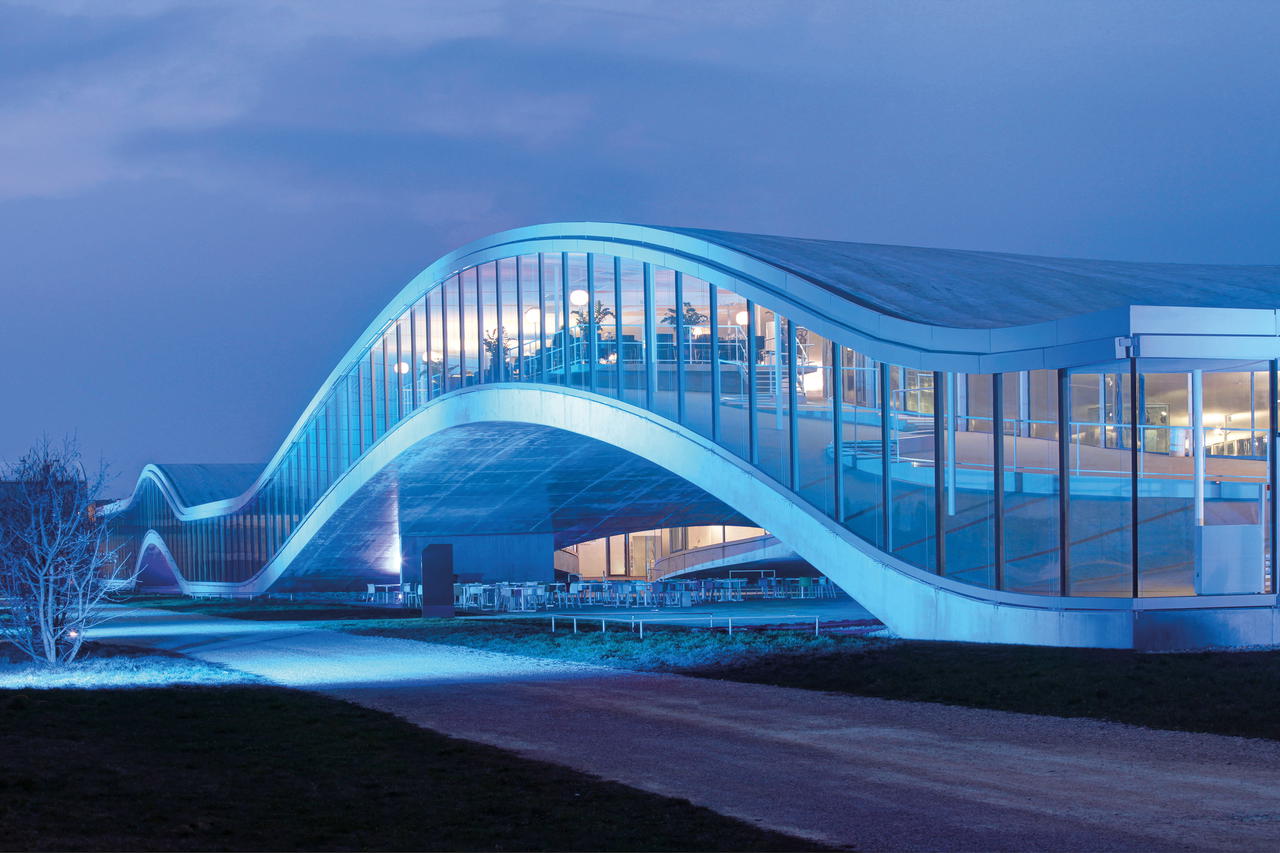
Watchmaking and architecture share several parallels despite their apparent differences. One of the most significant similarities is the shared commitment to achieving precision, functionality, and beauty through the combination of artistic creativity and technical expertise.
Since 2014, Rolex has been the Exclusive Partner and Official Timepiece of the International Architecture Exhibition – La Biennale di Venezia. This year will be the fourth collaboration between Rolex and the world’s premier architectural forum.
Held from May 20 to November 26, the 18th biennial’s central theme for the event is “The Laboratory of the Future”.
Curated by Ghanaian-Scottish academic and educator Lesley Lokko, who is focusing the Biennale on Africa for the first time, the six-part exhibition features almost 100 contributors, with over half comprising African and Diasporan practitioners.
Their work directly corresponds to the Biennale’s theme, which is committed to creating a more sustainable and environmentally friendly future, and also includes topics on decolonisation and decarbonisation. Additionally, Rolex is supporting Carnival, a six-month cycle of events that aims to foster a stronger relationship between architects and the public.
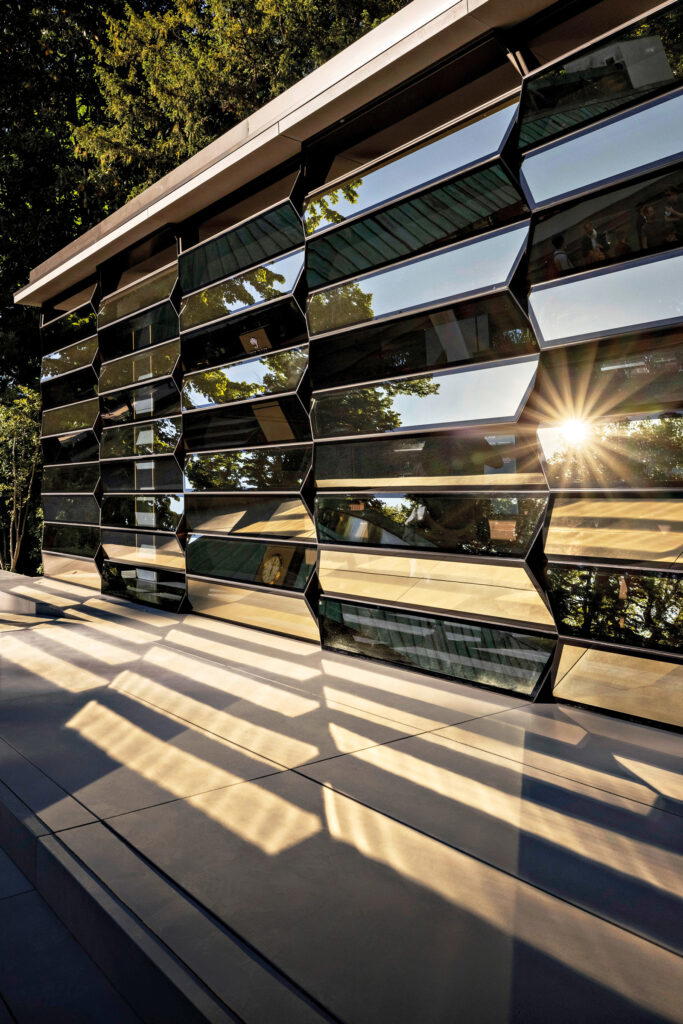
The Rolex pavilion, a dedicated space highlighting the brand’s dedication to arts and culture, is divided into three separate sections this year. Located in the Giardini amidst lush greenery, it boasts reflective panels inspired by the distinctive fluted bezel found in many Rolex watches.
In the first showcase, Rolex highlights the wide range of materials available in their boutiques, including Italian-made marble, travertine, stucco, and glass. Through captivating films, visitors can witness the intricate process of how skilled artisans transform these materials into stunning surfaces and objects.
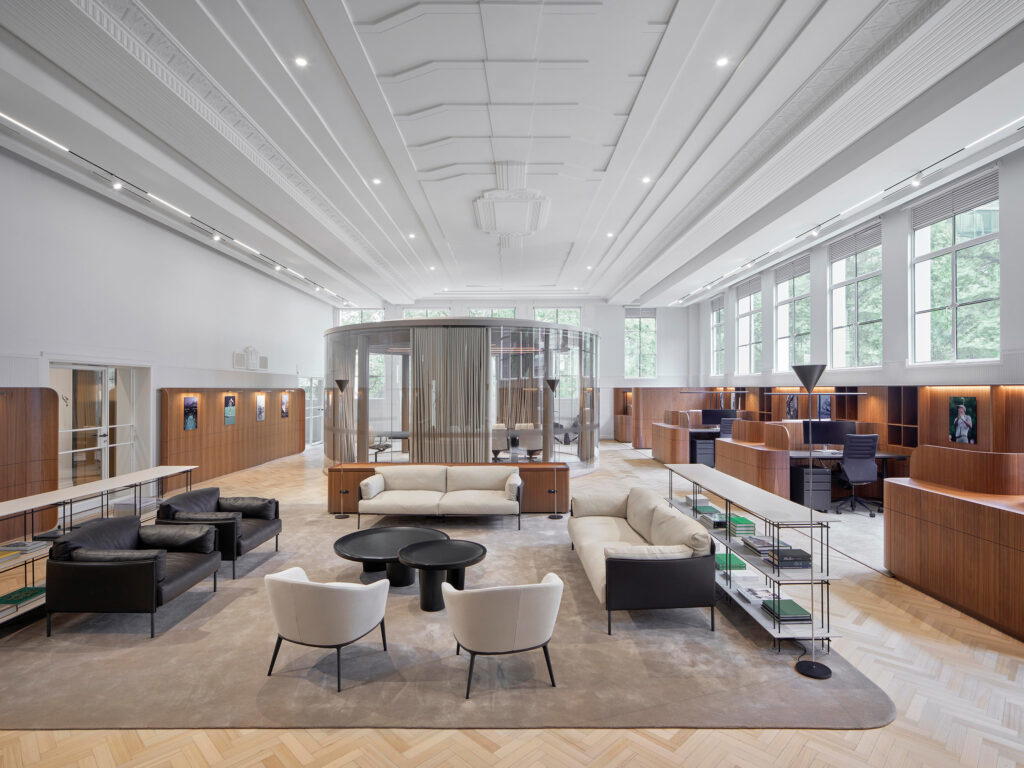
The second display is a case study on the careful refurbishment of Melbourne’s Centenary Hall, which houses Rolex Australia. Working in collaboration with Rolex, architect Peter Miglis of Woods Bagot has restored a heritage-listed, art deco building to its original grandeur, showcasing unique features on each floor that pay homage to the Rolex brand and watchmaking. The sustainable building’s stunning facade and intricate interiors remain uncompromised.
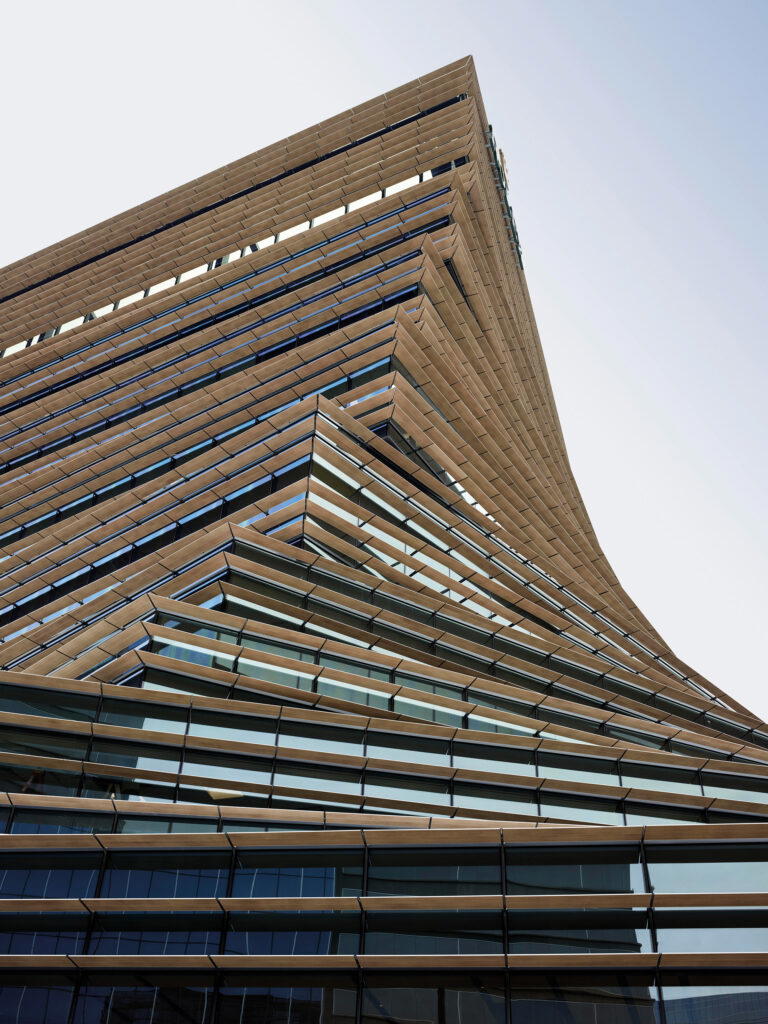
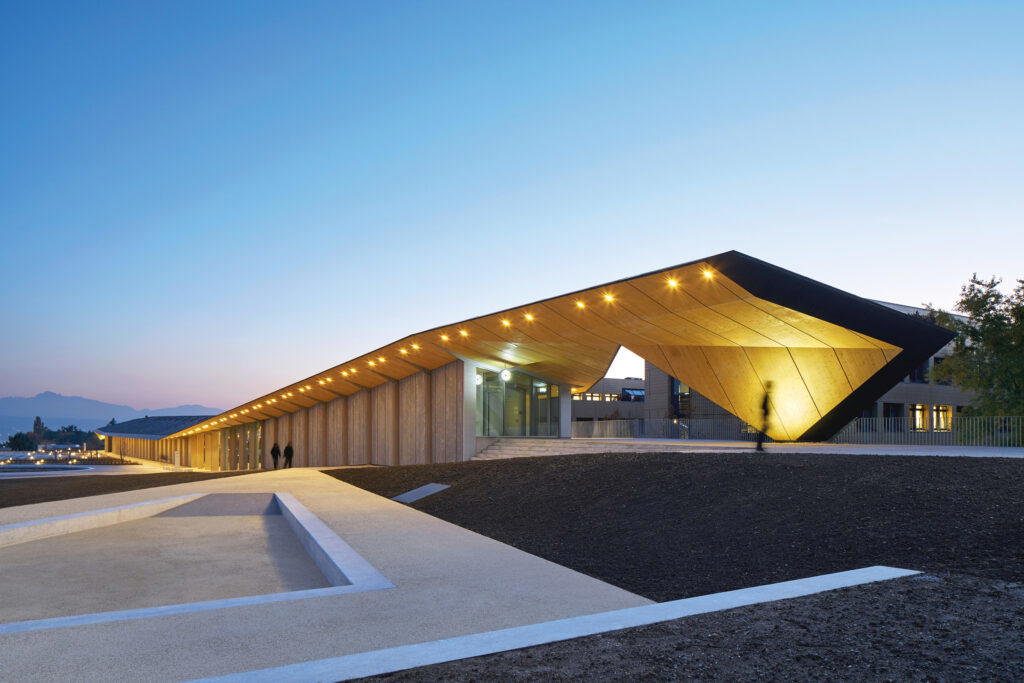
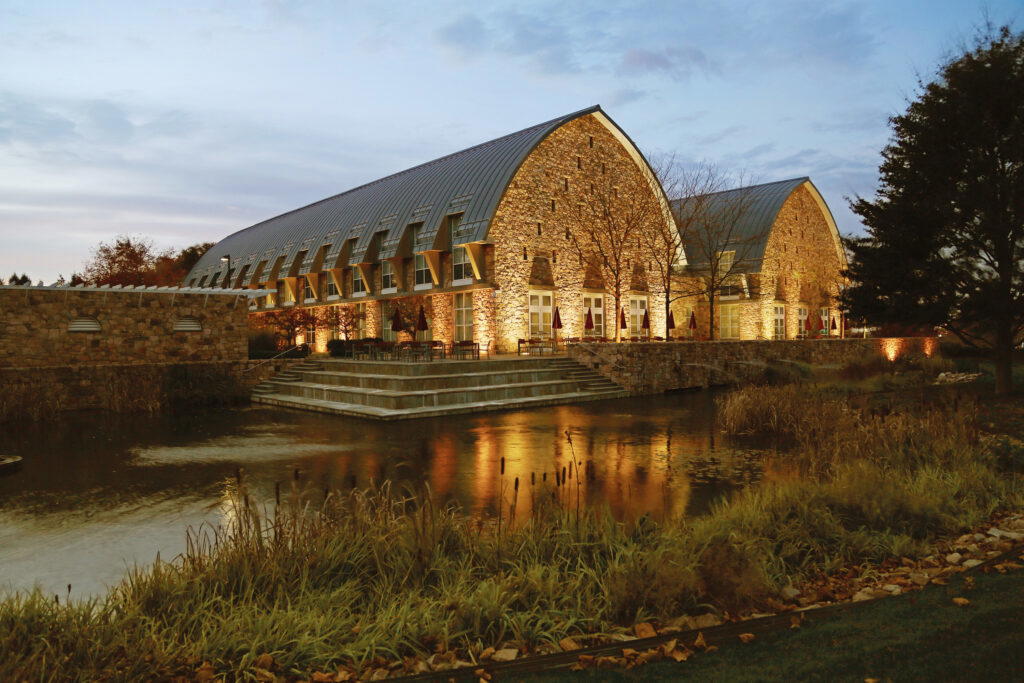
Centenary Hall exemplifies Rolex’s dedication to sustainable architecture and innovative design, which has guided its building projects for over 60 years. A deep understanding of the harmony between form and function has also naturally enabled Rolex to form close ties with well-known architects who have designed its buildings, including names like Michael Graves, Fumihiko Maki, David Chipperfield and Kengo Kuma.
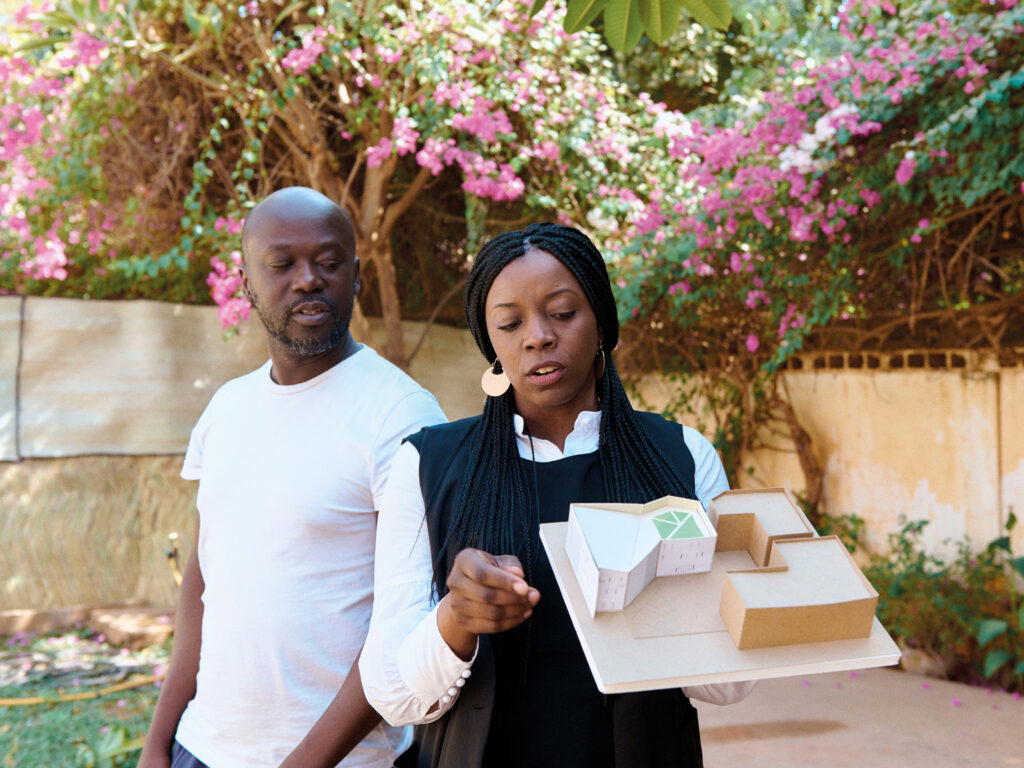
Lastly, Rolex is highlighting the 20th anniversary of the Rolex Mentor and Protégé Arts Initiative with a showcase of the architecture mentors and protégés who have taken part in the programme over the years. This initiative assists budding architects by matching them with experienced industry leaders for personalised mentorship and collaboration. In architecture, six mentors and six protégés from around the world have succeeded in a rewarding collaboration that has provided new dimensions, insights and affinity. Over the years, their work has been showcased at the Biennale Architettura.