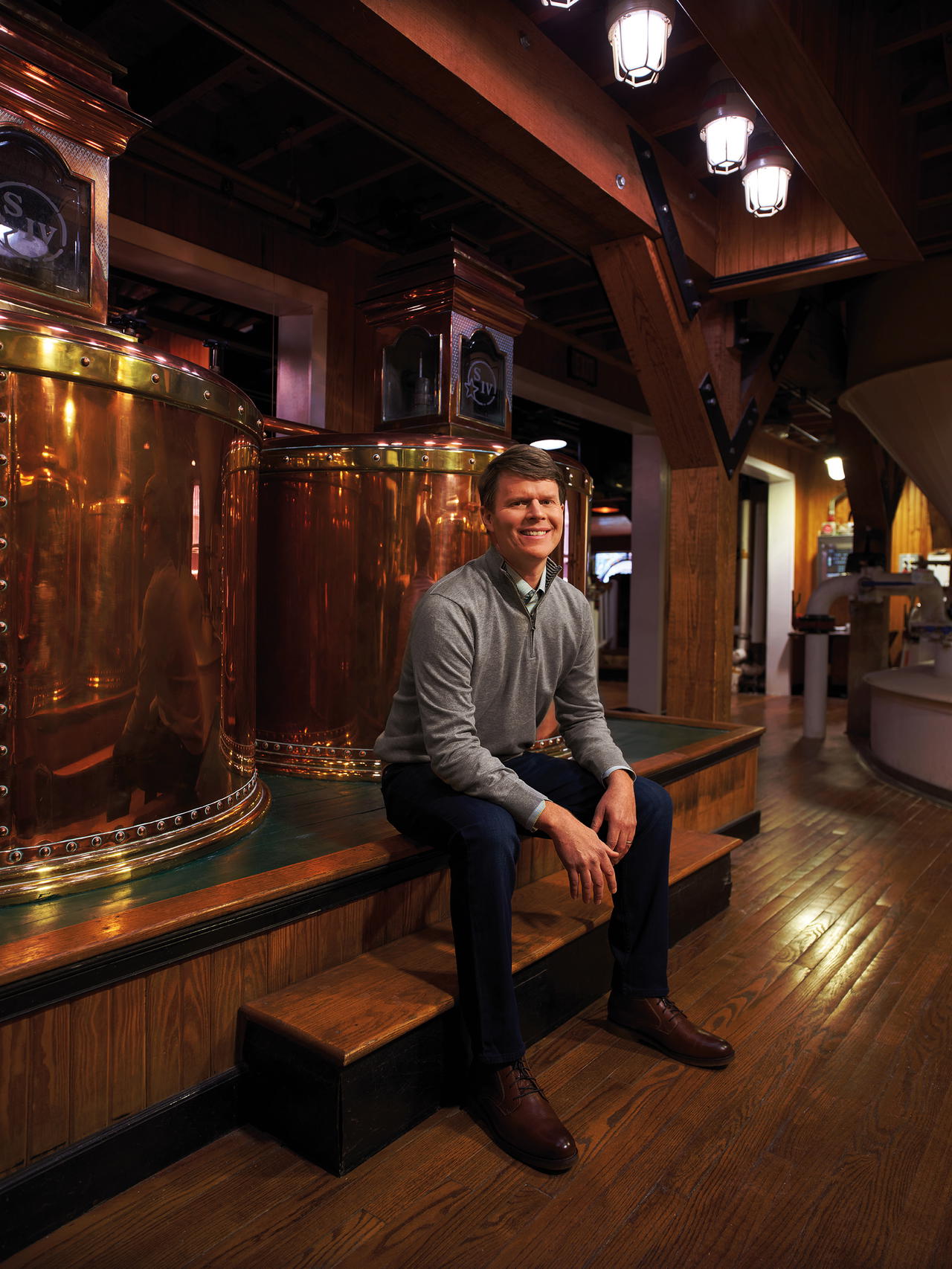
Maker’s Mark bourbon is crafted for people who don’t enjoy drinking bourbon, asserts Rob Samuels, the managing director of the Kentucky-based distillery. It’s an ironic proclamation, but one that makes sense when you dive into the history of the brand. It was a different time in the 1950s. Bourbon was a harsh, acrid drink that made your throat burn and your eyes water.
Bill Sr and Margie, Rob’s grandparents, wanted to elevate the alcohol and create a creamy, balanced, and full-flavoured bourbon without the aggressive bite.
“They didn’t have any commercial ambitions,” says Samuels. “They just wanted to create a bourbon they were proud to share with friends.” Bill, ever the innovator, found the flavour he was looking for in soft red winter wheat. Other bourbons at that time used rye.
In 1958, six years after Bill Sr bought the distillery and started producing bourbon, the first bottle rolled out on 8 May. The Kentucky locals loved it. But the Maker’s Mark gospel remained firmly in the state. Then a Wall Street Journal front page story in 1980 sang its praises with the headline Maker’s Mark Goes Against The Grain To Make Its Mark. “Since that day, we’ve sold every drop we’ve ever made every single year,” says Samuels.
His journey into the family business was just as circuitous. Samuels chose to work with another company in the alcohol business for 11 years. “I wanted to know if I was ready to make it my life’s work. Did I love the industry enough to be in it? Not because I wanted to respect the family’s legacy?” he explains. Additionally, he didn’t want his father to feel obliged to hire him. Samuels wanted to earn his stripes.
Finally, in 2006, the elder Samuels sat Rob down and had that conversation. Returning home, he became the eighth-generation whisky maker of Maker’s Mark. He’s ready to make his mark now.
Traditionally, bourbon can only be aged for about six years. Any longer and the tannins overpower the stone fruit characteristics of Maker’s Mark bourbon because of Kentucky’s hot and humid summers and blisteringly cold winters that speed up maturation. “We like to say that one year of ageing in the state is like three years in Scotland,” says Samuels.
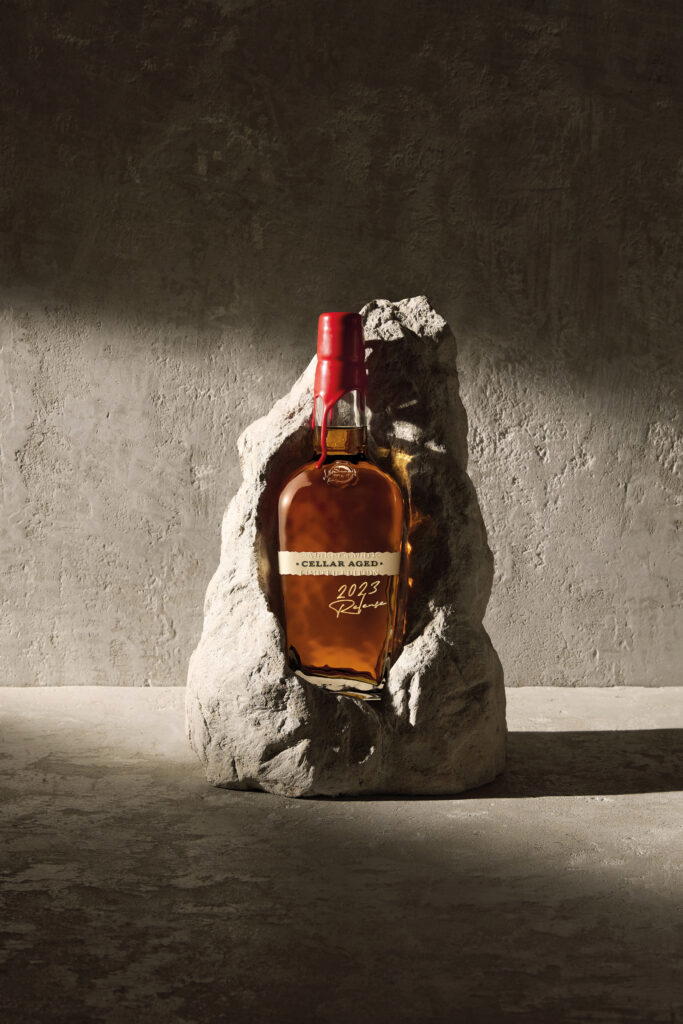
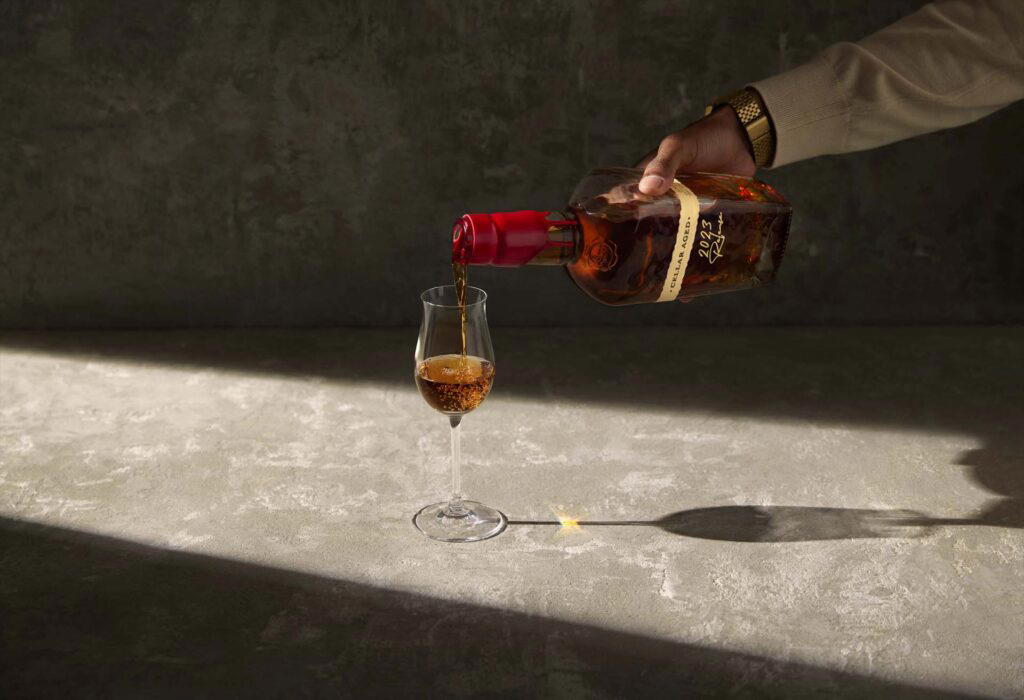
“But what if we can take bourbon aged for six years and put it in a limestone cellar?” It was built into the hillside of the Maker’s Mark distillery, creating a cooler, more stable environment, no matter the season. Curiosity and the pursuit of innovating an age-old recipe led Samuels and the team to produce its latest, Maker’s Mark Cellar Aged. After spending six years going through the typical ageing process, the bourbon spends another six years in the cool limestone cellar before being bottled.
“The flavour vision remains the same, but it’s more pronounced. There are multiple layers of stone fruit characteristics, a vanilla caramel intensity, and then this long, beautiful, velvety finish. More importantly, there’s no bitterness like similer-aged bourbon.”
Just as Bill Sr and Margie made their mark by creating a bourbon for people who didn’t like bourbon, Rob Samuels, too, is bucking the trend while respecting it.
It’s the Maker’s Mark way.