Happening on 24 October 2026, the British Theatre Playhouse Art for Charity Gala takes place at Capitol Theatre. It benefits The Business Times Budding Artists Fund (BT BAF), managed by non-profit The Rice Company Ltd. Twenty-five percent of gross proceeds will go towards BT BAF’s Art of Play @ Schools 2026 programme, which brings arts experiences and education to underserved children and youths.
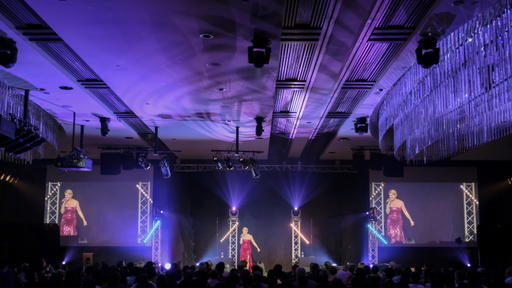
Produced and organised by British Theatre Playhouse with CIMB Singapore as the presenting sponsor, the fundraiser’s centrepiece is London’s West End Rising Stars – East Meets West in Musical Theatre. A world-premiere concert, it features a cast from Asia and the UK whose credits include MJ The Musical, Thriller Live, Hamilton, West Side Story, Miss Saigon, and Grease. Directed by Miranda Wilford (Thriller Live), the production is scheduled to tour Southeast Asia after the gala.
Tickets are available either with a champagne reception and four-course dinner with free-flow wines, or a cocktail reception with finger food and free-flow drinks. Donors receive a 2.5 times tax deduction on the qualifying portion of their support.
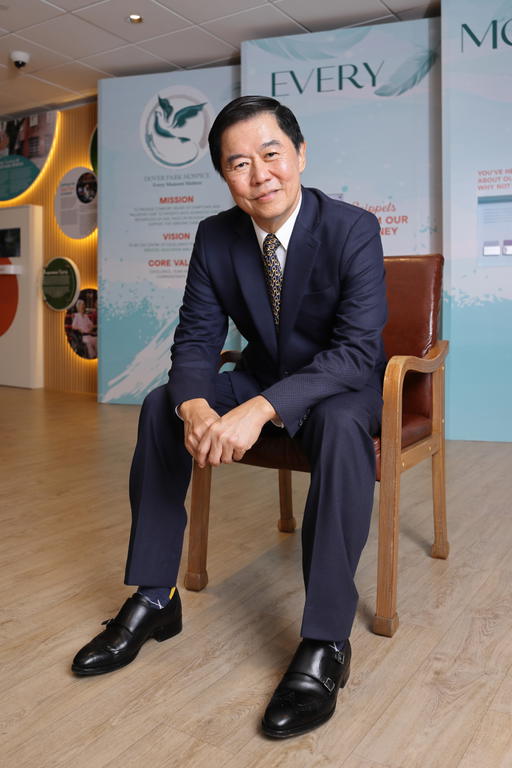
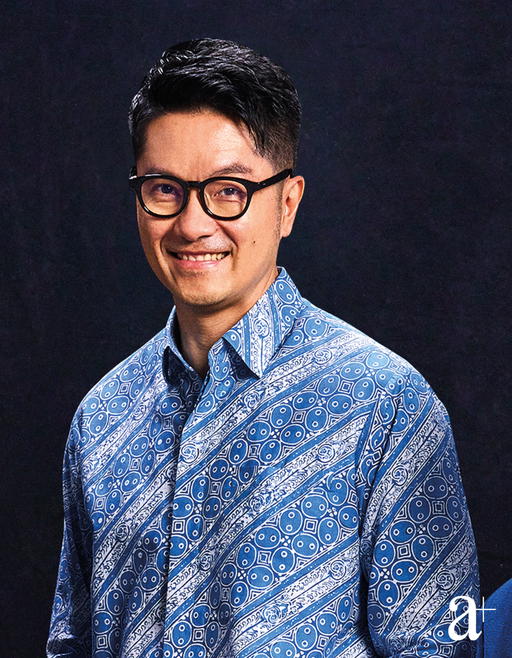
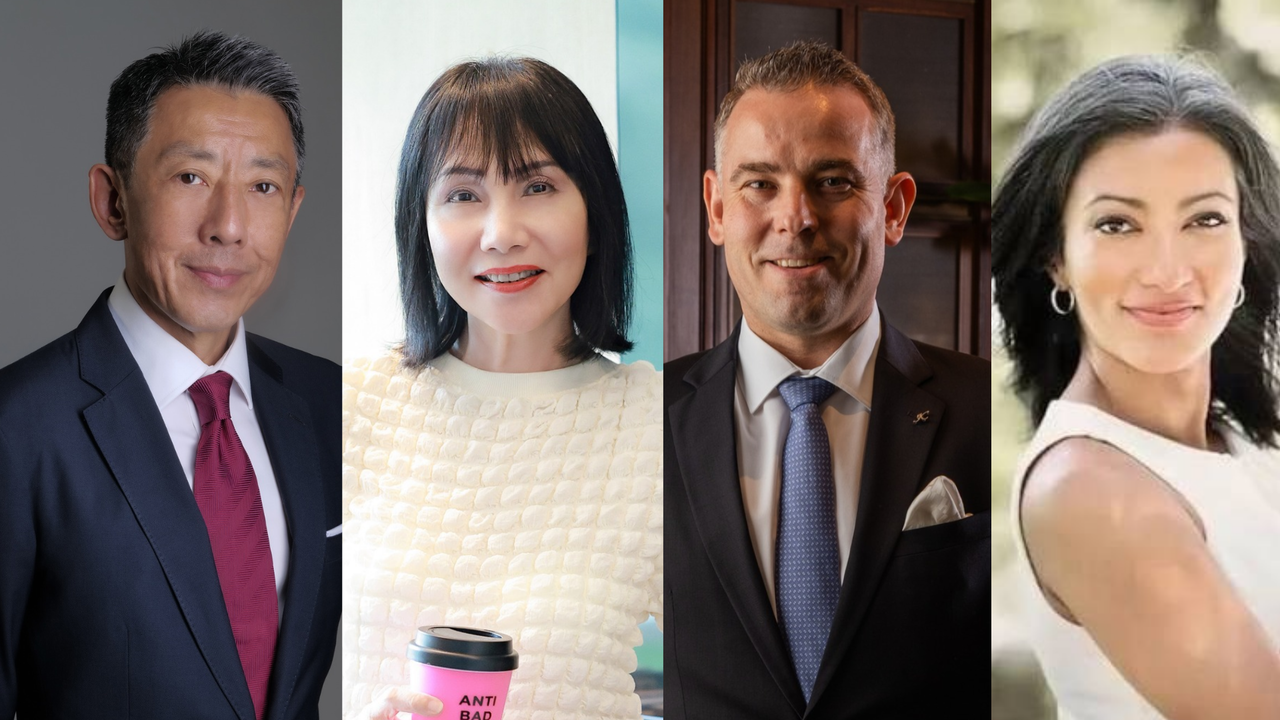
But beyond the gala, how can the arts actually make Singapore better? As the official media partner, a+ brings together Cecilia Leong-Faulkner, founder of British Theatre Playhouse; Andras Biro, General Manager of The Capitol Kempinski Hotel Singapore; Mak Joon Nien, CEO of CIMB Singapore and Growth Markets, and Sharanjit Leyl, Chancellor, Bath Spa University, for this discussion.
Should the arts be considered a necessity or a luxury?
Cecilia Leong-Faulkner (CLF) A necessity. Research by the British Academy of Sound Therapy discovered that listening to upbeat music for just nine minutes can lift your spirits and boost your energy. Listening to music or watching movies and plays at home helped many of us get through the Covid-19 lockdowns!
Andras Biro (AB) The arts are both a necessity and a luxury. A necessity because they inspire us, challenge our perspectives, and serve as creative fuel for us to evolve as individuals. A luxury because the opportunity to truly experience and appreciate the arts is, in itself, a privilege.
Mak Joon Nien (MJN) I see the arts as an important part of a healthy society. They may not always feel as immediate as everyday needs such as housing or healthcare, but they help us understand ourselves, connect with one another, and build a shared sense of identity. As much as economic progress is important, the arts remind us progress should also be measured by how rich our collective lives are.
Sharanjit Leyl (SL) It depends on how art is viewed. Many people in Asia see it as a luxury because it is positioned as such. In fact, art is accessible through everyday mediums. I wear different hats for different organisations, each offering distinct art forms to reach different audiences. Today, social media and AI provide platforms for art to reach a mass market. There is truly something for everyone. Singapore, for instance, is making art more accessible through initiatives such as the SG Culture Pass, so people see it not as an expensive add-on, but as an essential part of life.
When should the arts challenge us—and when should they inspire us?
CLF The arts can be a force for change, giving voice to marginalised groups and exposing injustice. We’ve seen this through everything from protest art to music that has raised awareness of social issues. Live Aid, for example, showed how music could mobilise people around a humanitarian cause like famine relief.
AB I believe the arts should always have an element of challenge that makes us pause and ponder. At the same time, art does not always need to provoke a response. Sometimes, its greatest value lies simply in inspiring us, evoking emotion or encouraging us to see beauty in something we may have otherwise overlooked.
MJN I don’t think we need to choose. The best art often does both: it inspires us, while also leaving us slightly unsettled or seeing an issue differently. There are times when the arts should challenge our assumptions and create space for conversations that may be difficult but necessary. At other times, it can simply give us joy, comfort or wonder. Both have value, particularly in a world where people are carrying increasingly complex pressures.
SL They should do both. The very nature of art is to challenge. If it doesn’t challenge you, it simply isn’t memorable. Historical examples prove this time and again. If art only seeks to comfort or decorate, it risks becoming background noise. But when it challenges prevailing societal norms, it leaves a permanent mark on our collective consciousness.
Our society relies on the arts to thrive, but what responsibilities do artists, institutions, businesses and audiences have here?
MJN At CIMB, our experience through initiatives such as CIMB Artober has shown us that our support can be cultural as well as commercial. Artists need audiences, platforms, professional networks, and viable ways to sustain their practices. When businesses help artists reach new audiences and build sustainable livelihoods, they strengthen not only the arts community but also the wider creative economy. That is closely aligned with our purpose of advancing our customers and society.
CLF We can protect free expression and engage local communities by funding the arts and providing fair wages. That way, we can build a stronger foundation for the arts to thrive.
AB Venue managers are responsible for making the arts accessible, relevant and inviting. Capitol Theatre is the custodian of a space that holds a significant place in Singapore’s cultural memory. Our responsibility is to preserve the character and heritage of this legendary venue while keeping it vibrant and relevant for future generations. As part of our Classics at Capitol series, we bring iconic films back to the big screen, giving a new generation the chance to experience nostalgia.
SL It is a huge responsibility, but it doesn’t rest solely on artists, institutions and businesses—it rests on all of us. We should all be custodians of art. In local theatre, groups like The Necessary Stage have never shied away from challenging topics, from mental health and social inequality to racial nuances and ageing. As audiences and supporters, our responsibility is not to police or censor these boundaries, but to show up, engage and protect spaces where difficult conversations can happen safely.
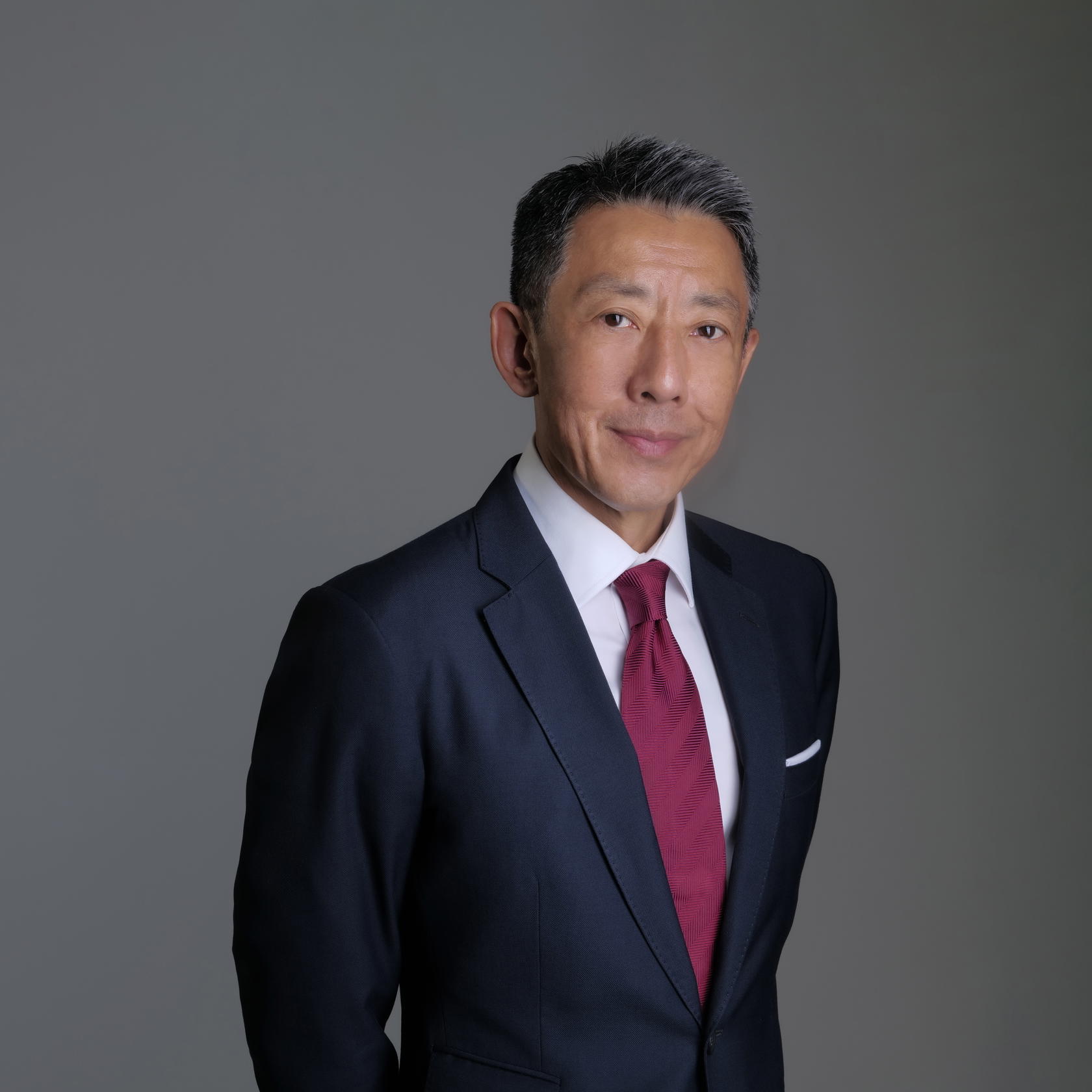
Beyond ticket sales and economic impact, what role do the arts play in building a stronger society in Singapore?
AB As Singapore continues to evolve, the arts can help us remain connected to our heritage and identity, while giving us the space and freedom to question and envision what comes next. For us at The Capitol Kempinski Hotel Singapore, this relationship is especially meaningful. Capitol Theatre has evolved from a grand cinema into a contemporary cultural venue, while the historic buildings around it have been thoughtfully reimagined for modern life. If there’s one thing the arts can do for Singapore, it is help us move forward without losing sight of our history.
CLF The arts are good for our mental well-being. Live performances can bring people together to engage, laugh, sing, dance, feel, have fun and make meaningful connections that nourish our souls. All this is good for our Happiness Index.
SL In the mid-20th century, economist John Maynard Keynes championed public funding for the arts, establishing the Arts Council model on the belief that a civilised society required investment in culture, not just balance sheets. For a nation focused on economic progress, Keynes’ position reminds us that the arts cannot be ignored. During the Italian Renaissance, art and commerce flourished together, with the Medici family supporting artists such as Michelangelo to demonstrate their power and cultural standing. For Singapore, the arts help build a distinct national identity rooted in our diverse cultural histories, while keeping us open to international ideas. Culture is not merely a byproduct of success, but its foundation.
MJN As we grow more technologically advanced and globally connected, the arts can keep us curious, grounded and open to perspectives beyond our own. They can preserve the stories that brought us here while creating room for new ones. Businesses such as ours may not determine that cultural future, but we can help ensure that the people shaping it have opportunities for their work to be seen, understood and sustained.
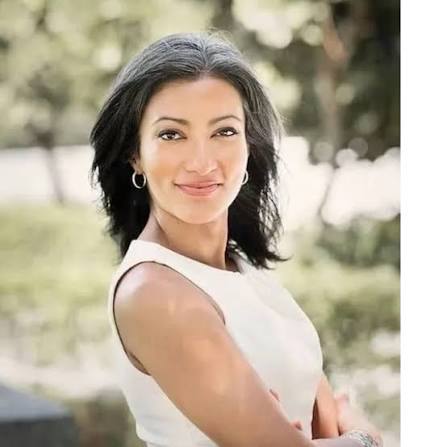
How do the arts help us make sense of this AI-enabled world?
SL Art and human creative endeavour have far more importance now in the age of AI, precisely because so much can be artificially generated. Bath Spa University, where I am Chancellor, prides itself as one geared specifically toward the creative industries. Our curriculum is designed to help students excel in in an AI-dominated world by doubling down on uniquely human qualities such as empathy, original narrative and raw ingenuity. One of our MA graduates won the Booker Prize in 2024 and is now a professor with us.
CLF In an era of instant answers and fake news, it is vital to nourish human creativity. As well as providing a safe, nurturing, and meaningful environment for children, the arts help build awareness, connection, and confidence. Because of their moral and social values, it is important to support the arts and arts education.
AB In the arts, we see the irreplaceable value of human thought and emotion, which machines can mimic but never truly emulate. As the world becomes increasingly automated, I believe the arts and the spaces that hold them will become more crucial.
MJN Technology will continue to change how art is made and experienced, and that can bring exciting possibilities. But the arts also foster qualities that remain deeply human, such as imagination, empathy and judgement. These qualities will become more important in an AI age, not less.