
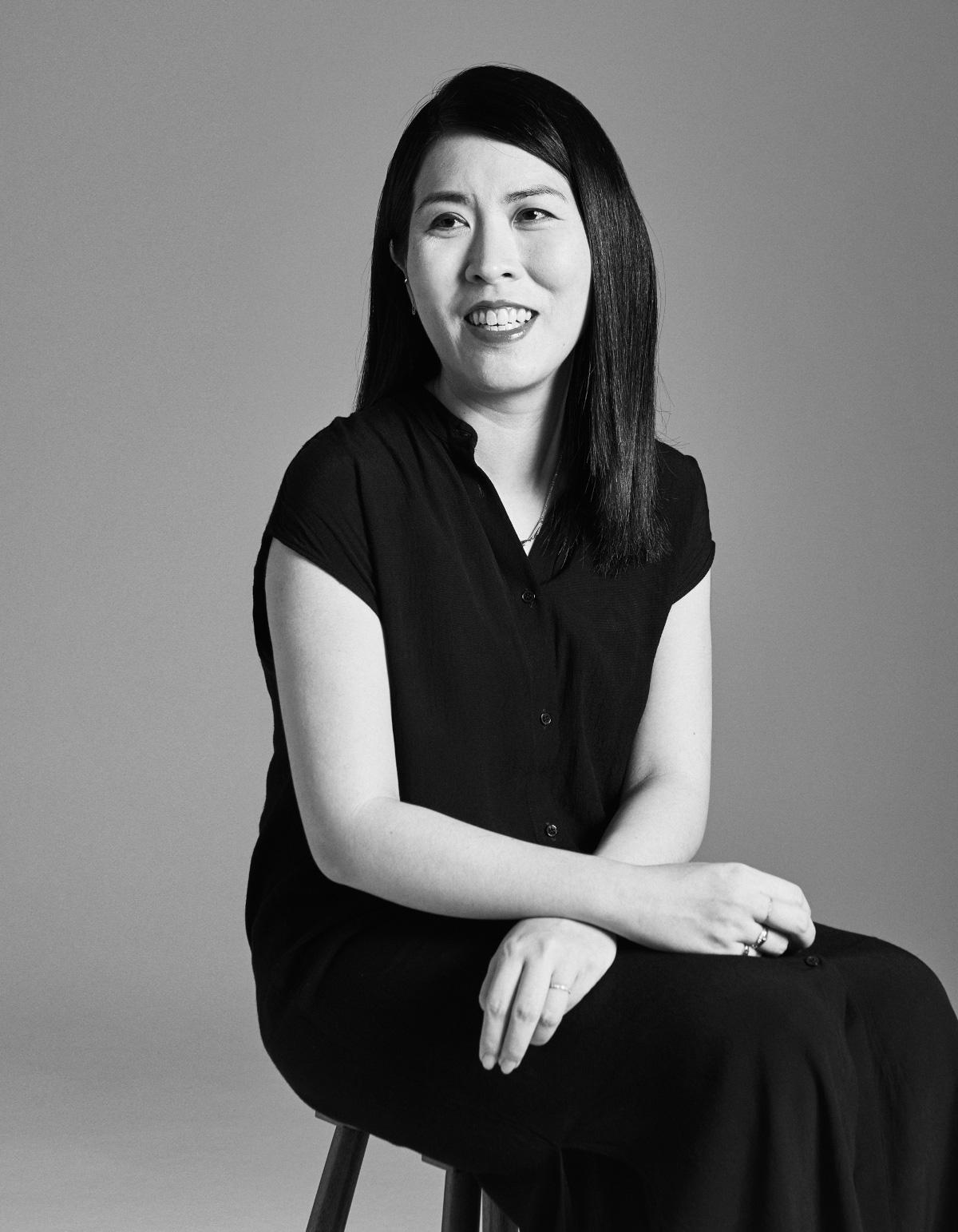
A lot can change in seven years. But Nicole Midori Woodford was determined to complete her first feature film, so she stayed the course. Several factors contributed to the long-drawn production process. In addition to a long incubation period and pandemic restrictions, casting the protagonist took over a year. The 37-year-old was in search of a non-actor who could carry the emotional range and complexity of the role.
Her tenacity paid off and Last Shadow at First Light premiered last month. The supernatural drama tells the tale of a girl haunted by recurring apparitions as she searches for her mother across Singapore and Japan. Most of the filming took place in and around Rikuzentakata in Japan, a city that was largely devastated by the 2011 Tohoku earthquake and tsunami.
Woodford also wrote the script. As with many of her short films, she focused on the struggles and personal traumas of women in this film.
“Women often have to navigate unique pressures, societal expectations, and internal challenges. I believe there’s richness and resilience in female narratives, and I want to unravel them through filmmaking.”
Nicole Midori Woodford on the common theme in her films
Although part Japanese, she is a full-fledged Singaporean. Growing up, she spent her days watching movies on rented DVDs and writing short stories, eventually pursuing a degree in filmmaking. A couple of things about the craft fascinate her, like how there’s no right way to tell a story, and that it’s a highly collaborative, multidisciplinary process. It takes a village, she adds, to nurture projects from start to fruition.
Last Shadow at First Light was partially inspired by her grandmother’s post-war experience. “I was going through something difficult, so she recounted how she had picked herself up after surviving the atomic bomb as her way of showing encouragement. This had me wondering about survivor’s guilt and what living with trauma is like,” she says. Because of quarantines and travel permits, the shooting process required a lean and improvisatory approach. About 95 percent of the film comprises first takes.
When Woodford isn’t telling stories on screens, she’s teaching filmmaking at the NTU School of Art, Design and Media. Interacting closely with young people has taught her that they are fervent about defining their identities and fighting against societal injustices. As such, she is hopeful that the Singapore film landscape will continue to grow for the spiritedness of the next generation will only give rise to more stories.
That said, while the industry here has developed, it could benefit from more support. We can lend some by ending the long-held belief that local films aren’t good enough to compete with foreign productions. “If audiences give local independent filmmakers a chance, they will realise this isn’t true,” maintains Woodford. We should also make it a point to go to the movie theatre. While streaming has made various films more accessible, fewer people are going to the movies because of its convenience. This is in addition to spreading the word about local films if we enjoy them.
Those who want to follow her footsteps will be better served by adhering to two rules, she adds. One, establish what you want to communicate and keep refining it. Second, develop a relationship with a producer who wholly believes in your script. Films, she reiterates, are extremely dependent on collective forces.
Art director: Ed Harland
Videographer: Alicia Chong
Photographer: Mun Kong
Photographer’s assistant: Hizuan Zailani
Hair: Aung Apichai using Kevin Murphy
Makeup: Sha Shamsi using Chanel Beauty