As “a museum for all”, the New Taipei City Art Museum (NTCAM) envisions itself less as a landmark, and more an environment where conversation, learning, and collaboration unfold.
With research and collections, curatorial practice, education and outreach, public engagement, and sustainable operations as its core pillars, it fosters exchange between art and society, environment and technology, and local histories and global narratives.
Constructed at a cost of NTD3 billion (S$121,146,000), NTCAM is located in Yingge district, which is 30 minutes by car from Taipei City. Built on reclaimed land of 15.5 acres within the NTCAM Park, it was designed by Taiwanese architect Kris Yao and is acclaimed for integrating art, nature and humanity. Spanning 32,420 sqm, it offers, apart from the main museum, exhibition spaces through the second to sixth levels. Creative Clusters on the ground level connect leisure and culture, while Wonder Base, an inclusive art education space, is located in the basement.
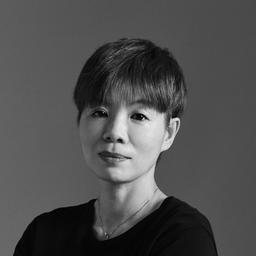
More than 800,000 people have visited NTCAM since it opened in April 2025. But numbers don’t tell the entire story, says Lai Hsiang-ling, its director.
“To me, ‘a museum for all’ is not about numbers. It is about cultural equity—how we can engage a broader and more diverse audience, and how we can create avenues for participation that connect meaningfully with people’s own experiences. At NTCAM, we hope that collection research, curatorial practice, and education outreach can become complementary forms of artistic experience and learning.”
The museum’s research-driven approach is integral to its work. “Here, research means development and expansion. It is not simply about making the museum more academic, but about developing new models of public engagement, offering more diverse forms of artistic experience and learning, and creating opportunities for people from different backgrounds and lived experiences to be included in conversations about art,” she explains.

“Without research, museums easily fall into repeating existing ways of learning about and viewing art. But when research becomes the starting point of our work, we start asking: which experiences have been overlooked? What knowledge has yet to be organised? Who has not yet been seen?”
These perspectives inform NTCAM’s 2026 programme. It is structured around four curatorial directions: urban aesthetics as a catalyst; the construction of New Taipei and Taiwanese art histories; contemporary cross-disciplinary practice; and public-facing art education.
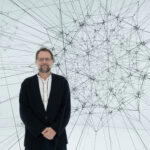
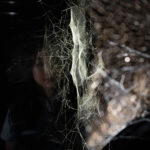
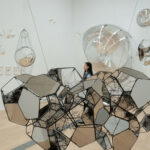
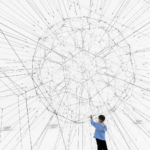
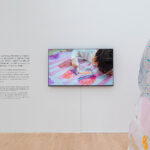
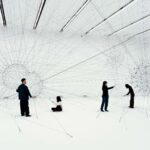
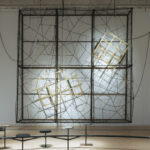
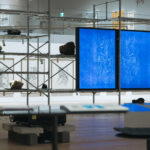
Among the exhibitions is “Tomás Saraceno: Interwoven”, an Argentina-born, Berlin-based artist’s first major institutional solo exhibition in Taiwan. Running until 6 September 2026, this ecological discourse invites viewers to reflect on coexistence and entanglement through sculpture, installation, sound, painting, and moving images.
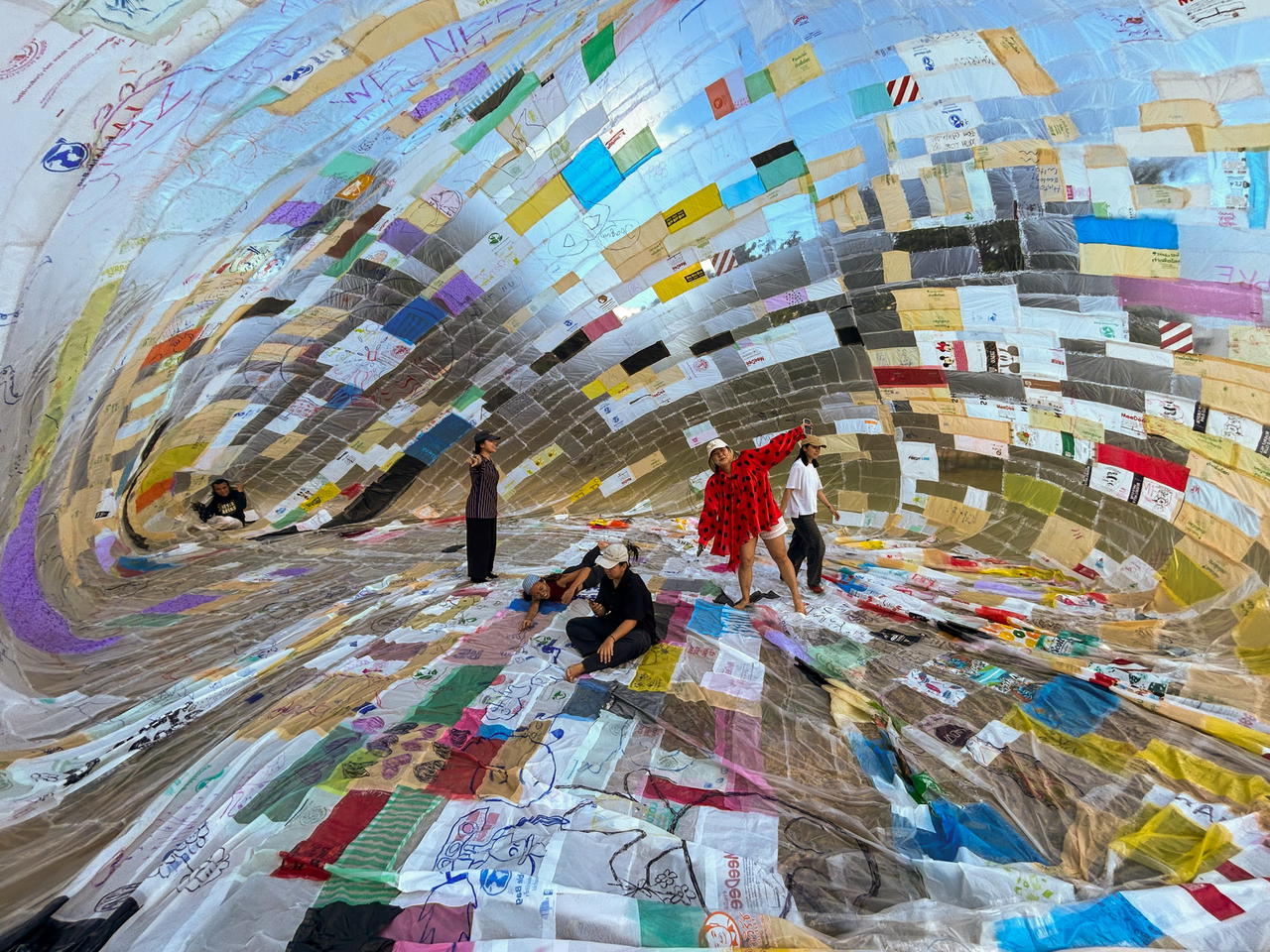
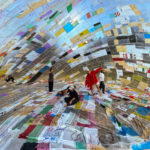
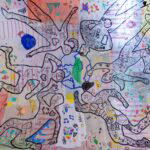
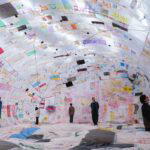
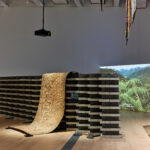
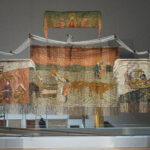
Meanwhile, “Of Thread and Stone” with the history of New Taipei’s textile and mining industries as a starting point, presents artworks, objects, and archival materials that explore how where we stand connects with the global context. The exhibition closes on 14 June 2026.
Then, there are educational showcases such as Find Your Voice (until 30 August 2026) at The Wonder Base.
“Tomás Saraceno: Interwoven”
Such diversity in curatorial approaches goes beyond responding to audience expectations. It also produces multiple perspectives that encourage them to reconsider their relationship with the world. Collections no longer remain a static archive; they become artistic viewpoints shaped by critical consciousness.
To enable reflection, relation and response, Lai and her team also understand that sustainability has evolved from enquiry to discourse. “It is beginning to change the way we think about our work, prompting us to reconsider choices once taken for granted: must exhibitions continue to grow in scale? How can international collaborations find a balance between mobility and locality? Can the pace of production and presentation be recalibrated?
Methodologies had to be reconfigured, with exhibitions such as “Tomás Saraceno: Interwoven” curated to play up the relationships between art and science, environmental conditions, and social contexts. Ongoing adjustment and negotiation ensures that the museum continues to respond to contemporary issues, and embody and practise these concerns within its operations.
"Of Thread and Stone"
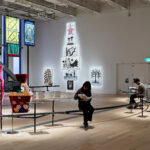
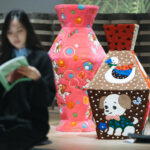
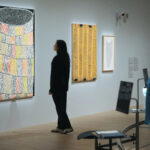
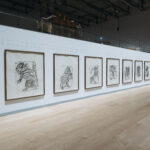
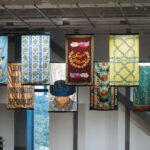
As NTCAM celebrates its first year, Lai looks back with pride. “We saw different audiences using the space in their own ways—some come for exhibitions, some participate in workshops, while others have already incorporated the museum into their everyday routines.”
Instead of visitor numbers or visibility, she deems it more important whether people are willing to return to the museum repeatedly. “One audience member, who has attended every single event, shared with us that bringing her child to activities and exhibitions here has become one of the rare moments in daily life where she is able to pause, breathe, and find enjoyment,” she says. “Experiences like this have also led us to rethink the role a museum can play within the fabric of urban life.”
Lai reckons that the museum will still be trying to grow and adjust over the next several years. She remains open to different possibilities gradually emerging, rather than rushing to define the kind of institution it must become.
“If there is a core trajectory, it is the pursuit of a dynamic interplay between the local and the global,” Lai notes. “The museum simultaneously grounds itself in New Taipei’s history and lived experiences, and projects outward into global cultural and knowledge networks. These two forces are not in conflict; instead, through their constant oscillation, NTCAM will progressively define its own unique positioning.”
For more on NTCAM’s upcoming events and exhibitions, visit here.