
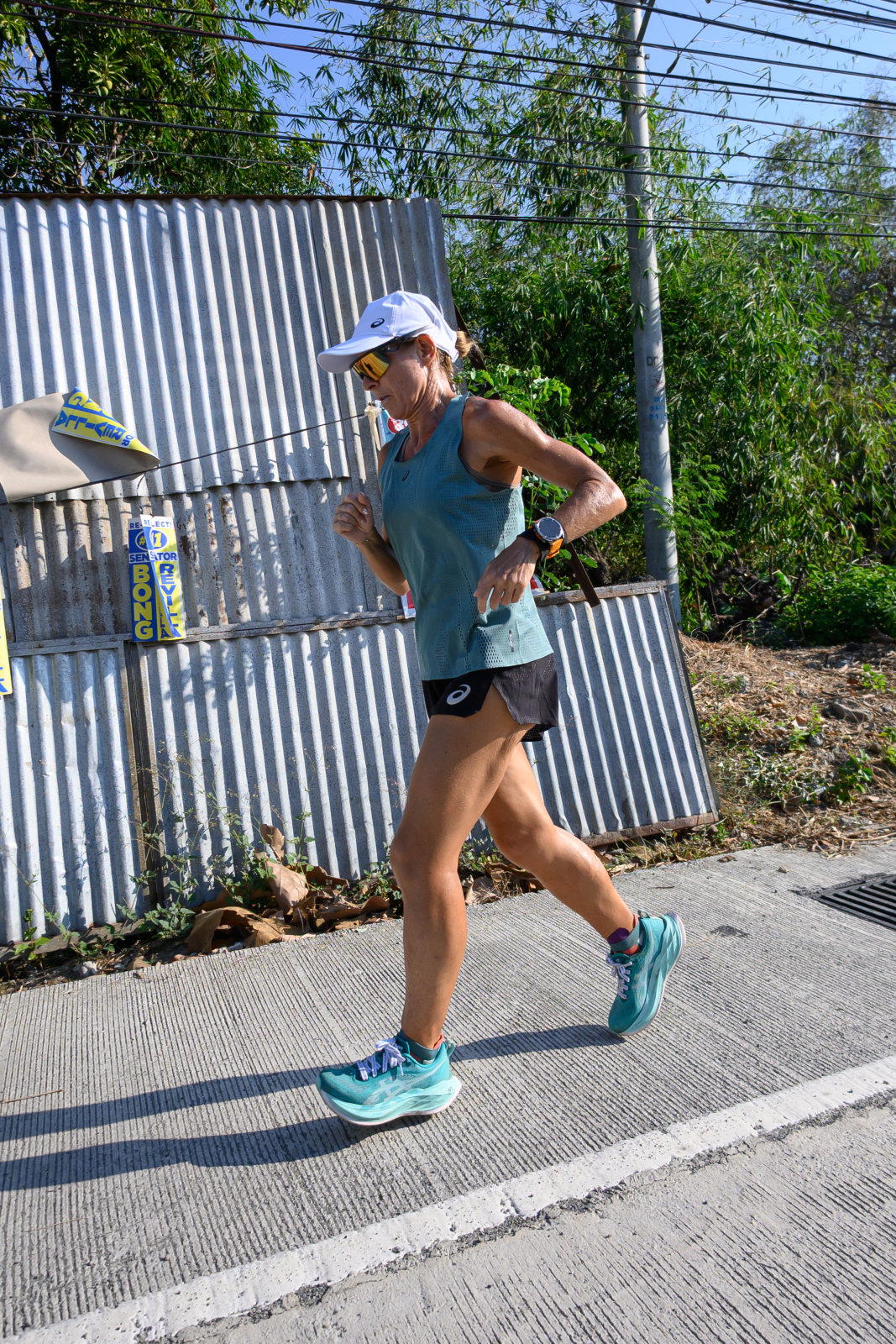
Some say life begins at 40. This might just be true for Natalie Dau: after leaving a corporate career to become an elite athlete at that age, she went on to earn a Guinness World Record for the Fastest Crossing of Peninsular Malaysia on Foot 12 years later.
Now 53, the endurance athlete and ultramarathoner dedicates most of her days to training. Apart from competing or running to raise awareness for various causes, she also conducts motivational talks and high-performance coaching.
Originally from Australia, Dau has been calling Singapore home for more than two decades; what was supposed to be a two-year stint became a permanent move after she found herself charmed by our sunny island. Her current training regimen includes running 100km to 120km over six days, strength training, and Reformer Pilates that she says she’s “terrible” at.
Not that it negates her natural athletic abilities. While she had only started running later in life, she won her very first 100km race despite never having participated in a marathon prior to the event. “I fell in love with the challenge mentally and physically, and the rest is history,” she says.
Last year, Dau initiated Project 1,000, a 12-day solo run of 1,000km to raise awareness and funds for underprivileged women and girls. The expedition had her pounding the pavement from Thailand to Singapore to raise $50,000 for GRLS, a charity that empowers women and girls through sports and exercise. Through the project, she not only achieved a Guinness World Record, but also a Singapore Book of Records title for the Fastest 1,000km Thailand-Singapore Ultramarathon.
Imaginably, the feat required herculean effort. Among the hurdles she faced were a hip injury on Day One, and a seven-day urinary tract infection that led to blood in her urine and fluid in her legs. Yet, she wouldn’t have done anything differently.
“Girls in underserved communities are often marginalised, and it is through education, empowerment, and access to sports that they can grow their confidence and use it to do other things in their lives. Leading by action instead of just words is the way to inspire others. This is why I undertake crazy challenges.”
Natalie Dau on empowering girls through sports
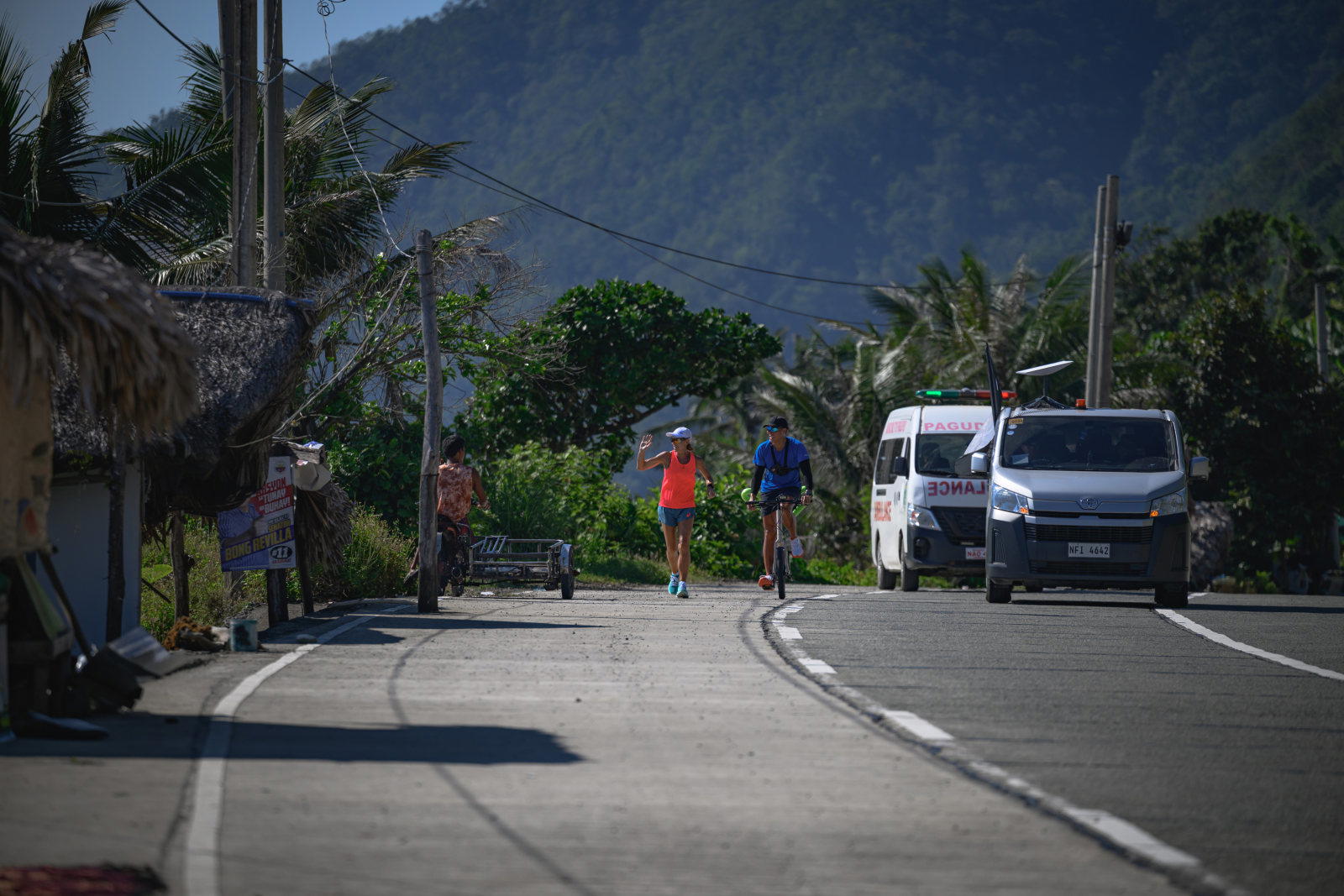
This year, Dau ran across the Philippines through Laoag, Vigan, Baguio, Tarlac, and Angeles. She made sure to spend time with local communities by dropping in on schools and charities along the way.
The money raised was donated directly to the organisations she wanted to support. One of her most memorable moments, she recounts, was when she participated in a children’s party at Ta-yac Elementary School in halfway through her journey.
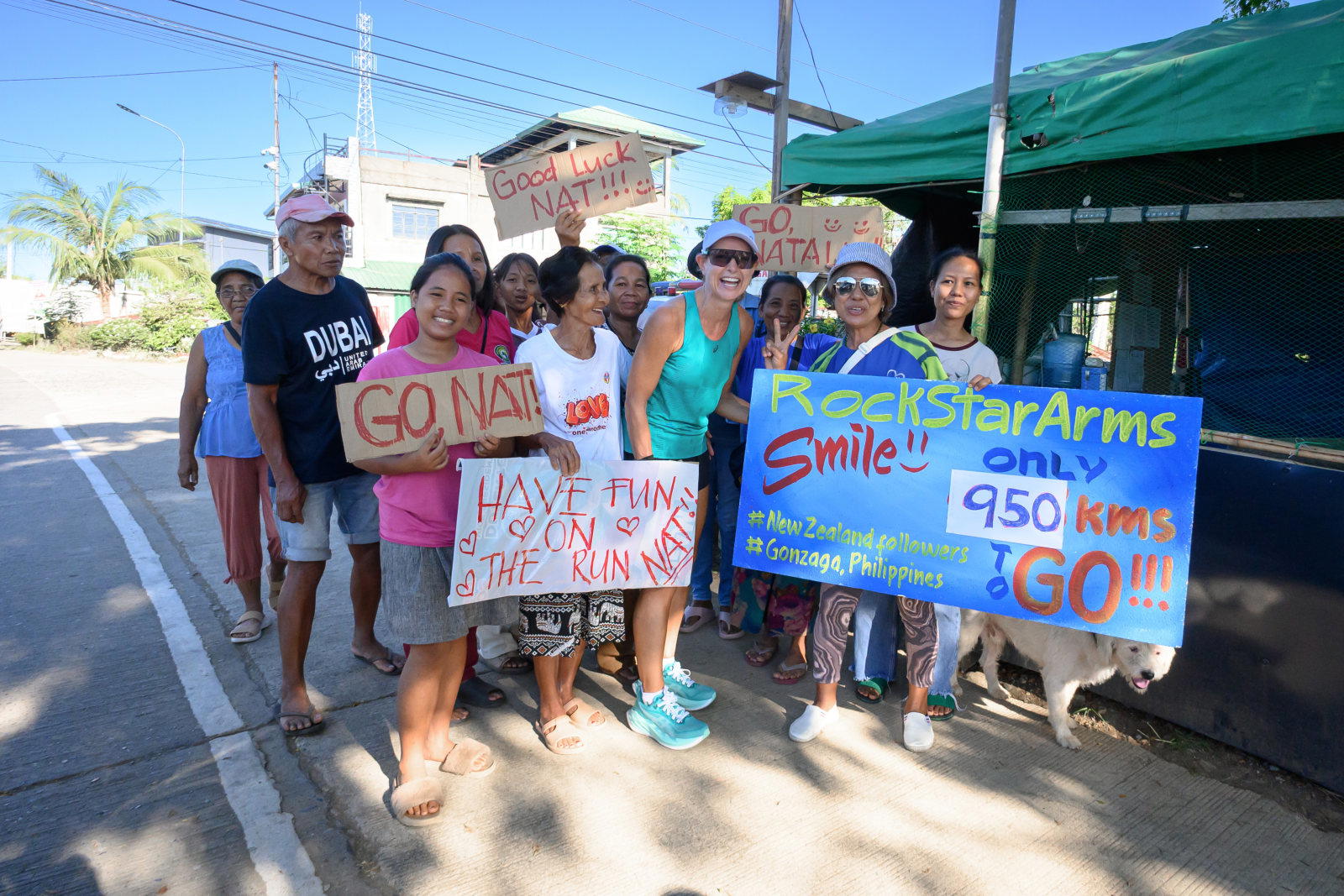
To cope with the challenges that came with the scorching heat and hilly terrain, Dau kept her eye on the impact she was creating. It helped that the locals showed exceptional hospitality. “The warmth of the Filipino people was so humbling. It was so nice having thousands come out and support my team and I.”
In her book, running an ultramarathon boils down to expecting the unexpected. “You’re out there for so long and there will be things that don’t go according to plan. I control what I can and then try to move on as fast as possible. I always say to my team, ‘As long as no one is hurt or in danger, it’s not worth getting upset or stressed about’.”
As with achieving anything else, running long distances requires mind over matter, Dau adds. “We can train our bodies, but pushing through when the going gets tough is what makes the difference.”
In her experience, the ultramarathon scene in Singapore has been “growing like crazy”. It’s evident from the types of sports brands entering the market, she points out.
But the size of our island means runners must adapt to running the same routes whether running on roads or trails. For this reason, ultramarathoners tend to head to Malaysia, Thailand, and Vietnam for competitions. Besides having more varied terrain, these destinations also hold races on a much larger scale.
Dau’s advice for aspiring endurance athletes: don’t jump the gun. Rome wasn’t built in a day and one doesn’t become an ultra-athlete overnight, so give yourself at least 12 months for proper training.
Also, training should not only entail running, but also include strength exercises, fueling, and recovery, which necessitates good sleep.
“As you start to put your body under more stress and load, you will avoid getting injured. Also, it’s going to be a long and lonely journey, so always remember your reason for doing it.”