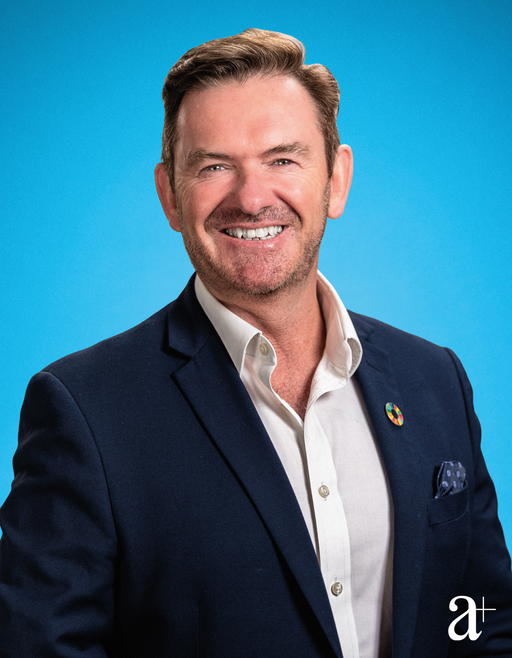

Jean Cassegrain appears to be every bit a traditional corporate leader — so impeccably dressed that one might not immediately assume that he heads a luxury fashion company.
However, question him about the ins and outs of running a fashion business and he answers without missing a beat.
Occasionally, he turns a question back to me, asking for my opinion as a “resident fashion expert”. Referencing several luxury brands of late that have appointed celebrities, especially big-named South Korean idols, as the faces of their respective brands, I ask: “Now that there’s an all-encompassing women’s universe for Longchamp, have there been thoughts about introducing a brand ambassador?”
After summarising what I’ve observed in the industry and how such partnerships have helped certain luxury brands, Cassegrain offers: “We’re asking the same questions. I think what’s important is to give the brand some visibility, and there are different ways to achieve that.
“Is it through one global ambassador or one Asian ambassador, or is it about developing more intimate relationships with celebrities in each local market? I think they’re possible; maybe they can even be combined. But it’s a work in progress.”

That’s the Longchamp DNA. Almost 75 years after its founding, Longchamp is still a work in progress. It’s not trailing behind competitors; instead it doesn’t rest on its laurels. The brand known for Le Pliage — a hardy, packable bag that’s become a staple in almost every bag collection the world over — has expanded to include an array of women’s ready-to-wear. Cassegrain explains it was a natural progression for Longchamp, citing how brands that started off doing one or the other are now doing both bags and ready-to-wear.
Cassegrain’s grandfather (also Jean Cassegrain) founded Longchamp in 1948 and it has always been wholly family-owned. Cassegrain succeeded his father as president of the company in 2020, sister Sophie Delafontaine is Longchamp’s long-time creative director, and brother Olivier leads the brand’s development of its American boutiques.
“Two of my sons have joined the company in the past two years. So the fourth generation is now on board and we want to continue that,” Cassegrain says. “I think it gives the company and the brand a different approach. We’re not a public company; we don’t have to deliver better results every quarter to satisfy the stock market, so we can focus more on long-term goals.”
According to him, being a family-owned business is a double-edged sword. While communication is often easy and “flows nicely”, Longchamp’s relatively smaller company size means that it has to compete with brands and firms with more resources. Nevertheless, it has also proved beneficial in some ways. Longchamp will open its first boutique in Hanoi, Vietnam, before the end of the year. It also plans to open five to six boutiques every year in China — a country that’s still focused on a zero-Covid policy.
“We learned the value of flexibility from the pandemic. We need to always be ready to change and adapt. There is enormous potential to continue developing our brand in China. There might be hiccups and road bumps, but the long-term potential of the market is there.” According to Cassegrain, being independent makes it easier to be flexible. Additionally, it allows the brand to make quick decisions.
Another natural result of being an independent, family-owned company is Longchamp’s commitment to sustainability. Cassegrain calls it an artisan’s mindset. “An artisan doesn’t waste things. He tries to find the best use for everything that he has. He respects the material and understands that what he’s making is connected to the natural environment,” explains Cassegrain, who also shares that the company was committed to sustainability even before it became an industry buzzword.
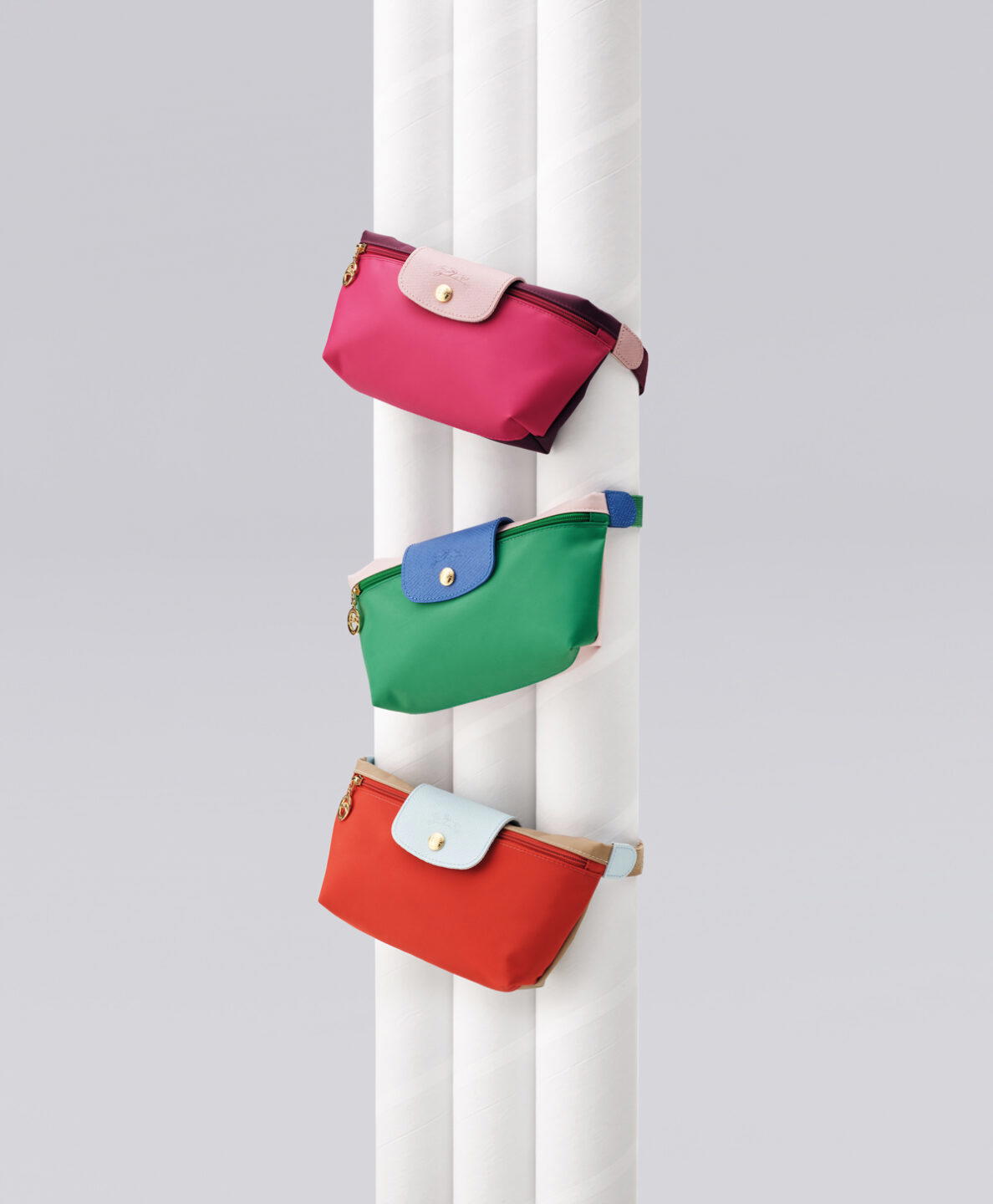
On the product front, Longchamp’s sustainability efforts have largely centred on its famed Le Pliage line. As part of Le Pliage’s sustainable evolution, it introduced Le Pliage Green in 2021, which uses recycled nylon canvas. Recently, Longchamp launched Le Pliage Re-Play that uses offcuts from previous collections to create colourblocked variations in limited numbers. But that’s not all.
“Now, the entire Le Pliage collection is made from recycled polyamide canvas. By the end of next year, all our canvas will be made from recycled fibres. That includes the textile linings that we have in our leather bags,” reveals Cassegrain. He says that this has been in the works for quite some time to ensure that the quality of its wares aren’t compromised.
“It’s sustainability at full scale because Le Pliage has a lot of products. By changing the canvas to recycled sources, we have lowered the carbon impact of each Le Pliage bag by 20 percent,” affirms Cassegrain. Long-term work in progress indeed.