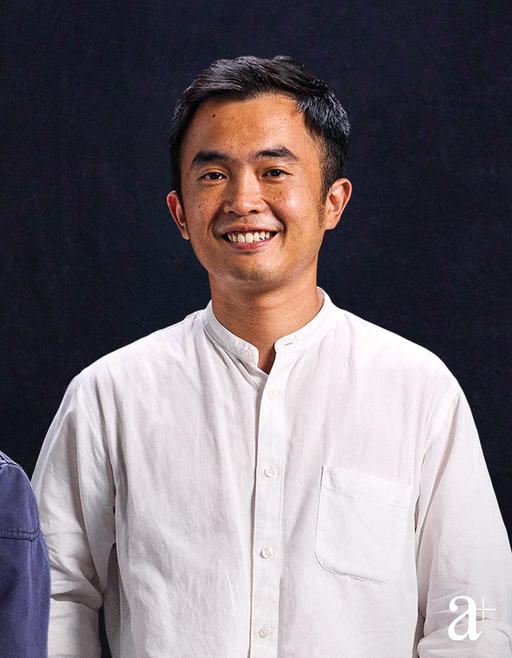
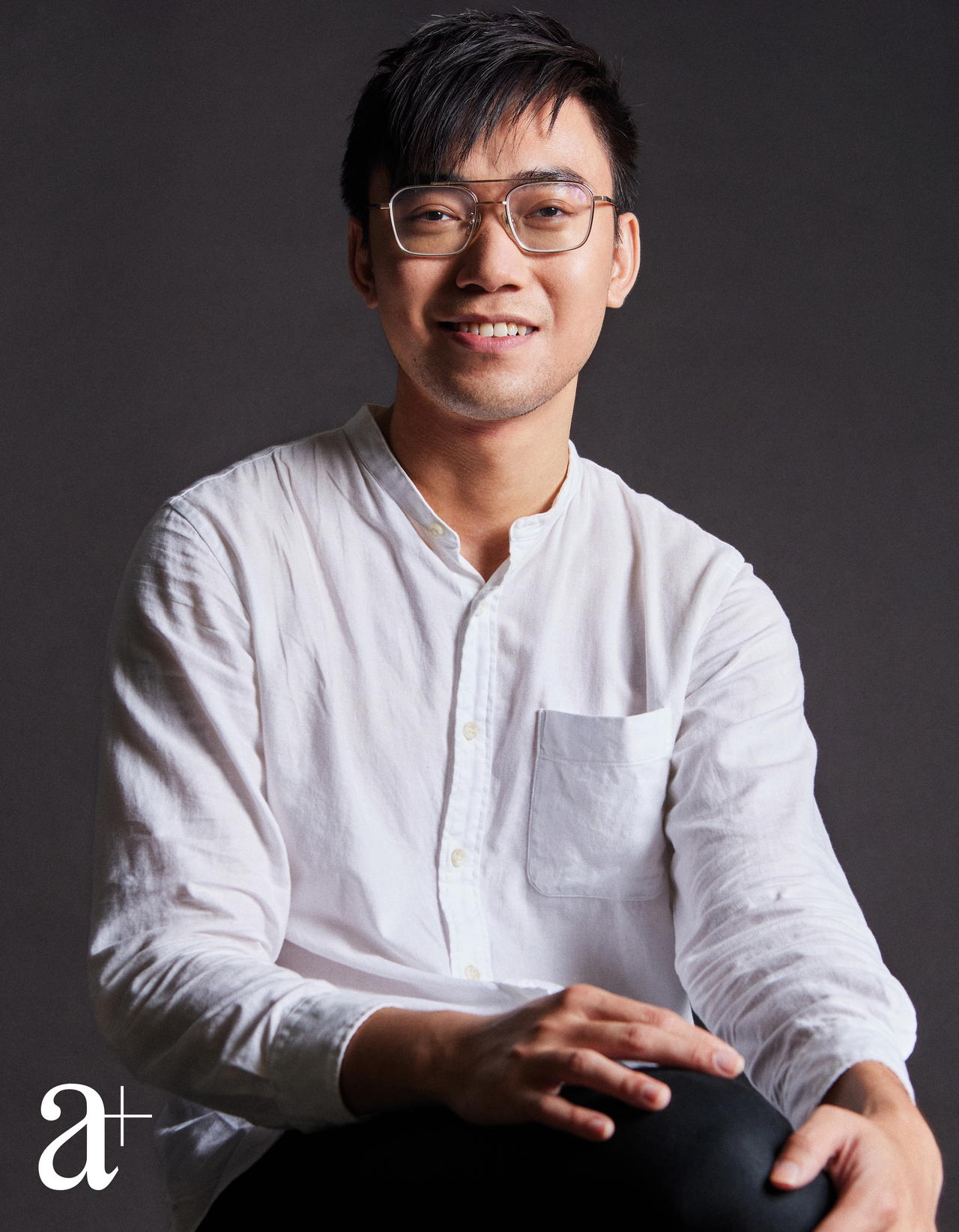
Kong Qi Herng first became aware of the systemic issue of food waste during his army days, when he was the “mess boy” responsible for ordering food for his unit.
The magnitude of the problem was not apparent to him until he studied pharmaceutical science at NUS Ridge View Residential College (RVRC). The RVRC programme is known for its focus on sustainability and community engagement.
The sheer amount of uneaten food discarded in the dining halls deeply affected him. His early environmental efforts, like biodiversity projects and coastal clean-ups, felt futile as the problems constantly resurfaced overnight.
In 2021, he participated in hackathon projects through the NUS Overseas Colleges Programme with Varden Toh and Lim Jia Wei. Their backgrounds in pharmaceutical science, mechanical engineering, innovation, design, and green technology enabled them to tackle complex problems. “We realised we work well together, and that led us to become serious entrepreneurs,” Kong says.
In 2022, they experimented with upcycling leftover rice into beer as part of their NUS capstone project. They discovered that for every two kilograms of rice upcycled, one kilogram of protein- and fibre-rich spent grain residue is produced. So, instead of throwing it away, they turned it into granola, which quickly became a hit with classmates.
This led to The Moonbeam Co., a food tech startup upcycling spent grains and coffee grounds into snacks like granola and cookies. In 2022, it was one of five winners of the DBS Foundation x NEA Hungry for Change Challenge.
Today, The Moonbeam Co. sources spent grains from local breweries and coffee grounds, turning them into high-fibre granola and cookies with unique flavours like mocha, kopi siew dai, and chocolate velvet. It also offers seasonal treats like Chinese New Year cookies and strawberry pumpkin seed shortbread for special occasions like International Women’s Day.
In addition to selling directly to consumers online, the company supplies office pantries to major tech and finance firms, including Google, and often gains new clients through referrals.
“One of them told us, ‘I didn’t even know tech companies existed’. We help them see beyond exams and scripts and develop the soft skills and maturity for the real world.”
Kong Qi Herng on going beyond solving food waste
Like any startup, The Moonbeam Co. faced initial obstacles. As well as convincing regulators to allow their product to contain by-products, it dabbled in proprietary techniques to transform the unpalatable texture of spent brewer’s grains into a tasty granola product.
Of course, it doesn’t help that in Singapore, “sustainability is a nice-to-have but not a selling point,” Kong points out. To overcome this issue, The Moonbeam Co. has positioned its products as more than just eco-friendly alternatives by highlighting their high fibre content, reduced sugar, and nutritional benefits. Last year, the company upcycled 950kg of spent grains, coffee grounds, and fruit peels into tasty snacks.
Kong is particularly proud of its new social impact initiative. Through The Moonbeam Co., disadvantaged youths, ex-offenders, and people with disabilities learn about sustainability, upcycling, and the entire value chain from production to sale in a workshop.
So far, it has trained 15 beneficiaries in partnership with organisations like Bettr Coffee and schools as part of its social impact ethos.
He remembers a moment he had when two youth trainees visited a tech company pop-up: “One of them told us, ‘I didn’t even know tech companies existed’. We help them see beyond exams and scripts and develop the soft skills and maturity for the real world.”
Curiously enough, Kong does not see himself as a typical entrepreneur. He sees business as a tool for advancing the field of food technology. His journey has reshaped his view of success, and he now finds fulfilment in defining his own path, drawing energy from global-minded, impact-driven entrepreneurs in South-east Asia.
A simple question serves as a guiding principle for his approach to running a sustainable business: “How often do we get to do what feeds our passion, and grow from it?’’
Photography Mun Kong
Art direction Ed Harland
Hair Crystal Loh using Goldwell
Makeup Sarah Tan using Shu Uemura