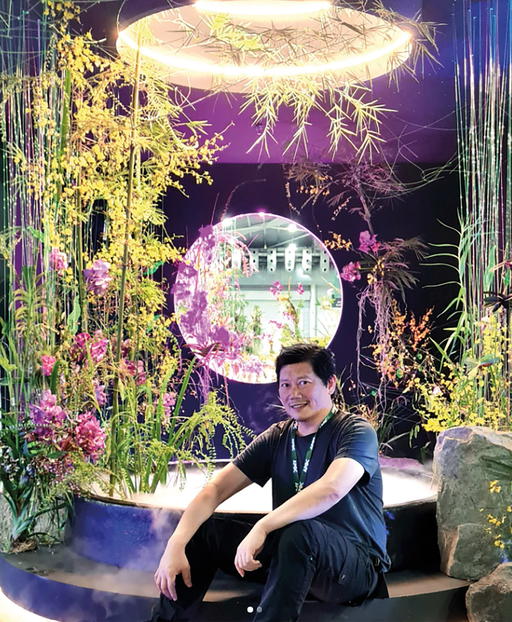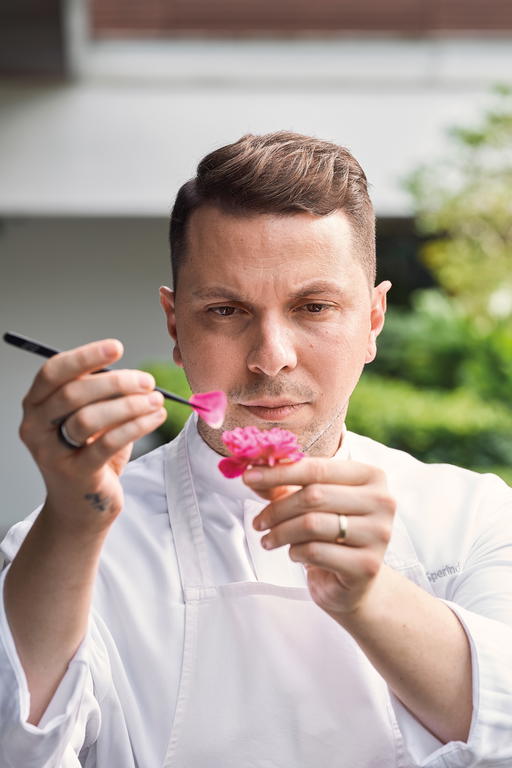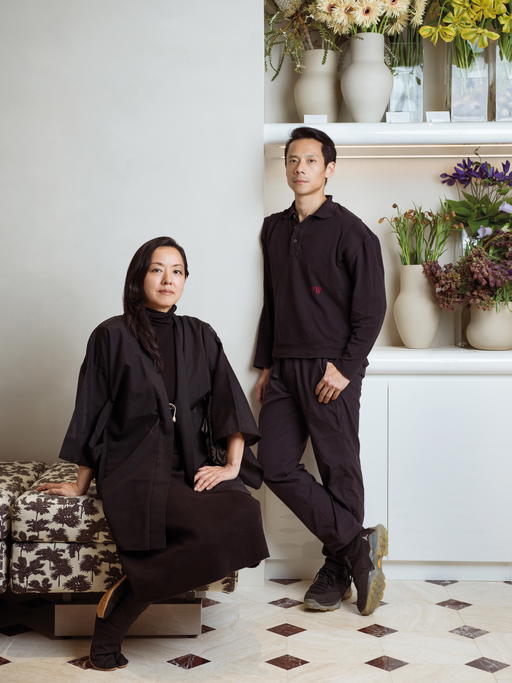
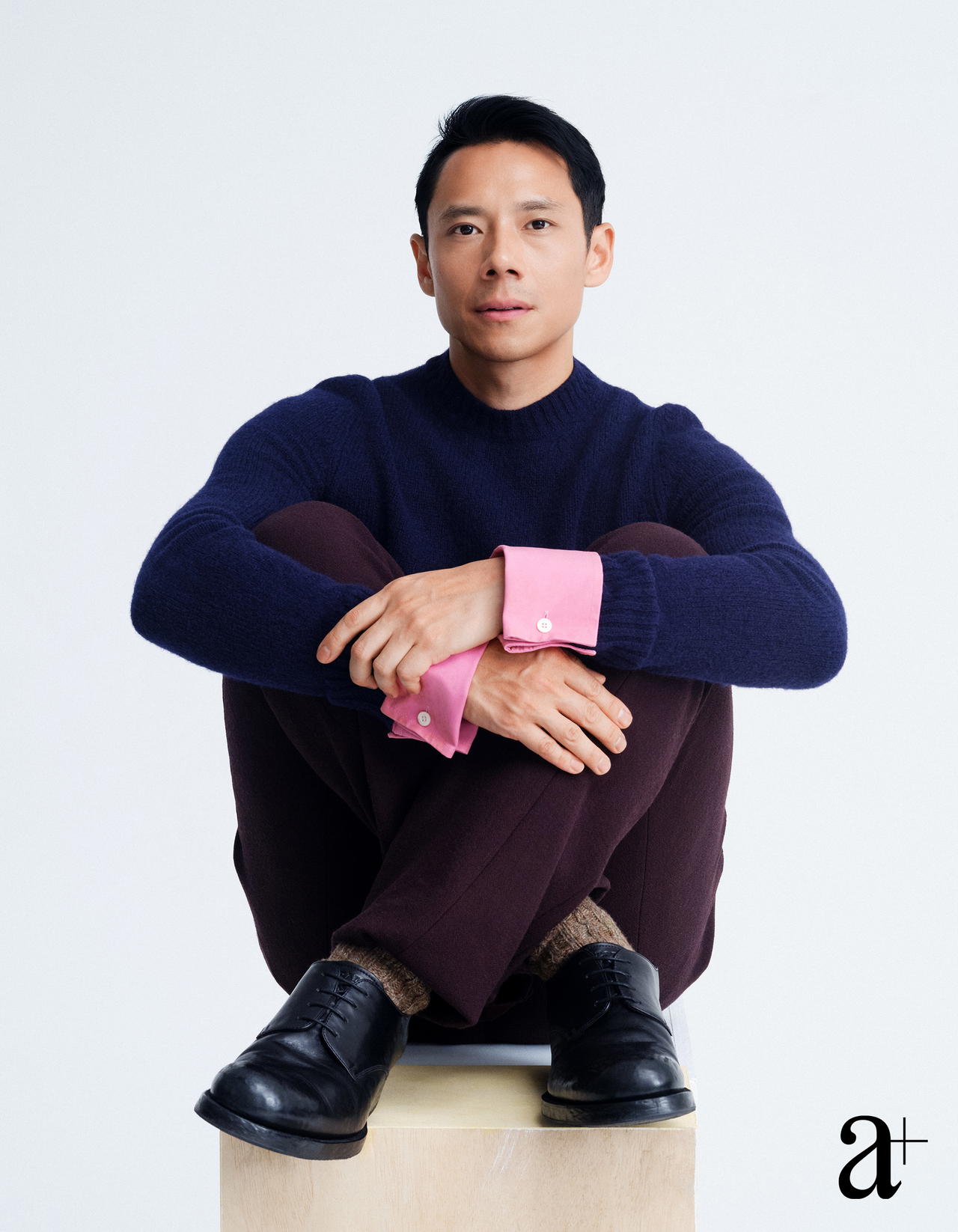
Imagination, curiosity, and a deep respect for place define the work of John Lim, founder and creative director of This Humid House, the award-winning botanical studio based in Singapore. A former architect, Lim has transformed flowers and plants into a storytelling medium—a botanical language rooted in culture, identity and landscape—through installations, education, retail and hospitality. His projects span destination weddings and collaborations with Hermes, Tiffany & Co., Cartier, and Loewe.
His work uses botanicals to explore history, memory, and place. In Ahmedabad, a wedding installation featured a river of cotton flowing between towering gates and a hand-built temple finished with bamboo, roses, and torn marigolds. At Singapore’s Old Parliament House, a live installation used sugarcane, oil palm fruit, and pineapples to examine the labour, economies, and politics embedded in everyday crops.
In 2024, This Humid House became the first Singapore studio to compete at the Flora International Flower Festival in Cordoba, Spain—widely regarded as the world’s leading contemporary floral art event—and won first prize. The following year, it became the first Asian studio invited to present in the Creative Spaces category at the RHS Chelsea Flower Show. For Lim, however, each project is simply another opportunity to ask new questions about people, places, and the stories nature can tell.
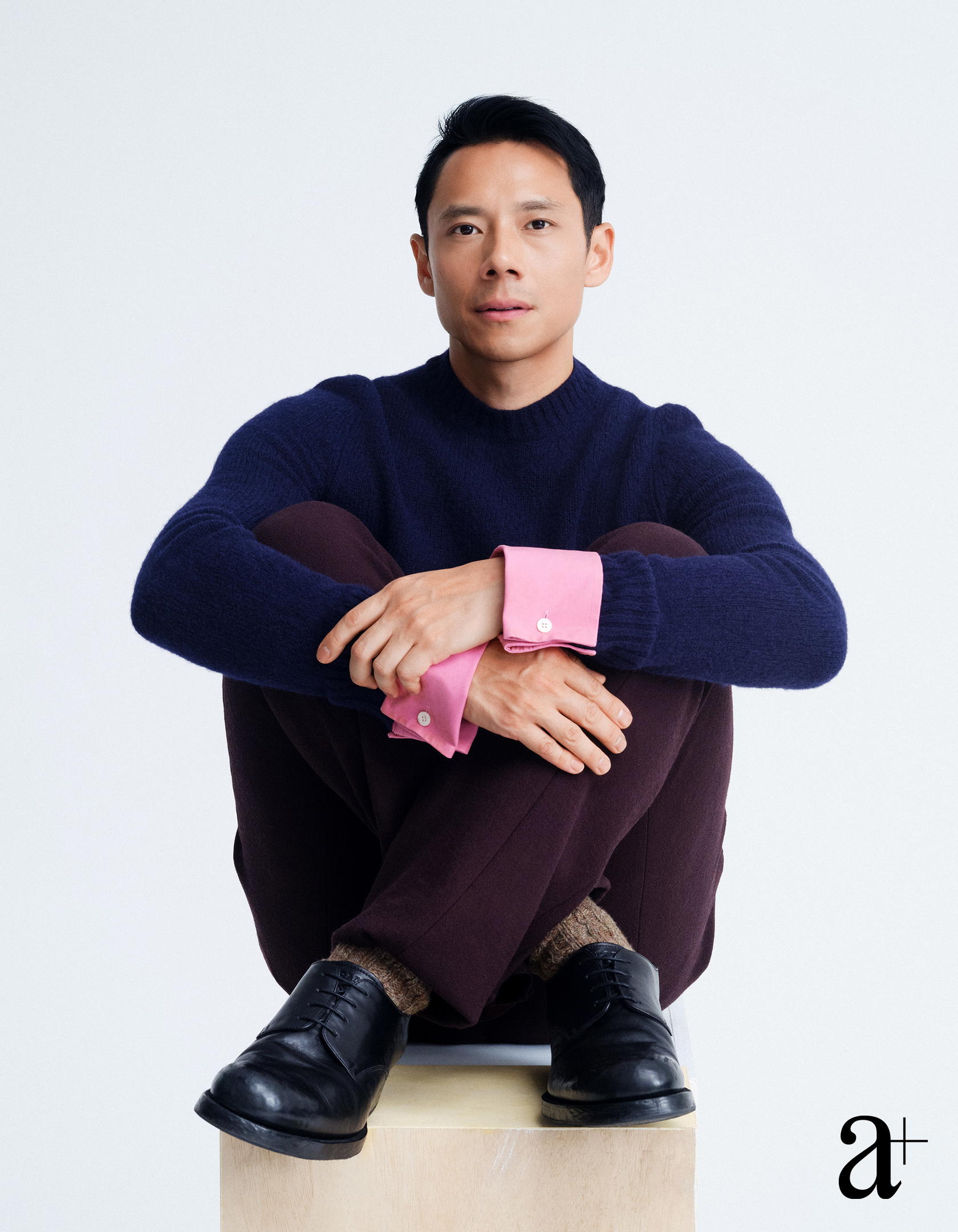
When did This Humid House’s botanical philosophy begin and how does it influence the materials you choose?
There wasn’t a single defining moment. Over the years, I came to believe that ideas of beauty are shaped by culture rather than universal. That’s why we’re drawn to unexpected materials— focusing less on whether something is considered precious and more on whether it belongs.
Being the first from Singapore to compete at—and win—the Flora International Flower Festival is a major accomplishment. In what ways did that moment mean the world to you?
Flora marked a shift in how plants were perceived. No longer merely decorative, they became active participants in the conversation. Winning mattered, but what stayed with me was realising we don’t have to translate ourselves into someone else’s language to be understood. By staying true to where we come from, we connect with people more deeply.
In terms of scale and execution, what was a recent wedding project that really pushed This Humid House?
One of our most memorable projects was a wedding in Bhutan, designed entirely from what the landscape offered at that time of year. We arrived just days before the wedding with no guarantee of which flowers would be available, sourcing materials directly from farms, gardens, and local growers. Every stem came from that landscape, making the celebration inseparable from its place.
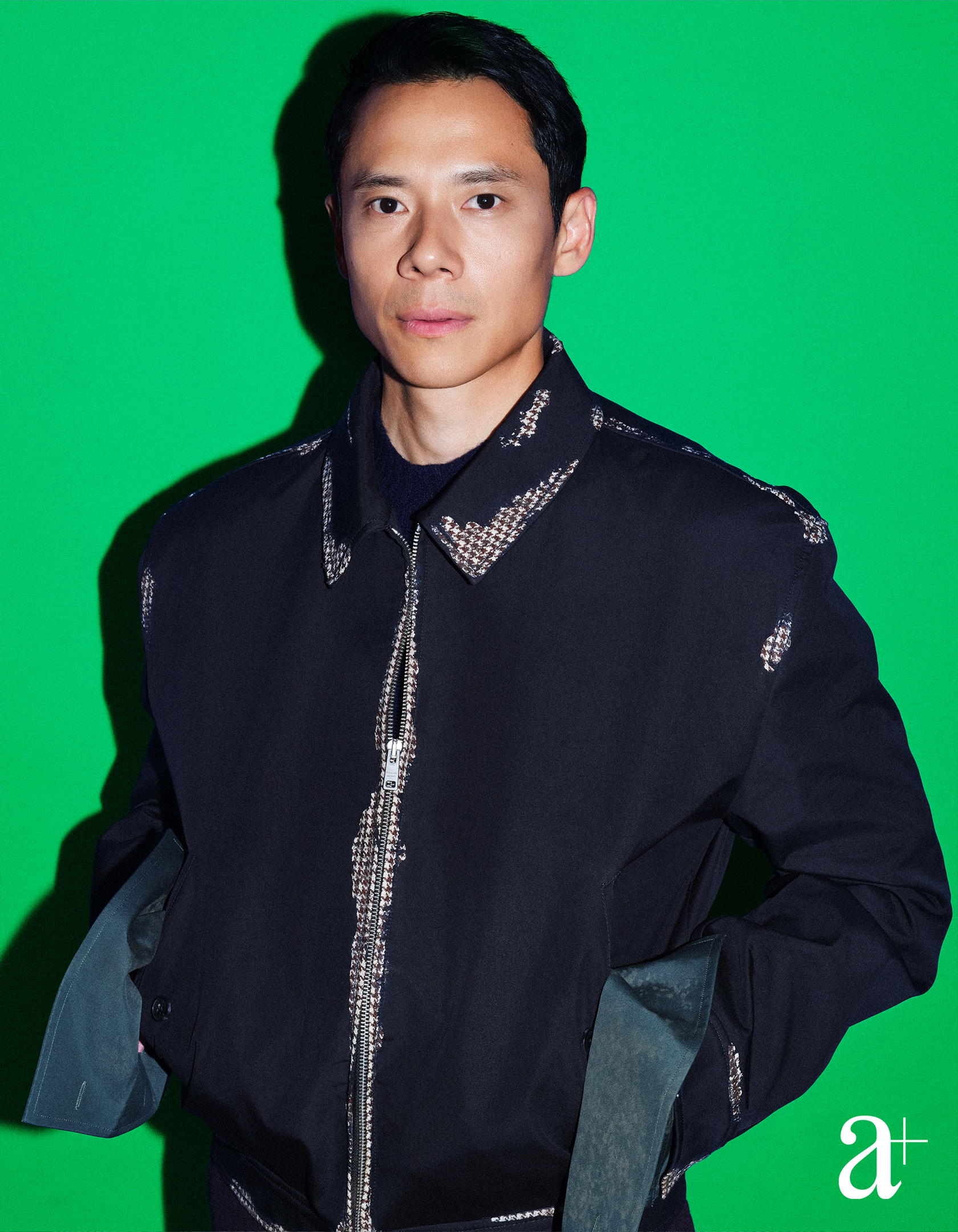
How are you approaching your expansion into China?
With a lot of humility. China is not a market for exporting Singaporean aesthetics—we are there to learn. Rather than assuming aesthetics and culture are the same, modern floristry there has evolved along its own path. Our approach is to pay attention to the local culture, ask questions, and stay genuinely interested.
Rather than focusing on spatial arrangements, your workshops have guided people towards self- introspection and expression. What do you hope people will find in that shift?
Teaching people how to think is more important to me than teaching them what to make. I want participants to pay attention to colour, rhythm, memory, and relationships instead of creating arrangements that look like mine. Rather than a style, we’re united by an approach.
Is there anything you have learnt about yourself from paying such close attention to plants?
Plants have probably made me less certain. Spending more time with them makes me not believe in neat categories as much. Unlike us, plants do not care about distinctions between natives and introduced species, beautiful and invasive, or cooperative and competitive. I’ve learnt to value relationships more than individual objects because of them. No plant exists on its own; it constantly negotiates with fungi, insects, weather, and people. I find that oddly hopeful.
Right now, what’s a question about plants or culture you’re grappling with that could inform your future work?
I’ve been thinking about what a “sense of place” means today. Due to technology, almost anything can be grown anywhere, so I’m less inclined to romanticise seasonality or authenticity. Perhaps authenticity has more to do with intentions, culture, or the relationships we build around plants than with where they are grown. It’s a question I keep returning to.
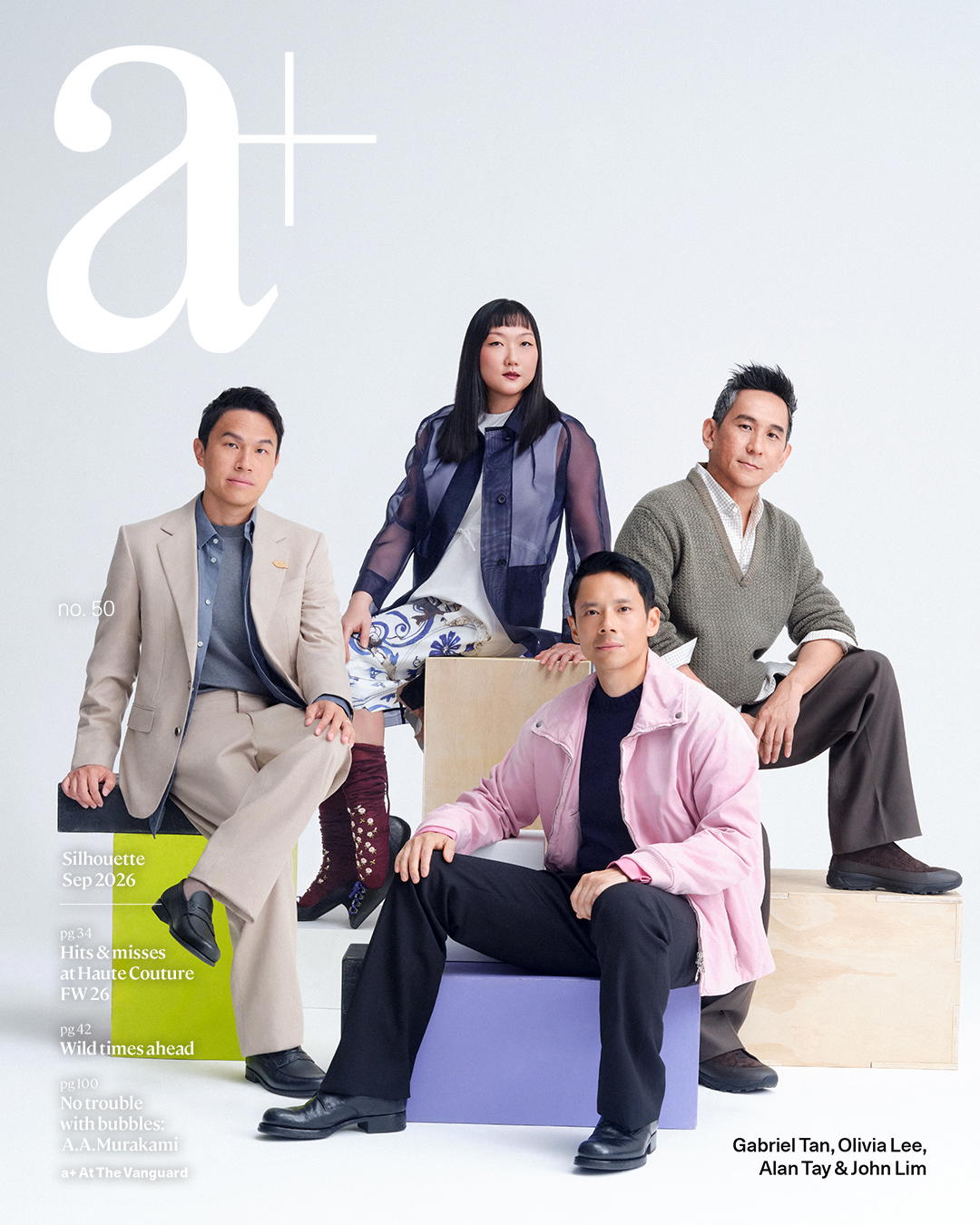
Photography Stefan Khoo
Styling Chia Wei Choong
Hair & Grooming/Makeup Aung Apichai, using Kevin Murphy and Tuft
Fashion assistant Megan Lim
Photography assistant Alif