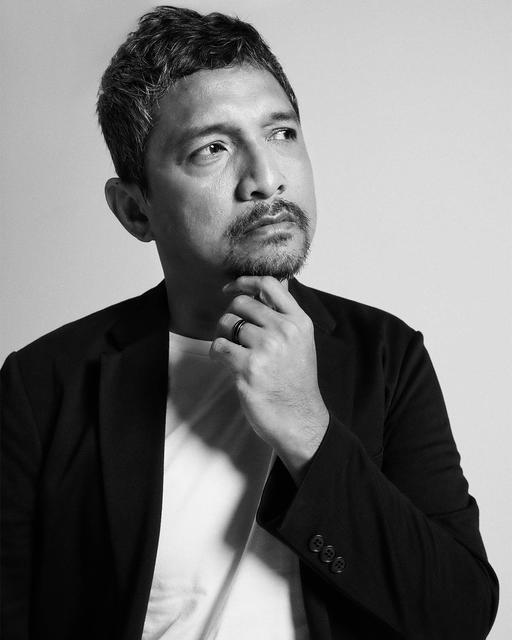

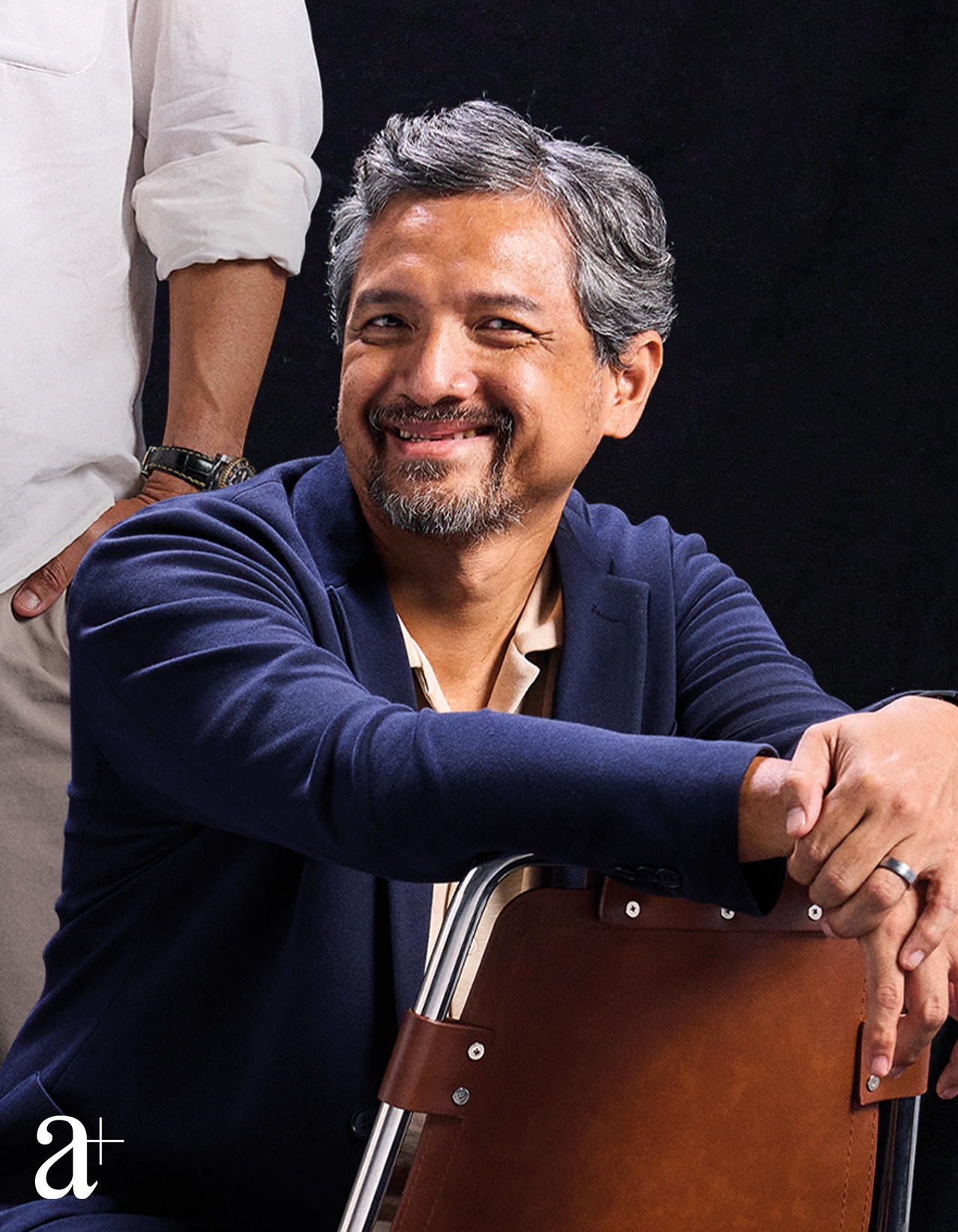
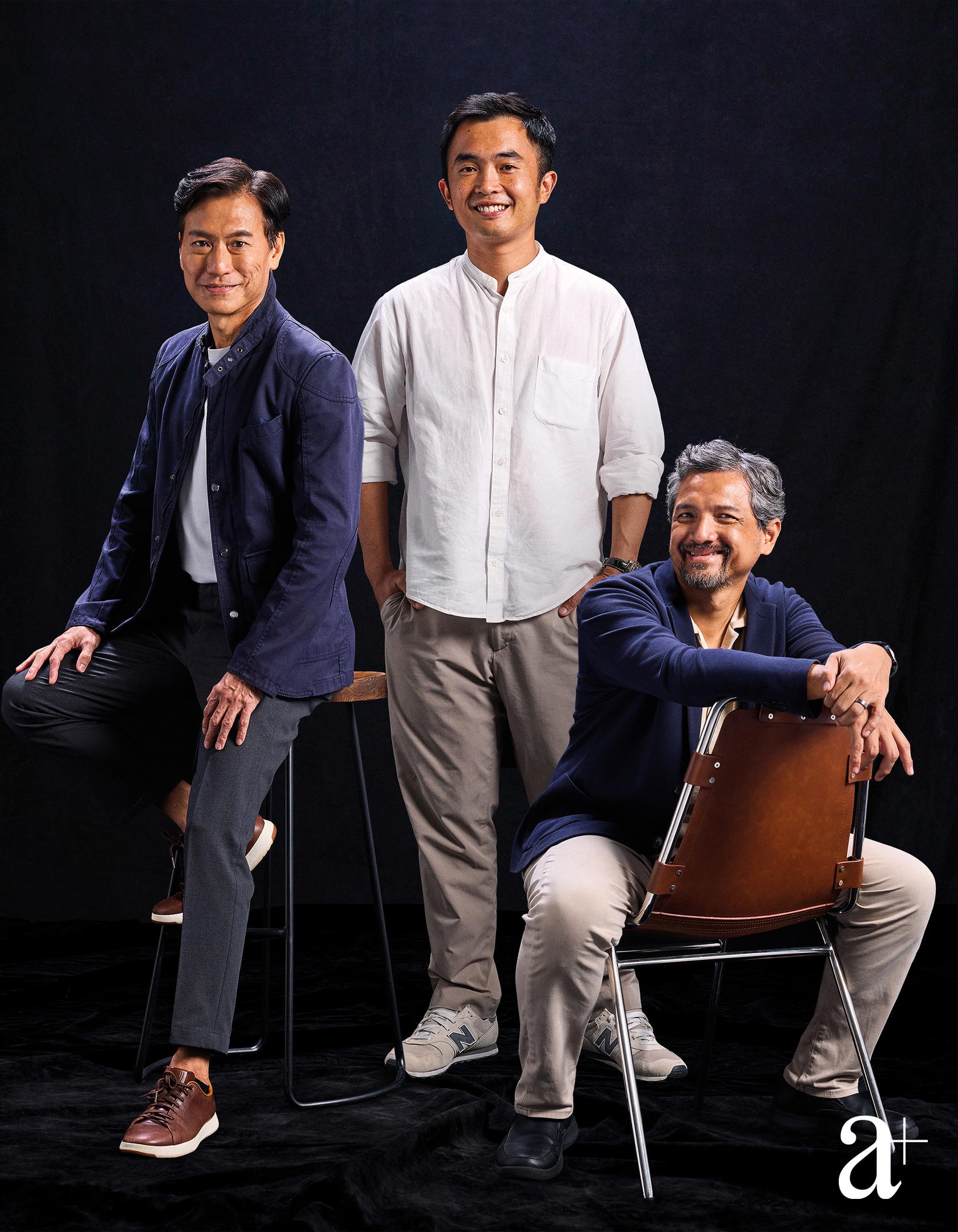
When we first met Johann Annur four years ago, he was pioneering humanitarian engineering as a founding member of Engineering Good, a tech and engineering charity. Although he has moved on, his commitment to the community has not wavered. In addition to his new position at one of Singapore’s oldest charitable healthcare institutions, he is a board member of the National Library Board and Project Green Ribbon, as well as Cedar Girls’ Secondary School’s advisory committee.
What drew you to healthcare and eldercare after years in the social technology space?
The ageing population is a looming tsunami that will be upon us sooner than we think. Singapore became a super-aged society this year, and by 2030, one in four Singaporeans will be at least 65. If we don’t pay attention, the sudden demand for resources could catch us unprepared. So when I had the opportunity to apply my tech background to innovation in this space, I jumped at the chance.
Both Engineering Good and Kwong Wai Shiu Hospital serve vulnerable communities. What connects these two chapters of your career, and what from your work at Engineering Good has proved unexpectedly valuable in healthcare?
Beyond the common thread of working for social good, the shift in focus has been more an evolution than a revolution. Serendipitous opportunities, coupled with the zeitgeist, drew me to aged care, but I’m finding that my skills, contacts and perspectives give me greater latitude in developing solutions and innovations.
Often, technology is discussed in terms of efficiency and innovation. What do you do to make sure the focus remains on the people?
No sector depends more on human-centred technology than senior care. No one wants a robot to change their father’s diapers. In this space, design thinking and user-centric approaches have become essentials. In addition to building consensus and achieving buy-in, frameworks ensure the solutions we develop are deeply requested and genuinely required.
In what ways has AI and digital transformation changed your outlook on digital inclusion?
AI has changed everything, but digital inclusion may be the most hidden impact. There is a pressing concern about AI taking over the roles of junior employees, forcing a shift in how we think about fresh entrants to the workforce. In reality, this focus ignores those who are just starting out on the digital ladder, or even those who are not on it yet. Getting them digitally ready has become more critical with the advent of AI.
If we were to have this conversation again in another four years, what would you hope has changed?
It is important to me that the non-profit sector receives the respect it deserves when it comes to remuneration for its professionals. There are several systemic issues caused by the current underpayment, not just the money. Two of them are the difficulty in attracting quality staff and the belief that a lack of pay justifies a lack of effort.
But honestly, from the bottom of my heart, in four years I just hope we’re playing in the World Cup. A man can dream.
Photography Mun Kong
Art direction Ed Harland
Hair Sarah Tan, using Goldwell
Grooming Keith Bryant Lee, using Laura Mercier
Photography assistant Hizaun Zailani