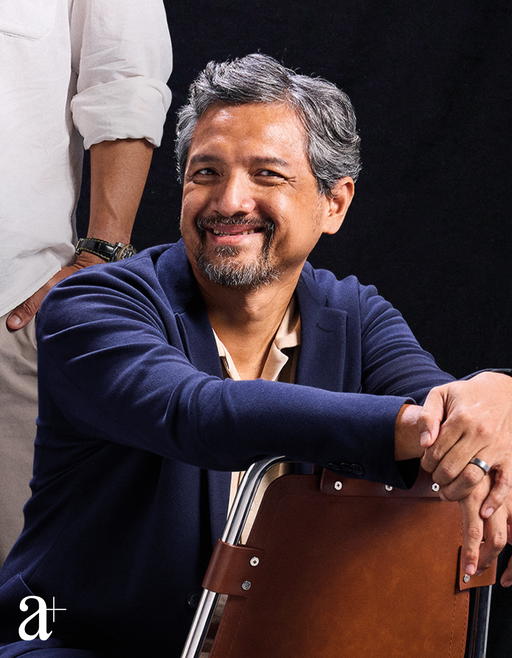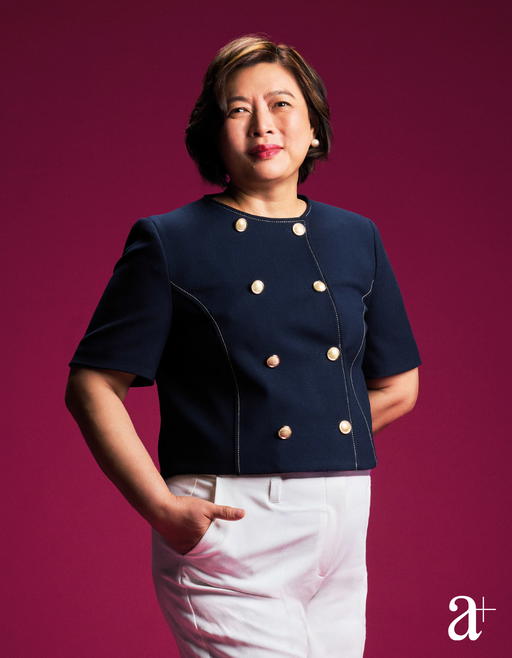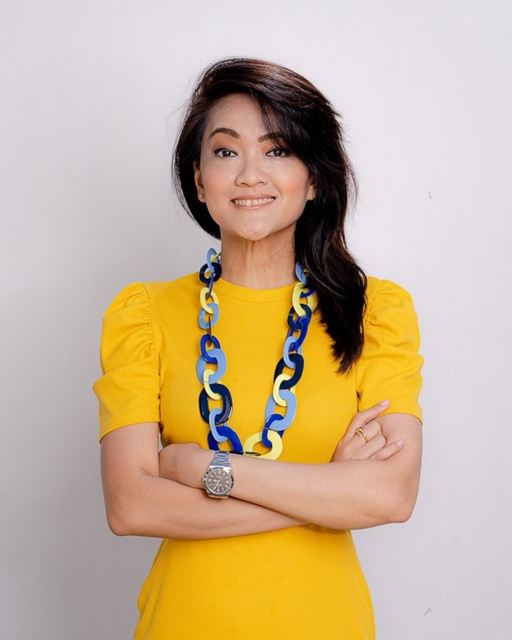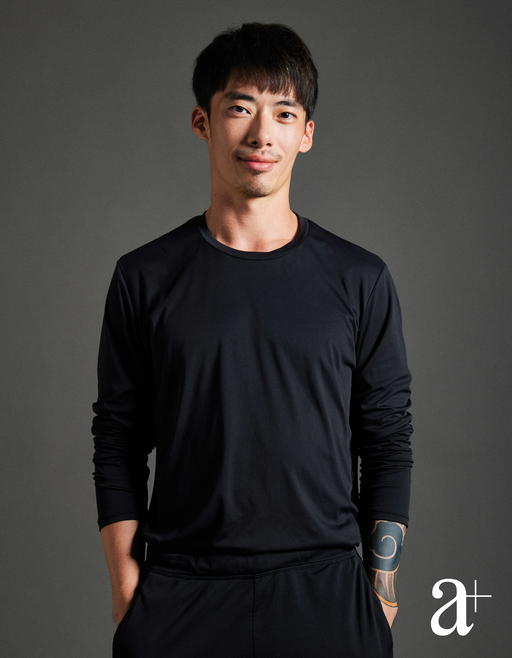
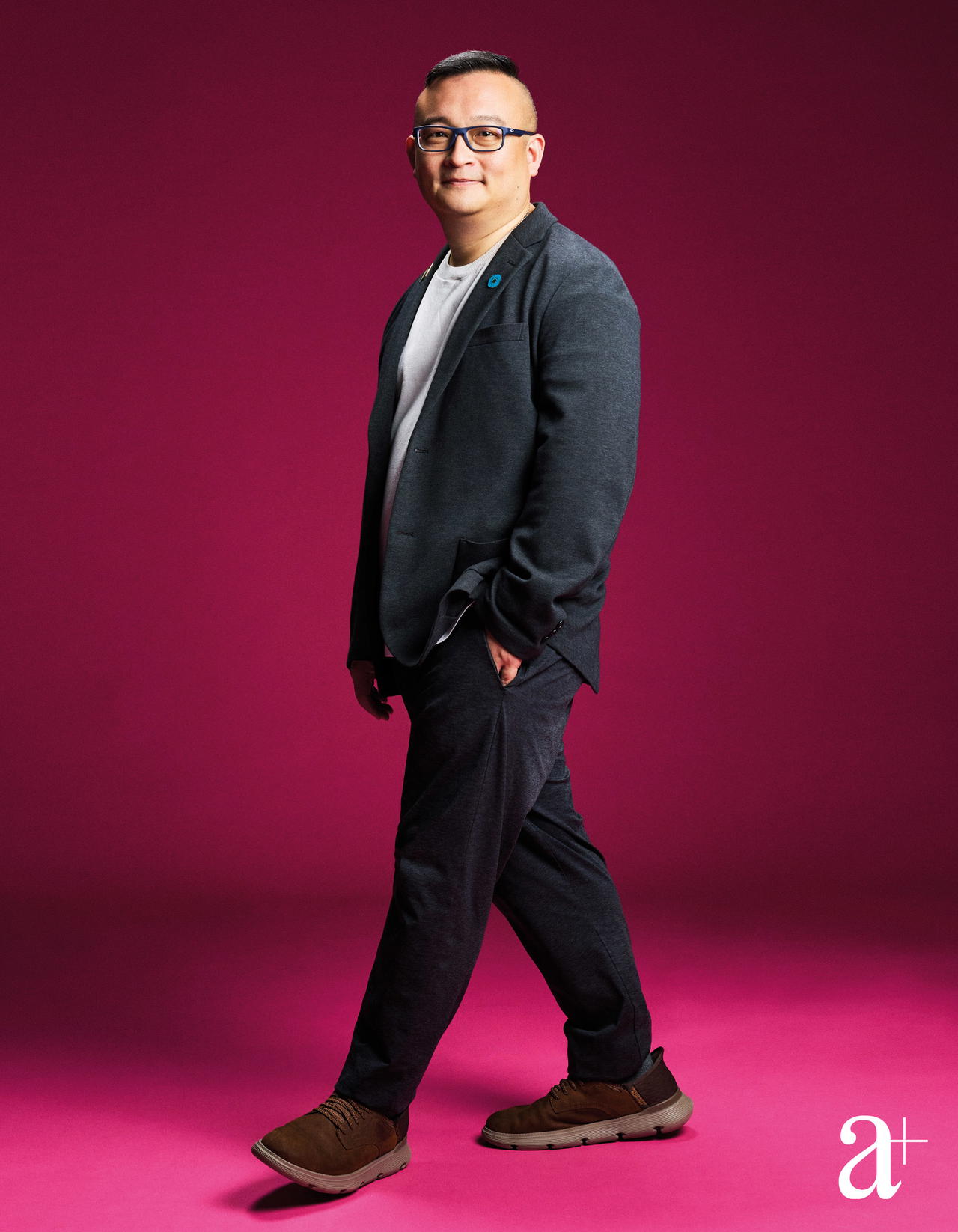
The hard truth is that Singaporeans often seek formal caregiving support only when their wheels fall off, says Greg Tan. While this reflects a culture of family resilience, it comes at the cost of extreme burnout. “The families navigating caregiving today look different from those of a generation ago. It is worth asking whether our support structures have kept pace. If not, what it would look like to build something that meets people before their breaking point,” adds the co-founder and CEO of SG Assist.
Launched in 2018, the social enterprise provides early, light-touch support to caregivers and empowers seniors and individuals with disabilities by leveraging technology and community assets. Its work spans four interconnected areas.
The first is senior empowerment. SG Assist recognises seniors as an underutilised asset and developed the Pathways programme to guide post-retirement progression through four stages: purpose, volunteering, micro-jobs, and re-entering the workforce.
Secondly, caregiver support. Its Caregiver Resource Centre in Nee Soon offers training courses, peer support structures, and practical frameworks to help people understand the caregiving journey. “We did not import a model from overseas and apply it here. We built our own and based it on what Singapore caregivers actually experience,” Tan explains. CareConnect, a tele-concierge service staffed by seniors, persons with disabilities, and caregivers themselves, complements these services.
Third, gerontechnology, which uses technology like AI, robotics, and smart sensors to improve the health and quality of life of older adults. As part of the Caregiver Resource Centre, the Age+ Living Lab allows seniors, caregivers, and the public to engage in experiential learning activities and tours designed to familiarise them with gerontechnology products and solutions.
Lastly, fostering intergenerational interaction through structured programmes that facilitate meaningful connections between seniors and youths.
Tan is quick to clarify that while technology enables SG Assist to operate at scale—whether with matching volunteers, managing referrals or tracking support—it is not a substitute for human connection.
“Technology gets us to the door, but a human being has to walk through it.”
Greg Tan on the irreplaceability of human execution
One of the organisation’s biggest challenges, Tan reveals, is persuading funders to recognise caregivers as a beneficiary group in their own right. The task of convincing stakeholders that caregivers carry distinct burdens—from mental and financial strain to identity loss—has been a Herculean task. “You’re not just pitching a programme. You’re making an argument about who counts.”
Another stems from SG Assist’s decision to operate as a social enterprise rather than a non-profit. This model allows it to occupy a space between social purpose and commercial sustainability while creating constant tension. “Every day, there is a balance between empathy and survival, like choosing between doing the right thing for a caregiver and keeping the lights on so you can be there for the next one,” Tan makes plain.
Even though Singapore has invested heavily in elder care and caregiving support, Tan believes the system remains too fragmented. “For someone in the middle of a caregiving crisis, navigating simultaneously between MOH, AIC, MSF, healthcare clusters, and community partners is truly overwhelming. The information exists somewhere, but finding it, understanding it, and accessing it in time is a skill most caregivers do not have, and should not need to acquire under duress.”
He compares SG Assist to connective tissue because the organisation knows the system well enough so caregivers don’t have to. However, even that role comes with its own risks. “Organisations like ours can become workarounds instead of catalysts for resolving structural problems. It should not be necessary for us to exist as a navigation layer. But we do, and we are glad to do so.”
Photography Mun Kong
Art direction Ed Harland
Hair Sarah Tan using Goldwell
Makeup Zhou Aiyi using YSL Beauty
Photography assistant Melvin Leong