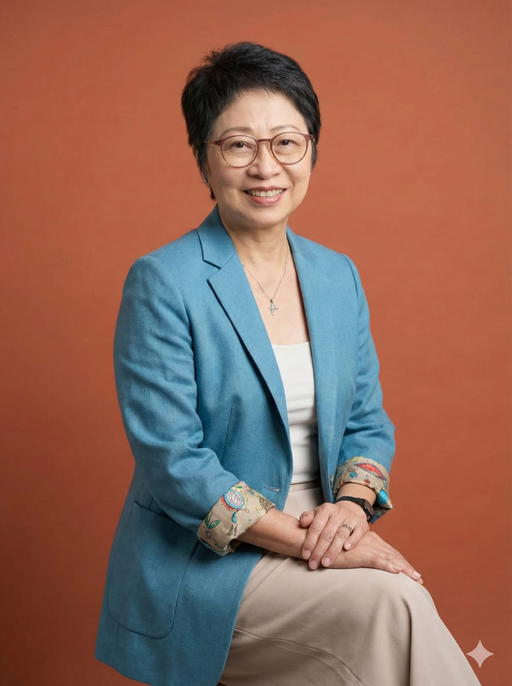
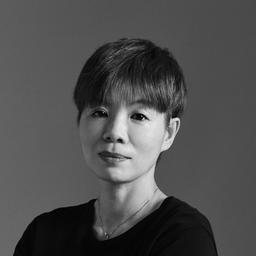
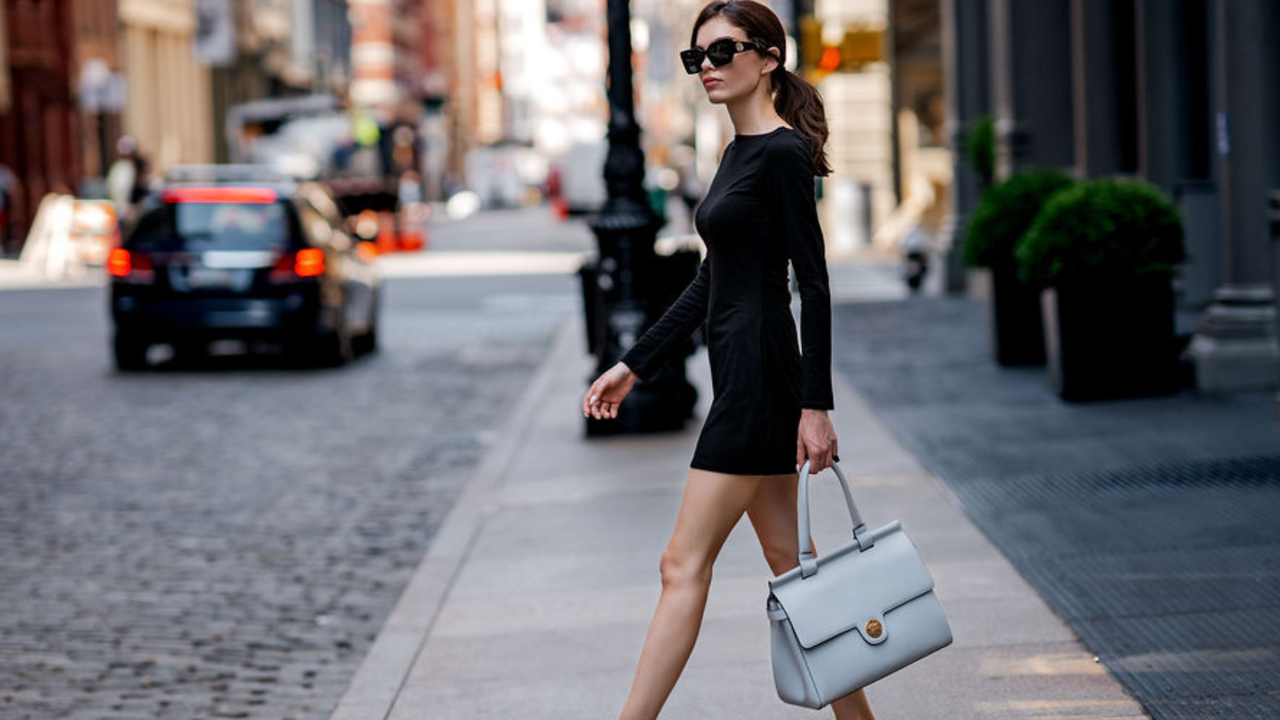
Singapore-born Joanna Lau traded forex on Wall Street for five years. For much of that time, she searched for a work bag that was both functional and professional.
Her laptop barely fit in her tote. When it did, her phone threatened to scratch it, and her pens, name card case, and lipstick mysteriously vanished. “I wanted a men’s briefcase tailored to women,” she says with a laugh. This led her to design her own. The bag, which she christened Emma 37, fits a 13-inch laptop.
In 2016, after quitting her job at BNP Paribas, she launched her brand JEMMA as an online business in New York. “I didn’t want this to be a side hobby,” Lau adds, “I wanted it to be a real career.”
JEMMA is now a multimillion-dollar business, with the US accounting for 85 percent of its customers. In August, Lau debuted the brand in Singapore, with a pop-up at Tangs running until 30 September.
How did Jemma become a business opportunity?
While working in banking and finance, I struggled to find a work bag that suited my needs. Most were big, heavy, and masculine. Women’s fashion brands offered options, but they were too cute for my workplace. It got me thinking about a gap in the market: women were building successful careers, yet their accessories couldn’t keep up. So, I started designing a women’s work bag.
But you didn’t train as a handbag designer.
The only knowledge I had was a three-week fashion and apparel design course at Parsons School of Design and an internship at Tommy Hilfiger. The process was like piecing together a jigsaw puzzle by myself. I’d planned to do an open tote but dropped the idea after my phone was stolen in New York.
Once I decided on the design, I had samples made. With no background in manufacturing, I visited Italy to find leather suppliers and China to find factories. I got family, friends, and even strangers to test the samples, and used their feedback to refine my designs. For example, the handles of our bags are padded and sit flat so they don’t cut into and hurt the shoulder. [Smiles] Some of the feedback was brutal but that’s part of the process.
How did your finance background influence your business decisions?
It helps me to understand and control cash flow better. I started JEMMA using only my savings, without loans from family or friends. I was extremely careful about spending money; I would not produce more if I could not afford it. Everything I earned went back into the business.
I also didn’t spend on advertising because I wanted the business to grow organically. I learnt to be very patient; growth at all costs can kill a business. The turning point came when an influencer posted a TikTok video about our bag. It attracted 10 million views! That generated a lot of interest from the US and overseas.
You could have launched Jemma in Singapore. Why did you choose New York?
I was actually based in Singapore when I conceptualised JEMMA. It was easy for me to fly from here to China to visit factories. But I wanted to test it in the world’s largest market. In my mind, if it didn’t stand there, I wouldn’t have a business. People there are very outspoken; I knew very quickly how they felt about things.
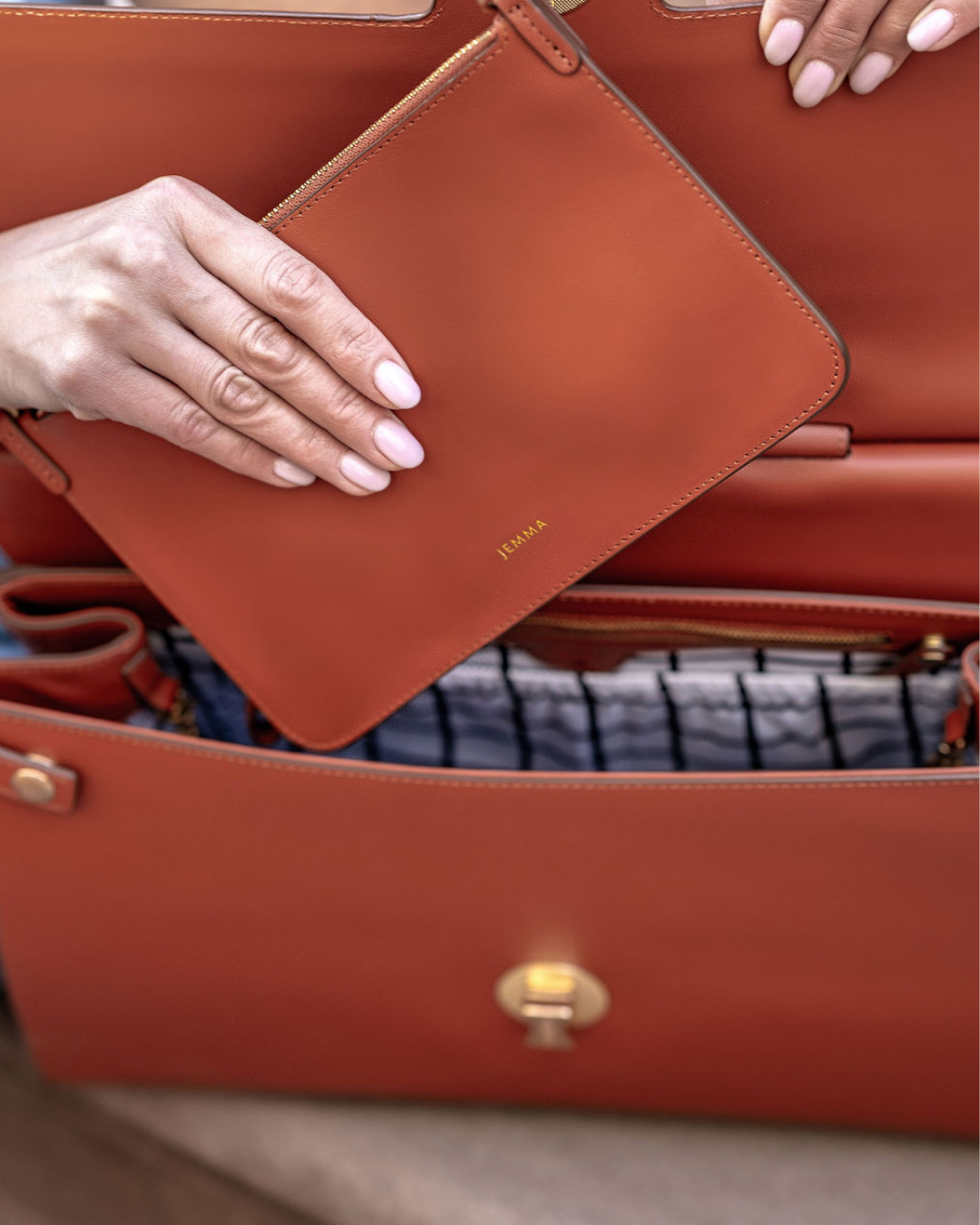
For example, I initially produced only Emma 37. Then people shared they needed this and that. I was nervous about doing different sizes, but that inspired me to reevaluate the design. We now have Emma in 32 and 39. The latter holds a 16-inch laptop, comes with shoulder and crossbody straps, and has a detachable pocket that doubles as a clutch.
JEMMA is also one of the few brands in the US without a return app. Instead, our customer support team follows up whenever someone is unhappy with a bag. Understanding such negative feedback is crucial for us.
Why is it the right time to introduce Jemma to Singapore?
I’ve grown the brand to a point where I am comfortable with it and how well the collection is doing. Also, I feel that consumers here can better afford and appreciate the value of our bags. I want to continue building JEMMA into a global brand, and the pop-up will allow us to understand what people here are looking for. Oh, what’s next? How about a new backpack for women?