
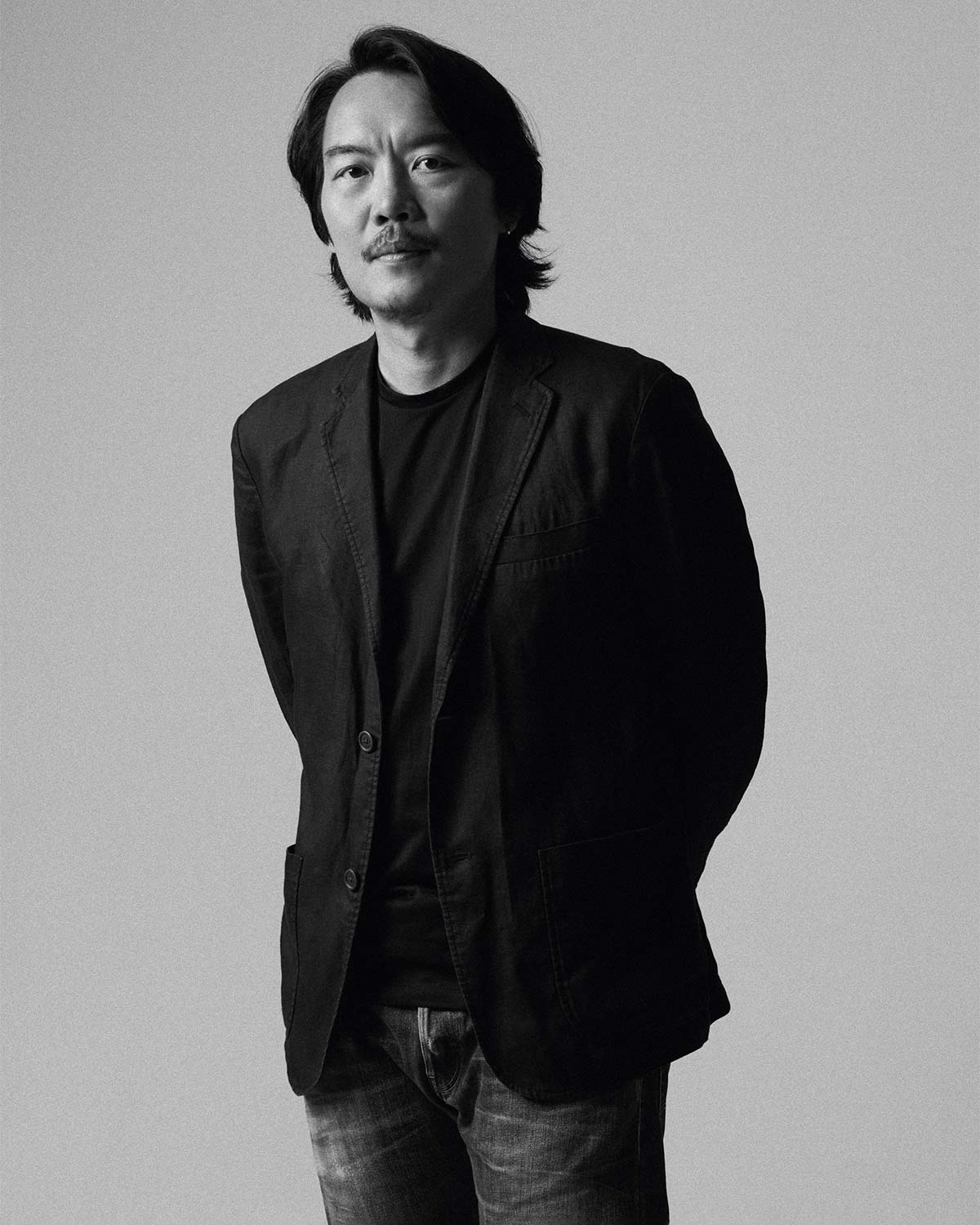
With three decades in the field, The Activation Group (TAG) fast-tracked from a local technical firm into a regional brand communications powerhouse with offices strategically located throughout Asia.
Specialising in brand visibility, the company recently set out to create a purposeful impact beyond commercial success, and so tasked its business director James Yeong with establishing Greenbees, a think tank and consultancy devoted to green solutions. “Ultimately,” Yeong says, “it’s about maximising customer engagement while minimising our impact on the planet.”
The keyword is ‘green’, as in ‘ecologically friendly’. Initiatives borne from Greenbees need to provide strategic communications and business solutions that inspire greencentric corporate and community mindsets and actions.
The latest project is the Great Green Run (GGR), a mass sustainability-themed sporting event designed to encourage individuals, corporations, and communities to take action towards a more sustainable future. With plans to have future (concurrent) runs in Sarawak, Philippines, Bhutan, and Lahti, Finland, the inaugural run in Singapore, slated to take place in September this year, is positioned to become an annual event.
“Running itself is as sustainable as it gets. It has a relatively low environmental impact and it builds communities—running and spending time with people[…] outside of personal social circles.”
James Yeong explains the rationale behind the Great Green Run
As part of the 17 Sustainability Development Goals enacted by the United Nations, the GGR is well positioned to achieve these goals: good health and wellbeing (the third pillar); sustainable cities and communities (13th pillar); responsible consumption and production (12th pillar); and climate action (13th pillar).
Each race participant must pledge towards one of the four sustainability pillars, which fosters a sense of commitment.
Yeong says the GGR is designed to be “one of the most sustainable runs in the region”, adding that it will be the first mass sporting event to voluntarily measure and report on our carbon footprint.
He lists the eco-measures for the race: eco-friendly transportation; sustainabilitycentric vendors and partners; reduced plastic and paper use; and the serving of organic and locally sourced produce.
Looking to Bhutan and Lathi as sustainability role models and international collaborators, all the GGR medals will be sustainably produced by Bhutan, while the latter will share learnings with the GGR regarding its sports-based sustainability initiatives.
While Yeong does not see himself as a sustainability activist, he does consider Greenbees a passion project. “On a personal level, I take public transport almost all the time and will, more often than not, carpool.” He also recently became concerned about the increase in the one-time use of plastic water bottles after reading an article.
“A million bottles of water are sold every minute around the world and the numbers are expected to rise.” Since then, Yeong has carried his own water bottles.
As the sustainability movement continues its momentum, Singaporeans still face challenges in adopting greener and more sustainable lifestyles.
Yeong cites the lack of understanding and appreciation of sustainability as a significant challenge. “There are several reasons why Singaporeans do not adopt green practices, including cost and inconvenience, as well as difficulty maintaining sustainable habits.
“Having Singaporeans properly engage in an encouraging, educational, and entertaining way can lead to positive lifestyle changes.” That’s where Yeong hopes Greenbees will help.
Producer: Adora Wong
Art Direction: Ed Harland
Videography: Isaku Lim and Zachary Chia
Photography: Cher Him
Photography Assistant: May Chong
Styling: Chia Wei Choong
Hair & Makeup: Aung Apichai