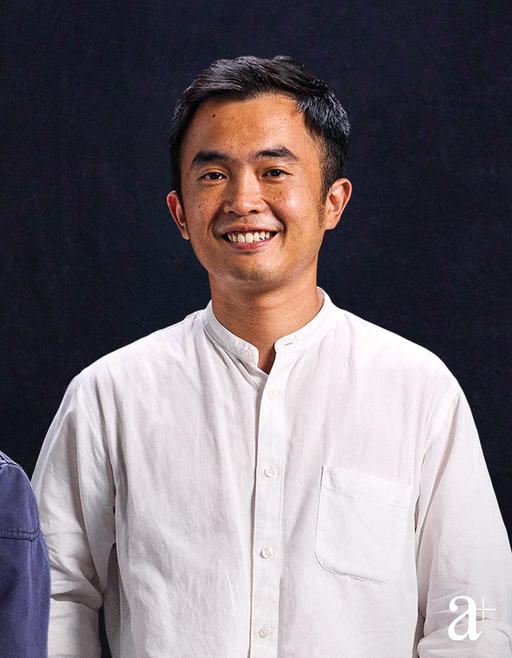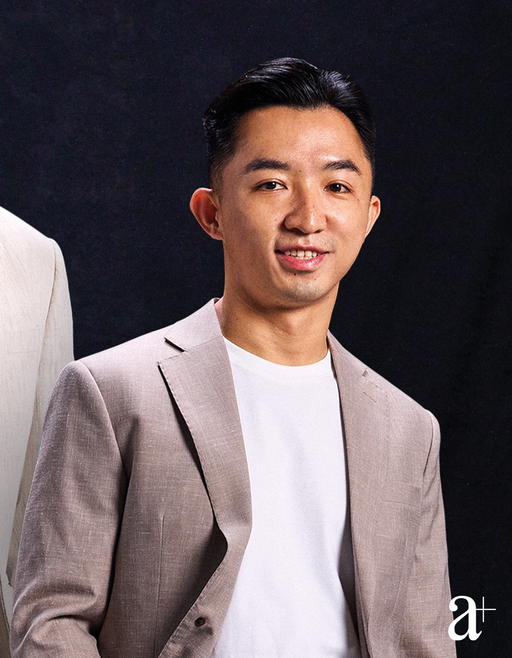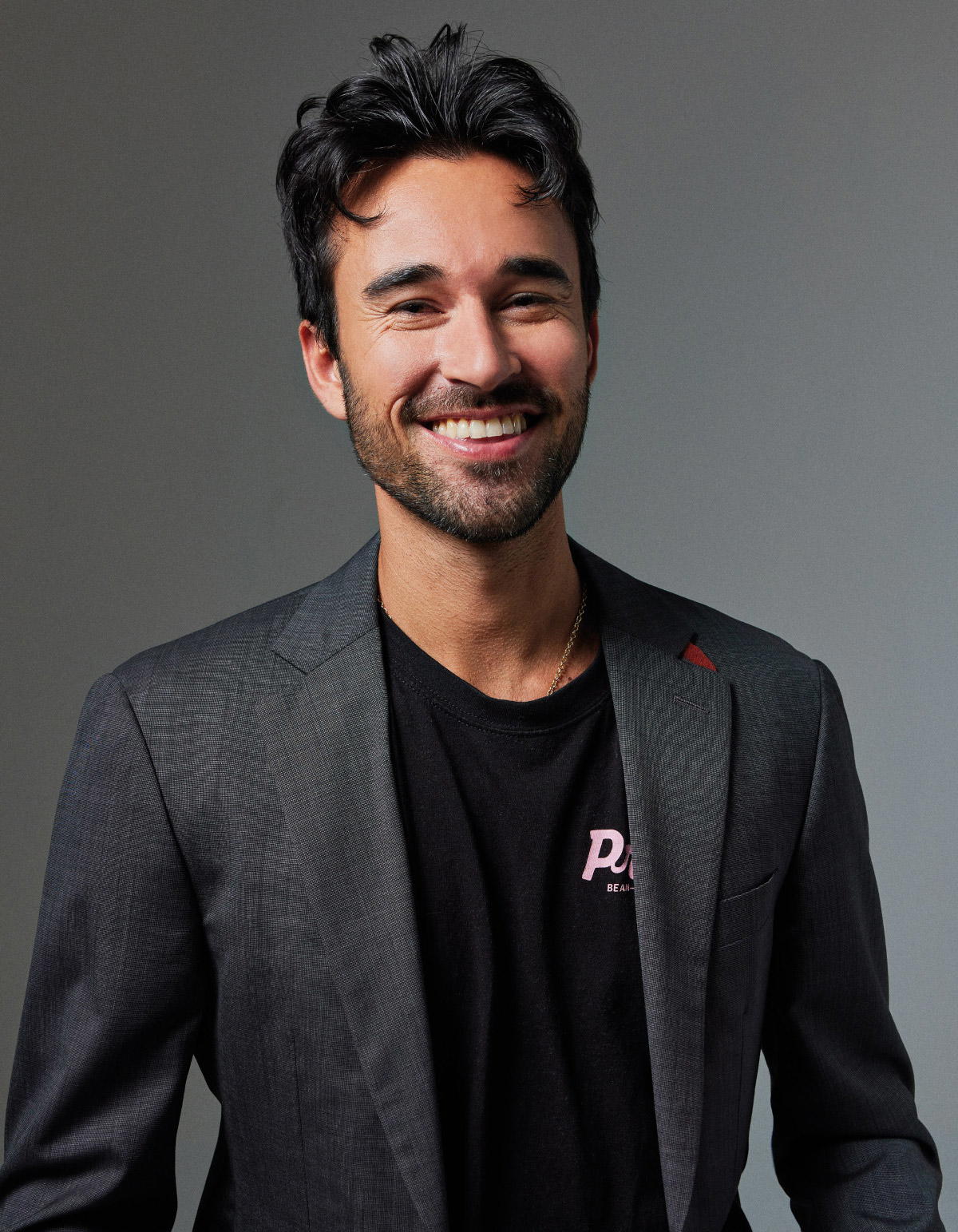
As the 26-year-old CEO of Prefer, Jake Berber has already had plenty of experience with the Singapore entrepreneurship scene. Originally here for just a few months from Tel Aviv to finish his MBA at NUS, he stuck around for a much longer time. While participating in Entrepreneur First, an investor programme to support individuals building technology companies, he met Ding Jie Tan (DJ), a food scientist looking to start a food tech venture.
They realised they shared a belief that fermentation technologies can create affordable, delicious, and sustainable foods. “We decided we would focus on coffee first since it is a widely consumed commodity that is constantly gaining popularity. We also learned that coffee is both threatened by and contributing to climate change.”
From the whole process, Berber believes he learned the importance of starting a company only when a real problem needs to be solved. Before jumping into business, he and DJ leveraged the latter’s connections in Singapore’s F&B industry to assess their chances of success. “We talked to industry experts, business owners, and friends to get their opinion,” he recalls. “
“When they told us they would purchase bean-free coffee, provided that it was delicious, affordable, and would not require any change to their operations, we knew there was potential for something bigger.”
The partners officially launched Prefer in February this year. It specialises in fermenting bread, soya beans, and barley. Coffee-like flavours and aromas are produced when microbes break down the end product at specific temperatures, timings, and pH levels. “The most common feedback is that our coffee tastes similar to a nutty, chocolatey brew,” says Berber.
To acquire the raw materials they need sustainably, Prefer works with Gardenia, Mr Bean (the soya bean franchise), and local breweries like The 1925 Brewing Co. and Brewerkz to get the ingredients.
Prefer’s bean-less coffee can already be found in cafes such as Dough, Brash Boys, First Story Cafe, Foreword Coffee Roasters, SaladStop, and Parched by Parchmen.
Berber, however, is realistic about replacing coffee beans with his bean-free product at least for now. “I do not believe sustainability alone will make consumers give up coffee beans. But having a choice is a good start. As the price of coffee continues to rise because of less suitable farmland, there may come a time when more drinkers and businesses will seek affordable alternatives with a stable supply. It’ll also be an easier switch for customers if the product is great tasting, works exactly the same as coffee, and there are varieties to explore.”
Currently, Berber estimates that Prefer’s coffee produces around 10 times less CO2 than traditional coffee beans. The response has been good so far. “We’re just getting started, but consumers, the industry, and the media are already interested,” he notes. “This shows that we’re on the right track with something that’s meaningful.”
Berber and DJ plan to focus on Asia for the next 18 months, with plans to take Prefer to the Philippines this year and the US in 2026. By his definition, success could come sooner. “For me, success is simple. It’s when our customers tell us they love the product,” he says. “In 10 years, we’re hoping Prefer can future-proof ingredients that rely on traditional farming by leveraging fermentation to reproduce those flavours in ways that are affordable and sustainable, while remaining delicious.”
Producer: Adora Wong
Art director: Ed Harland
Videographer: Alicia Chong
Photographers: Mun Kong & Cher Him
Photographer’s assistant: RJ Teo
Hair & makeup: Aung Apichai using Gucci Beauty & Kevin Murphy
Hair & makeup (Denica Riadini-Flesch): Dorcas using Dior, Nars, Milbon & Tigi Bed Head