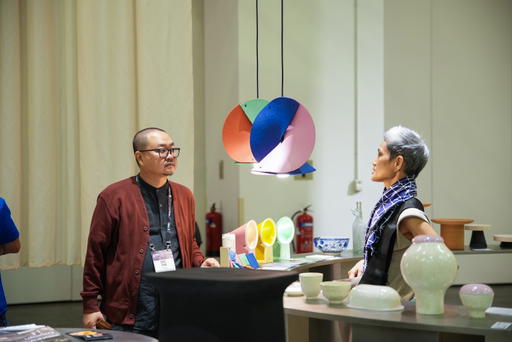


Good design is a strategic asset. Positioning user experience and innovation at the core of their business models has allowed companies like Singapore Airlines, Hegen, and Razer to build global reputations, says Hong Khai Seng. In the public sector, design has also made an impact with apps and services like TraceTogether, Parking.SG, and healthcare experiences.
In his role as President Elect of The Design Business Chamber Singapore (DBCS), Hong helps designers and advocates for design as a key business strategy. He is also the Founder of Studio Dojo, a transdisciplinary strategy, design and innovation practice that aspires towards transformation and transcendence.
This is accomplished by supporting culture change in a government ministry or leading a multidisciplinary team to create a non-labelling youth well-being centre in the middle of Orchard Road. “It’s like mixing red with blue and getting a completely different colour. Purple gives a different mood from red and blue and is used in different situations. It transforms into something else entirely,” Hong analogises.
In his opinion, designing for good means creating with a purpose beyond profits and advocating for underrepresented voices, as well as protecting the planet. It is for this reason that DBCS organises the Singapore Good Design (SG Mark) Awards to shine the spotlight on inclusive designs such as the Silver Pride Lion Troupe, a Platinum SG Mark winning initiative which helps the elderly or disabled navigate daily life with dignity.
In addition, DBCS has partnered with the National Council of Social Service to recognise design projects that aim to alleviate some of the challenges Singaporean youths face. The entries ranged from mental wellness campaigns to apps supporting emotional resilience, and finalists received seed grants of $10,000 each.
“This initiative was not about awarding the best idea, but about helping the best idea create a lasting impact with the youths they serve. The Singapore Design Awards exemplifies how design thinking can tackle societal challenges by deeply engaging with the affected communities and those who are actively serving them.”
Hong Khai Seng on the role of Singapore Design Awards
Although Singapore’s design ecosystem is growing, thanks to our educational institutions and a rising awareness of the value of good design, there is still a need to nurture, attract, and retain talent, especially in emerging fields such as strategic design and systems thinking. In Hong’s experience, even though Singapore is a small market, our designers can meet the needs of global customers.
As it stands, MNCs such as Dell have a large team in Singapore that designs products for the whole world. “The world is our oyster and we have to think big and beyond our borders, starting with how we educate and train designers,” he says.
It helps that the DBCS also focuses on a long-term strategy of developing regional and international platforms where designers can learn from and contribute to the global design community. Hong points to its collaboration with Taiwan International Student Design Competition (TISDC) as an example of how it engaged local design students with a broader international design community.
He has three tasks to complete as the new captain of the ship. To begin with, build and strengthen ties between academia, the government, and the private sector for designers and businesses. Second, create stepping stones through a series of platforms that will give designers more opportunities to showcase their work. Finally, invest in promising and upcoming leaders and middle managers.
“They are the lifeblood of the industry, supporting juniors and translating the vision for their seniors. Oftentimes, they may not have the right support or skill sets, so I’d like to create a rigorous programme that can help develop these talents into the leaders of tomorrow.”
Photography Mun Kong
Art direction Ed Harland
Hair Yue Qi, using Ghd
Makeup Sarah Tan, using Shu Uemura
Photography assistant Alfred Phang