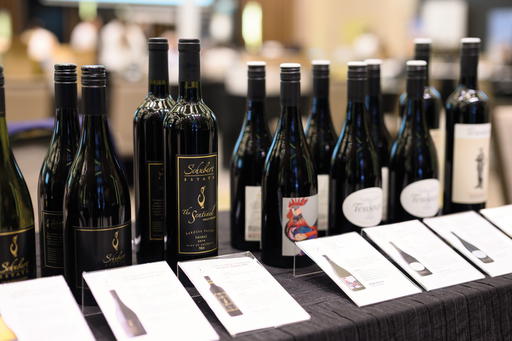
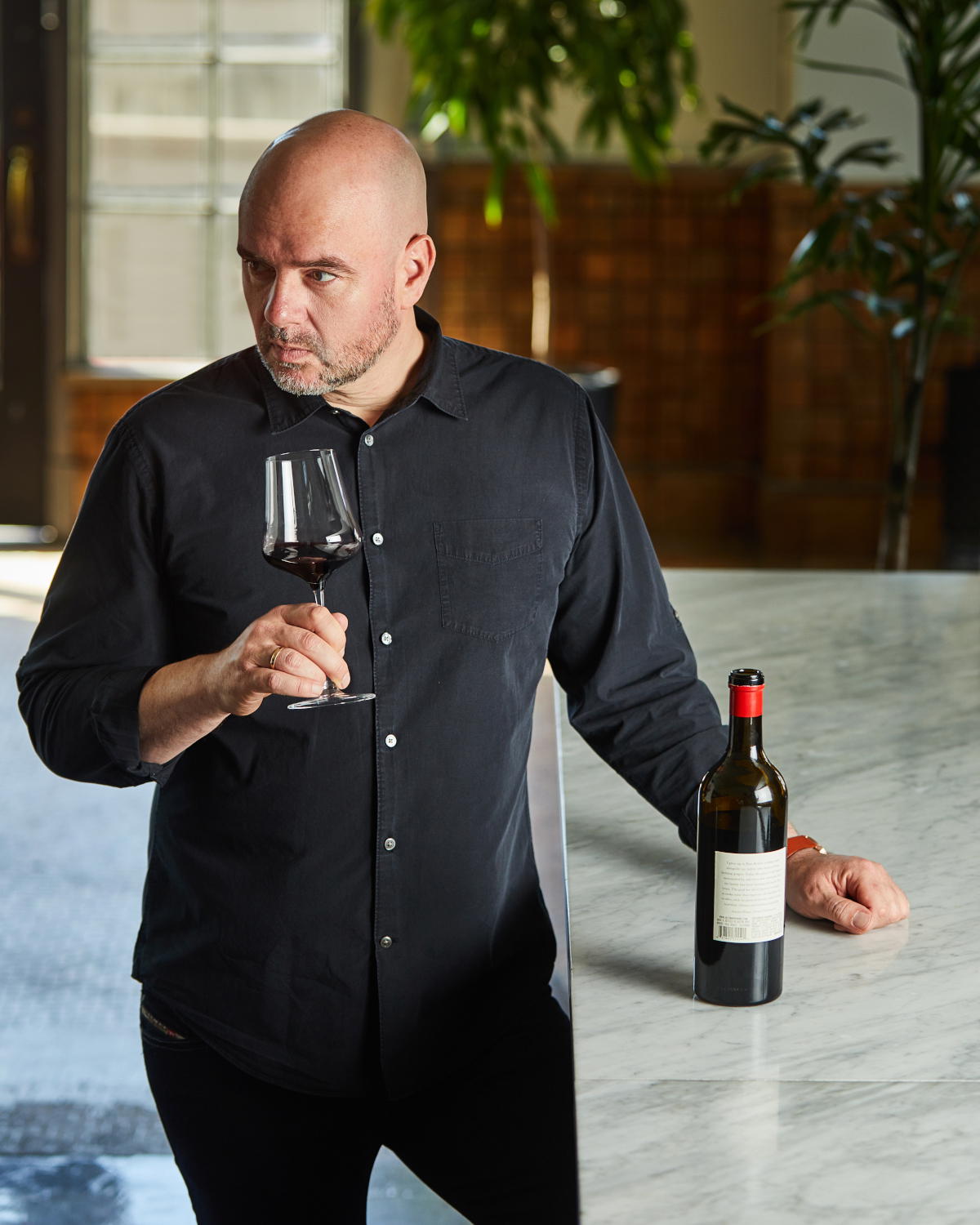
Wine shopping used to be a disorienting endeavour for Heini Zachariassen. The dizzying array of options overwhelmed him: “I didn’t know what to buy. I had no idea what was good and what was not. It was just fancy labels and prices.”
Eager for a solution, he developed a crowd-sourced wine rating system, establishing Vivino in Copenhagen in 2010. The goal was to help users decide which wines were worth their money. “We rate movies, music, and even taxi drivers, so why not wine?”
An app was released the following year. It is idiot-proof: snap a picture of a wine label using its scanner and it’ll pull up a crowdsourced rating, price, and retail information.
Although competition was rampant—Zachariassen estimates there were 600 other wine apps when he first started—the company leveraged data. It was the only way to get ahead, he says.
By late 2014, Vivino was receiving 250,000 photos every day; community members were submitting them for consideration to be included in its database. “What people wanted answered was a simple question: ‘is this wine in front of me any good or not?’ None of the other apps could answer that because they didn’t have the data,” Zachariassen reasons.
The quality and volume were equally crucial. The more data Vivino collected, the more comprehensive its system became, so the more likely it had ready information whenever someone scanned a bottle of wine. This actualised a positive cycle where having the best data led to the best product, Zachariassen adds. To optimise operations, the company moved its headquarters to San Francisco and hired 50 contractors in India to manually process 25,000 photos daily.
It is a modus operandi that continues to this day, though the team in India has expanded and a wine team in Copenhagen has been introduced. As it is, while software recognition and knowledge has been built into the database, collective effort is needed to both maintain and update it with new wines and labels. This is on top of ongoing efforts to refine and correct data.
Today, Vivino has 70 million users, the details of 18 million wines, and over 100 million reviews on its website. Additionally, it operates an online marketplace.
Curiously, in spite of its global footprint, Vivino chose to open its first-ever flagship store in Singapore, the launch of which took place in August. Located in Raffles City, it carries over 150 wine labels priced between $19.90 and $555—each has a Vivino rating of 4.0 or higher and falls into the top four percent of wines worldwide.
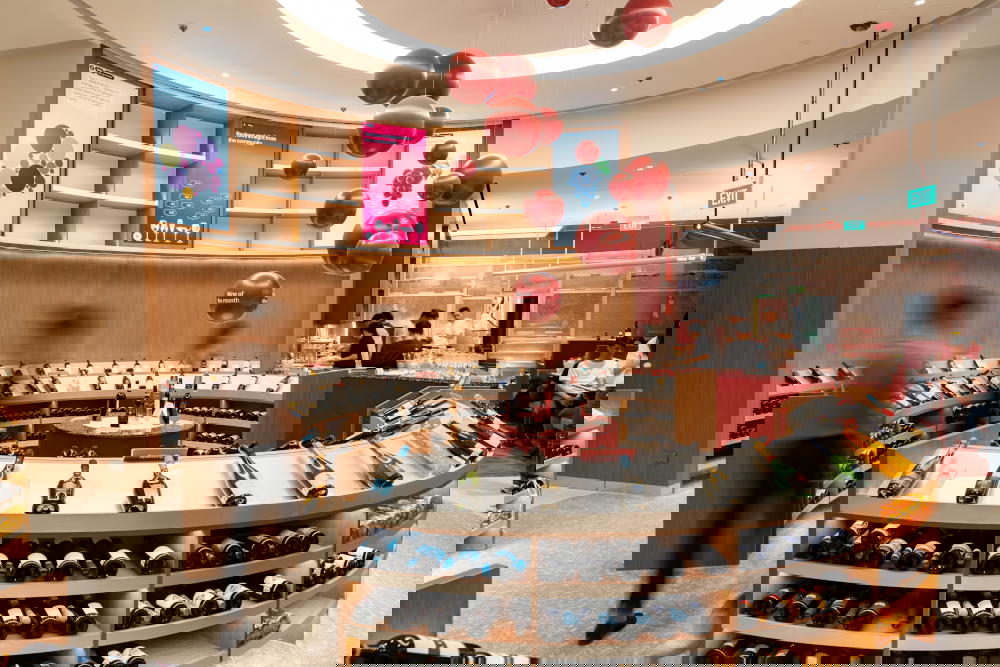
According to Zachariassen, the store was designed to disrupt the traditional wine retail industry in several ways. First, a selection curated to suit our tastes. Thanks to insights gleaned from Vivino’s community, the team was able to map out the categories and styles of wine that people in Singapore enjoy by price point. It is a resource that is unique to Vivino. “No one else can do this because no one else has access to the kind of data we have.”
Second, a novel in-store experience. “You won’t find salespeople pushing you to buy a specific wine,” he says. Instead, there are ‘Vivino Recommends’ kiosks that make personalised recommendations for wines based on preferences. “A data-driven approach makes it incredibly easy to select a wine with confidence as it doesn’t rely on subjective recommendations. It’ll be hard to go back to traditional wine stores where decision-making can feel like guesswork.”
Third, exclusive access to the top one percent of wines rated by the Vivino community. These labels include the NV Villa Degli Olmi – Corte dei Rovi Moscato Spumante, a white sparkling moscato from Italy with a Vivino rating of 4.2 that retails for $26; and the 2017 Pulenta – Palma Carola Metodo Roll Fermentor Tinto, a red wine from Argentina with a Vivino rating of 4.6 that retails for $140. Additionally, the store offers wines by the glass starting at $8 and a tapas menu curated by Michelin-starred Chef Bjoern Alexander.
Vivino’s success makes one thing clear: its data-driven system works. In fact, it has changed the way we shop for wine.
“I think we used to buy somewhat blindly in the past—we’d choose a bottle based on price and how the label looks. Vivino has made it possible for people to know if a wine is actually good before they buy it.”
Heini Zachariassen on Vivino’s recipe for success
He reveals that developments in the pipeline include a ‘Match for You’ feature on the app that can aggregate how likely it is for a specific user to enjoy a specific wine.
Needless to say, he no longer finds wine shopping a tedious task. “I can’t deny it anymore—I’ve had so much wine over the past 14 years that, yes, I definitely know a bit more about it now,” he admits.
His go-to has changed over with time. “When I was based in California, I drank a lot of cabernet sauvignon and local pinot noirs, but I’ve recently developed a real appreciation for Oregon pinot noir.”