I woke to the pale light flooding through the arrow-like slit window of my medieval castle bedroom for the night. The sun warmed the stone walls that once sheltered monks, soldiers, and kings. In Spain, this is not a fantasy; it’s just one of its paradors.
I’d arrived expecting sunshine, tapas, and the hum of busy plazas. What I didn’t expect was to spend my nights inside history itself. I was exploring Extremadura, the most sparsely populated region of Spain, halfway between Madrid and Lisbon, where dawn breaks with birdsong echoing across red-tiled rooftops, fairy-tale turrets, and church steeples.
We drove across cork oak-dotted plains with black-hoofed Iberian pigs munching on acorns and olive groves. According to my local guide, Game of Thrones was filmed throughout Extremadura, where I stayed in paradors. These are not just hotels; they are historic castles, monasteries, palaces, and convents converted into a chain of luxury hotels controlled by the Spanish government.
The programme was initiated in 1928 to promote tourism and provide a revenue stream for the preservation of its historic monuments. Since then, the parador network has quietly reinvented itself since celebrating its 95th anniversary in 2024. Behind the old stone facades, you’ll find solar panels, swimming pools, farm-to-table kitchens, and delicious local restaurants.
As my first stop, I visited the 15th-century Parador de Jarandilla de la Vera, once a fortress and later the home of Charles V, Holy Roman Emperor, before he retired to a monastery to spend the rest of his life in contemplation.
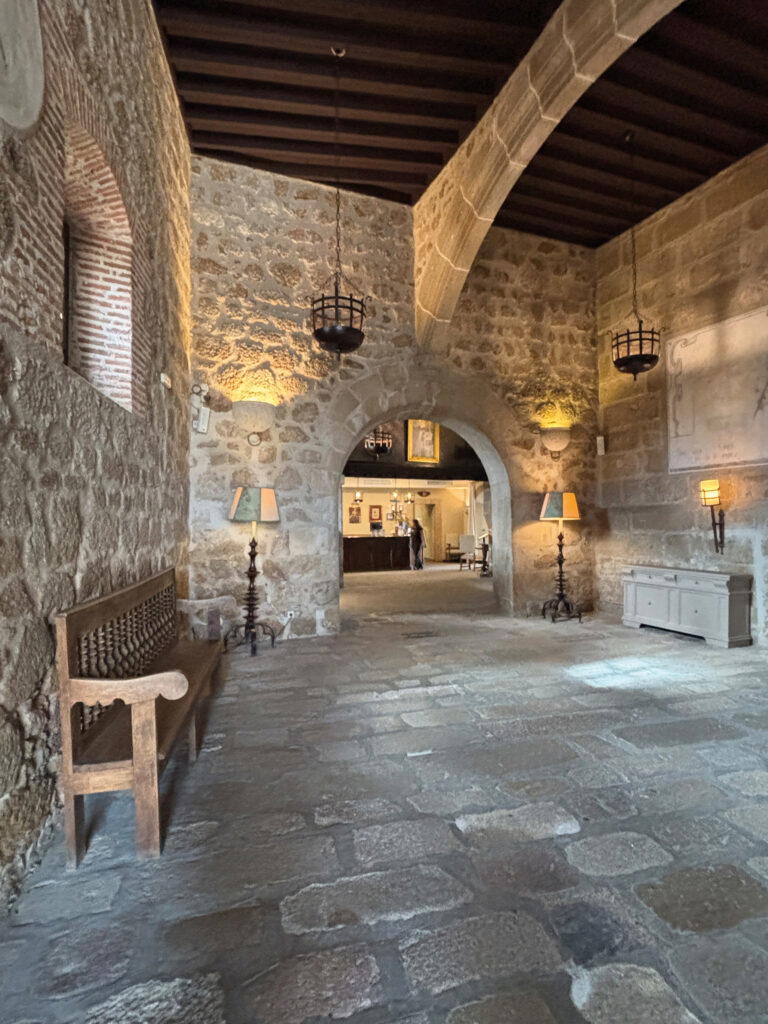
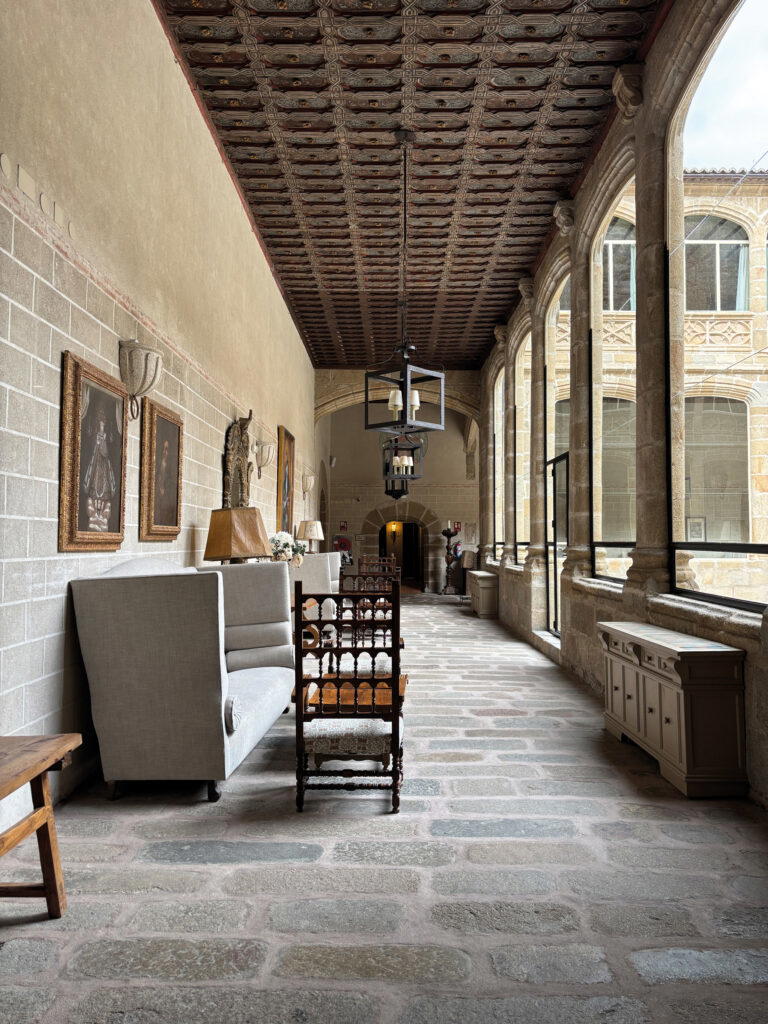
Ivy spilled down the walls and chandeliers, tiles, and local ceramics added atmosphere to the long, arcaded corridors and rooms. Nightfall found me wandering through a palm dotted courtyard scented with rosemary.
Where pilgrims HAVE LONG GATHERED
Guadalupe was just a short drive away, through winding mountain roads and fields of chestnut trees. From peasants to kings and explorers, pilgrims have journeyed here for centuries. Christopher Columbus visited in 1492 after returning from the Americas to offer thanksgiving.
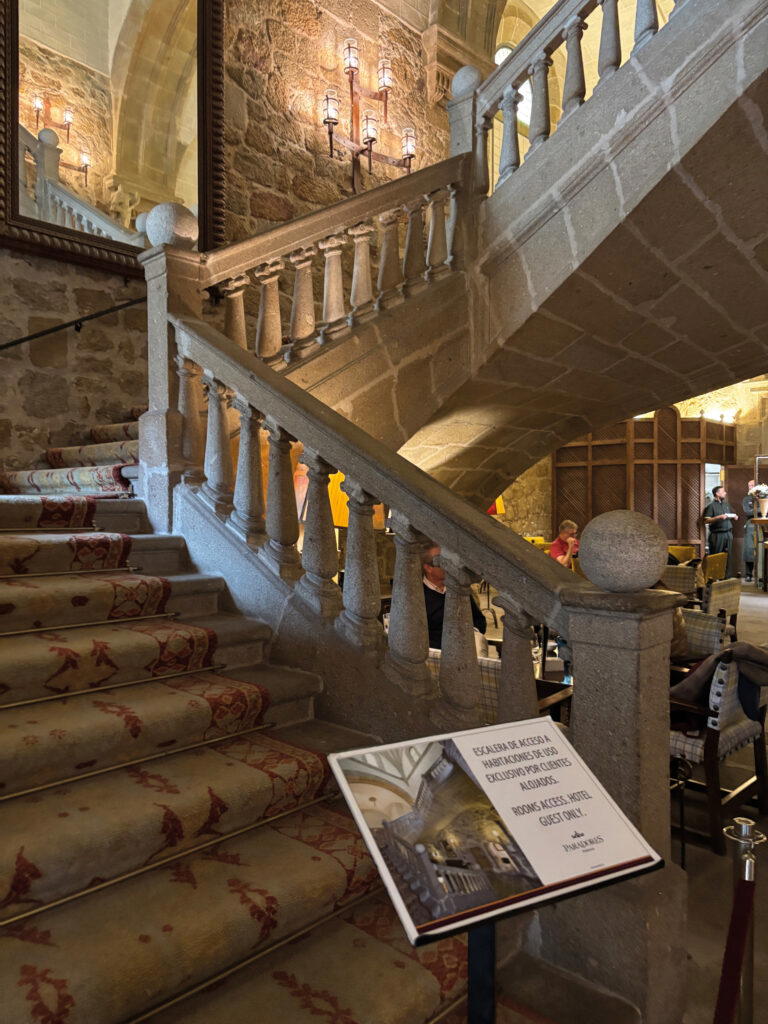
Our home for the night was the Parador de Guadalupe near the Royal Monastery of Santa María de Guadalupe, a Unesco treasure. Housed in a former pilgrims’ hospital, it is built in the Moorish style, with a garden-framed patio, graceful arches, and latticework, and portraits of monks set in glowing niches.
With generous pours of local wine, I sampled Extremadura’s classics like Migas Extremeñas, a quintessential Extremaduran dish of olive oil-fried breadcrumbs with
garlic, pimenton (smoked paprika), and pork products.
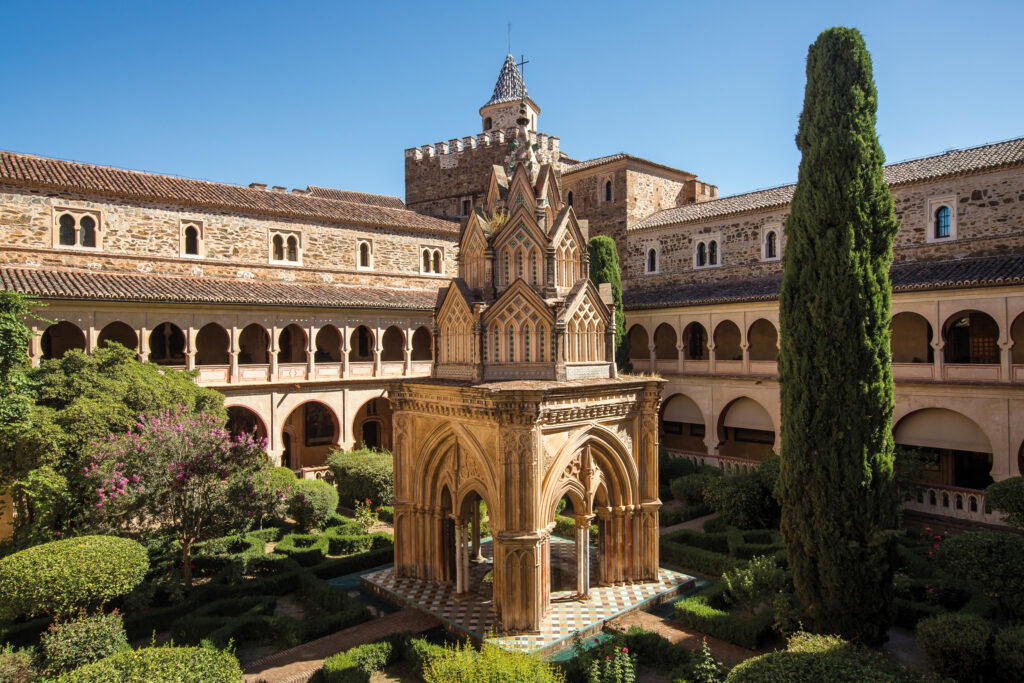
During our guided tour of the monastery, we walked through cloisters lined with orange trees as fountains tinkled along the tiled corridors. We saw the dark Virgin of Guadalupe’s basilica, admired the paintings of El Greco (‘The Coronation of Our Lady, St Peter, and St Andrew’) and Goya (‘Confession in Prison’), and marvelled at the beautiful robes embroidered by monks from the region and exquisite paintings by the Spanish painter Francisco de Zurbarán.
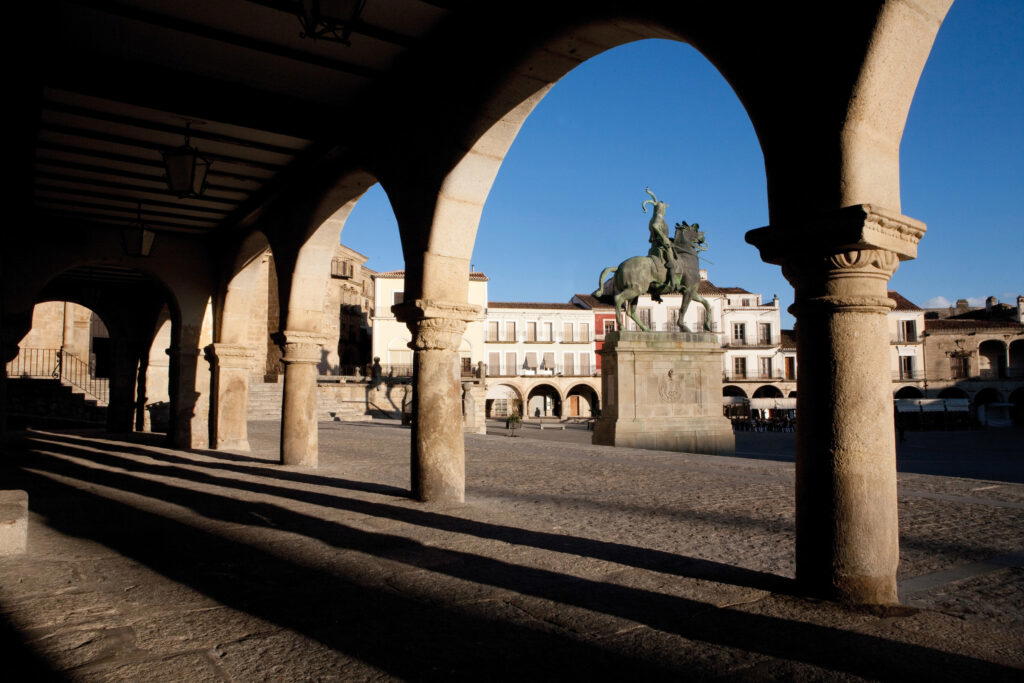
Hilltop town of conquistadors
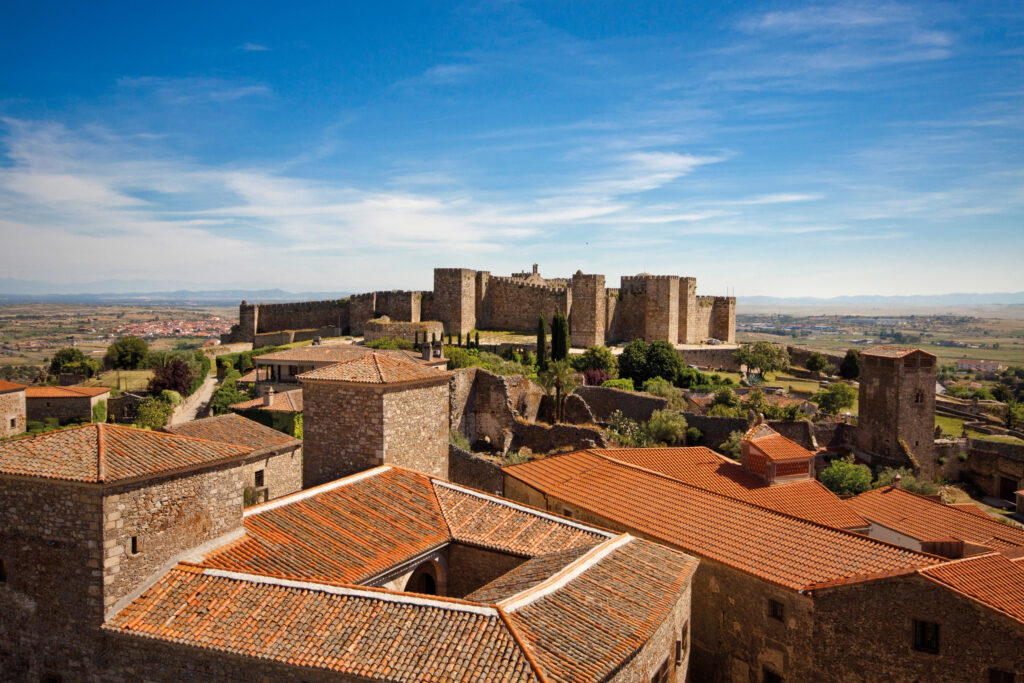
Our next stop in Extremadura was Trujillo, the birthplace of conquistadors, men who headed to the New World. They included Francisco Pizzaro, who conquered Peru in 1529, and Francisco de Orellana, the first European explorer of the Amazon River and founder of Guayaquil city in Ecuador.
Parador de Trujillo is housed in the beautiful Franciscan convent of Santa Clara, mirroring the austere grandeur of the town. Built in 1533, the structure housed nuns until 1984 when it transformed into a parador, featuring two cloisters of brick and plaster with arched ceilings, medieval frescoes and drawings, and tiled floors.
We explored the town, starting at Trujillo’s Plaza Mayor surrounded by arched porticos and lavish stone palaces built by returning conquistadors, sipped coffee in open-air cafes, and admired the mystique of churches like Santa María la Mayor.
Renowned for its Romanesque and Gothic architecture, it was originally a Moorish mosque constructed in the 13th century and underwent significant restorations in the 16th century. From there, we enjoyed the panoramic views of the Moorish castle Trujillo Alcazaba made of Roman and Visigothic stone.
Not far from it was the historical city of Placensia, founded by King Alfonso VIII. Surrounded by ancient city walls, it was home to a beautiful Plaza Mayor, and the unique twin Plasencia cathedrals—a Romanesque structure built in the 13th century, and a Gothic one built 300 years later.
With stone walls, vaulted ceilings, and Gothic interiors, the Parador de Plasencia here was a stunning building housed within a 15th-century Santo Domingo convent. We literally stepped back in time during our stay.
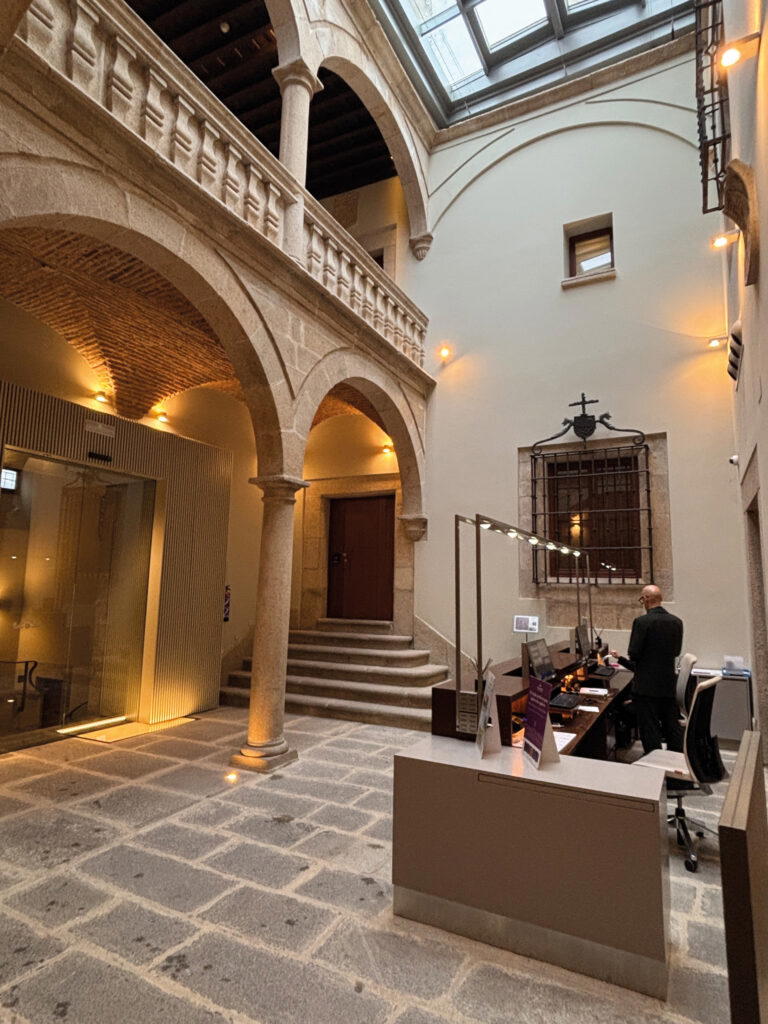
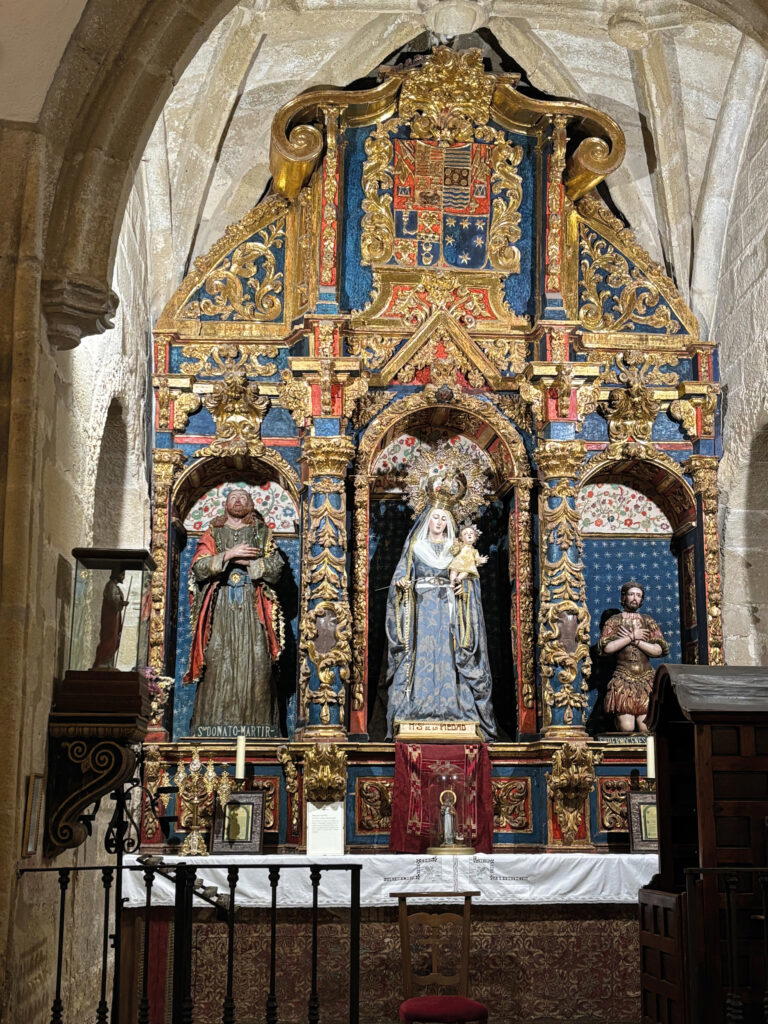
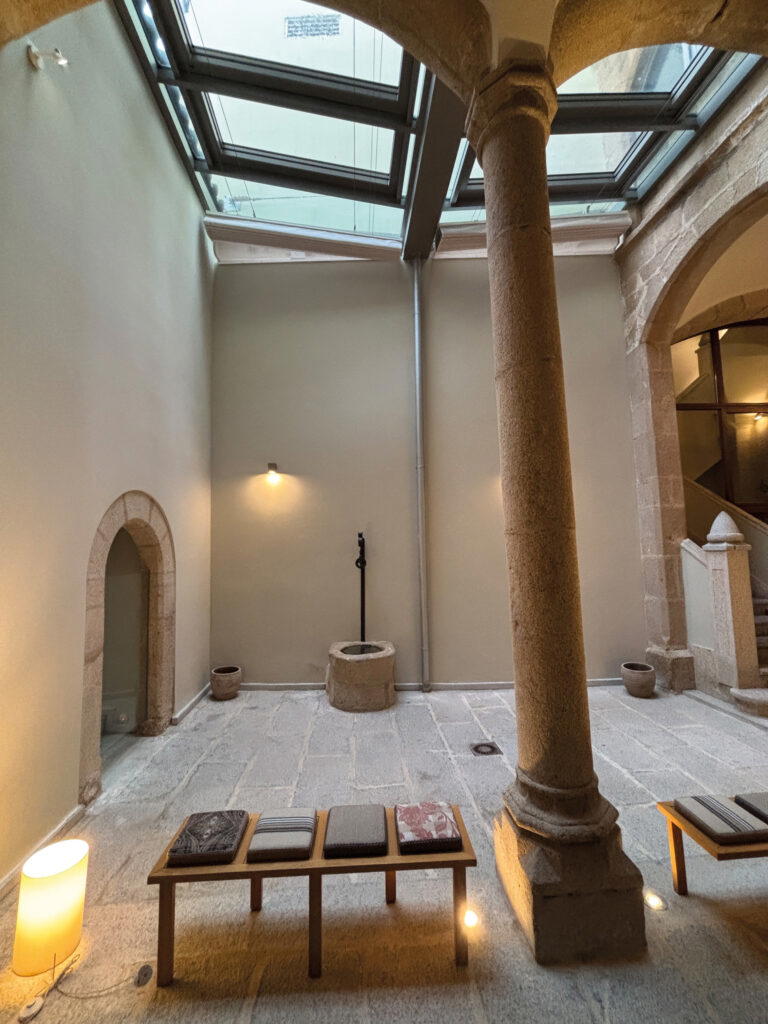
Echoes of the Roman Empire
Mérida, once a Roman capital on the banks of the Guadiana River, was one of the most beautiful towns in Extremadura. I stayed at the Illunion Mérida Palace, a 15th-century property converted into a five-star hotel with a central patio with tiles and fountains.
I also visited the Parador de Mérida. This beauty was just like the others I’d seen and it was located in a former 18th-century Baroque convent set over Roman ruins. It had Roman columns, a cloister, gardens with antiquities, and a pool.
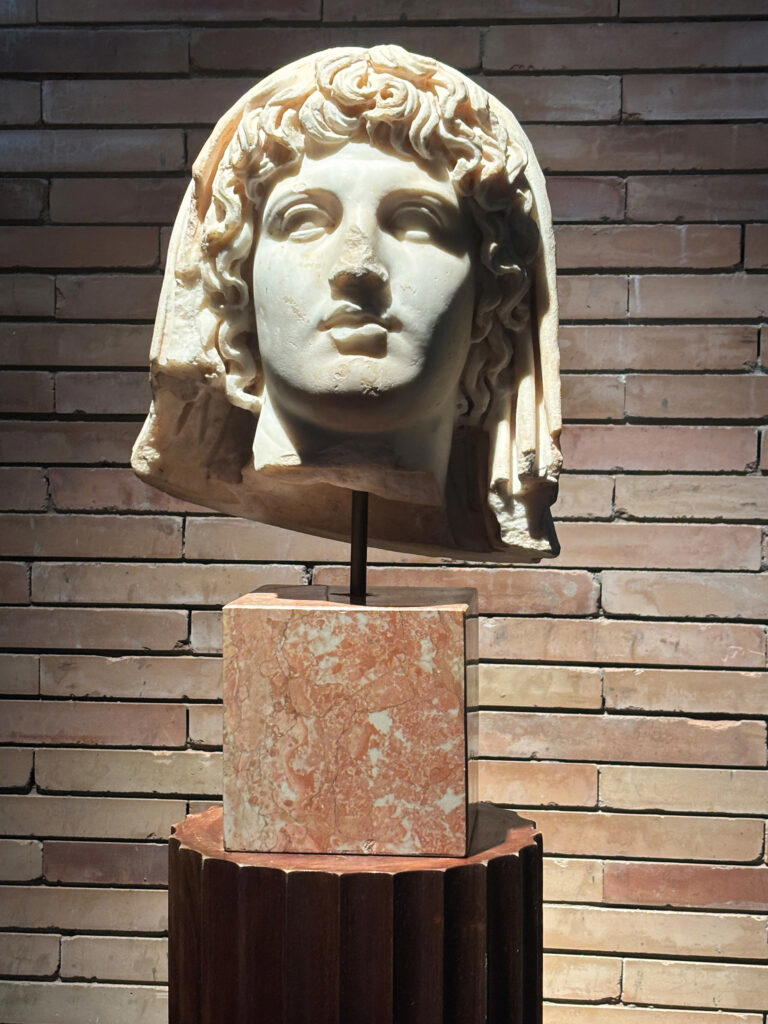
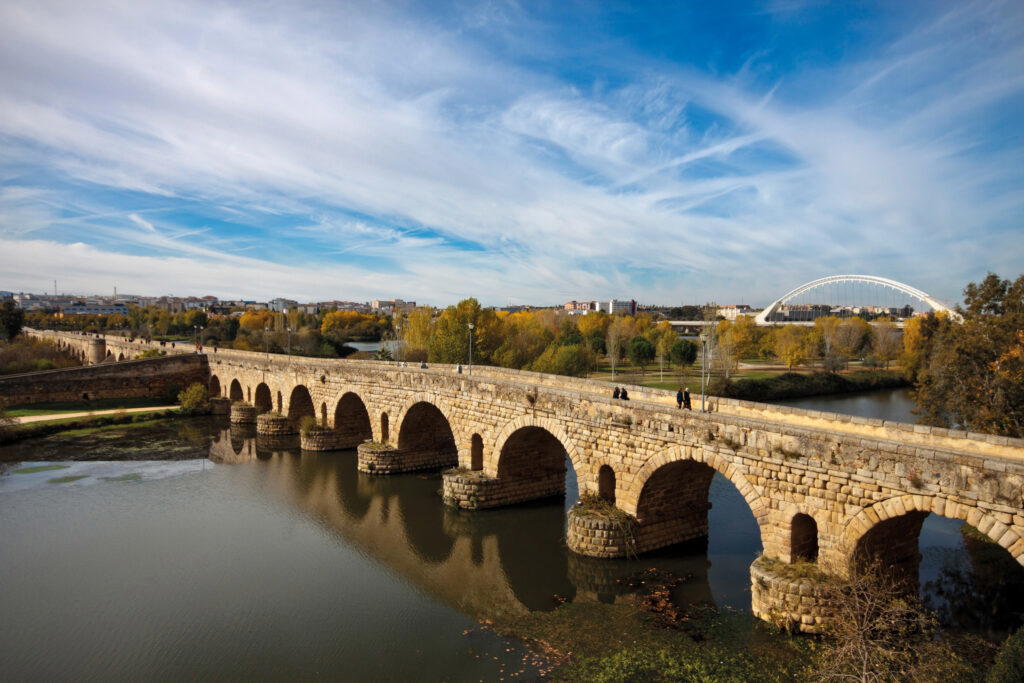
The city was dotted with other Roman ruins, from the Temple of Diana to a gargantuan amphitheatre as well as a well-preserved Roman bridge of stone. It was easy to imagine chariots racing and gladiators duelling against this backdrop. I finished my visit here with a flamenco lesson and a visit to The National Museum of Roman Art, which features ancient mosaics and statues from the Roman period.
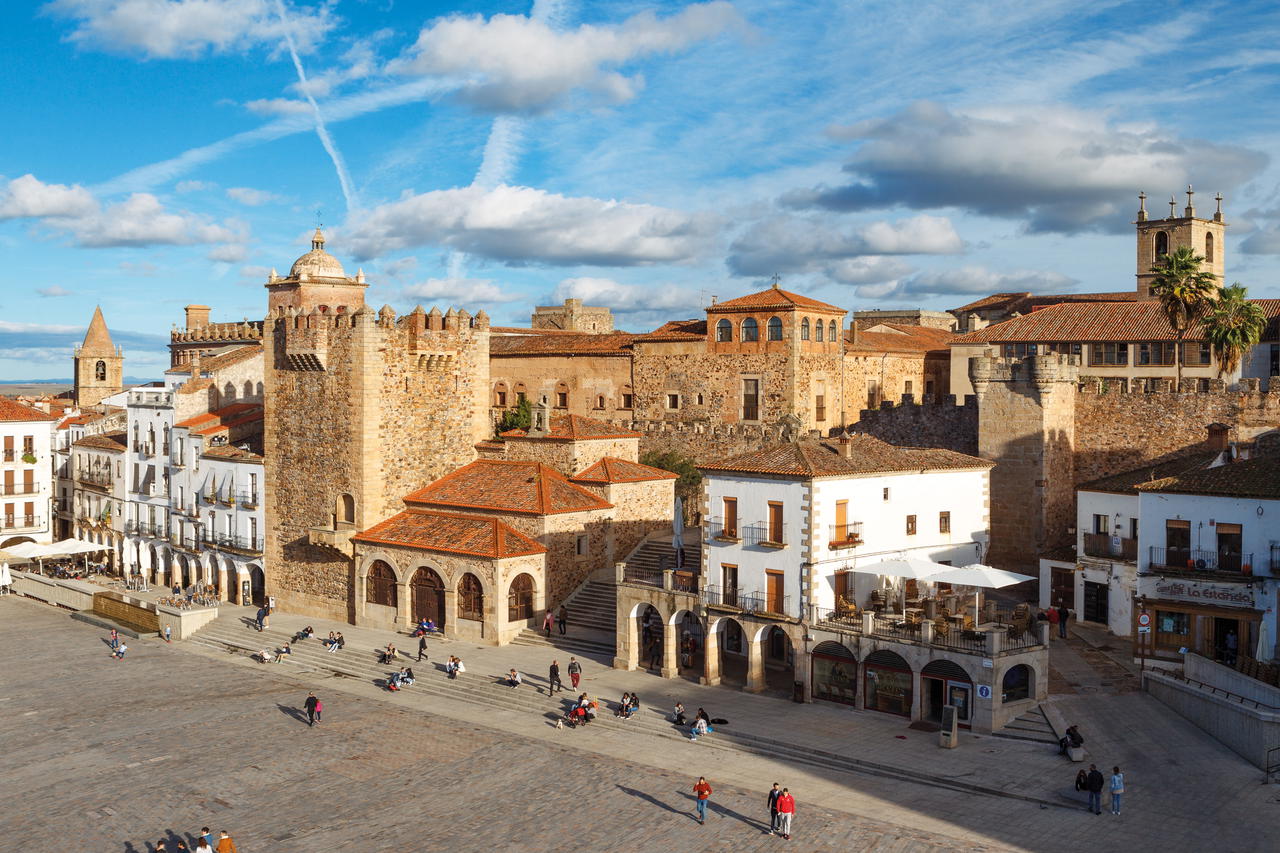
Cáceres, a stunning Unesco World Heritage city of honey-stoned churches, towers and convents was our last stop in Extremadura. Here, Parador de Cáceres, once the Palace of Torreoraz—built in the 14th century for Diego Garcia de Ulloa, a knight of the Order of Santiago—displayed the family coat of arms.
Based in the old quarter of Cáceres, the Gothic building with an inner courtyard is now a luxurious four-star Relais & Châteaux hotel with wooden floors and beams. Its Michelin-starred Restaurante Atrio blends avant-garde cuisine with the best of Extremaduran products and traditions.
Our exploration of the old city continued up steep staircases and past more than 30 towers, each built by noble families as a bold display of wealth.
As we drove back to Madrid at the end of the trip, it struck me that travelling through this region and staying in paradors felt like travelling through time. Taken together, they capture not just Spain’s geography, but its soul.