
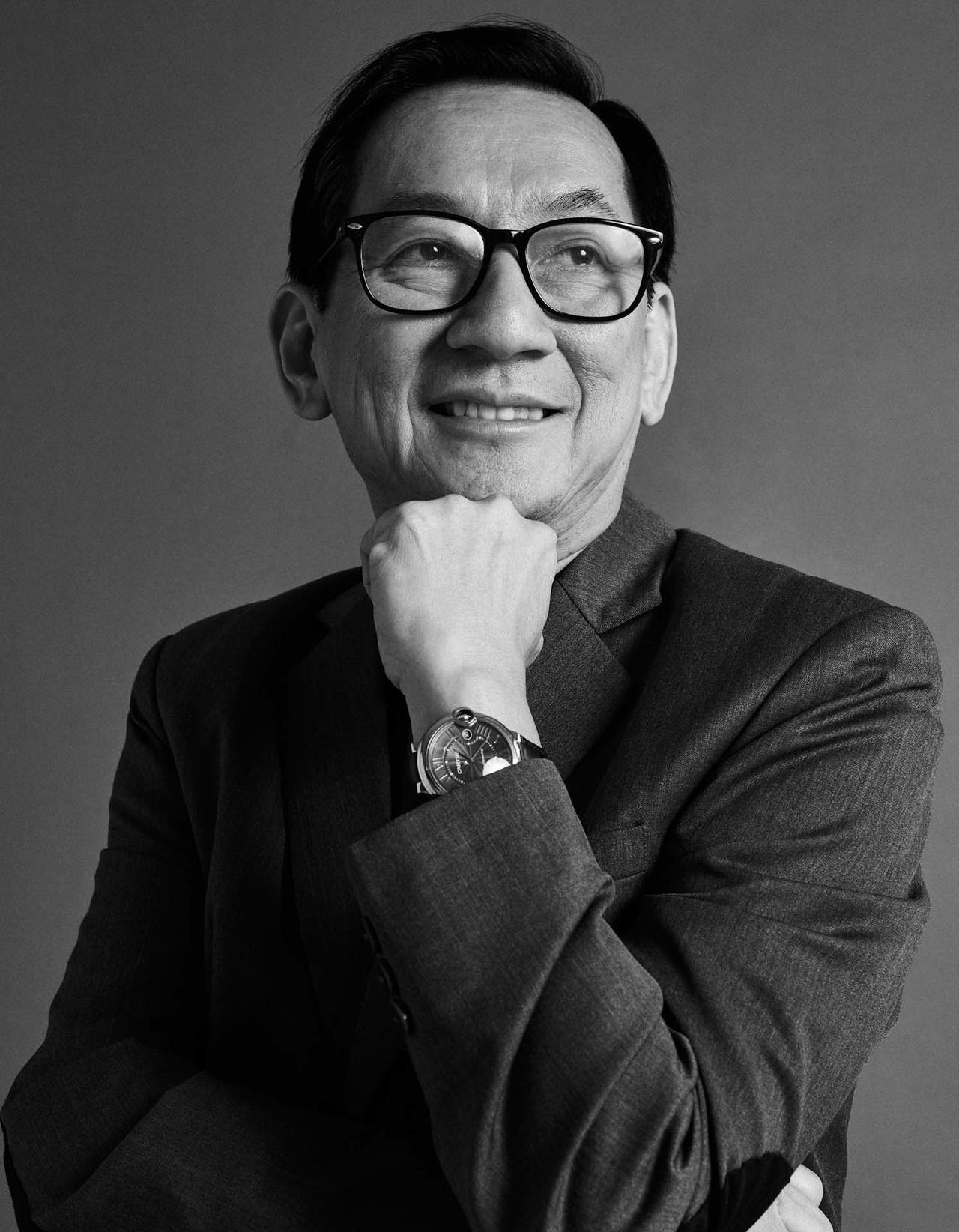
In an empathetic tone, Dr Janson Yap explains that “reducing one’s workload will not reduce burnout”. The former regional managing director for Deloitte Southeast Asia and current chief people officer at the National University of Singapore, Dr Yap helps his charges reach their full potential.
As the world teeters from one crisis to another with no end in sight, society seems to be in a constant state of tension. Experts call it VUCA, which stands for volatility, uncertainty, complexity, and ambiguity, and has caused stress levels to rise to unprecedented levels. According to a Gallup poll, there were more negative feelings in 2021 than in previous years.
The obvious antidote would be less work, but Dr Yap points to a misalignment in employees’ motivations and expectations. “There could be instances when a boss wants perfection in work deliverables and no matter how hard you work, the expectations are never met. This can lead to exhaustion. There is a saying, ‘Working for perfectionists will never end with the right deliverable’.”
It’s a vicious cycle. An employee’s work efficacy decreases as their confidence drops. The problem is exacerbated when that person’s capabilities don’t match the level required to complete the task.
“There could be instances when a boss wants perfection in work deliverables and no matter how hard you work, the expectations are never met. This can lead to exhaustion. There is a saying, ‘Working for perfectionists will never end with the right deliverable’.”
Dr Janson Yap explains one of the main reasons for burnout
Dr Yap’s observations of society’s changing expectations over time inspired him to write Why ME?: Motivations and Expectations of the Worker in a Wicked World that studies work cultures and employer as well as employee motivations, expectations, and engagements.
“I’ve hired people in different career stages, from management trainees to experienced employees. Fresh graduates are idealistic in their work cultures and vocal about work-life balance. This group will quickly change their orientation in their late 20s and early 30s, and focus on extrinsic motivational factors such as income because they have a family to manage after getting married or have changed their expenditure patterns. Work-life balance will also take a backseat.”
Due to the pandemic, hybrid work arrangements have also altered work expectations significantly, posing challenges for both employees and companies. Dr Yap acknowledges the difficulties supervisors and managers face, many of whom are not used to measuring productivity remotely. Nevertheless, those with a positive attitude, strong self-esteem, and a willingness to try will thrive in a VUCA world.
“There is no perfect answer. It is important to evaluate the options, accept the trade-offs, and act. Mitigate along the way. Be a student for life,” says Dr Yap.