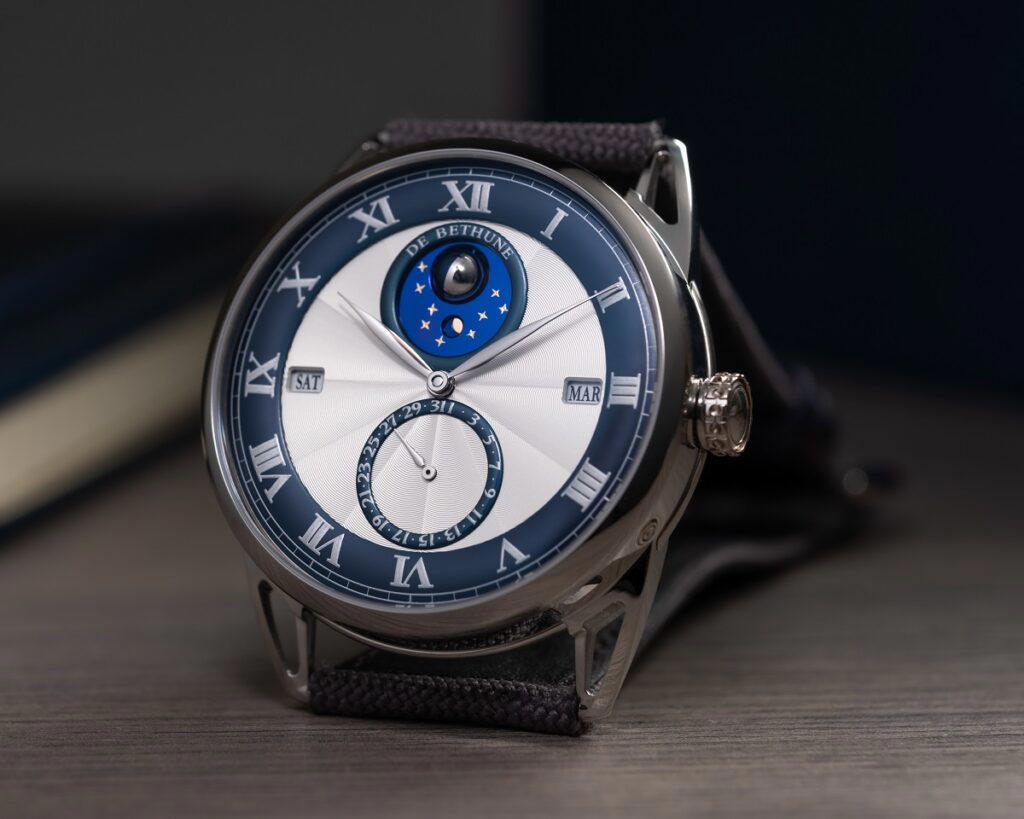
Between the horological genius of Denis Flageollet and the charismatic vision of David Zanetta, De Bethune has become one of the most recognisable independent brands over the last two decades. Many of its recent releases are crowd-appeasing line extensions like the DB28XP Steel Wheels (an ultra-thin, open-worked version of its iconic DB28 design), the downsized DB28 Perpetual Calendar in 40mm, and the DB28 Starry Varius Aerolite with its blued meteorite dial, but make no mistake—the brand’s innovative streak is still going strong.
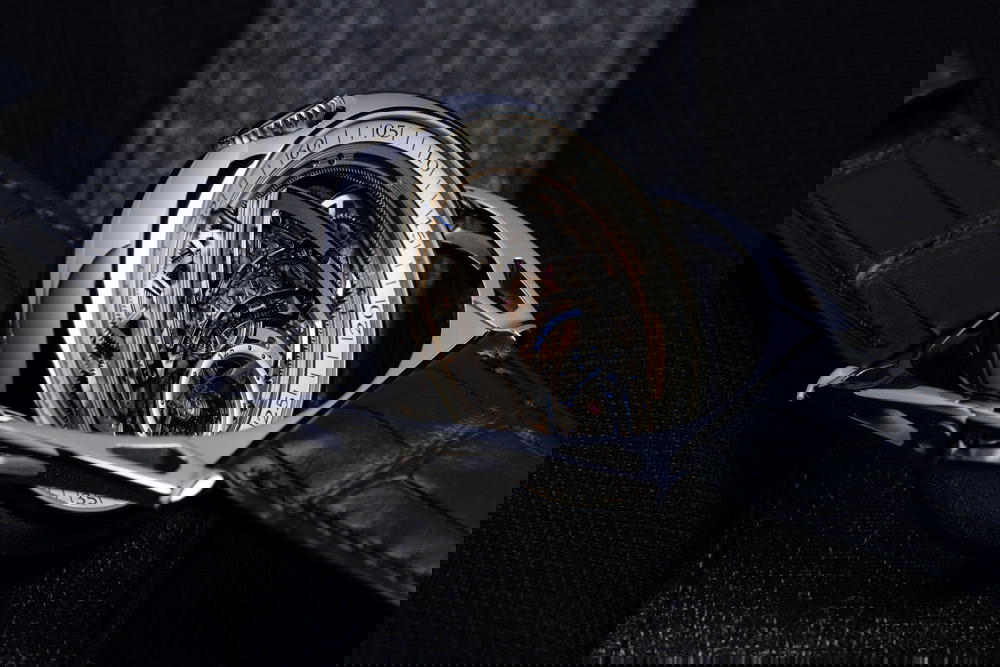
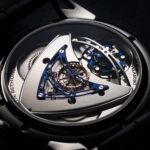
The DB Kind of Two Jumping GMT is De Bethune’s 30th calibre, launched in celebration of its 20th anniversary in 2022, is a double-faced wonder that has a classically styled side that displays the GMT with deadbeat seconds, and a futuristic side for the time in the more familiar De Bethune style.
Master watchmaker Flageollet and his team are also working on the Sensoriel Chronometry Project, a novel idea that aims to tailor a watch’s chronometry to its wearer using an electronic watch equipped with sensors to track the owner’s movements and atmospheric conditions. Data from the watch will be used to make adjustments to the final mechanical watch’s balance and balance spring. This option will only be offered on the De Bethune DB28 GS when it launches in 2023, with delivery expected to start at the end of year.
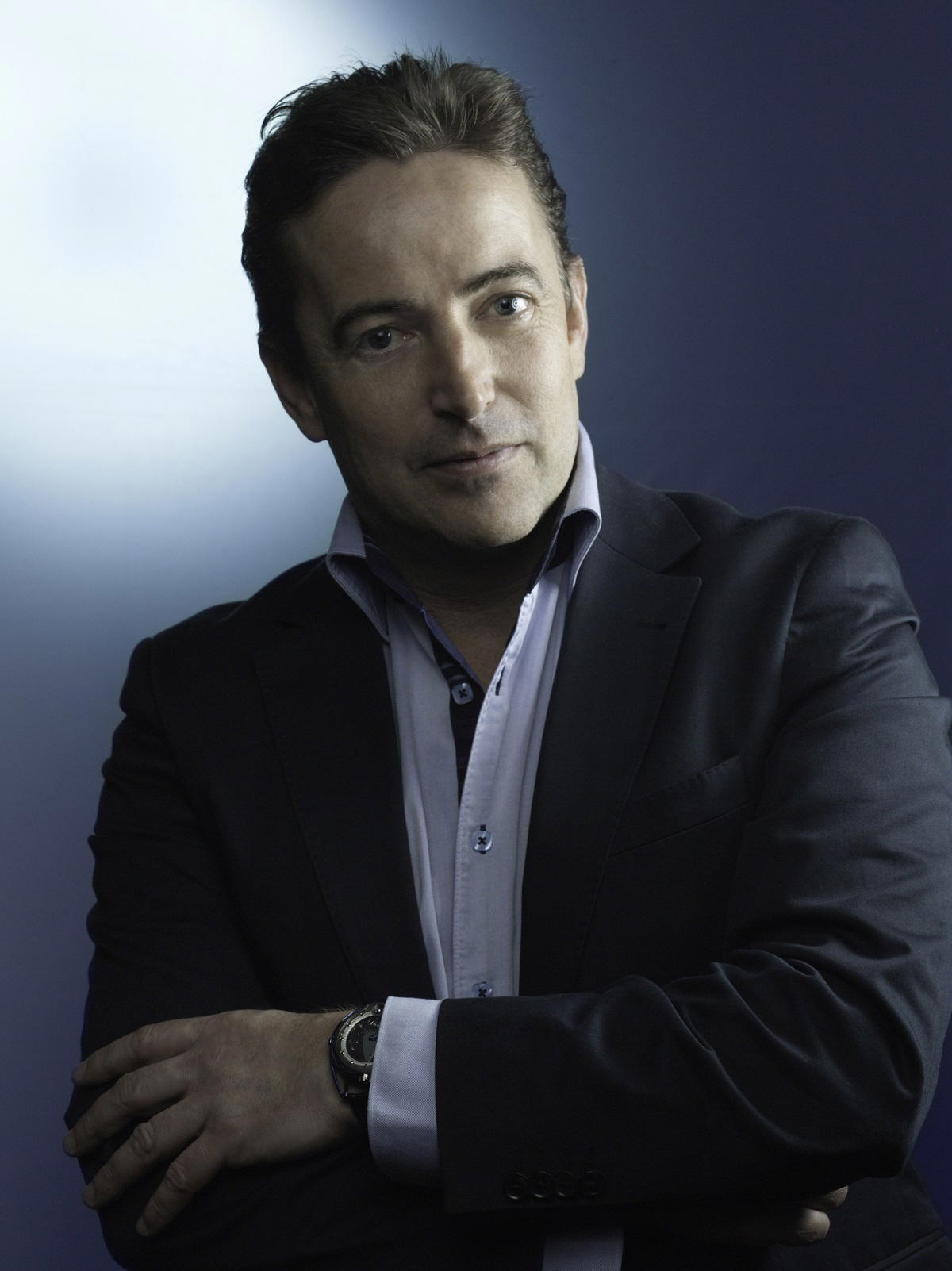
In the meantime, we sit down with CEO Pierre Jacques as he shares his insights on leading this provocative brand.
So, what sets De Bethune apart?
De Bethune watches don’t look like any other watch out there, and what we do differently is that Denis [Flageollet] creates from a blank sheet. His ideas never come from working on something that already exists. He wants to break all limits, so he has to start from scratch and rethink the entire calibre. It is this spirit of freedom that we love. The brand’s first goal wasn’t to become a successful company and make a lot of money—it was to make the best watch ever.
How has your vision for the brand evolved since you joined the company?
At the beginning, I was young. I wanted the world. I wanted De Bethune to be successful and have boutiques on Fifth Avenue, Champs-Elysees and more. But when I told David [Zanetta] this, he said we will never put our watches behind a window, because windows are for prostitutes. After a few years, I realised his vision was correct. De Bethune is the kind of watch that needs explaining so that people can appreciate it. It doesn’t make sense for us to become a huge, global brand. Small is beautiful, and less is more.
Speaking of small, interest and demand for independent brands has been on the rise in recent years. Do you feel the pressure of competition from your peers?
I think we were actually more competitive at the beginning. Today, I don’t feel like I’m competing against Felix [Baumgartner, co-founder of Urwerk], Francois-Paul [Journe, of F.P. Journe] or Max [Büsser, of MB&F]. We are all in the same league and I will not be hurt if someone buys one of their watches because maybe in six months to a year they will come to us. The playground is big enough now.

Can you describe the De Bethune client?
It’s difficult to say because it could be a teenager or someone much older. But I would say it’s a person with a certain amount of education and knowledge about watchmaking. Our customers are the ones who already own a Patek Philippe or Audemars Piguet and now want something different, something unique. They are also quite self-confident, as they don’t need others to recognise what they are wearing. They don’t need to say, “Oh look, I have $500,000 on my wrist” or “That celebrity is wearing the same watch”. They are wearing a De Bethune for themselves.
David once told me he lost many customers because he didn’t want to sell to people he didn’t like—people who only saw luxury goods as commodities to show off. What’s your take on being discerning of customers?
I’m not that straightforward. We aren’t asking our customers for a curriculum vitae. But if someone comes to us asking for “whichever model will be delivered the fastest”, I will have to decline because they don’t have the passion for our brand, and we sell very few pieces. But if they ask for a specific model, I can tell them when we can deliver it. But I wish I had David’s style [laughs].
The brand’s first goal wasn’t to become a successful company and make a lot of money—it was to make the best watch ever.
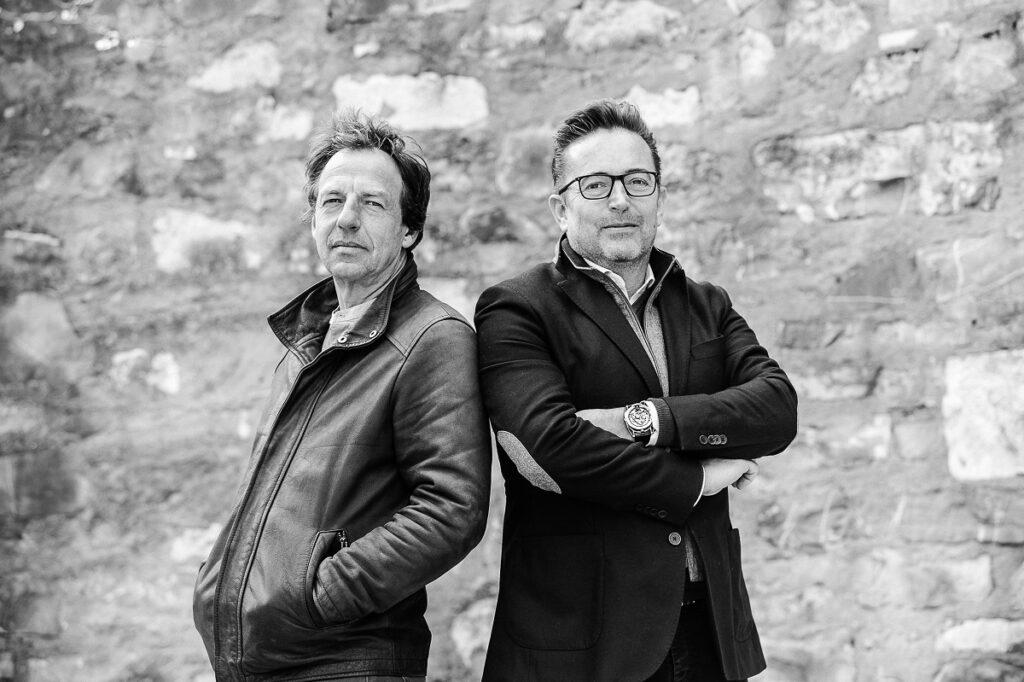
Pierre Jacques, CEO of De Bethune
Denis Flageollet is also an icon in the industry. What is it like working with him?
I have to compromise because he won’t. [Laughs] But it is quality and chronometry that he won’t compromise on. Of course I’ll try to give him feedback on the market and what direction will be good for the brand, as long as it doesn’t sacrifice our authenticity. I will never ask him to make a pink watch with Hello Kitty on it, for example, even if that became the trend. But sometimes I have to get him to make things that are more accessible, because we can’t be targeting the “elite” all the time; we have to bring in new blood with models like the [entry-level] DB27 Titan Hawk and the [ultra-thin] DB28XP. At first he asked me why should make a slim watch because there is less space for mechanics. I convinced him that it was still a technical challenge and that it’s what people want. We don’t want to follow trends but we do have to adapt a little bit.
What will happen when he retires, too?
Denis is not driven by a huge ego, so he knows now is a good time for transmission of his knowledge since it takes about 10 to 15 years to train a successor. Besides, the brand is called De Bethune, not Flageollet, so this also makes it much easier to set up for succession.
What are your goals for the year ahead?
This year we are aiming to make 220 to 230 pieces. That’s almost one watch a day. We can’t just make 2,000 watches even though the demand is there, because we have to find and train the right watchmakers. And these newcomers cannot disrupt the harmony of the team since the company only has 50 people in it. We’re like a family.
We will also be focusing on the Sensoriel Chronometry Project and developing a new mono-pusher chronograph. The latter will be simpler and more accessible than the five-handed DB28 Maxichrono and inspired by our first watch, the DB1. That movement wasn’t entirely in-house [as it was made together with Francois-Paul Journe and Vianney Halter], so now we want to create our own.