
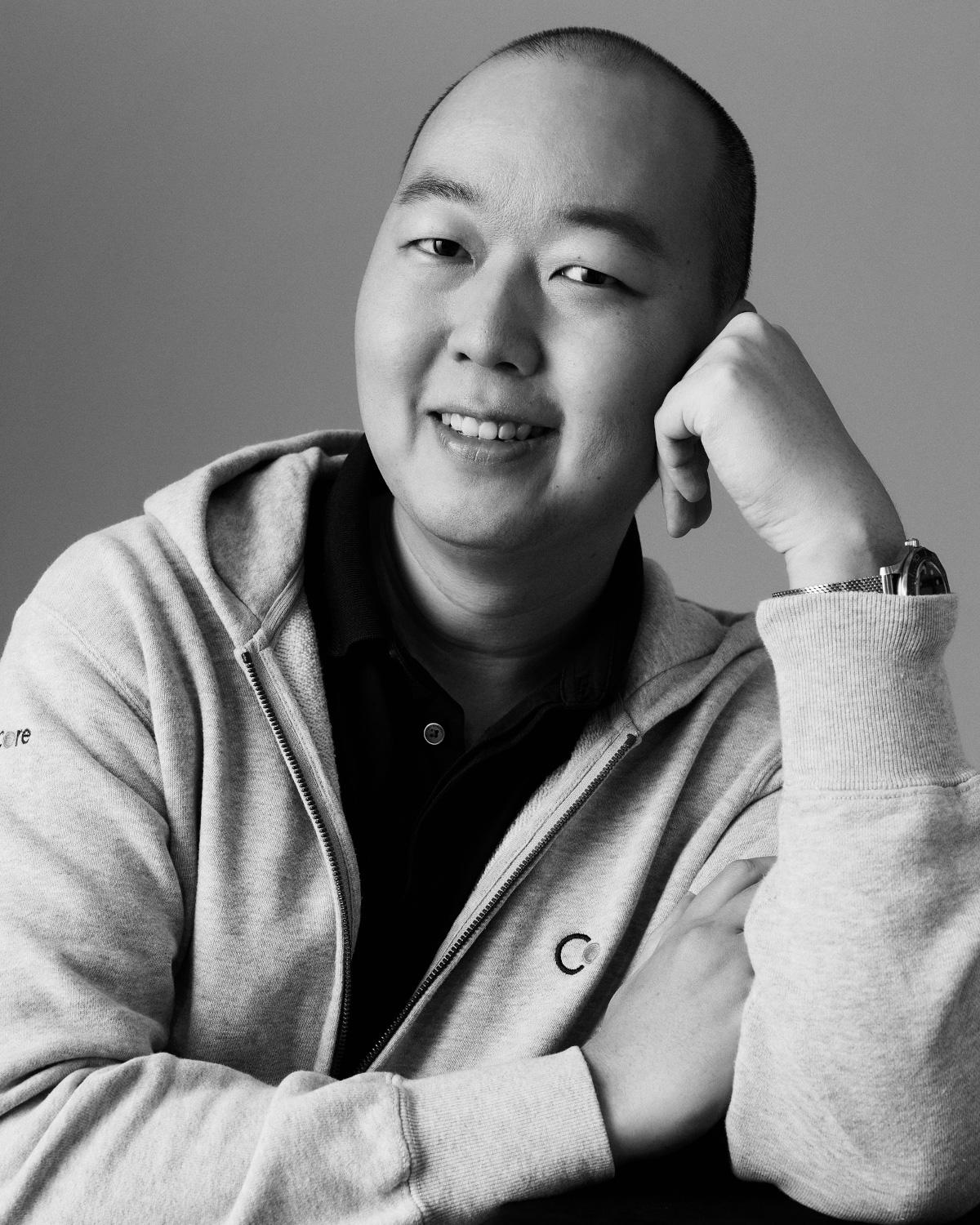
As a 17-year-old, Daylon Soh never gave much thought to his distinction in UX design. The module was part of his diploma course in Digital Media Design at Nanyang Polytechnic. In the following decade, he built a career in branding, advertising, and communication. Additionally, he was a photographer on the side for several years.
It was only in 2014 that he became involved in UX, after taking Adaptive Path’s User Experience Intensive course. Having the opportunity to learn from the world’s best practitioners strengthened his knowledge of theory and practice, and boosted his confidence. Aviva, Unilever, and Razer soon came knocking on his door with offers.
At the latter, he led a team to achieve a website conversion rate growth of over 60 percent in just 12 months, which was crucial in increasing sales. But Soh knew he could do more. “I spent most of my time in change and stakeholder management instead of creating structural and sustainable change, which involved grooming talent, structuring the team, and project managing,” he says.
So, he quit his six-figure job at Razer. Soh founded CuriousCore in 2019 to teach others what he loves most: user experience. In a rapidly digitised economy, UX occupies an increasingly significant role. It enhances a brand’s perception and gives it a competitive advantage by designing products that meet users’ expectations and demands and produce meaningful and engaging interactions. These factors can result in higher search engine rankings, culminating in more opportunities to convert prospects into customers.
Unlike other UX schools that focus on training hours and technical skills, CuriousCore adopts a practical, hands-on approach. Career coaching is an integral part of the curriculum.
“By teaching beyond the curriculum, I build a stronger scaffold in the minds of learners and connect the dots from research to design to testing. I also dive deeper into the context and nuances of various UX methods to help them reflect, apply what they learnt in class constantly, and find their aha moment.”
Daylon Soh explains his pedagogy
CuriousCore’s courses, led by the fourmonth UX Career Accelerator Programme, have allowed over 150 professionals to upskill and reskill as they transition to a digital career. Many are keen to make a midcareer switch to UX, Soh observes. “They want a job that unleashes their creative side and challenges their problem-solving skills.”
CuriousCore is also supported by a solid community of instructors and alumni, offering students plenty of opportunities to network with industry practitioners. The school has a 79 percent placement rate for UX-related jobs in companies such as Singapore Airlines, ByteDance, GovTech, DBS, and NinjaVan.
Having a foot in the door of UX signals the beginning of another adventure, one Soh enjoyed as a student and now relishes as a teacher. What challenges does he see ahead? “We have all the tools to create and distribute content, but how can we use them responsibly to spread good? Do we continue to support design patterns such as unlimited scrolling that alienate users, or do we empower users with warnings such as fake news?” asks Soh, who has a four month- old daughter.
“Managing these challenges requires a combination of user-led ethical advocacy and wise public policy. Engaging policy makers and users in this space and educating them about the issues involved is crucial.”
Photographer: Mun Kong
Photographer’s assistant: RJ Teo
Videographer: Alicia Chong
Producer: Adora Wong
Art Director: Chia Wei Choong
Makeup: Weeming using Dior Beauty
Hair: Aung using Kevin Murphy