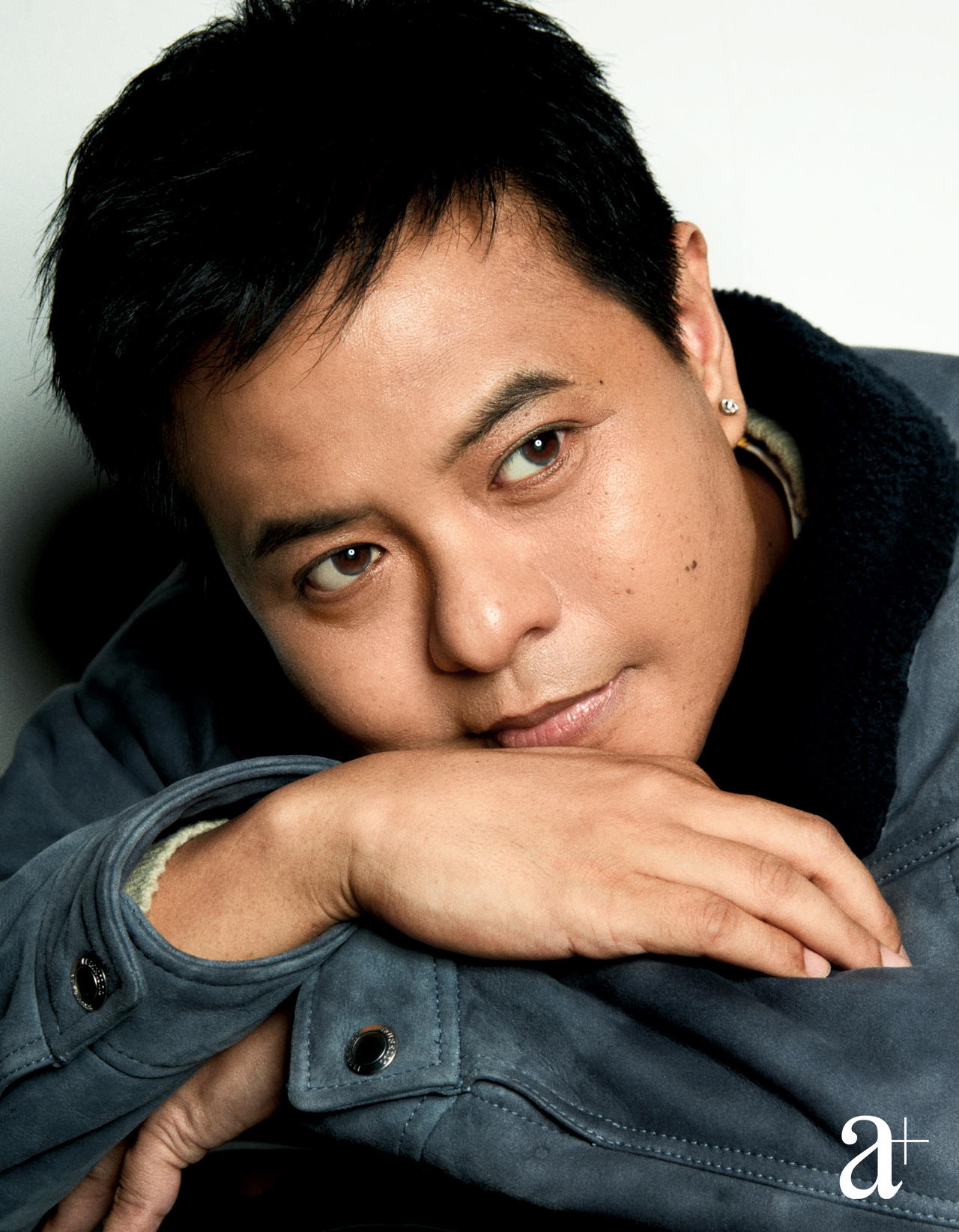
Alfian Sa’at tells his theatre friends to use their phones when documenting their plays. “Just don’t make it so good that people think it can replace the actual theatre-going experience,” he jokes.
The cheeky comment belies his belief in the power of live performance to entertain and engage. A recipient of the National Arts Council’s Young Artist Award (2001) and four Life! Theatre Awards for Best Original Script, he is now Wild Rice’s resident playwright.
Alfian’s extraordinary oeuvre includes poetry, plays, and prose, such as The Importance of Being Kaypoh (2005) and Cooling Off Day (2011). In both English and Malay, his works explore themes such as race, identity, censorship, and queerness. A number of productions have been staged in cities such as Berlin and Stockholm, where they were translated into German and Swedish.
As part of Wild Rice’s Rice Cooker programme, he also mentors eight young playwrights. He relishes the opportunity to shape the next chapter in Singapore’s story by nurturing new and alternative narratives.
What is your most defining breakthrough and why?
A most recent one would be The Death of Singapore Theatre as Scripted by the Infocomm Development Authority of Singapore (2024). I wrote it in response to the censors. Using moral panics and the decolonial agendas of the “Asian Values” discourse, I traced the history of theatre censorship in Singapore. It was very meta and cathartic!
You have staged your work both locally and internationally. How does Singapore travel with you?
We’re a small country, and don’t really register in the global imagination. Reception often falls between two poles: universal and exotic. It would be more meaningful to have audiences come to Singapore just to see our plays, rather than exporting them overseas. When the play is removed from its context, cultural nuances often evaporate. Engaging with the play and responding to the audience’s reaction translate all of those nuances.
Mentoring younger playwrights is one of your responsibilities. Is there a shift in the next generation?
The younger ones are becoming more fearless with their writing; there’s less self-censorship. The censors, however, haven’t been keeping up. Their rules are still based on the social conservatism of previous generations. As a result, younger writers are at a higher risk of encountering censorship obstacles when attempting to stage their original works.
What cultural ideas or questions are you currently considering, and how will they inform your future work?
I’m keen on collaborating with artists from other countries. The theatre is a wonderful place for such a forum to take place. Rather than throwing our national traits into sharp relief when working with others, I think of the process as unlearning nationalistic ways of thinking.
I worked with Japanese actors in my play Tiger of Malaya (2018), which examined divergent ways of narrating World War II history in Singapore and Japan. I am collaborating with Vietnamese artists and exploring Cold War history for a play based on a former Vietnamese refugee camp that operated from 1978 to 1996 in Singapore called 25 Hawkins Road.
Another play with the working title The Blinding Light of the Sun is also in development with Korean artists. It examines modern-day cult brainwashing and wartime propaganda.
Hotel (2015) was sold out during its recent re-run. Why does this work resonate with Singaporeans?
What resonates most is the numerous stories coexisting on this small island. As the cast performed 67 characters speaking nine languages, it was a powerful reminder of Singapore’s rich cultural and historical traditions. Many audience members said the play made them feel patriotic—not because it’s celebratory in a conventional sense, but because it reflects the diversity of Singapore and its people.
The play confronts uncomfortable truths about race, colonialism, class, and nationhood. How did you and co-writer Marcia Vanderstraaten balance storytelling with critique?
Often in Singapore, the most effective way to critique something is to simply show certain characters or situations as they are. By putting them on stage, the audience is invited to pause and take another look.
People feel uncomfortable not because the criticism is harsh enough, but because it feels familiar. As artists, we’re always seeking truths that challenge our cherished beliefs and pierce comforting illusions. That’s the transformative potential of art.
For more inspiring stories in a+ all year round, gift yourself or loved ones a digital subscription.
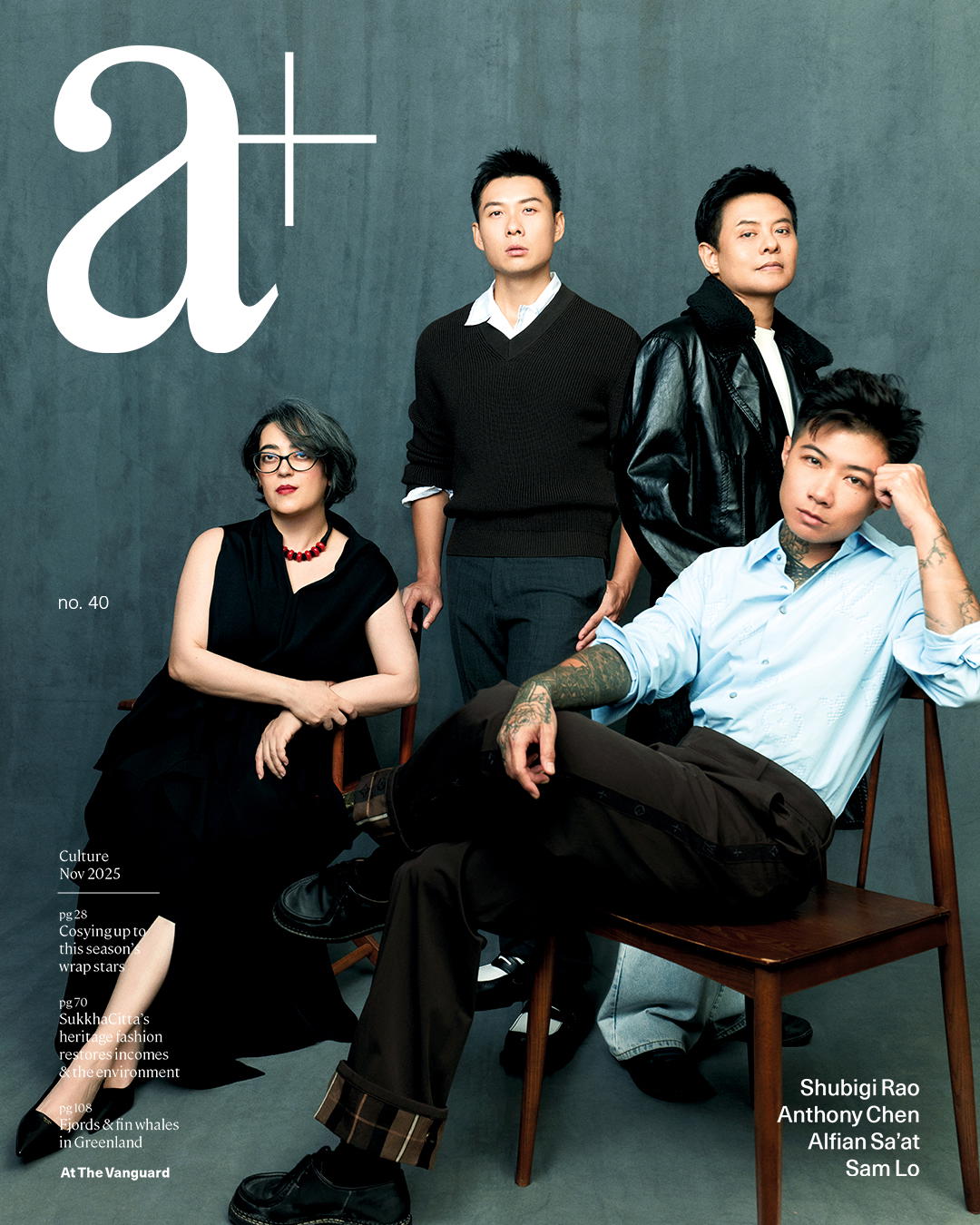
Photography Joel Low
Styling Chia Wei Choong
Hair Jenny Ng
Makeup Keith Bryant Lee, using Dior Beauty
Photography assistant Eddie Teo
Styling assistant Annalisa Espino Lim