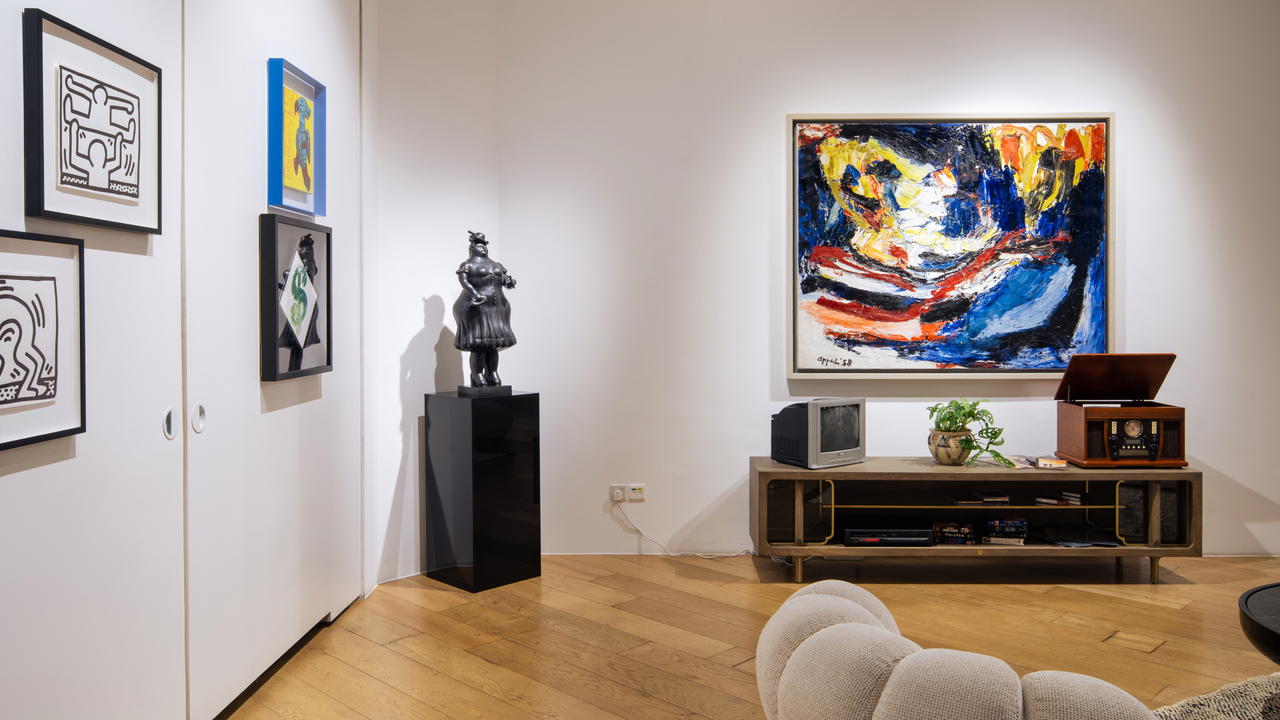
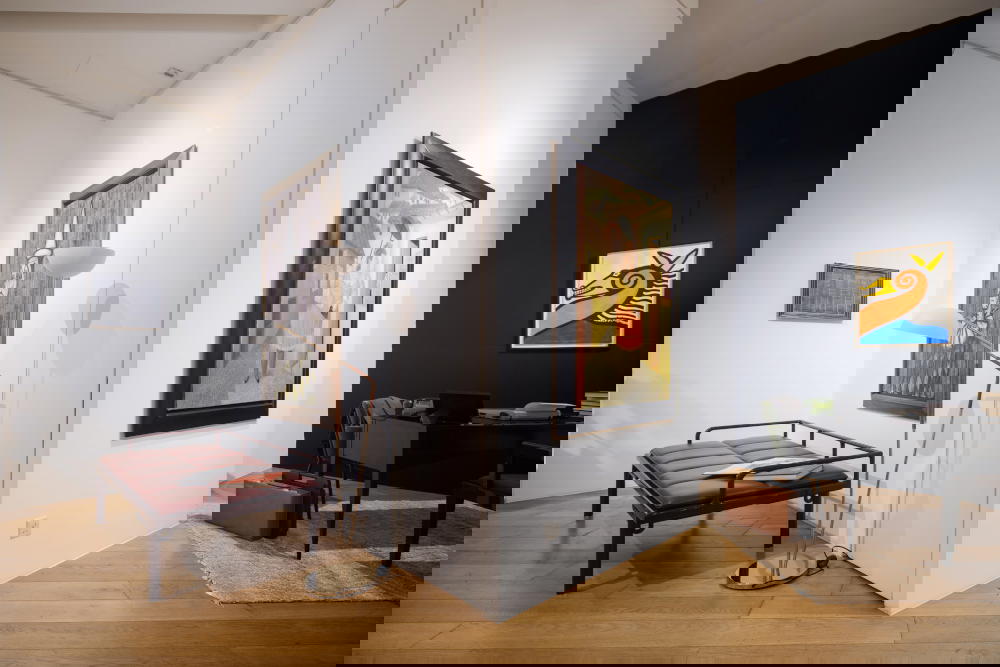
Contemporary art isn’t the same as modern art. The conflation is understandable, but knowing the difference can be worthwhile. Contemporary art dates from the 1970s to the present day. The modern art movement began in the 1860s and continued until the 1970s. In addition to aesthetic and conceptual differences, contemporary art can also shift the focus away from the artwork itself and towards the creation process.
Not that all art produced in these times is contemporary art. As a genre, contemporary art examines current social issues, and in our increasingly globalised, culturally diverse, and technologically advanced age, often revolves around themes such as politics, identity, and community. It can also serve as social commentary and be delivered through video, performance, or installation formats.
As it stands, art is used to tell stories and convey powerful messages. “Once an artwork leaves an artist’s studio and enters the public realm, it has the ability to influence society, inspire change, and foster empathy,” says Gilles Dyan, Founder and Chairman of Opera Gallery Group. Opera Gallery specialises in contemporary and modern art, and has 16 exhibition spaces around the world.
Art, Dyan continues, can address pressing social issues, challenge entrenched beliefs, and evoke strong emotional responses, making it an essential tool for cultural dialogue and reflection. He has seen it bring communities together, creating a shared sense of identity and purpose.
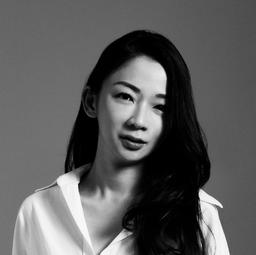
Still, Singapore’s art scene has a long way to go before it matures, contends Dominic Khoo. The founder of Singapore-based urban art gallery 28 Fevrier says that Singapore lacks a sophisticated appreciation for art because it is a culturally young country. If his name rings a bell, it might be because he recently made the news when 28 Fevrier signed Sean Dunston, the artist behind the controversial ‘Samsui Woman’ mural.
Khoo underscores the difference between collecting and comprehending art. “The affluent in Singapore spend a lot on things like art. However, real knowledge and passion are very different from spending,” he says. “Some countries have been rooted in culture for centuries. While they may not have as much money as Singaporeans, they have a deeper understanding, appreciation, and passion for things such as art.”
He adds that one key challenge stands in the way of advancing contemporary art in Singapore: business owners having to choose between passion and profit. “As businesses, galleries want to sell things. However, the exchange of knowledge requires time and willingness,” he concludes. In his experience, many of these owners rarely bother to educate buyers about their purchases as they are mostly concerned about maximising margins as quickly as possible.
But Dr June Yap, Director of Curatorial, Programmes and Publications at the Singapore Art Museum. (SAM), is more optimistic. Although contemporary art can be difficult to approach and understand, she says, it becomes intelligible when audiences realise it pertains to current affairs and trending topics. One way SAM makes contemporary art more accessible is by parking works in public spaces.
Navigating controversy
The number of Singaporean artists recognised on the world stage for their contributions to contemporary art, Dr Yap explains, is a testament to Singapore’s standing in the community.
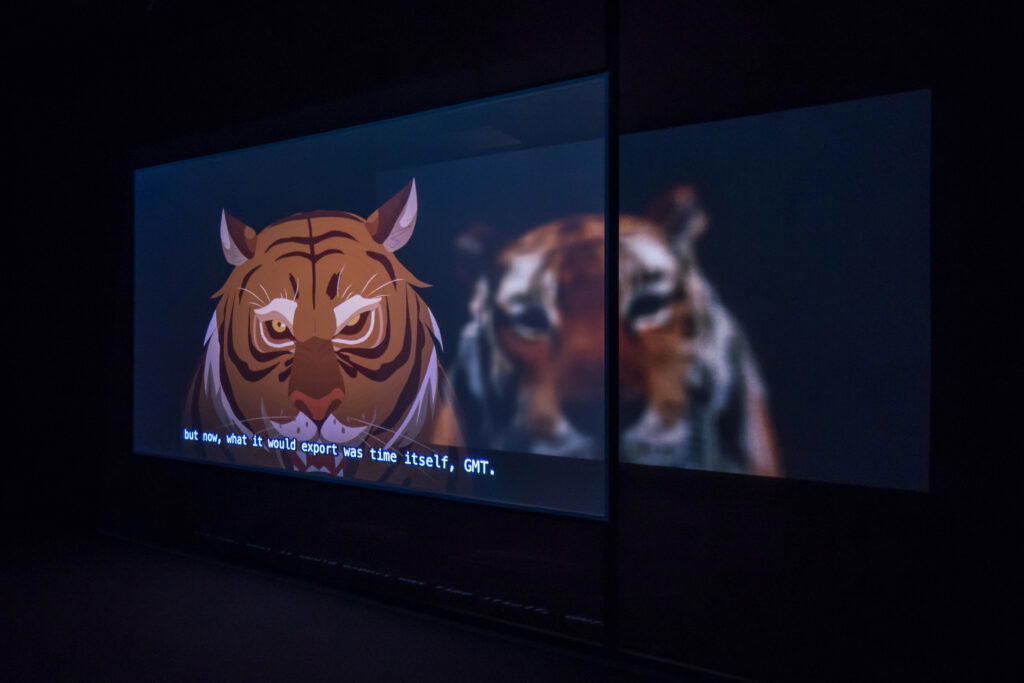
For instance, Ho Tzu Nyen’s solo exhibition “Time & the Tiger”, which debuted at SAM, is presented in prominent galleries and museums including Art Sonje Centre in Seoul and Hessel Museum of Art in New York. And as part of the 60th Venice Biennale, SAM organised the Singapore Pavilion, which features Robert Zhao Renhui’s exhibition “Seeing Forest” .
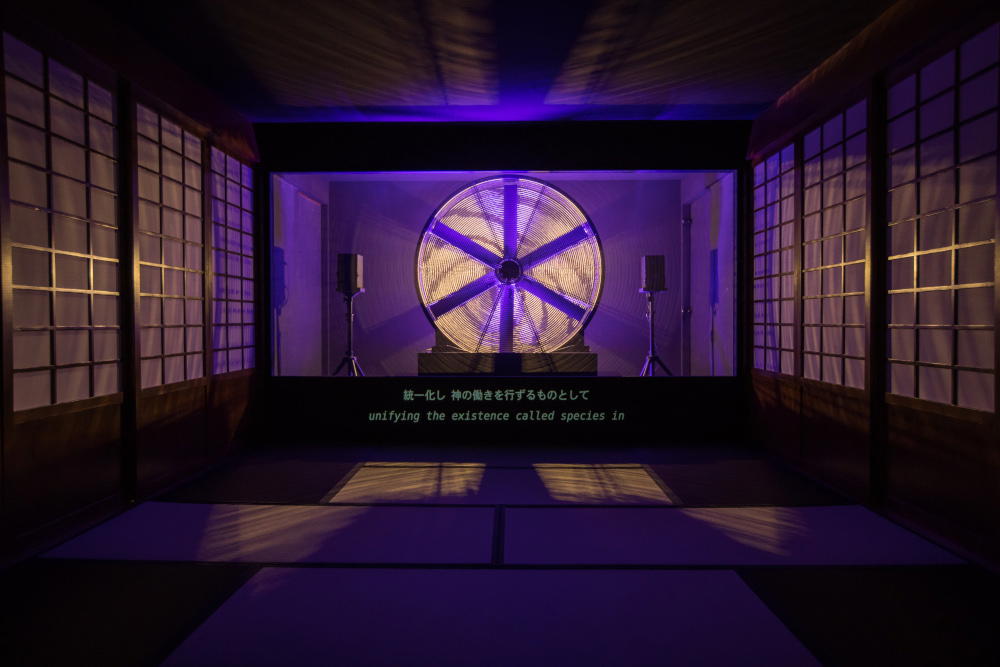
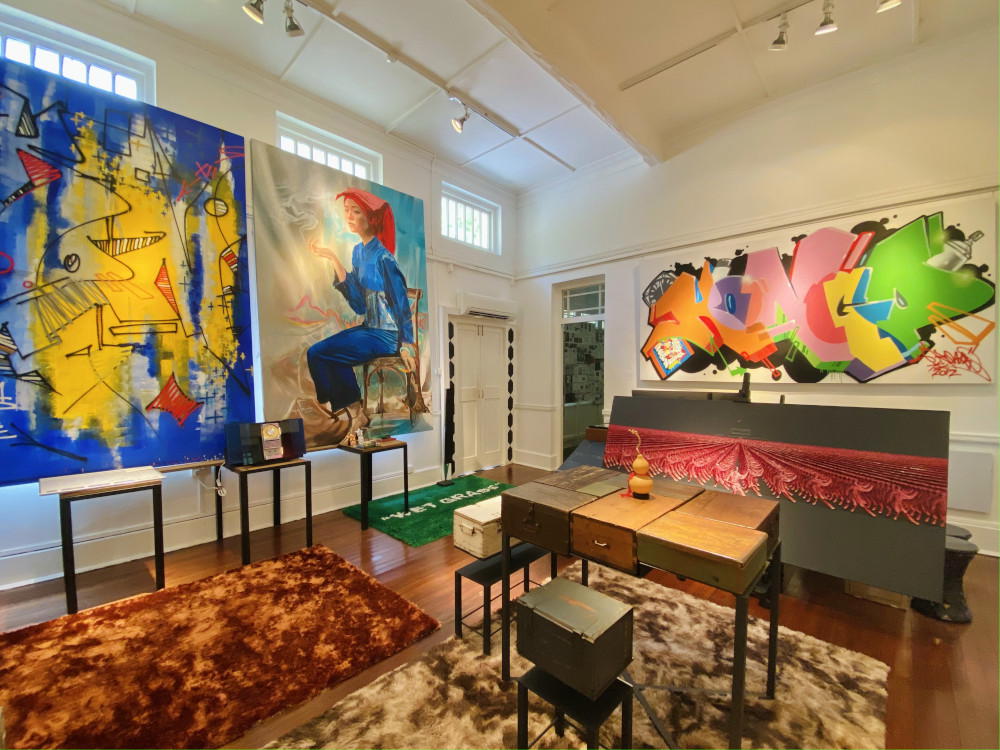
SAM also constantly shines the spotlight on emerging local artists and recently commissioned visual artist Divaagar to produce a piece called ‘Everfowl Estate’ for The Everyday Museum. According to Dr Yap, the site-specific, animal-friendly installation invites audiences to rethink interactions between bodies, identities, and the environment through miniature homes for fowl.
Dyan shares Dr Yap’s sentiments. While he admits that running an art gallery in Singapore over the past three decades has had its fair share of challenges, he believes that the key to overcoming any challenge in developing the local contemporary art scene is our adaptability—and we have proven adept at adapting to new technologies and ideas. When curating artworks, galleries like Opera Gallery prioritise both global trends and homegrown talent.
Khoo curates pieces for 28 Fevrier with concept and passion at the forefront of his considerations. “We speak to the artist after we examine their work so we can learn more about their mentality, character, and ability to deliver their ideas in the long term. These characteristics are important. It’s not just about the work you see in a single gallery or on an Instagram page,” he says.
28 Fevrier only exhibits artists’ work when they agree with the gallery’s holistic approach and an understanding is reached.
“The final stage would be when my partners and I collect the works ourselves. As a matter of principle, we only ask people to buy pieces we personally would buy.”
Dominic Khoo on curating art for 28 Fevrier
If you’re wondering, 28 Fevrier signed Sean Dunston following the ‘Samsui Woman’ mural controversy because, as Khoo puts it, it happened exactly when needed without being planned. “When I first saw the piece, I was blown away. I quickly went to look for the name of the artist, and lo and behold, it was my friend Sean,” Khoo recounts. “I messaged him on Facebook to catch up and congratulate him on the work. It made the news the very next day. I thought it was providential, so we partnered up.”
What is the future of contemporary art given the advent of AI? Khoo points out that even though we now see heavy usage of AI in digital art, we must remember that art is rooted in handwork, craftsmanship, and muscle memory. After all, oil and acrylic work cannot be derived from AI.
For this reason, he reckons that the first movers should be people in the digital art field. “If your work is solely digital or you rely on mass production, then AI is something that could work for you or against you.”
In Dr Yap’s opinion, AI, like photography, piques artists’ interest, and leads to both experimentation and innovation. That said, it has not only introduced challenges related to ethical practices, but also given rise to the navigation of the authenticity of works.
As such, the influence of AI has yet to be seen. “As a museum, SAM will be closely watching these developments, so we can provide space for exploration and meaningful manifestation.”