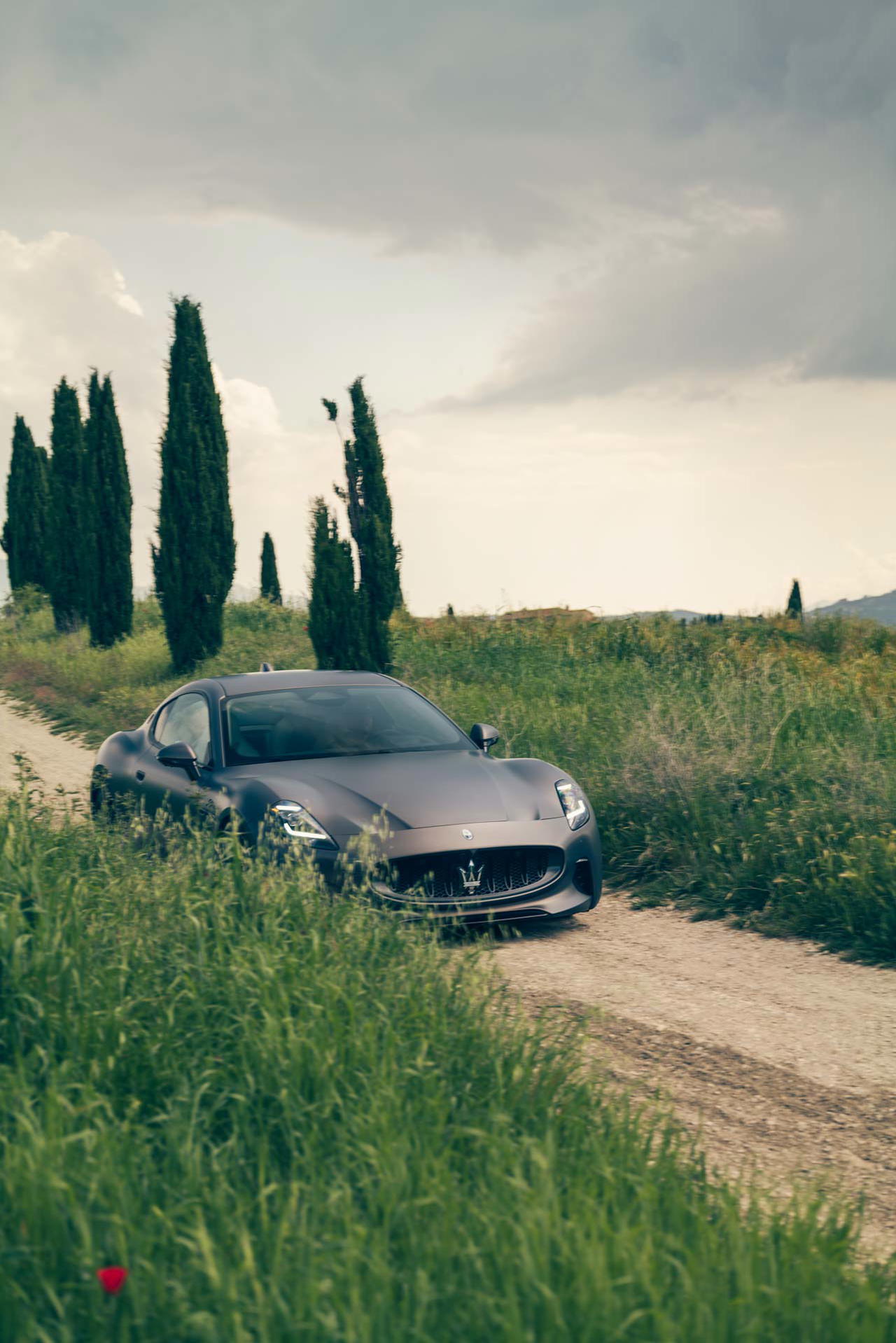
It’s thrown about with wild abandon in the motoring world. But not many know the origins of the word Gran Turismo. Traditionally, the term was reserved for cars that could drive like a sports car with the trappings of a luxury sedan.
Maserati has stayed true to that philosophy. In 1947, the Italian carmaker unveiled the A6 1500 GT Pininfarina. It had a 1.5-litre inline-six engine (a beast at the time) that propelled the car to an average top speed of 150kph. However, it remained comfortable over long distances.
Over 70 years later, the Maserati GranTurismo remain close to this ethos. The latest GranTurismo boasts a full-electric model, Folgore, and a petrol variant. Both offer performances fully suited to the racetrack with a century sprint of 3.5 seconds and a top speed of 320kph. Razor sharp handling is made possible by the low centre of gravity and perfectly balanced weight distribution. Turns, no matter how sharp or meandering, are child’s play for the new GranTurismo. Away from the racetrack, however, adjustable electronic air suspensions give you comfortable long drives. Your passengers can slink back into the leather seats and enjoy the sights and sounds.
Maserati has also created three Furioserie (the carmaker’s personalisation programme) One Offs to celebrate the GranTurismo legacy: the Prisma, the Luce, and finally, a digital-only Ouroboros. The GranTurismo Prisma is now on display at Maserati’s pop-up at 26 Dempsey Rd. Come view this one-of-a-kind masterpiece from now to 25 Feb between 10am and 7pm.
Prisma
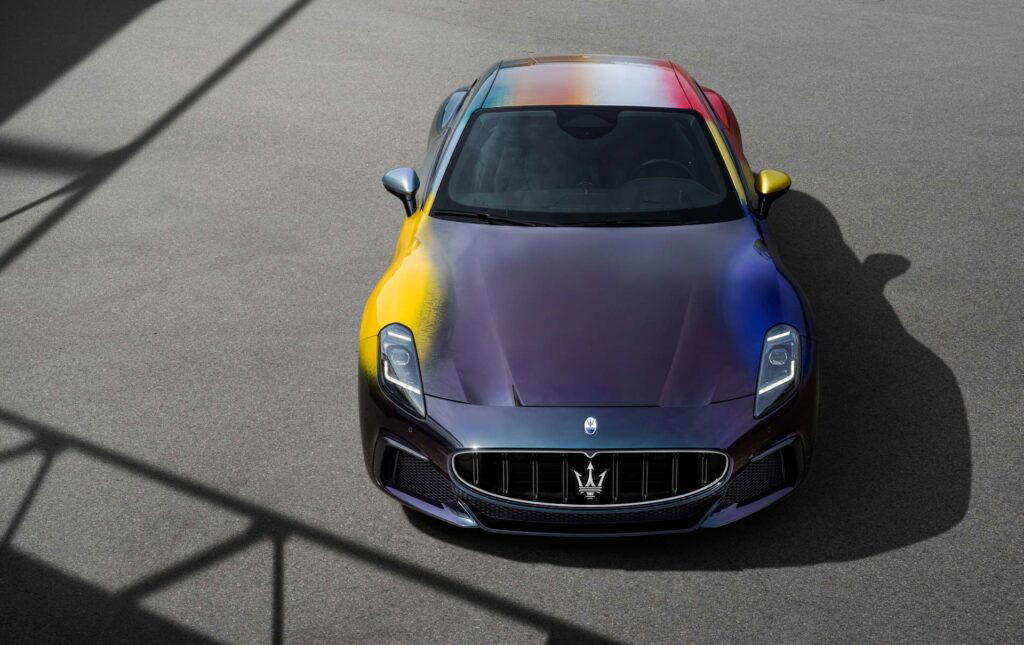
Fourteen. That’s the number of colours adorning the Prisma. Maserati designers selected the first 12 while the remaining two belong to specific models, the Blu Inchiostro and the space black Nero Cometa, created to celebrate Maserati milestones. Everything has been hand-painted and the car has been embellished with 8,500 letters making up the names of different Maserati cars, for a truly one-of-a-kind car. The process took over 130 hours to complete.
Luce
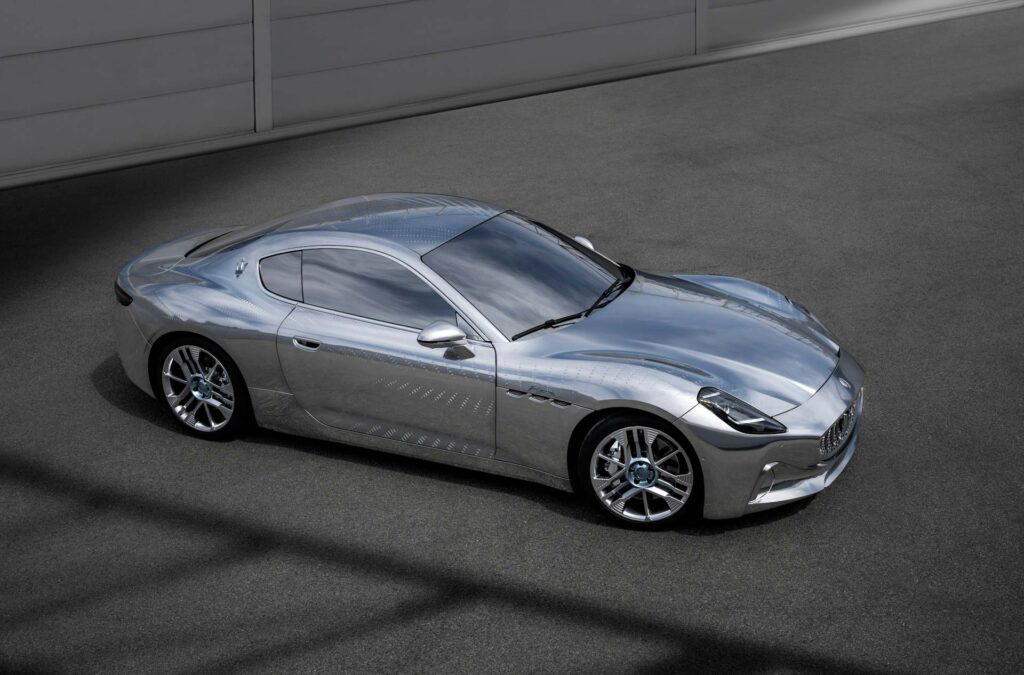
While the Prisma is powered by the Nettuno V6, the Luce moved forwards thanks to the Folgore electric powertrain. The exterior is devoid of colour. Instead, in a nod to the future, it’s fully enveloped with a laser-engraved and mirror-chromed shell that’s called Maserati Mirror of the Future. The interior is also draped in Econyl, a nylon fibre produced from regenerated waste materials.
Ouroboros
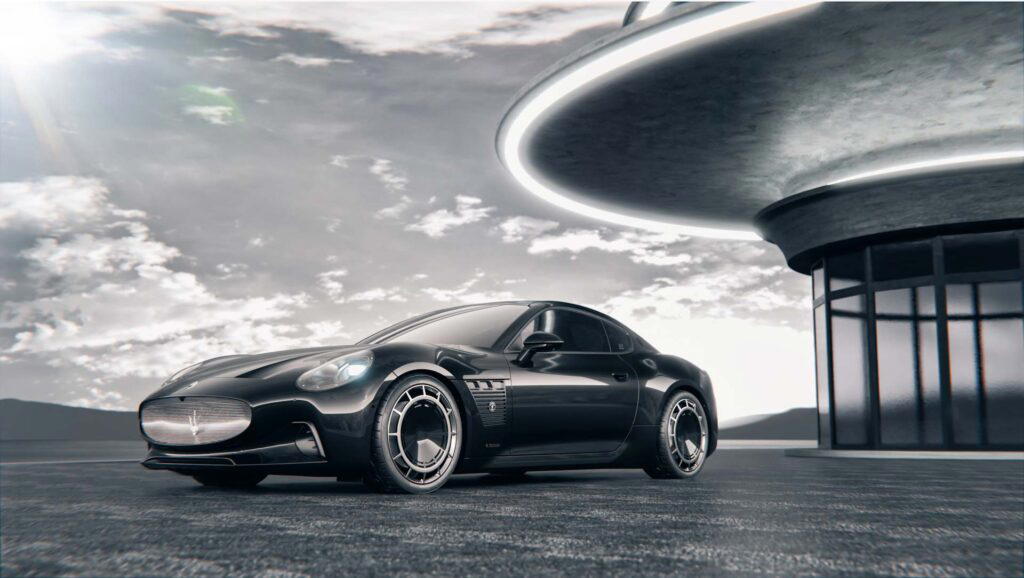
Named after the snake that eats itself, the Ouroboros was created in collaboration with Fragment Design. Different elements from Maserati’s past came together, such as Bora’s magnesium alloy wheels from the 1970s and covered round headlights from the 1960s, to create this exclusive digital creation.