Luxury goods used to be differentiated from mass products by their price, exclusivity, and quality. However, with the growth of knowledge and means among consumers, luxury has become increasingly accessible—for better or worse.
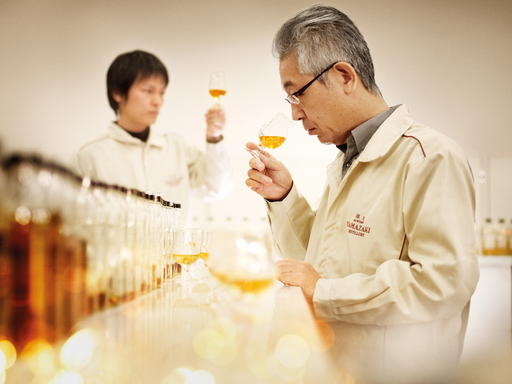
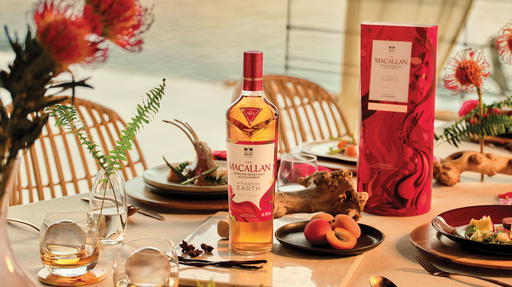
Today, true luxury lies in customisation. In the case of high-end whiskies, it means leapfrogging six-figure bottles of The Macallan and Yamazaki and going straight to the source. The best liquid, however, may be what you bottle yourself from a cask you own, in the minds of connoisseurs.
Unlike bottled whisky, casks continue to mature, enhancing their taste and value over time. Of course, it is important for those doing it purely for commercial reasons to exercise caution and do their due diligence, but for everyone else, purchasing a cask can be immensely rewarding.
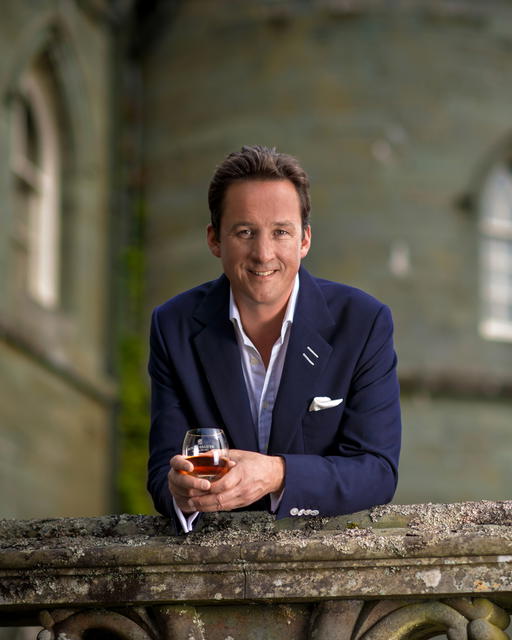
“You can age a whisky for five, 10 or for however long you want, and consume it whenever you want. Making your own bottle, label, or changing the cask for a particular characteristic is also possible,” says Rickesh Kishnani, Co-founder and Chairman of Rare Whisky Holdings.
The whisky venture capital firm owns Glenor Glenor Cask Company, a private whisky cask business also founded by Rickesh, who adds that “Personalisation makes for some truly memorable liquid time capsules.
“When my daughter was born, I started a shelf of small bottles. I draw a small sample from a cask every year around her birthday, so every sample has a different colour and taste. I’ll give her the set representing every year she’s lived when she turns 25,” he says.
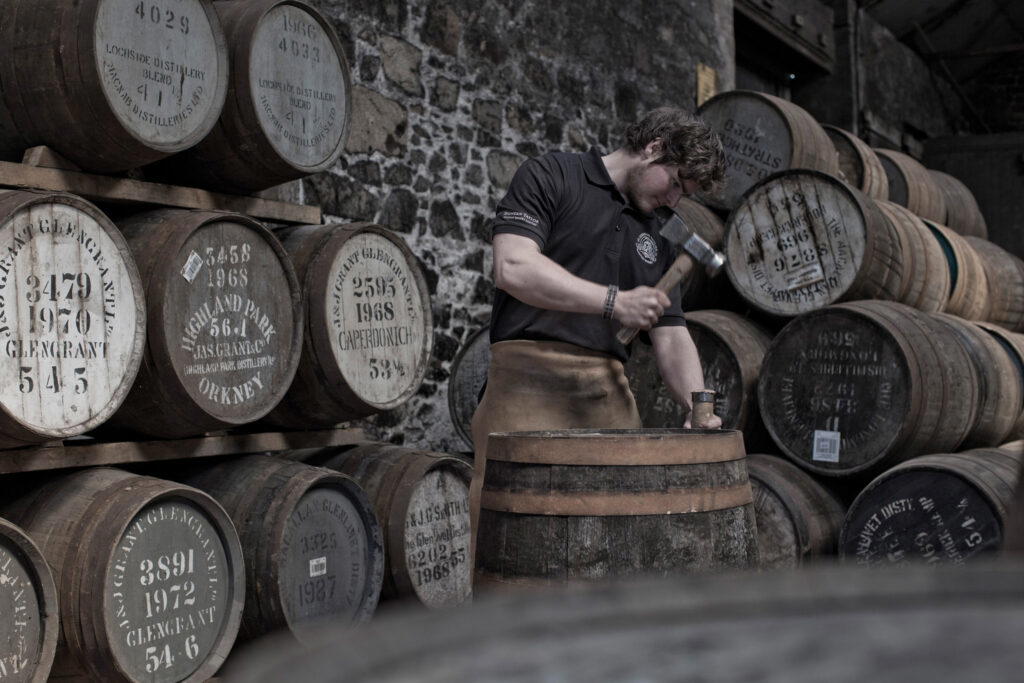
The experience of buying casks goes beyond sentimentality—it’s a collector’s dream. In addition to maintaining strong relationships with top distilleries, reputable cask brokers have access to rare or limited casks that the original distilleries don’t need.
Mark Thomson, Private Client Manager at Duncan Taylor, an independent spirits company, once sold a cask from the now-closed Imperial distillery. Its appeal wasn’t solely due to its ghost distillery status; the whisky had been matured in European oak—a rarity for Imperial.
Imperial usually looks like chardonnay, but this one resembled flat Coca-Cola. “I sold it to a gentleman who said it tasted like sherry. The cask was made by a distiller famous for making light, fruity, and fragrant whisky, but the cask type created rich, earthy, and dark whisky—its complete opposite—making it even rarer and unique.”
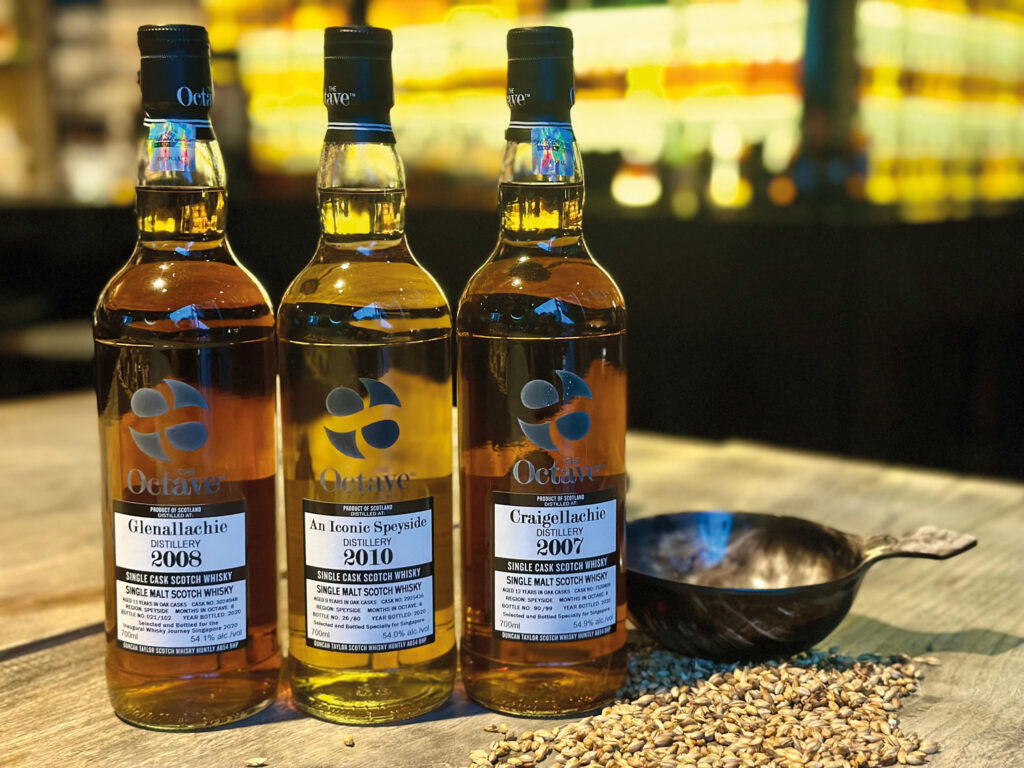
While the journey is enjoyable and perhaps financially rewarding, the following aspects should be kept in mind:
you MUST see the actual cask
“There are stories about people who paid a lot but only ever received emails about the cask,” Thomson warns. “One friend once asked a broker to sell his cask, and a week later, someone else offered him the cask he actually owned with a 30 percent markup.” Always request samples from the dealer before paying.
Get the right paperwork
“When you buy a cask, the delivery order is the only legal document that transfers ownership,” says Rickesh. “It should be signed by the warehouse where the cask is stored, ensuring verification in their system. Many people fail to take this step.”
Insist on transparency
“Some people will give you a price on the cask, but leave out the costs of duty, warehousing, label design, bottles, closures, packaging, delivery, and so on. These add up. The final price can sometimes be double what you thought it was going to cost you,” according to Thomson.
regularLY access your cask
As a whisky ages, less spirit remains in the cask due to evaporation. Hence, there is more interaction between the spirit and air in the cask, which will change the whisky’s character quite quickly. Thomson recommends visiting very old whiskies every three months. However, if your spirit is relatively young, you should check it every two years.