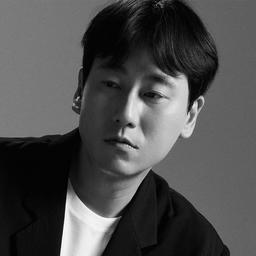
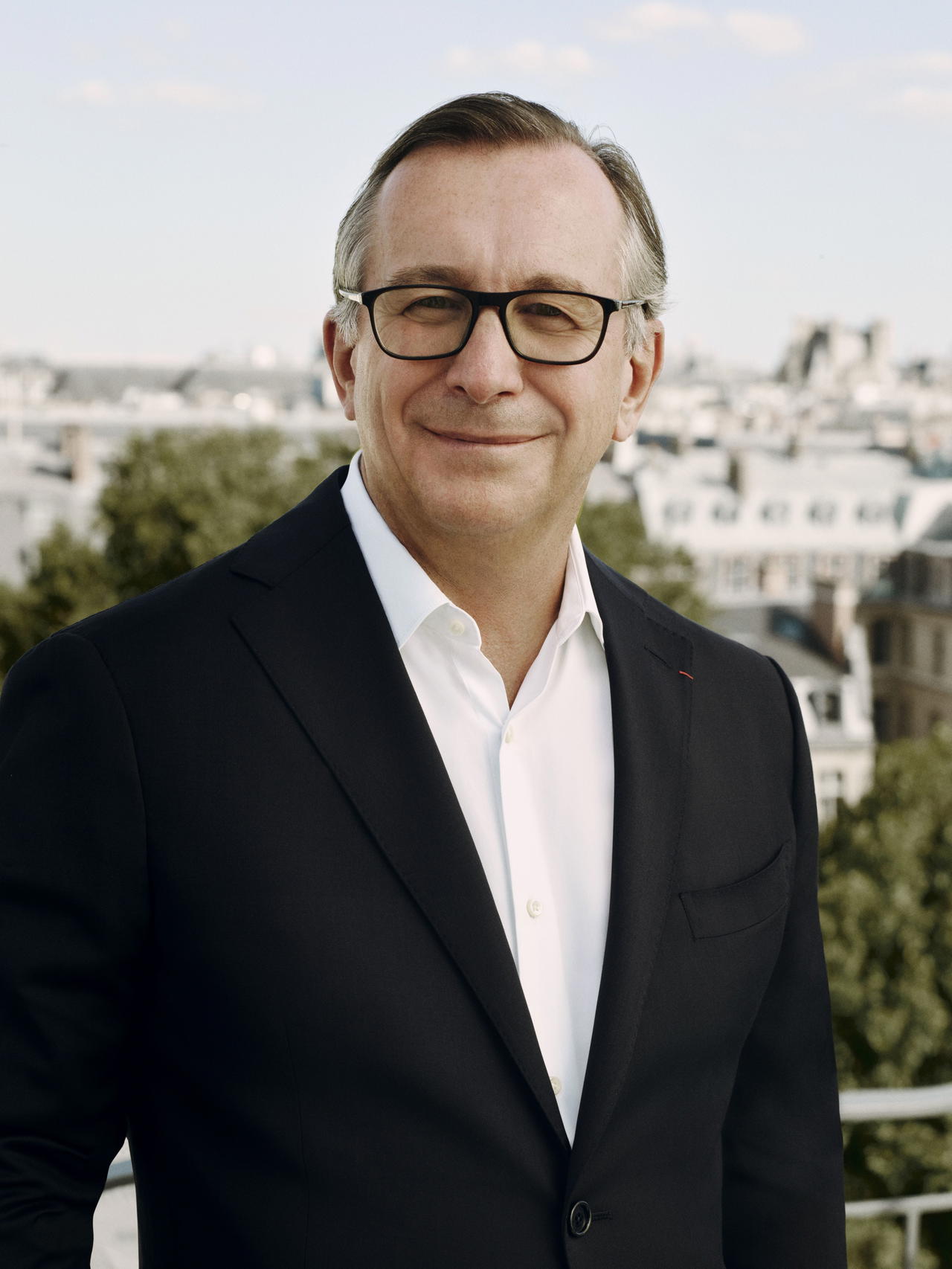
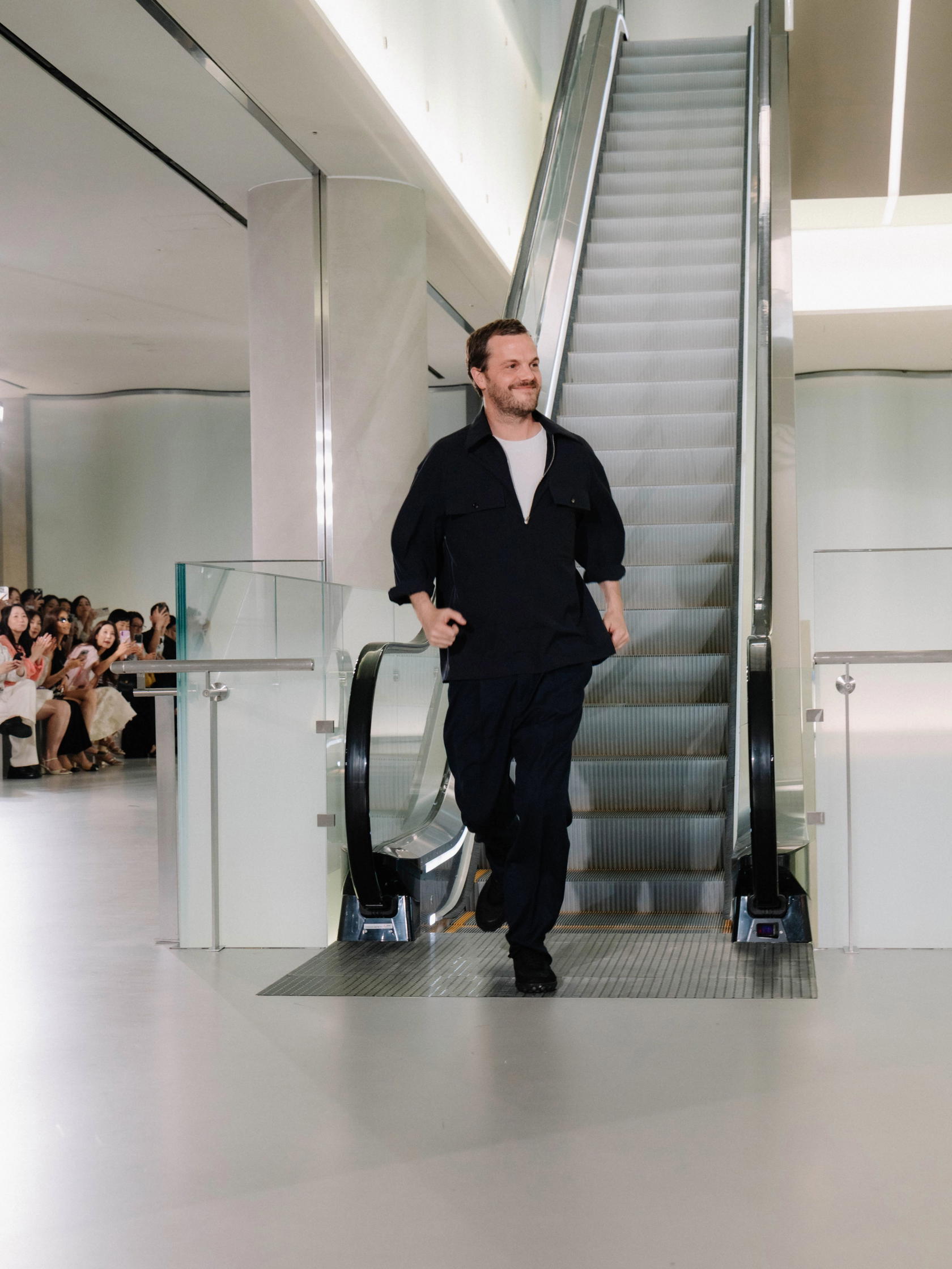
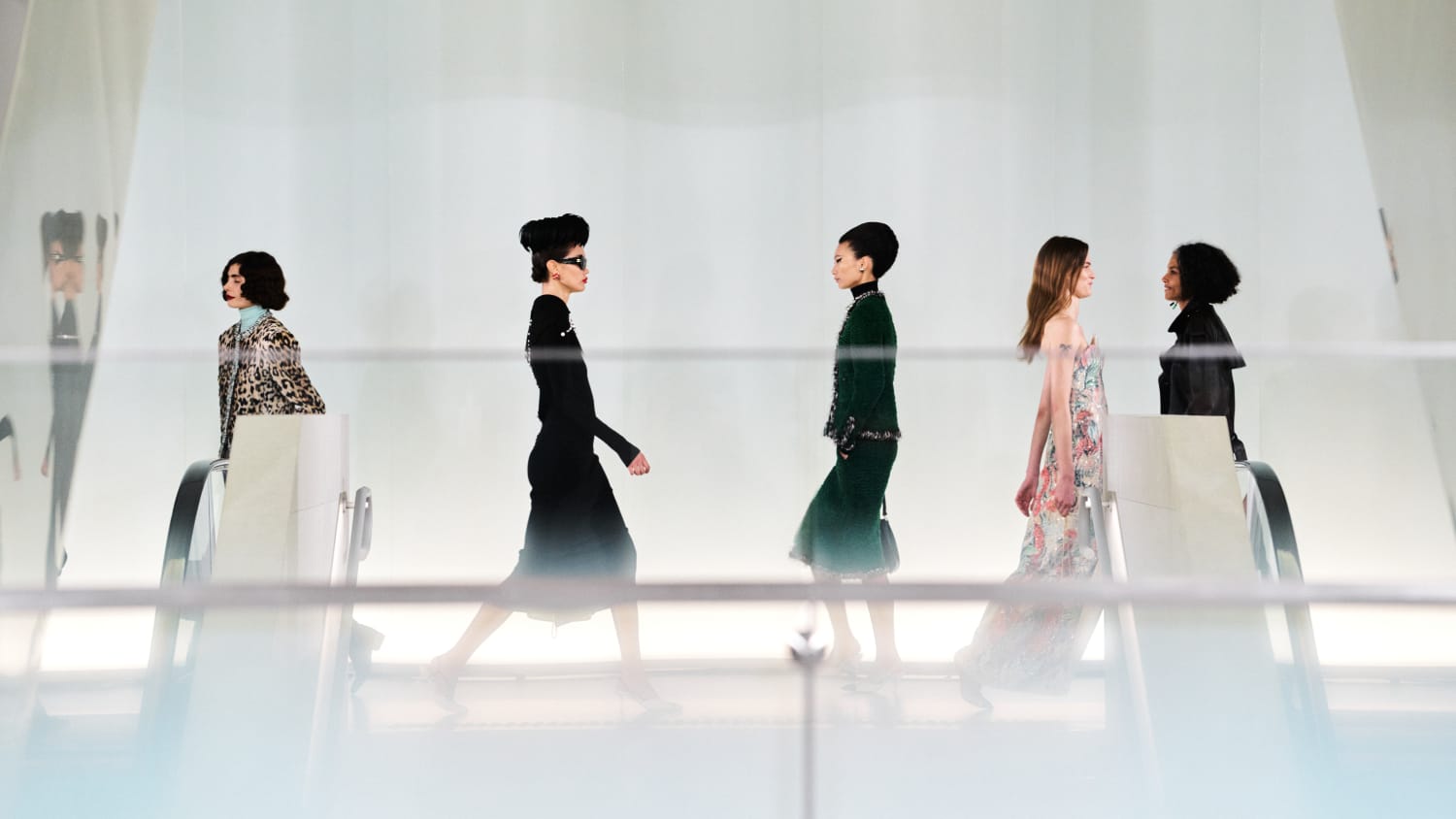
On an overcast Tuesday afternoon in May, we make our way to the Centre Pompidou Hanwha in Seoul, housed within the iconic gold-clad 63 Building in Yeouido. We are here for the runway presentation of Chanel’s Métiers d’Art 2026 reprise show, first unveiled in New York last December. Here, we meet Bruno Pavlovsky, President of Fashion Activities and President of Chanel, to discuss Matthieu Blazy’s early collections and how craft will continue to shape the maison’s next chapter.
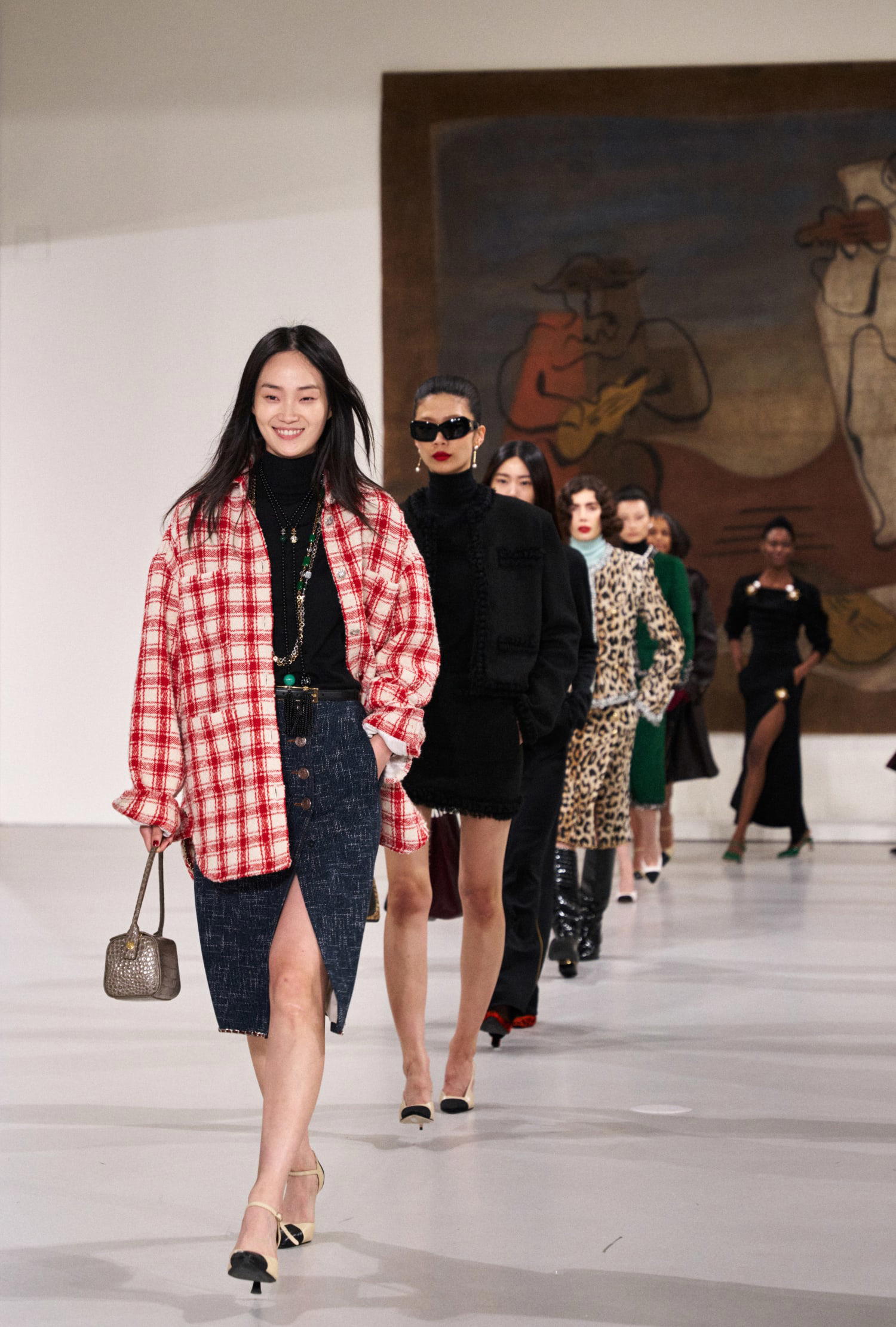
Chanel Métiers d’Art shows always relates to craftsmanship and its host cities. Why did you choose Seoul for this one?
Our show in New York took place in the subway, picked because it is a place you see different kinds of women. We moved the show to the Centre Pompidou Hanwha in Seoul because it also where you see different kinds of women, moving through the galleries. It’s an unexpected evolution but it’s what we love to do at Chanel. It’s a big opportunity for us to do a replica show. I hate calling it a “replica” because it is not a replica; it is the same collection, with adjustments made for our clients in Korea. And our partnership with the museum made storytelling really and seamless. It is a different experience from New York; it is strong, surprising, and spectacular. We are super happy to be here.
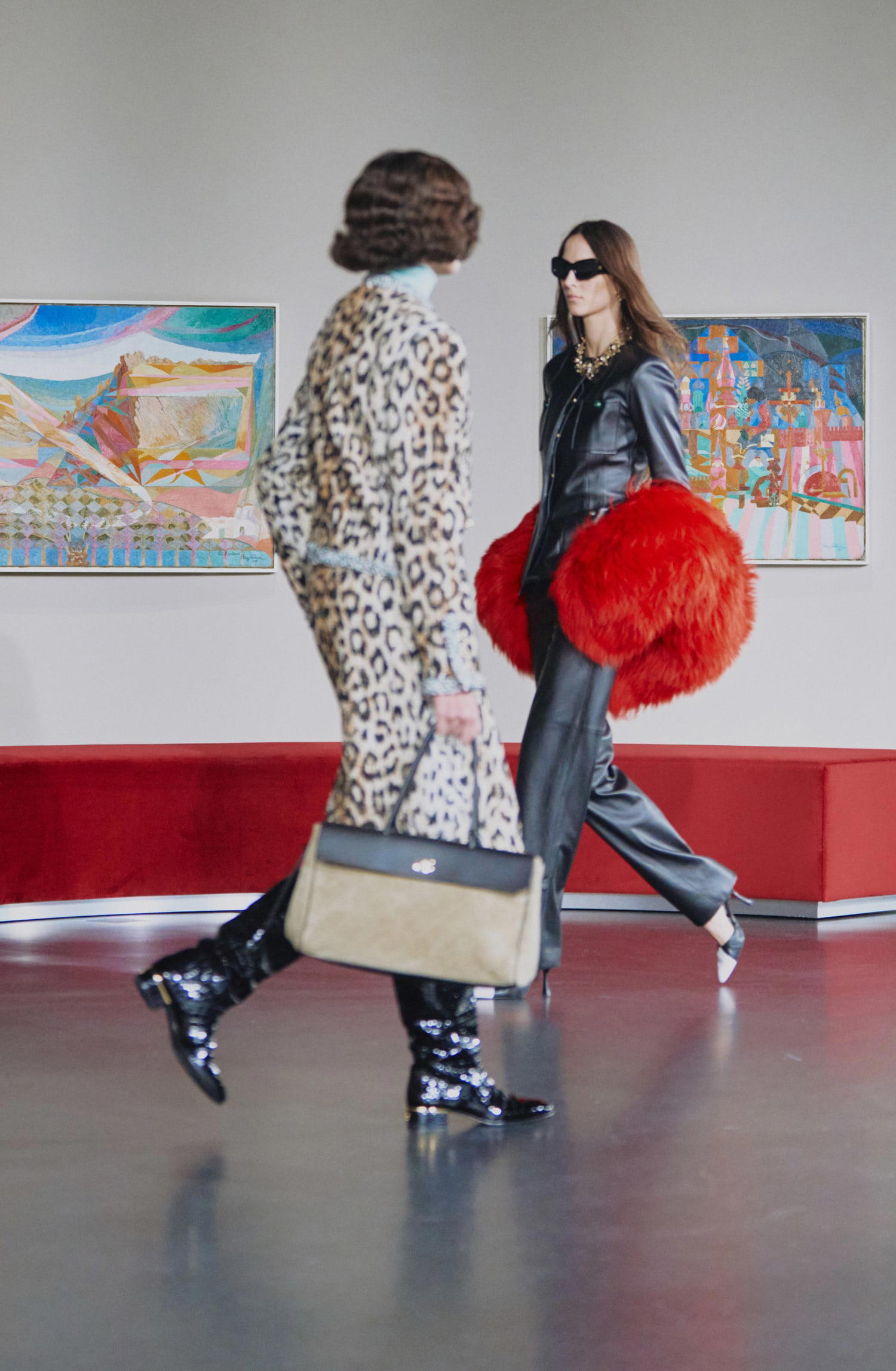
What are your most memorable moments from Chanel Métiers d’Art shows?
We have had so many amazing stories with Karl [Lagerfeld] in cities like Cuba and Edinburgh, and we are building new memories and nice moments with Matthieu, who is super-energetic. We knew we wanted to show in New York; we didn’t have a lot of time but managed to find the location in six months. We’ve had four days in Seoul; the experience allows us to connect and engage with our clients here. The collection launches tomorrow, when clients get to resee the pieces at a special installation and make appointments with the boutiques.
How does Chanel balance the tension between slow fashion and market demands?
If the economy softens, the luxury industry softens too. Our brand is not protected from the realities of life…but we have doubled the business, and we are starting a new cycle thanks to Matthieu. I love the idea of being more intentional with where we want to take the brand. Chanel has a unique model system; we don’t have many clients, but they are very powerful clients. They have a very special emotional bond with the brand so we must continue to develop this experience. Our future is not about being big, it’s about being connected to our clients. We are not trying to have a lot of new clients; we are offering our best to existing clients. And that makes a big difference.
This is Matthieu’s first show in Asia. What are your expectations?
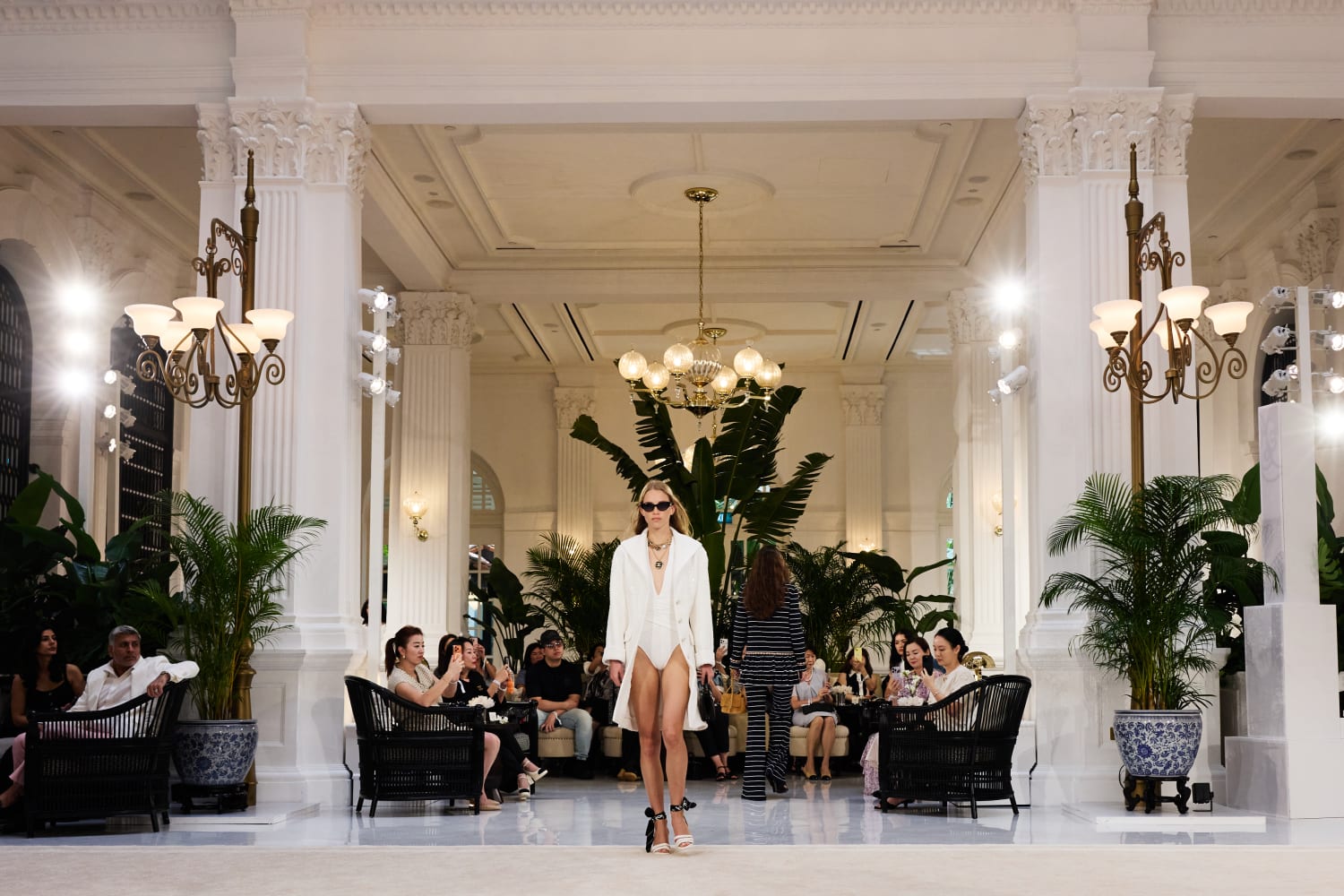
We are doing quite good business in Asia; the past six months have been quite strong. In November, we were in Singapore for a replica show, and the results were really positive. So we are in a good direction. And you might not believe me, but Chanel is still small. Our brand value is huge, but we are small, in number of boutiques and in number of clients. And we want to keep it that way because being small allows us to better engage with our clients. It is super-important. This morning I did a conference with our people here in Korea. I am obsessed, as you can tell, by the client experience. The client experience varies from Seoul to Hong Kong and Malaysia, so infusing a local touch in engaging with clients is the best way for us to develop the brand. It’s about the right way to communicate to our audience.
Matthieu has drawn much attention for loosening Chanel’s codes by introducing elements we didn’t immediately associate with the brand. How do you manage the relationship between heritage and reinvention?
I love this question! I think that heritage is important because we have such a strong one. When Matthieu first started, he was like, wow, how can I deal with such a heritage? While it is challenging, our strong roots offer a lot of freedom for the future. And Matthieu very quickly understood. When you start from nothing, it is difficult. But when start from something powerful, you build your own intuition and there’s freedom to design what you feel is best for the brand. The codes are same yet different, allowing us to ensure consistency. We don’t want a new Chanel; we want a Chanel that attracts these clients. And, voila, the results have been very encouraging.
How have clients reacted to Chanel under Matthieu?
Since the first collection previewed in October, we have been listening to our clients, press, and influencers. Our brief to Matthieu was that we had to move and create a different energy. It appealed to the press, but clients considered, is that for me or not? Is that Chanel or not? If you ask me, everything is part of Chanel. It is an evolution of Chanel. Matthieu’s first collection did very well, but we can only be sure towards the end of the year when we review the revenue. But we are very happy with what we see now.
How has Matthieu helped to shape Chanel’s new language?
You know, we’d been talking to Matthieu for a long time. The very first day I met him, which is quite a long time ago, he knew everything about Chanel. Matthieu is very inspired, he’s very professional, hardworking, loves research, loves fashion history, and probably knows more about Chanel than me. Yesterday, I saw the set-up for the Seoul show and the paintings were quite amazing. And Matthieu and Laurent Le Bon, president of Pompidou in Paris, started discussing which painter was a friend of Mademoiselle Chanel!
How do you see Métiers d’Art and couture fit into a world increasingly defined by AI and automation?
I am very comfortable with both craft and AI. It’s not a paradox; it’s not a contradiction. AI can support but cannot replace imagination and passion. AI can make us more efficient, but it will not be able to design the clothes. It cannot replace Matthieu, an atelier, and how a garment is cut and sewn together.