CHANEL
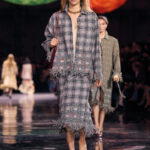
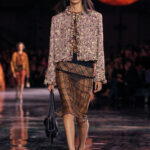
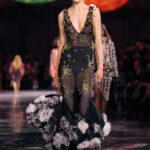
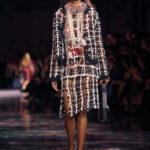
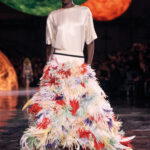
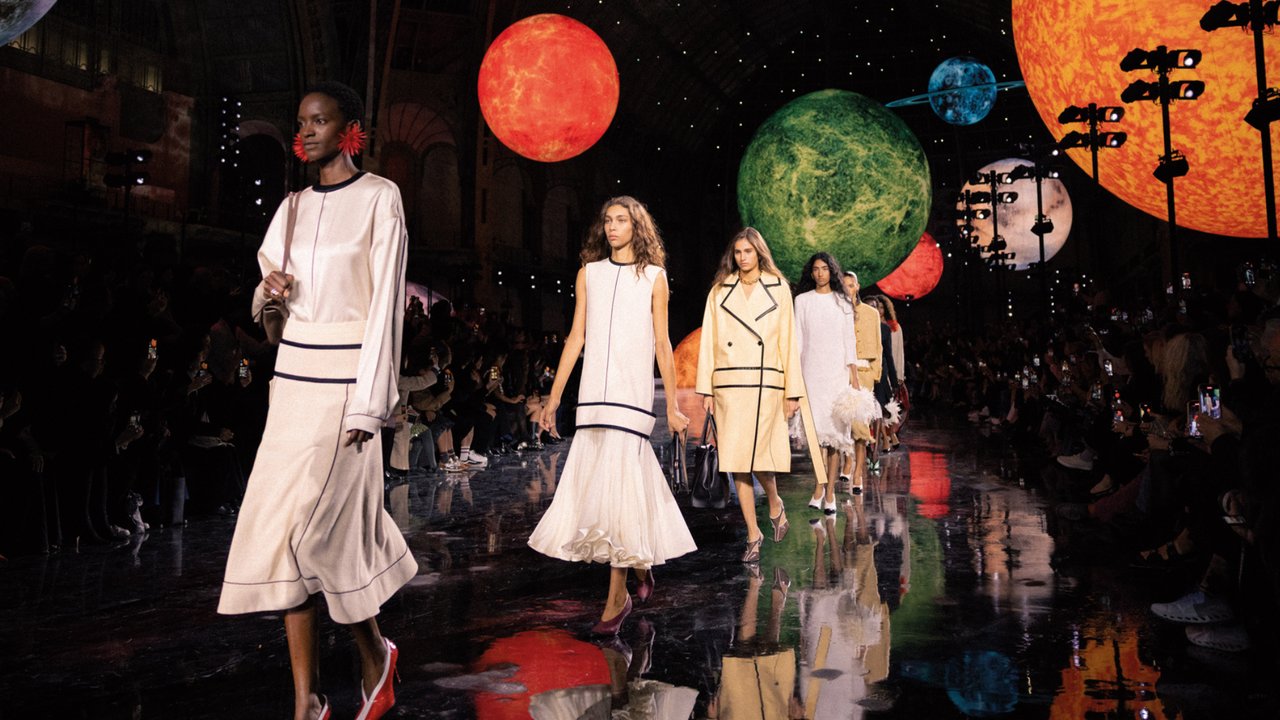
At the Grand Palais (Karl Lagerfeld’s favourite playground), a glowing solar system hung above the audience and a glossy floor mirrored “stars” scattered across the vaulted ceilings, making everyone feel as though they were at the centre of the universe.
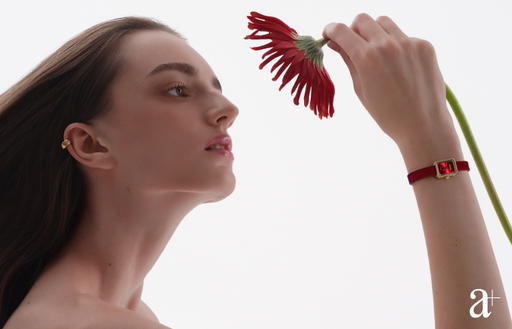
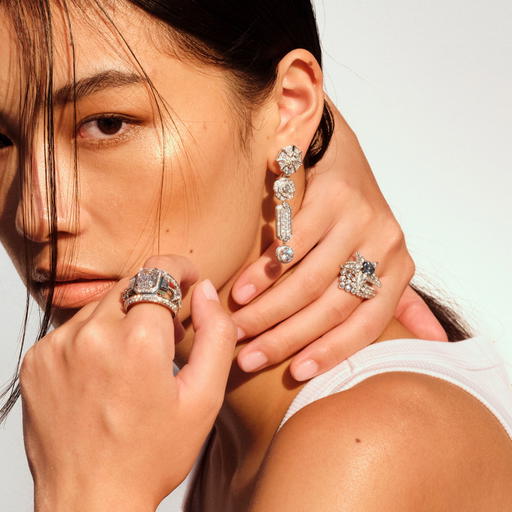
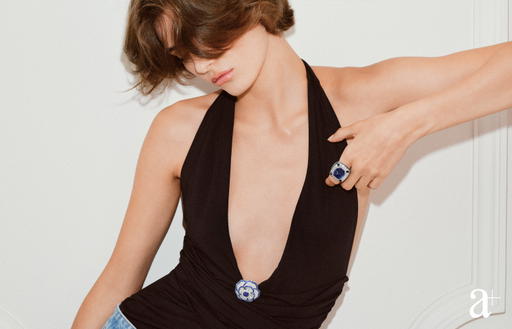
Clearly imbued with the idea of universality, Artistic Director Matthieu Blazy explored iconic Chanel codes such as tweed, black and white, and fabulous costume jewellery.
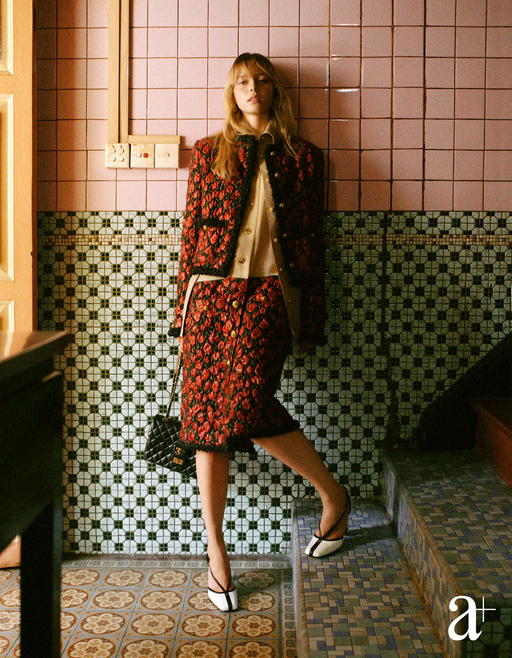
Featuring lovely tweed and tweed-like fabrics, sharp black-and-white looks with flapper-inspired silhouettes, shirts crafted in collaboration with Charvet, and distressed 2.55 flap bags, the collection was nostalgic yet contemporary.
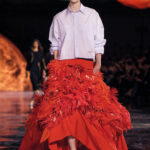
As always, the craftsmanship dazzled. Lightweight tweeds frayed into caviar-beaded hems, intricately embellished jersey dresses floated, and accessories featured baroque-style pearls and coral motifs. And in a nod to Chanel’s couture heritage, feathers embellished earrings, tops, and that breathtaking finale skirt to mimic flowers in a modern, edgy twist on the camellia.
Blazy’s debut was an ambitious opening statement. Yet, at times, the emphasis on universality and technical intellect slightly eclipsed the house’s mischievous, free-spirited DNA.
More info here.
DIOR
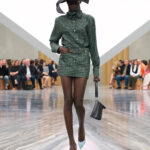
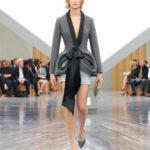
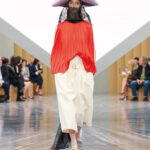
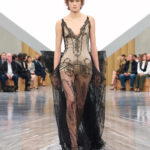
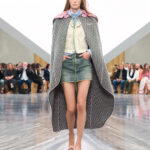
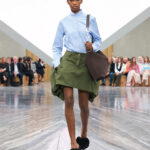
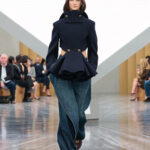
Jonathan Anderson brought his trademark high-camp humour to Dior. As part of the opening short, British filmmaker Adam Curtis incorporated horror movie scenes into haphazard sequences, perhaps hinting at the pressures of running a major fashion brand.
Anderson, who has a knack for distilling a brand’s essence, while keeping it legible yet abstract to reveal its underlying codes, reinterpreted Dior’s historical silhouettes with clever twists. He translated the folds of the Delft dress into a mini skirt (remember those cargo shorts for the men’s show?). The resplendent petals of the Junon dress were displayed as a small jabot on a checked shirt or the fluttery hem of a mini dress. The iconic Bar jacket, paired with a pleated mini, was recut with its waist raised to just below the bust, flaring dramatically.
Although not every silhouette felt immediately flattering, Anderson’s intent was clear: to connect Dior with a new, social media-savvy audience. And he did. Those seeking wearability
will find familiar pieces, such as denim jeans and skirts in soft hues, high-neck shirts, and capes in jersey or silk.
In between, several stood out for their modern vibe. Lace gowns with explosive panniers and jersey trousers with pleated waistbands showcased an excellent balance of historical references and contemporary design.
Debuts are never easy, and Anderson’s second outing for Dior still feels like the start of an exciting chapter. All eyes will be on how he continues to invigorate the house with his wit, intellect, and sharp instinct for the contemporary.
More info here.
BOTTEGA VENETA
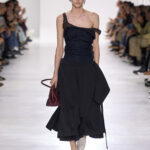
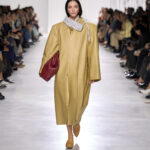
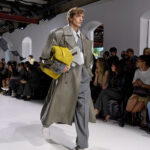
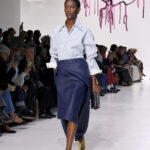
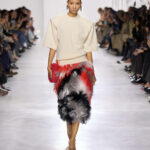
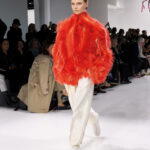
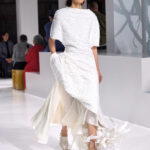
Louise Trotter’s debut at Bottega Veneta was overwhelmingly positive on social media. Many praised her masterful craftsmanship and applauded her designs as a must-have for every fashionista’s mood board. However, these strengths paradoxically made parts of the collection feel purposefully measured rather than directional.
Bottega’s signature Intrecciato weave was explored in every way possible. This included oversized weaving on men’s long shorts and coat panels, and a finely woven cape which looked like smooth calfskin from a distance. The cape, in particular, embodied the brand’s history and craftsmanship.
Some elements also seemed heavy-handed, especially for a spring collection. On the runway, a dress layered with piles of fringe looked dramatic, but offered limited cues on how women dress now. A densely beaded navy halter top carried noticeable weight, which in turn muted the impression of its fine craftsmanship. In addition, fibreglass-fringed jackets and skirts were visually striking, but risked outpacing function.
Of course, there were pieces that successfully melded craft and wearability. A striped shirt with a wrapped skirt made from finely woven leather strips felt purposeful, while draped leather or silk dresses with falling straps were sensual and feminine without being overly so. There was even a playful summer option: a dress inspired by the polo shirt that may appeal to men, too.
Several boxy suits and coats, though, could have pushed for more provocation. While reminiscent of Phoebe Philo’s tailoring at her namesake label, they could benefit from a lighter construction. Accessories, on the other hand, excelled, with reinterpretations of the Lauren, Knot, and Cabat, already crowd favourites.
With Trotter’s diverse experience, from Calvin Klein to Carven, we’re confident she will soon find the right balance between technical craft and modern desirability.
More info here.
VERSACE
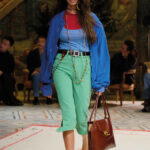
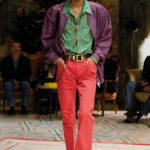
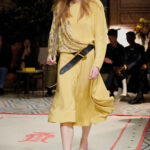
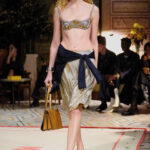
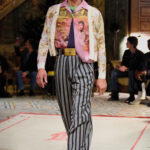
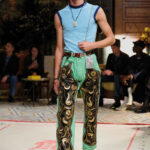
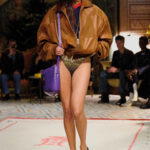
Dario Vitale’s vision for Versace struck me as fun, sexy, and youthful. Though there were hints of Miu Miu (he was its Design Director), there were no glamazonian models and OTT makeup. It was, in fact, a thoughtful homage to Gianni Versace, even if some proportions weren’t easily identifiable.
The designer unexpectedly drew inspiration from Versace’s Jeans Couture diffusion line from the 1980s and 1990s, renowned for its casual separates aimed at young consumers. An opening procession of languid blazers paired with high-waisted jeans in clashing shades of purple, red, salmon pink, and blue appeared inspired by Miami Vice. There were also scooped-out tops reminiscent of DIY muscle tees and unmistakably 1980s dresses, with strong shoulders, slouchy drapes, and archival checkerboard prints.
Even though it wasn’t overtly sexy by traditional standards—no plunging necklines or skin-tight silhouettes, please—it emanated a playful, confident allure that resonated with young audiences. American model and influencer Alex Consani, in a tiny, bejewelled bralette and a low-slung skirt with a nonchalantly tied sweater at the waist, perfectly captured the vibe.
More info here.
BALENCIAGA
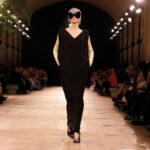
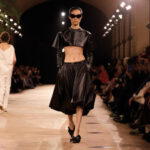
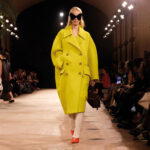
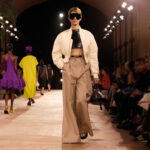
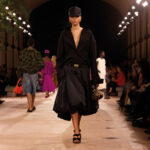
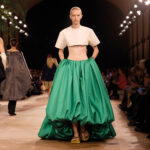
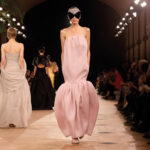
Balenciaga’s designs typically redefine the limits of what is possible with its radical silhouettes, architectural precision, and a fearless sense of innovation. Pierpaolo Piccioli’s debut, however, was a negotiation with that legacy as it attempted to reconcile its storied past with a younger, digitally-attuned generation’s expectations.
While visually striking, the result was also tentative, caught between a respect for tradition and a desire to interpret it in a more modern way. Sculptural restraint alternated with softer, emotive shapes in silhouettes. The tailoring was impeccable, but the collection lacked the audacious tension that has historically characterised Balenciaga.
Conceptually, a cropped T-shirt with a bubble skirt from the archive was intriguing, though the proportions felt a touch unresolved on the runway. The iconic sack dress, which opened the show, offered little modernisation beyond extending it to gown length. Bubble bombers and jackets styled with slacks or denim shorts read more retro than newly directional.
In addition, Piccioli’s usually sharp sense of colour was muted; fuchsia, pink, and occasional prints were overshadowed by black. His vision might have been tempered by the styling. One can imagine his cape-like T-shirts with a long, languid skirt, or cropped tops replaced with bodysuits, to foreground Balenciaga’s archival silhouettes in a more contemporary way.
The weight of Balenciaga’s heritage may be challenging to navigate, but Piccioli has repeatedly proven—most notably at Valentino—that he can balance respect for the past with modern sensibilities. Despite this cautious beginning, it also showed glimpses of a designer finding his way in a house known for innovation. The future of Balenciaga looks promising and exciting.
More info here.