
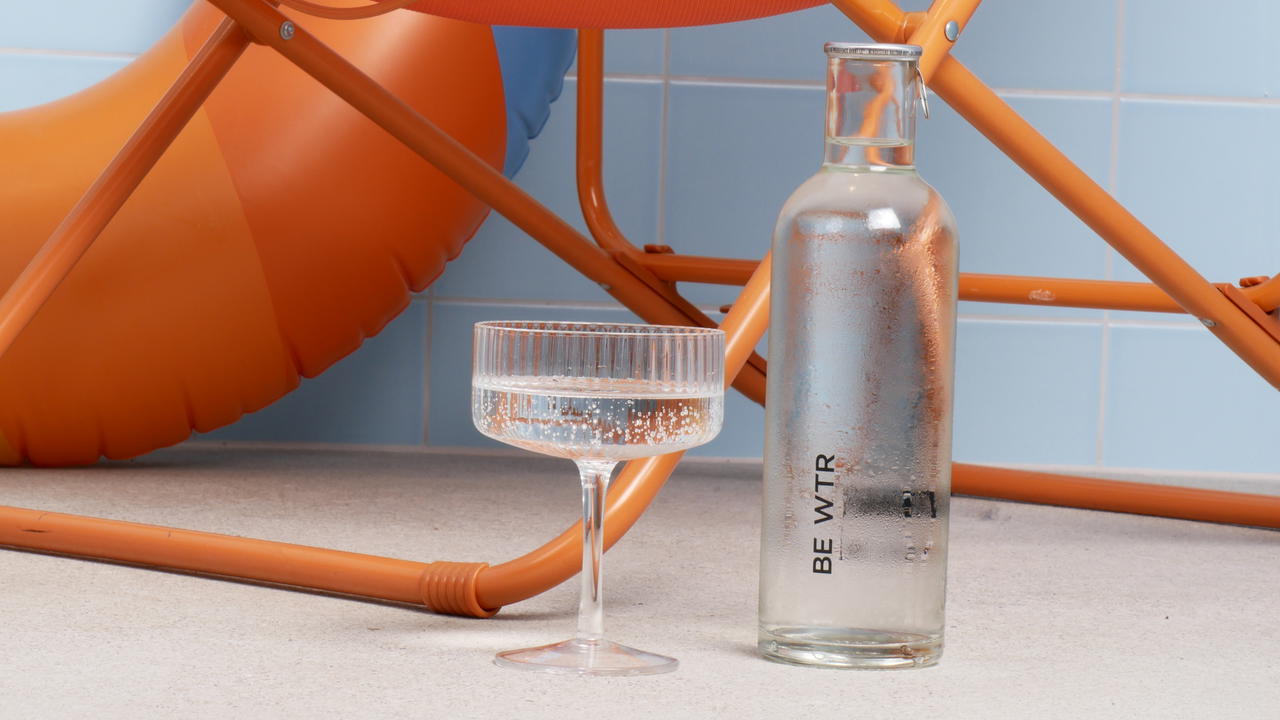
As it turns out, Singapore’s tap water can be even more drinkable. Swiss company Be Wtr uses an advanced technological filtration system to reduce the impurities, microparticles, organic substances, and chlorine in tap water while retaining the naturally-occurring minerals.
There are two parts to the set-up. One, an under-the-counter filtration system connected to the dispenser. Two, reusable glass bottles that last 200 cycles—five times more than the industry standard—to alleviate dependence on single-use plastics.
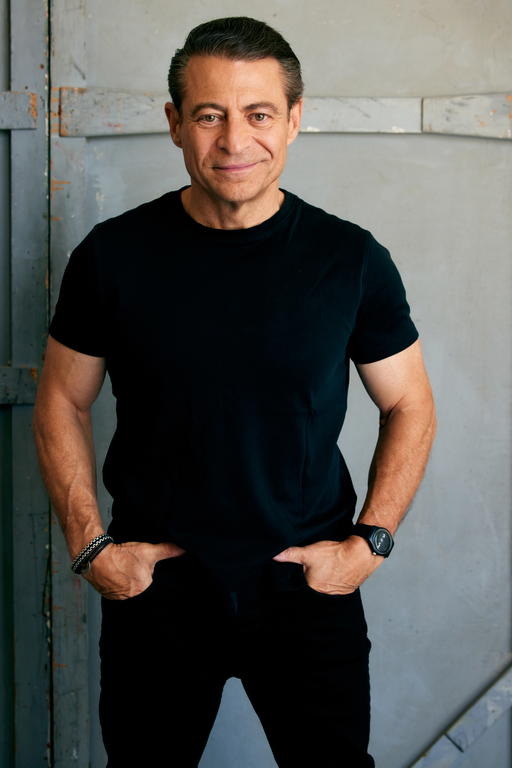
“We use extra flint glass of the highest quality. It is made in the Mediterranean and known for exceptional durability,” Mike Heckler, Be Wtr Founder and CEO explains. In addition to a wide neck to facilitate cleaning, every bottle also comes with a recyclable aluminium cap.
Be Wtr chose Singapore as the first Asian market to penetrate, he adds, because of our excellent water management systems, clear sustainability roadmap, and nationwide commitment to environmental responsibility.
This is on top of our high standards for innovation and hospitality—categories relevant to the brand—because it also Be Wtr’s certified B Corp filter system reduces the nasties in our tap water. partners with hotels and restaurants. Be Wtr beverage is currently available at Raffles Hotel, The Singapore Edition, Shangri-La Singapore, Brasserie Astoria, and Aniba, among others.
The company’s commitment to social and environmental performance recently earned it B Corp certification, demonstrating its value as a tool for good.
But Heckler won’t be resting on his laurels. In his opinion, the work will never be finished. “This isn’t a journey with a destination. Development is continuous. We strive to do things better than yesterday every day.”
As part of its sustainability efforts, Be Wtr seeks to establish long-term partnerships in every market it enters. A collaboration with Seven Clean Seas in Singapore aims to eliminate 10 million kilograms of plastic pollution from oceans by 2025.
The joint endeavour recently carried out a beach clean-up in Batam. “If ever we needed proof that single-use plastics and glass need to be avoided, we saw it right there,” Heckler says. “Cutting down on plastic use is a small but impactful choice everyone can make.”