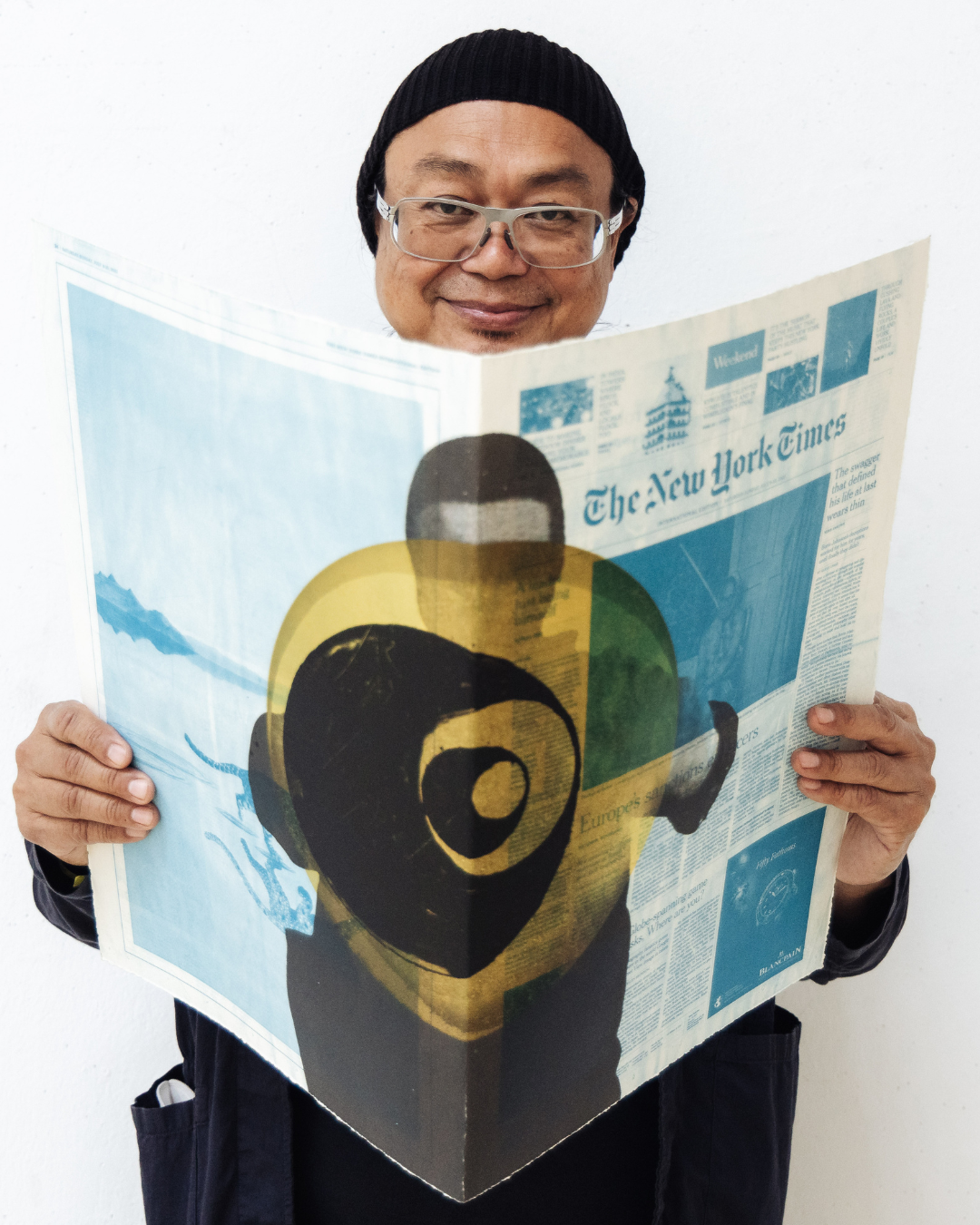
Rirkrit Tiravanija describes “Say Yes To Everything”, his current exhibition at STPI, which runs until 9 May 2026, as an invitation to social interaction.
One of contemporary art’s most renowned figures—whose collectors include Maja Hoffmann, Martin and Rebecca Eisenberg, and Eileen and Michael Cohen—the artist has long explored the communal role of art through everyday activities such as cooking, eating, and reading. Frequently associated with relational aesthetics, Tiravanija’s works create situations rather than static objects, provoking viewers to move beyond contemplation and engage in conversation.
With a chuckle, the Argentine-born Thai artist adds, “I hope that this exhibition reminds people to pay attention to experiences in their daily lives, and as the title goes, say yes to everything!”
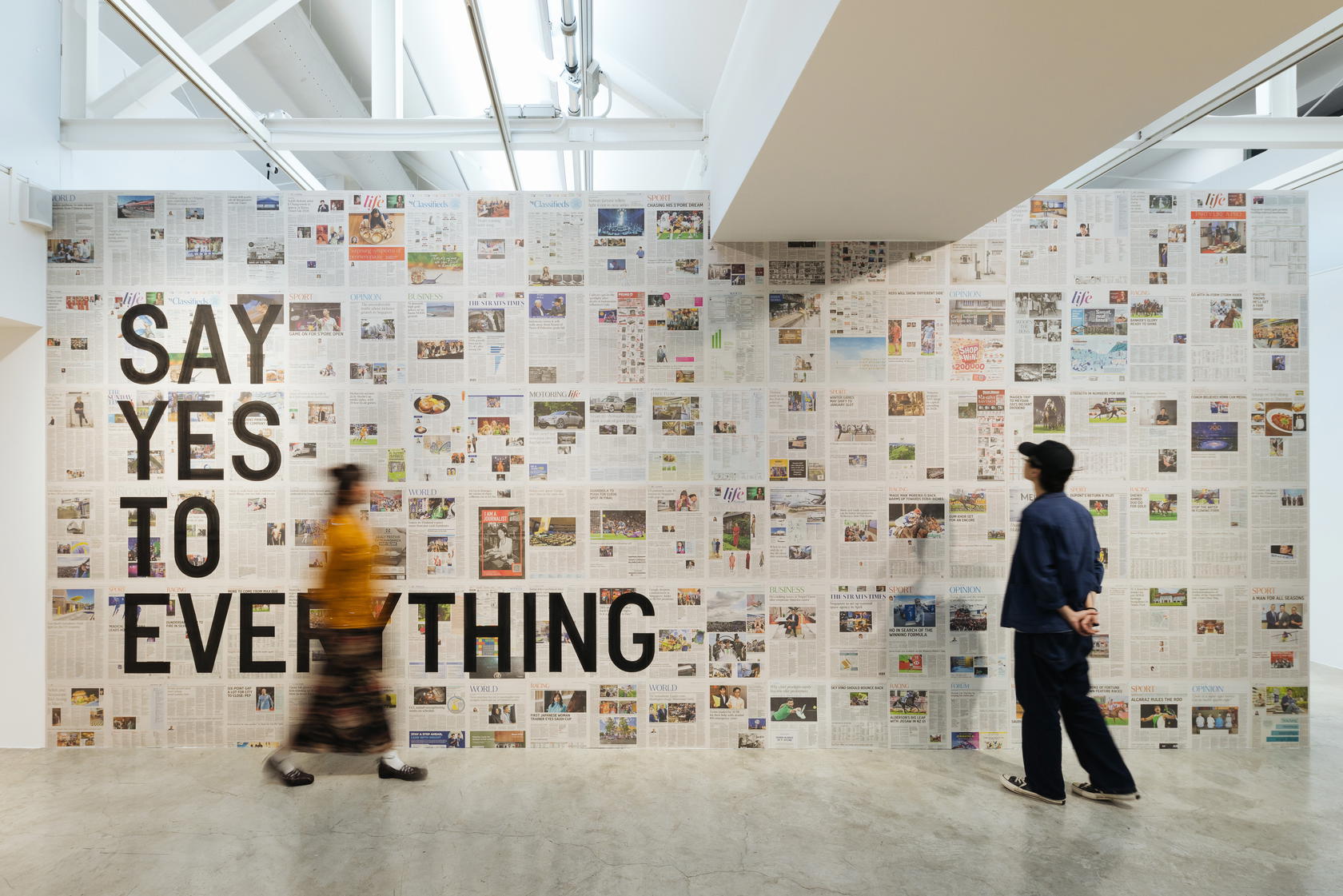
Tiravanija has shown at festivals and museums the world over, from Berlin to Jeju and New York, where he has lived since 1982. “Say Yes To Everything” is his largest solo exhibition in Singapore, and highlights recurring themes such as migration, travel and belonging through his over-a-decade practice in prints and editioned pieces. Some were produced during his STPI residencies.
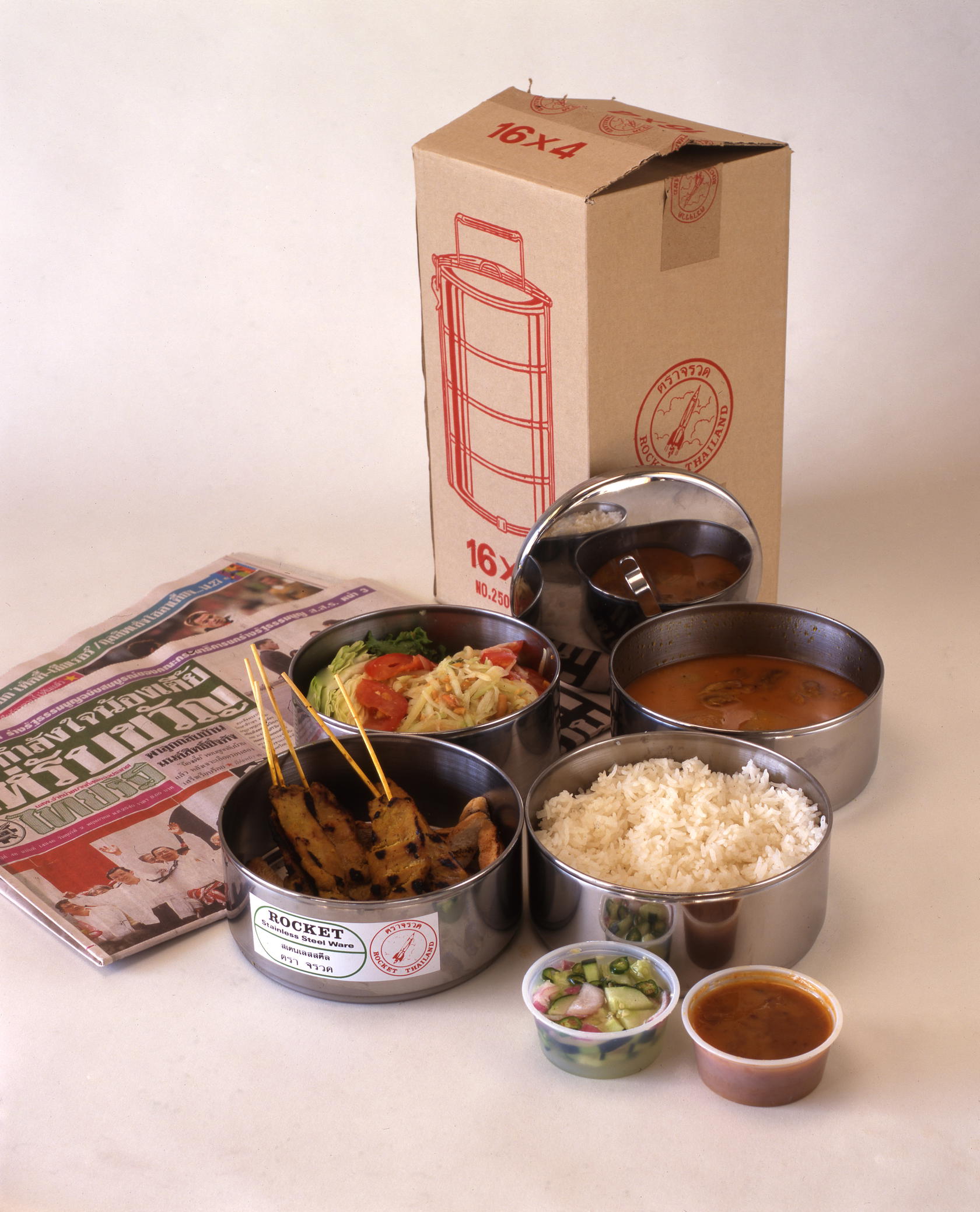
A stainless-steel container and Thai newspapers in ‘untitled (lunch box)’ (1996) give meaning to eating together, reflecting Tiravanija’s interest in art as a lived-in experience. In contrast, with its collage of snapshots and photocopies hung from brass eyelets, ‘untitled 1995-2007 (atlas I-VI)’ reimagines the atlas as a portable archive of his artistic journey, which has taken him across New York, Chiang Mai, Berlin and beyond.
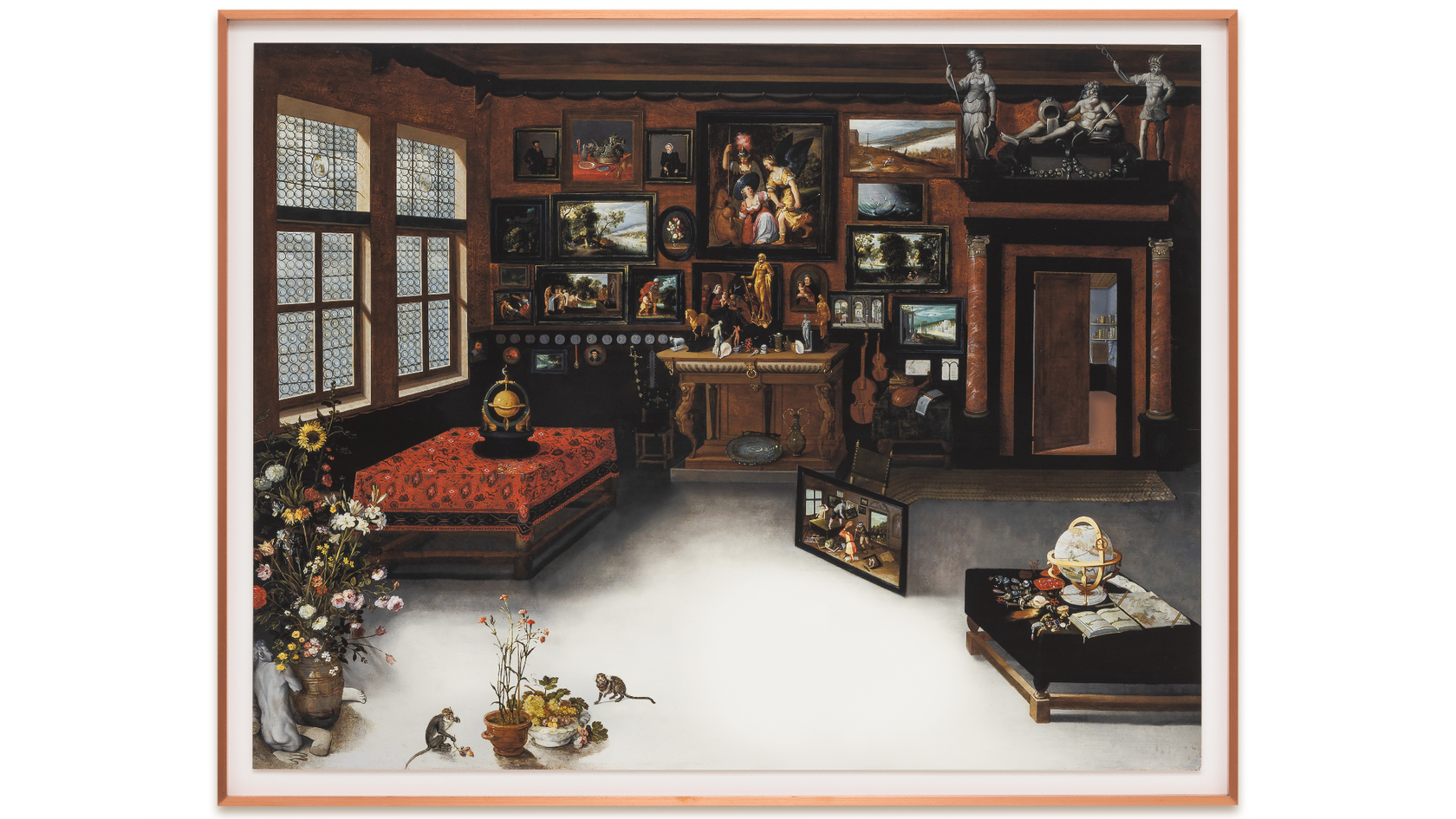
Meanwhile, ‘untitled 2020 (paradise regained)’ is one of the most entertaining moments in “Say Yes To Everything”. Using Old Master prints as a starting point, Tiravanija explores how nature and animals were framed as observable and collectible objects. By replacing living beings from the original images with extinct creatures, he draws attention to the extinction crisis. Spoiler alert: Shining UV torches on the prints is the only way to spot these creatures.
You had multiple residences at STPI from 2012 to 2022. How did that relationship influence your artistic growth?
STPI challenged me to work in a medium I never thought I’d explore. It provided me with the time and space to think and work with great people in a workshop. They motivated me to push the limits and were always ready to execute my ideas to the best of their ability.
“Say Yes To Everything” is your largest solo exhibition in Singapore to date. How did the curation surprise you, and at what point did you decide it was ready?
In my opinion, print can be an interactive medium, and its limitations of the medium are not limitations of ideas. The exhibition was ready on the day that STPI decided they would like to stage it. [Smiles] It is a retrospective, look back at our years of working together.
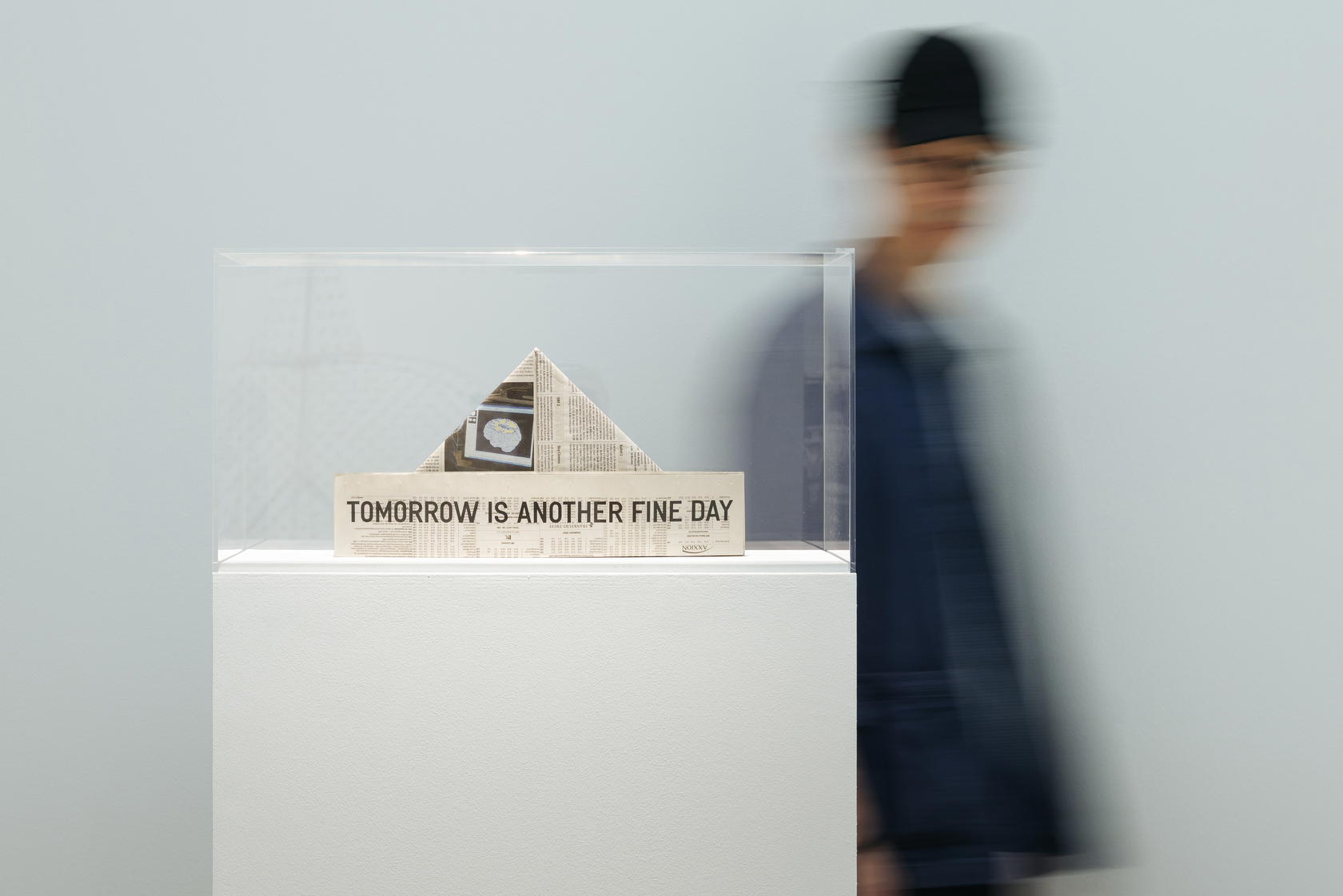
There are also programmes such as communal meals, origami sessions, and relief printing workshops available to visitors.
STPI plans these events to bring audiences closer to artists’ ideas. Other institutions cannot easily accommodate such experiences. It is my hope that these interactions will help us better understand ourselves and improve our ability to live together with others.
Saying “yes” often requires an ability to confront the unknown.
Saying yes to everything means facing the unknown and its possibilities. We must become open to life and living to achieve this goal.
So, when do you say “no”?
I say no to ignorance. I drew on this for my ‘Extinction Series’ in this exhibition. My desire is for people to say no to those forces that are killing the planet, killing common sense, killing us, killing our humanity.
Although you were born in Argentina, you often lean on your Thai roots. What fascinates you about Southeast Asian art and artists?
To be an artist in this region, an idea must mean a lot in one’s life. Artists and art haven’t received much support and attention here for a long time, so to be an artist here requires a commitment to both the idea and its ideals. Given such commitment, I believe artists here have a lot of ideas to express, a lot to say, and a lot of stories to share. We can define as art as the manifestation of this multiplicity and diversity.
You are also a professor of visual arts at Columbia University in New York. What insights have you gained about the new generation of artists?
I must clarify that the reasons for wanting to be an artist in New York differ from those wanting to be one in Chiang Mai. But the younger artists I have experienced do not give art history as much value as my generation did: details are sometimes lacking, and depth of self-knowledge isn’t always prioritised.
I don’t want to generalise, but it seems to be a common sense of the time. Social media and AI have caused people to take information and knowledge for granted. But over time, reactions will emerge, prompting artists to engage in self-criticism and develop critical ideas
Finally, what do awards mean to you?
[Laughs] Not much!
For a list of public programmes, visit here.