
Almaty, the second largest city in Kazakhstan, is named after apples. The first wild apples—antecedents of the apples we eat today—grew here before they spread around the world.
In a valley between China and Kyrgyzstan, the “garden city” is surrounded by avenues, stately mansions, yellow and white palaces, parks, and swish malls that reflect the prosperity of Silk Road trading.
It lost its capital status to Astana in 1997, but residents still regard it as the country’s true heart and soul, a melting pot of diverse communities, including a large Muslim population, Orthodox Christians, and Uyghurs, a Turkic ethnic group associated with Central Asia and East Asia and originating in the region.
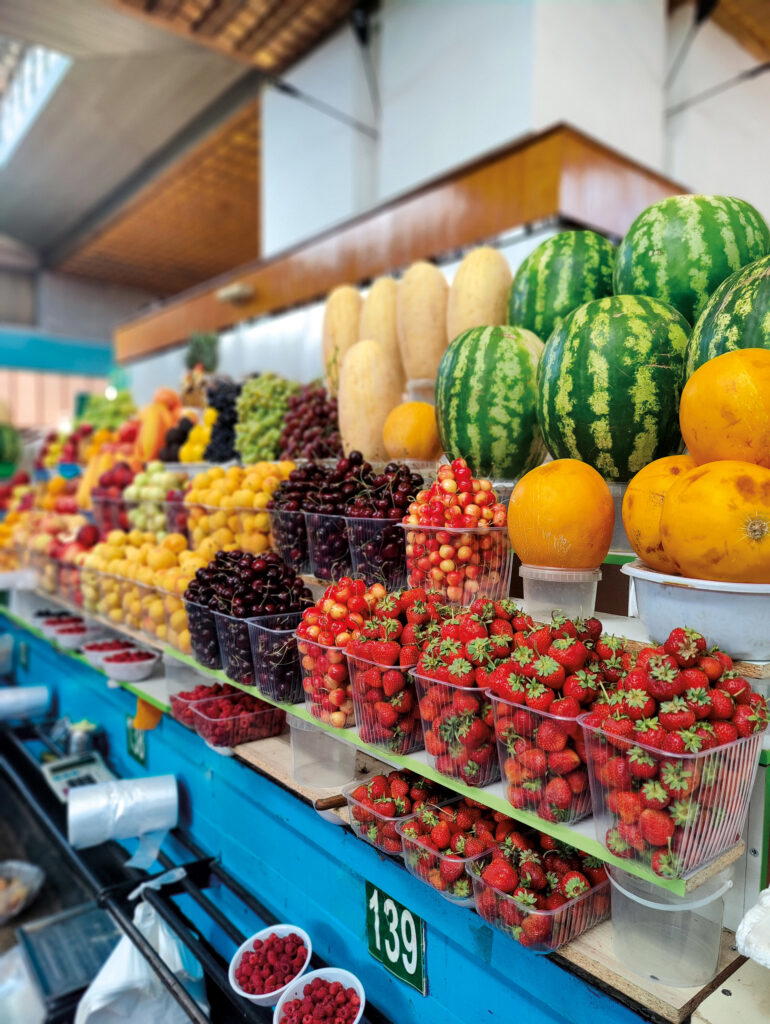
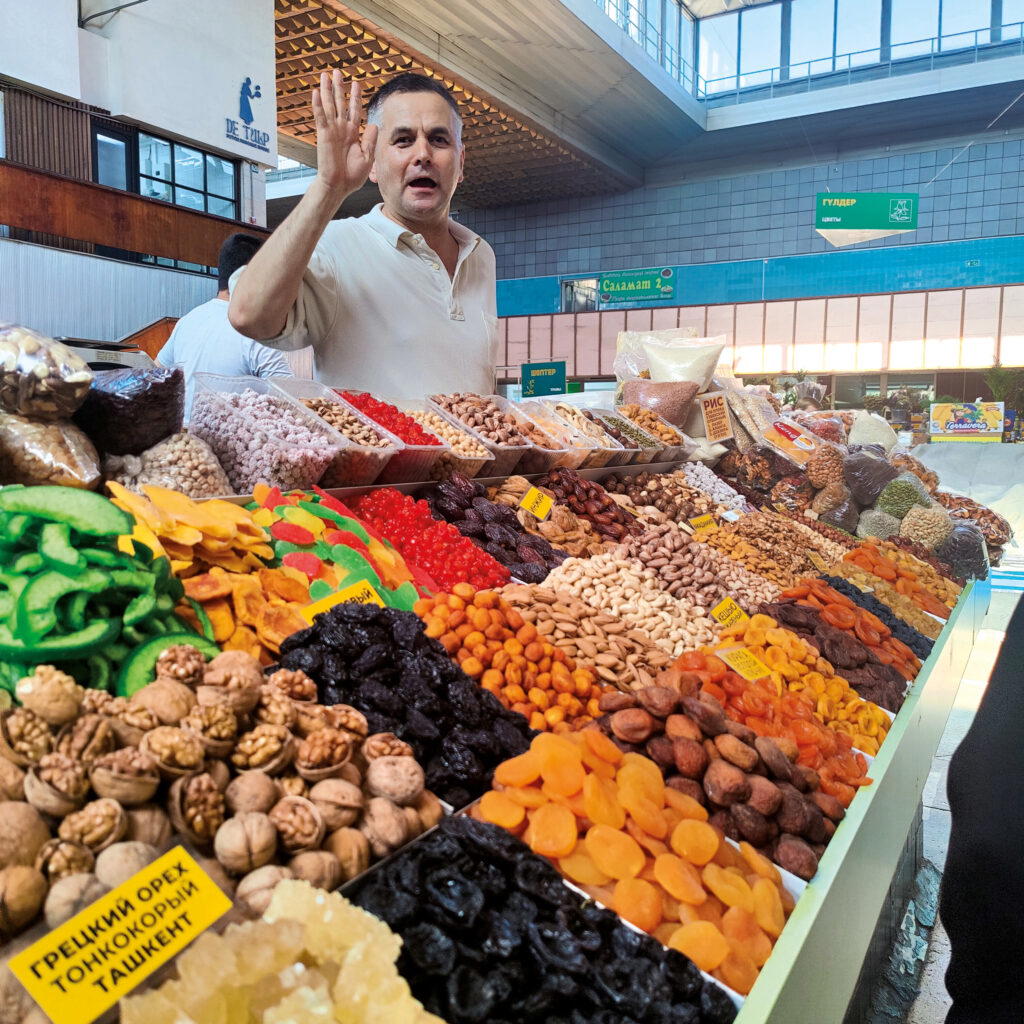
There is no better introduction to the city’s multifaceted ethnic population than Zelionyj Market, also called the Green Bazaar. Over a century old, it is an Almaty landmark and evocative of the Silk Road trading route.
This cacophonous market, with the aromas of grilled meat and spices, is a kaleidoscope of colours and flavours. Featuring shelves of fruits, vegetables, meats, cheeses, nuts, and spices, it is a local favourite. Here, talkative shopkeepers from across central Asia sell their wares. Matronly women with headscarves peddle salted cheese and the local delicacy of horse meat as Tajik merchants sell enticing mounds of dried fruits and nuts.
Close to the market is the famous Rakhat Chocolate Factory, part of the Korean confectionary company Lotte. Many chocolates are wrapped in shiny paper; some are packaged like Kazakh stamps, while others bear the colours of the national flag.
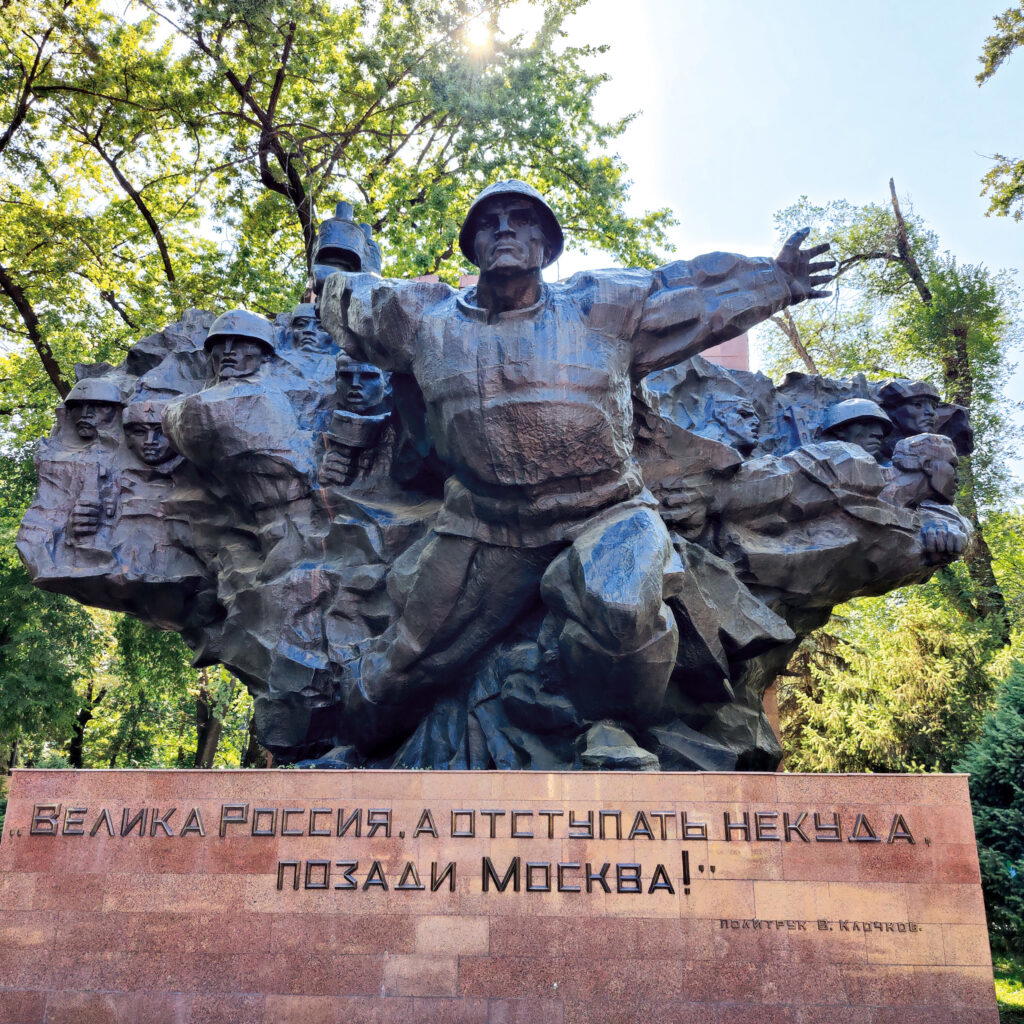
In the city’s heart is Panfilov Park, with massive Tien Shan fir and spruce trees named after 28 Panfilov fighters who died fighting the Nazis outside Moscow, while a huge statue honours Kazakh soldiers who died during World Wars I and II.
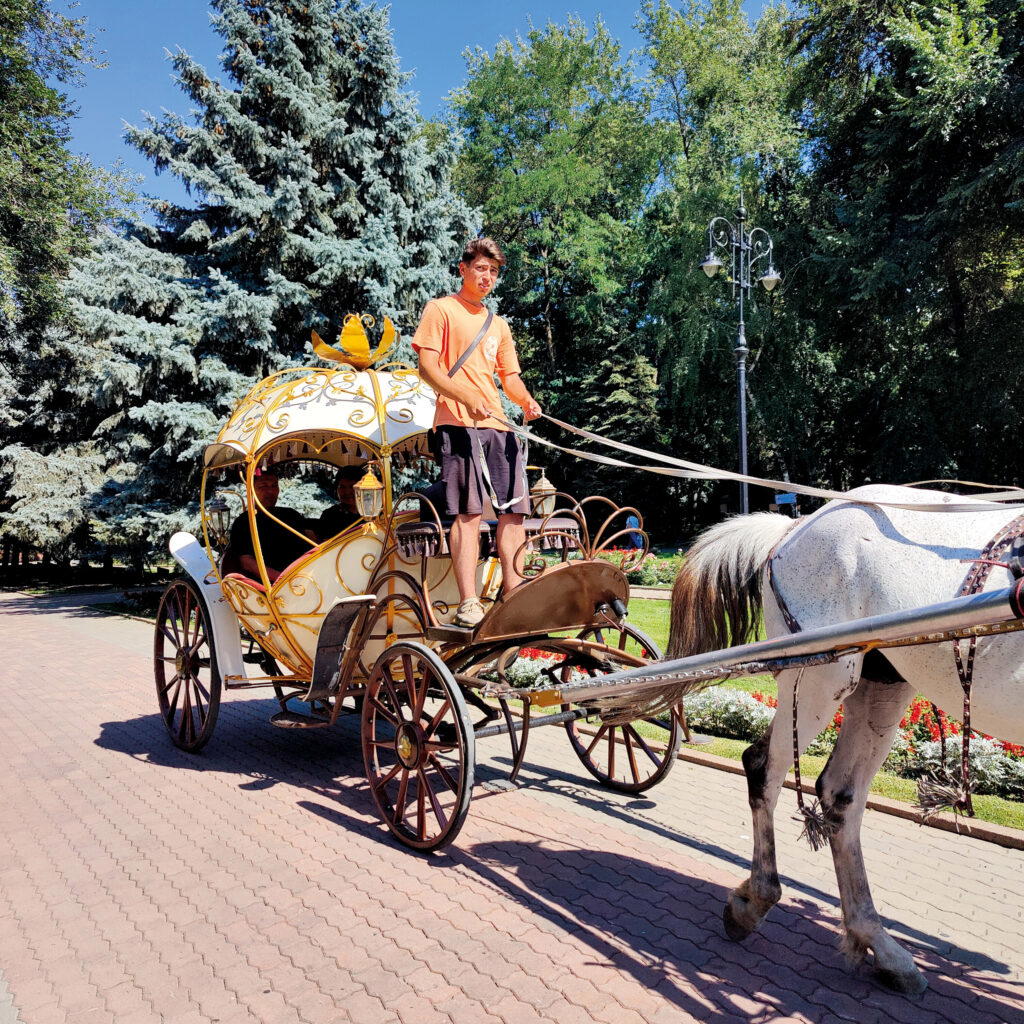
With Disneyesque horse-driven carriages for tourists, and a pigeon square where locals feed pigeons and children drive battery-operated cars, it is a favourite haunt of families and couples.
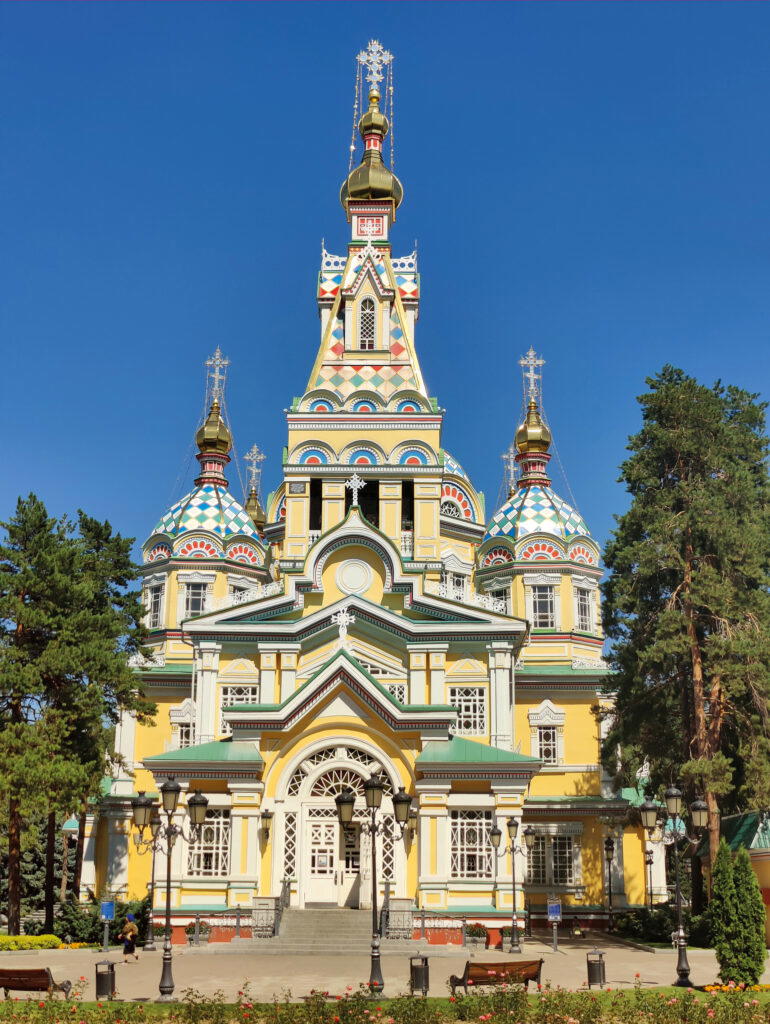
Russian Orthodox Zenkov Cathedral, a beacon for the city’s worshippers since 1907, towers over the park. It was entirely constructed of wood, so no nails were used, and it survived the deadly earthquake of 1911 as well as several wars.
With its pastel-hued gables, brightly painted tiles, and gilded domes, the church looks like something from Walt Disney’s imagination. Its interiors feature coloured glass, Orthodox icons, gilt, and works by artisans from Moscow and Kiev.
In the city’s Golden Quarter, there are many examples of Soviet architecture including the neo-classical mustard colour Abay Opera and Ballet theatre, which hosts shows and operas.
Inside the theatre, murals depict the story of an ancient warrior who died 2,500 years ago and whose body was found in a grave in the Almaty region just about 50 years ago. Today, the Golden Man is one of the most iconic symbols in the country.
Another throwback to the Soviet era is the iconic Hotel Kazakhstan, whose design gives the appearance of a giant golden crown perched on top of the 26 storey building of Soviet Brutalist architecture. Remember to ride the metro and admire the stations, each uniquely decorated as well with Kazakh patterns and symbols.
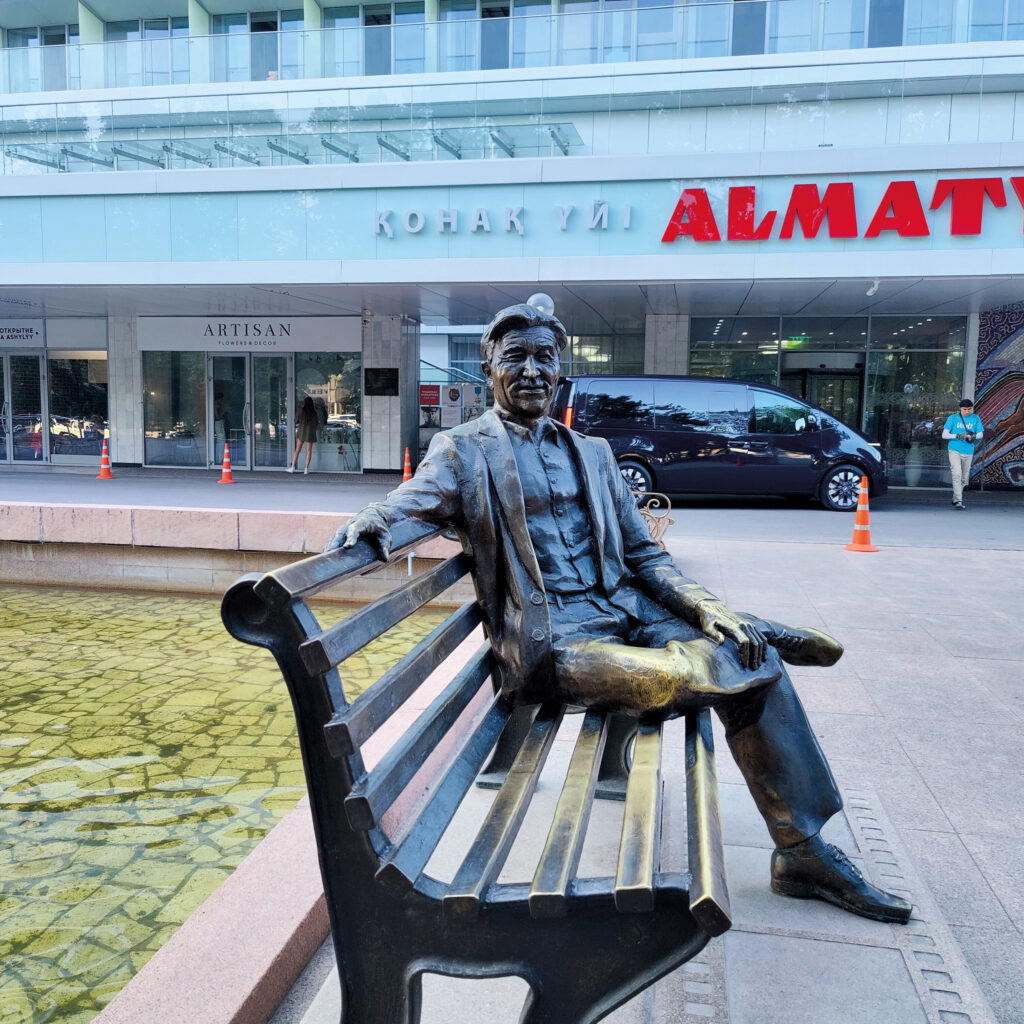
Close by is the 1970s-style Almaty Hotel. With glass murals fashioned out of Murano glass on its facade, it depicts a classic Kazakh love story reminiscent of Romeo and Juliet. At one time or another, everyone famous in the city used to stay at this hotel, from ballerinas to musicians to poets.
Almaty also has its share of great museums. Besides the Kazakhstan Museum of Arts with its great collection of Western European and Russian art, there is also the Ykhlas Museum of Folk Instruments.
Kazakhs are known for their folk music traditions. Ancients lived on the move while tending to their flocks, and singing and playing musical instruments were their only entertainment. From horsehair to wood, most instruments were made with what they could lay their hands on. The dombra is the most famous stringed instrument.
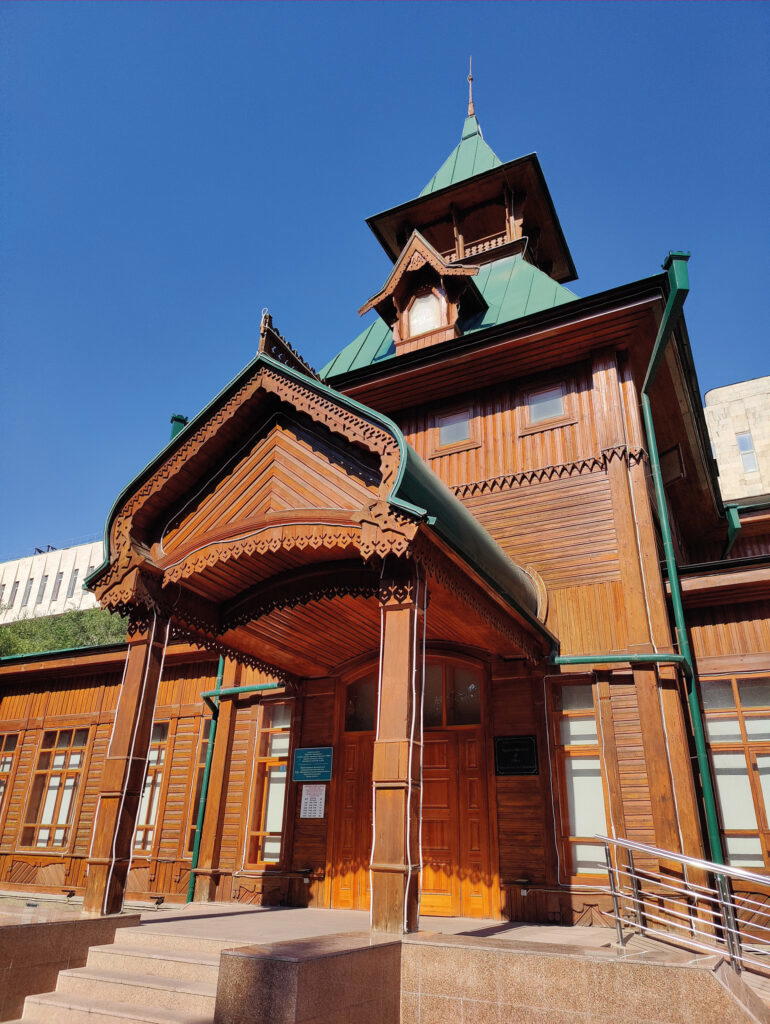
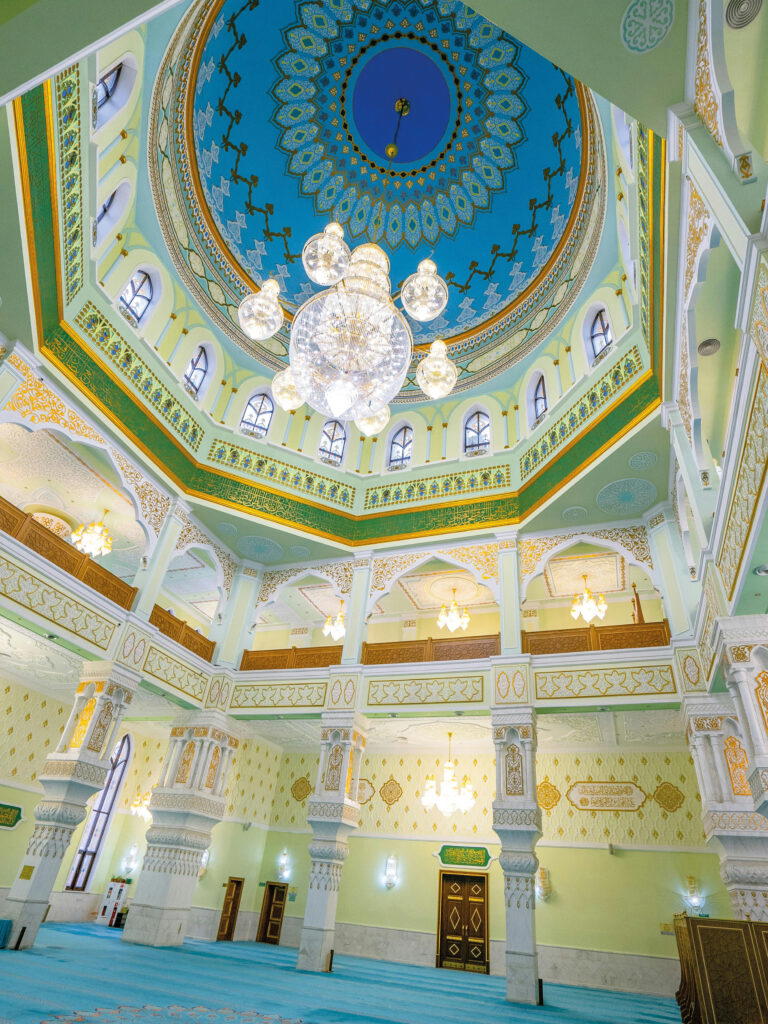
Another must-visit is Central State Museum. The blue domed building is the best place to learn about Kazakhstan’s history, with one section devoted to its nomadic past with yurts.
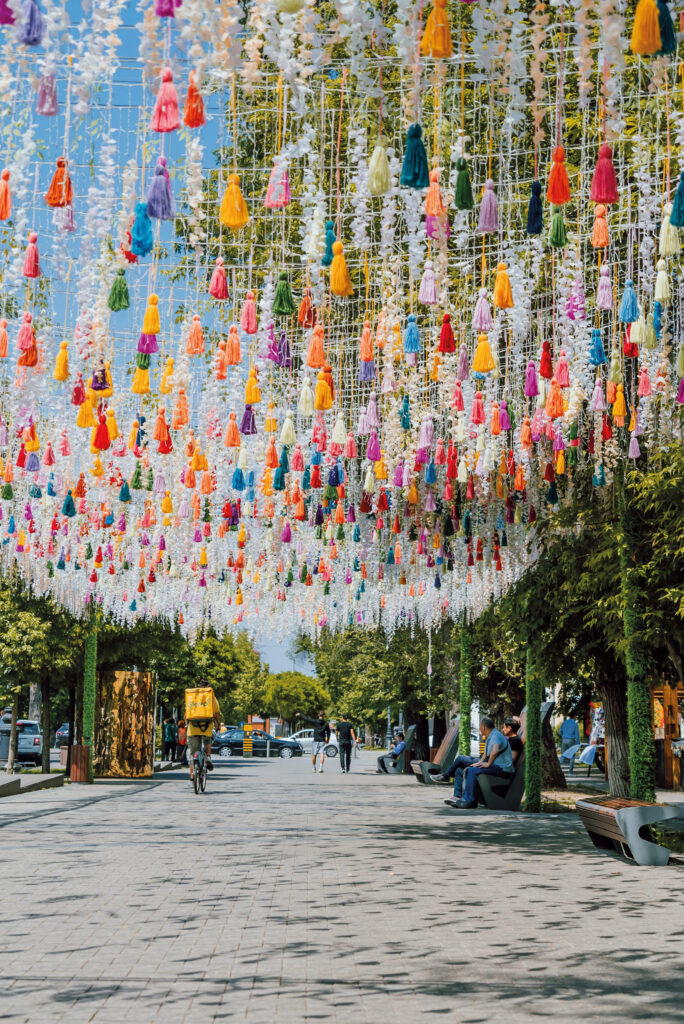
Almaty reminds one of European cities, and the best place to get a feel of this is the tree-lined Arbat, the pedestrian part of Zhibek Zholy Street. Named after the famous street in Moscow, it throngs with buskers playing lively music, colourful arches, fountains, skateboarders, and a thriving open-air café scene for people-watching.
The city also has great food and drink options, with Kazakh fare like beshbarmak (or five fingers), a horsemeat sausage with ribbons of pasta and baursak (puffy fried bread), lagman pulled noodles, and pungent balls of kurt cheese and kumis (fermented mare’s milk).
At night, stop by Almaty’ unique bars such as Barmaglot Bar, Yellow Door, the oldest speakeasy bar in Central Asia, and the neon-lit Blue Bar for live music.
Despite the region’s viticulture being destroyed in the 1980s, recent efforts have revived winemaking. Among the best places to taste local wine is Arba Winery, whose tasting room serves merlot, malbec, chardonnay and riesling.
The Russian-style Arasan Baths Complex is another must-see. Built during the 1980s and just west of Panfilov Park, it has a Finnish sauna, Turkish hammam and Russian-style steam room. Warning: Be prepared to let go of your modesty.
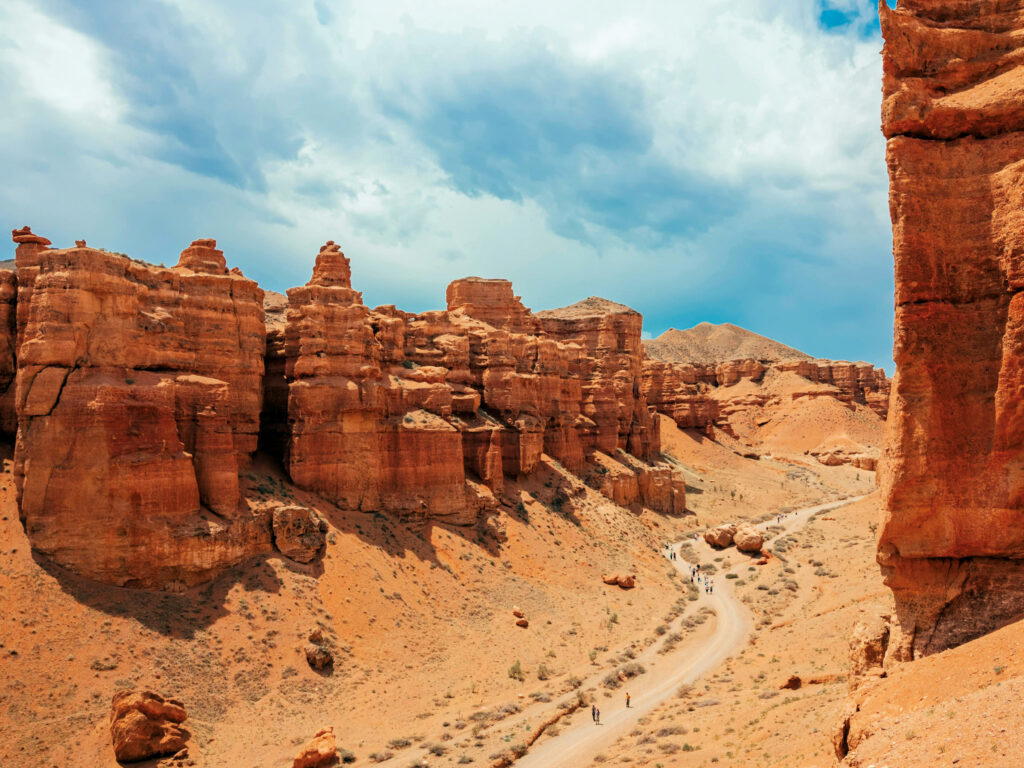
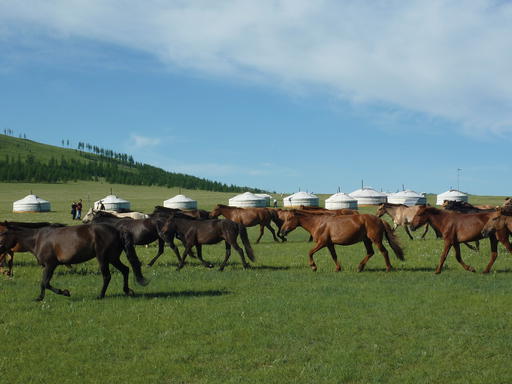
Then visit the Hun ethnic village to learn about the country’s nomadic past. The site is located outside Almaty, where traditional Kazakh clothes, music, dance, and yurts (portable, round tents covered and insulated with skins or felt) will reveal aspects of Kazakh culture.
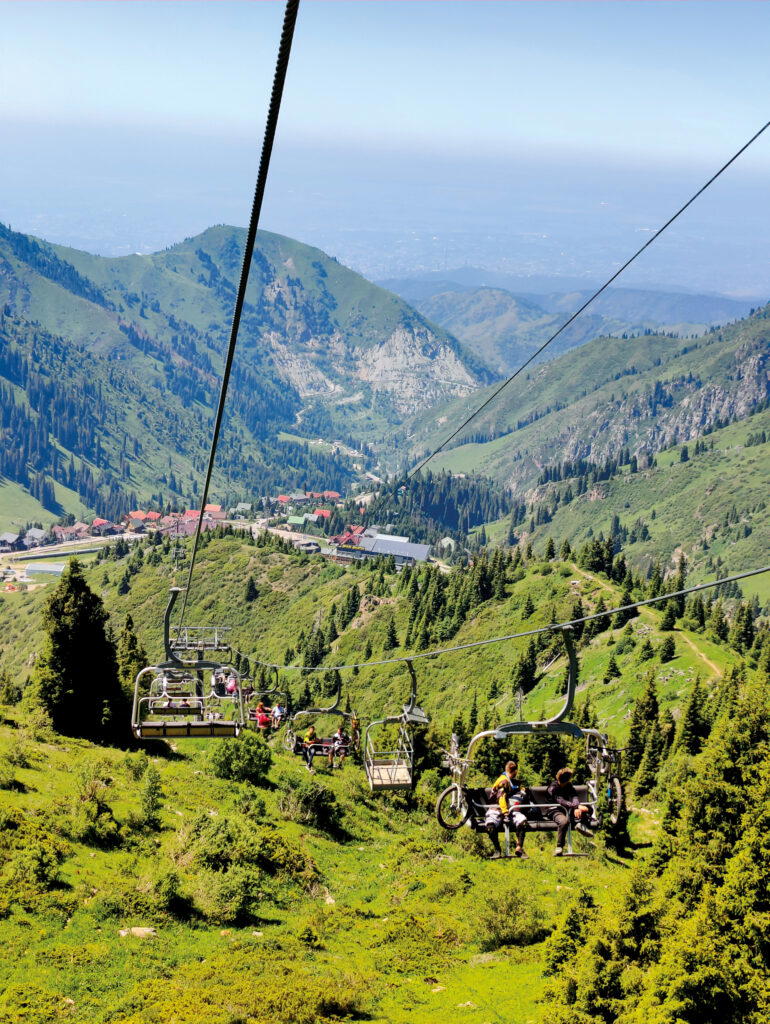
Almaty, however, is most appealing for its access to nature and five national parks. A half-hour drive from the city lies Resort Shymbulak, the largest ski resort in central Asia, and Medeu Ice Rink, built in Soviet times and used as an Olympic practice rink.
With a ride on the cable car and chair lift, you can see the Tien Shan mountains, alpine meadows, wildflowers, and hiking trails, and reach the top of the 3,180m Talgar Pass for panoramic views.