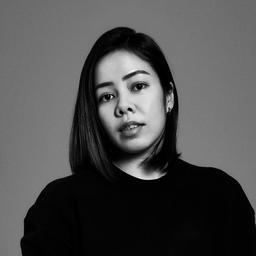
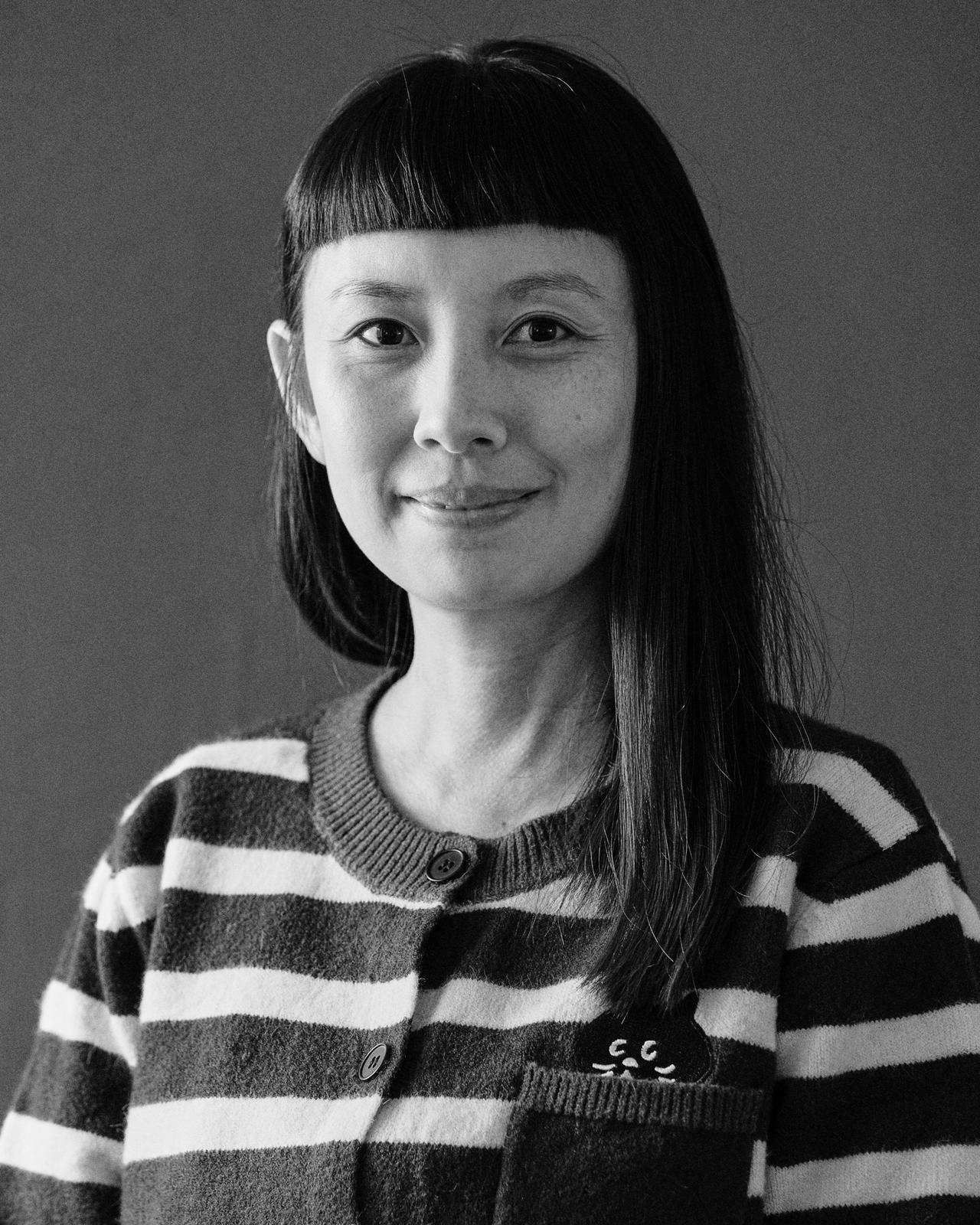
Adelene Koh’s relationship with books began long before she founded dddots, her fine bookbinding service, in 2011. It stretches back to her childhood, where she found joy in making small booklets by assembling sheets of paper and experimenting with ways to staple, glue, or tie them together. “That instinct to construct a book was already there, even before I understood what bookbinding was,” she says.
This year marks a full-circle moment as Koh was shortlisted for the 2026 Loewe Foundation Craft Prize, the first Singaporean finalist since 2018. Established in 2016, this annual international award honours excellence and innovation in contemporary craftsmanship. It spotlights creators who merge traditional techniques with modern artistic concepts across mediums like ceramics, textiles, and wood, as envisioned by Loewe’s creative director Jonathan Anderson.
Koh, also a book artist and conservator based in Tainan, was among 30 finalists from 19 countries. A panel of experts evaluated more than 5,100 submissions from 133 countries and regions to select this year’s winners. The turning point in her life came in 2011, when she moved to New York and met a professional bookbinder. It showed her that bookbinding could be a viable career and that one could devote themselves fully to it.
Later, she trained in Tokyo under bookbinders Yamazaki Yo and Nishio Aya, an experience she considers formative. “It taught me a deep respect for craftsmanship, especially how traditional crafts are upheld and valued. I learnt discipline and attention to detail from that experience,” she says.
“My training with Mark Cockram in London later expanded my thinking. Throughout our relationship, he challenged me to think more openly, to translate ideas into physical forms, and to move beyond convention.”
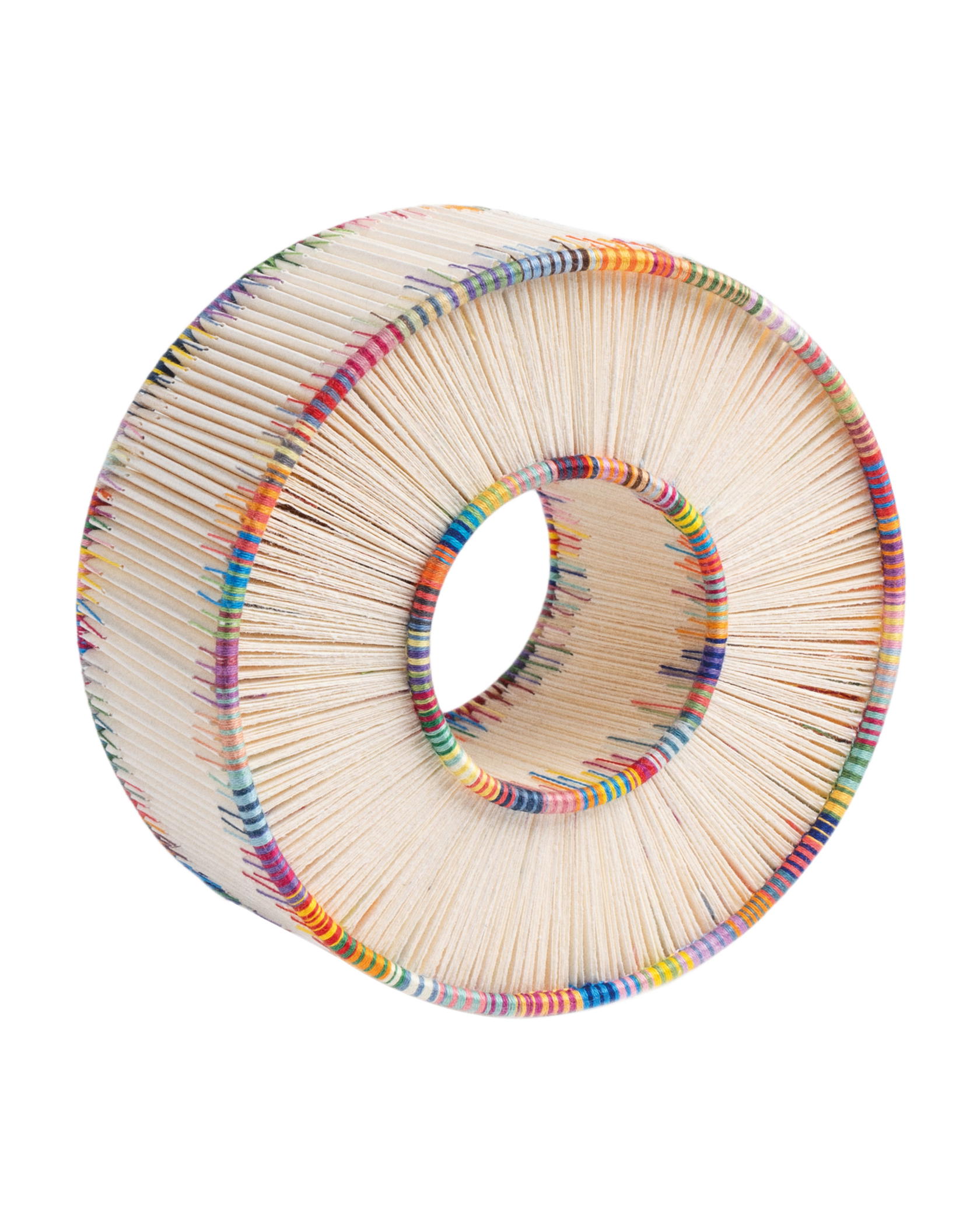
Using paper, embroidery threads, and aluminium wire, her shortlisted work ‘Endless’ (2025) transformed traditional bookbinding elements into a meditative, circular form resembling a doughnut. The piece reinterpreted the endband—a structural, decorative element typically hidden in a book’s spine—as a continuous, meditative form.
Sewing around a single aluminium wire core using embroidery threads and the front bead method, an 18th- and 19th-century English sewing technique, Koh integrated hand-folded and hand-cut pages formed into quires with additional folds along the fore-edge. The process elevated a concealed binding element into a circular, architectural structure.
She chose to emphasise the endband because it is both decorative and often overlooked. “Unless you are paying close attention, it can easily go unnoticed. In terms of book structure, I have always thought of it as a quiet underdog.”
It is also one of her favourite parts of bookbinding. “There is something very meditative about the process, and I often want to keep going. The thickness of the book limits the length of the endband, so as I settle into its rhythm, it ends.”
In ‘Endless’ (2025), she extends that experience. Looping the book so that its end meets its beginning creates a continuous structure in which the endband does not end. In line with this year’s Loewe Foundation Craft Prize themes of tension and transformation, Koh applied a traditional endband technique unconventionally. Starting with loose individual quires instead of a fully stabilised text block, she sewed them onto the wire core.
This caused them to shift and resist, requiring constant adjustment. Securing them too firmly would have disrupted sewing, while the circular form required reimagining how a book could support itself, as it is not intended to loop back to its beginning.
This process involved a continual negotiation between control and movement, as well as between the material’s tendencies and the form’s demands. “By closing the book into a loop, ‘Endless’ transformed a familiar structure into something continuous, where the boundary between the beginning and end was no longer fixed.”
For Koh, the recognition provided an opportunity to reflect on her practice while engaging with an international craft community. “Being based in Tainan and outside of Singapore gave me some distance, and with that, a different perspective,” she says. In comparison to Singapore, Tainan’s slower pace allows her to explore her craft more deeply. “In addition, it allows me to stay with a process longer, without feeling the need to rush towards an outcome.”
She also finds meaning in the city’s coexistence of tradition and contemporary culture. “There is a sense of continuity rather than contrast, which has influenced how I think about my own work, how something rooted in tradition can still evolve.”
Her perspective has been further shaped by the city’s thriving craft ecosystem. “You see generations of craftspeople carrying on family practices, while others adapt them and reinterpret them. This has made me more aware that crafting is a living practice rather than a fixed activity,” she concludes.
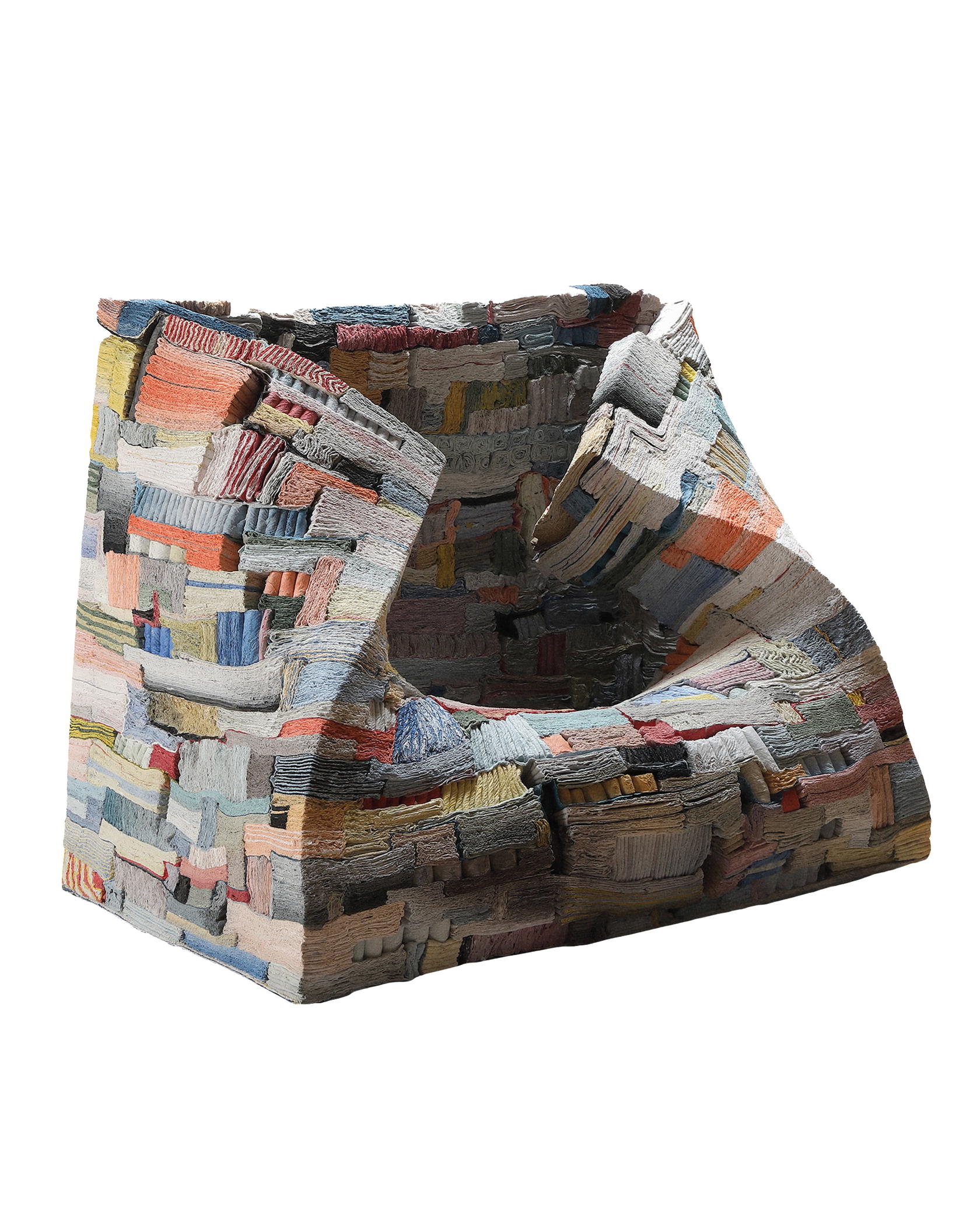
Outstanding creativity & ingenuity
The Loewe Foundation revealed the winners of its 2026 Craft Prize, recognising outstanding creativity and ingenuity in modern craftsmanship, last month.
South Korean artist Jongjin Park received the top honour for ‘Strata of Illusion’ (2025), selected by an international jury featuring architect Frida Escobedo, designer Patricia Urquiola, curator Abraham Thomas, museum director Olivier Gabet, and Loewe creative directors Jack McCollough and Lazaro Hernandez.
Two special mentions were also awarded: one to Baba Tree Master Weavers and Álvaro Catalán de Ocón for ‘Frafra Tapestry’ (2024), and another to Graziano Visintin for ‘Collier’ (2025).
The shortlisted works are on view at National Gallery Singapore until 14 June this year.