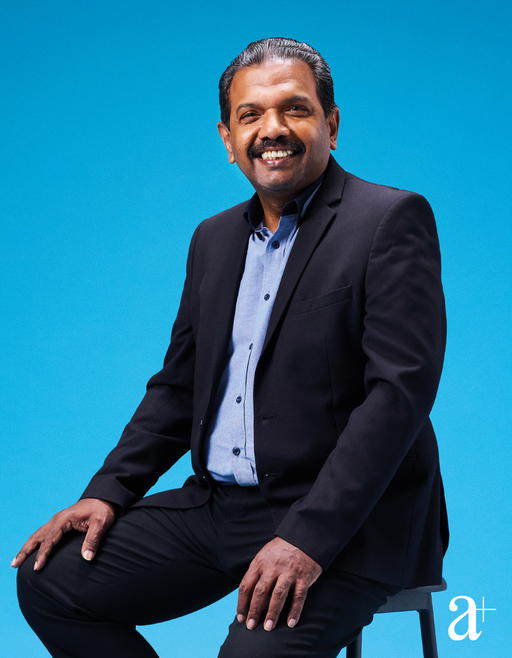
What are the markers of privilege that distinguish the haves from the have-nots? There may be tangible accoutrements, such as property deeds and education certificates, or something more existential, such as a fighting chance. The latter is a reality for underrepresented communities in Singapore afflicted with terminal illnesses.
In Singapore, the Bone Marrow Donor Programme (BMDP) manages the only register of volunteer bone marrow donors, which has a 40 percent chance of finding a local donor for Chinese patients, 20 percent for Malays, and two percent for Indians. The lack of minorities on the register is responsible for this.
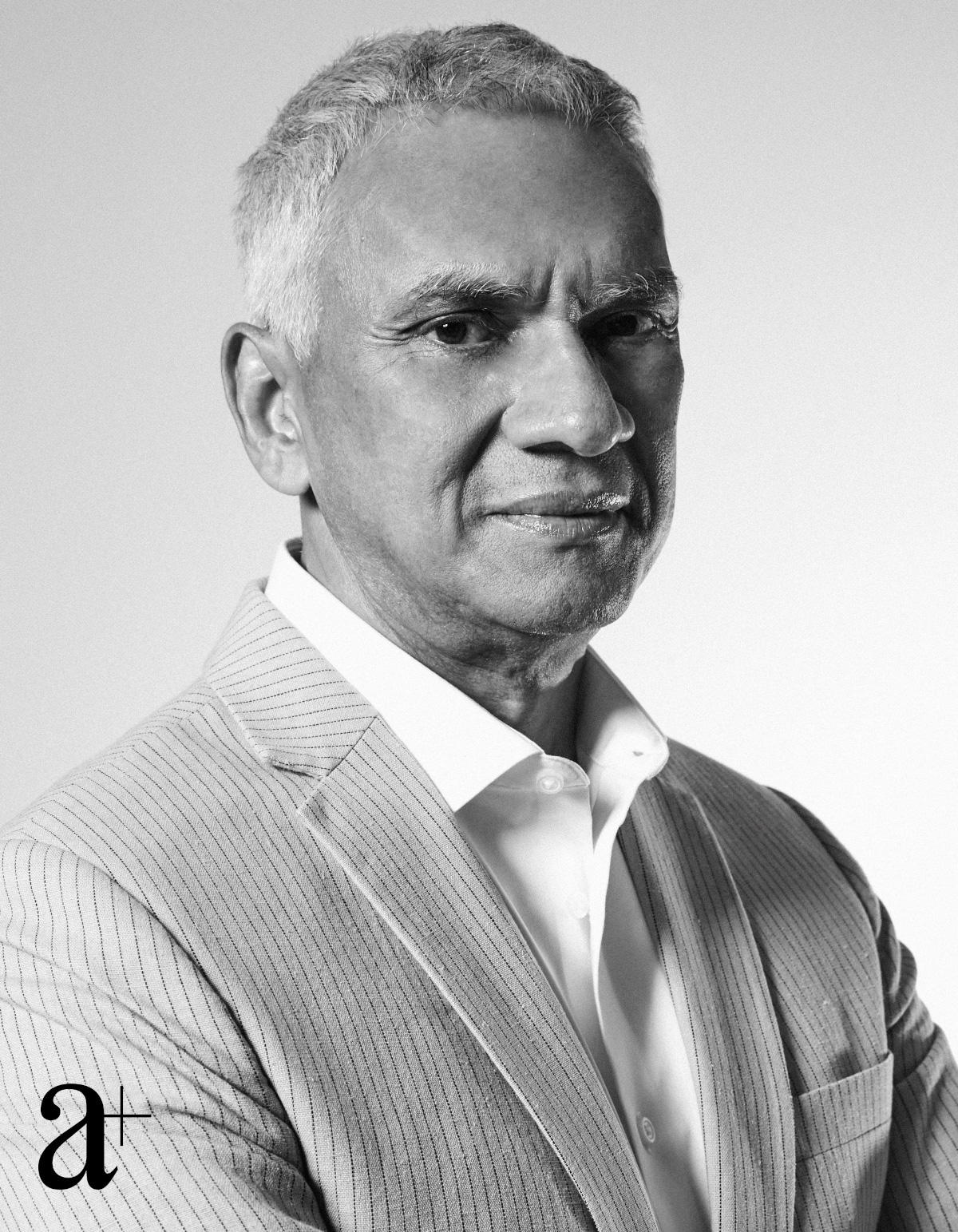
Former banker Abhijit Raha, who now leads BMDP, is familiar with these stark inequities. His upbringing on the tea plantations of Northeast India exposed him to “glaring disparities in wealth, education, and opportunity,” which shaped his altruistic nature. “It wasn’t lost on me how privileged I was in comparison to most of my friends who came from humble backgrounds,” he says.
While carving out a successful career in investment banking for institutions like ANZ, Bank of America, and BNP Paribas, he never abandoned this sense of noblesse oblige. Having co-founded a hedge fund with Bank Julius Baer at 35, Abhijit embraced philanthropy as a counterpoint to capitalism, donated to causes focused on children’s welfare, and supported his team of drivers and helpers.
“The one clear takeaway from all of this is simple: people at the grassroots level need opportunities. If given that initial chance, they will seize and make the most of it.”
Abhijit Raha on change from ground up
Despite his career highlights and charitable endeavours, he felt something was missing. “I yearned for a role where I could make a difference,” he shares.
After watching a close family member battle cancer, he discovered BMDP’s mission of matching patients with bone marrow donors through a volunteer network. The randomness of the disease and how it can shatter lives in an instant made him acutely aware of the gift of life and its fragility.
As the President of BMDP, he applies finance precepts with tightly prescribed rigour, thus fostering a culture of transparency and accountability. In recognition of his scruples, BMDP received the Charity Council’s Charity Governance Awards 2024.
However, he is perhaps best known for debunking myths about bone marrow donation and raising awareness about it. For instance, it is commonly believed that the process is painful and dangerous. “Most donations are made through a non-invasive procedure called peripheral blood stem cell donation, similar to donating blood. The risks are minimal. There are no long-term side effects, and your stem cells replenish themselves within four to six weeks.”
Abhijit is also optimistic about technological advancements, such as high-resolution human leukocyte antigen (HLA) typing, which enables more precise matching, reducing the risk of rejection and improving transplant outcomes. However, as HLA markers used in matching are inherited, patients and donors must share the same ethnic background.
This undergirds BMDP’s public outreach efforts, as well as underscores the exigency of the registry. For some, it may represent that deus ex machina. “The chances of being a match with a sibling is only 25 percent, and even less for other family members. Often, a stem cell transplant is the last chance of hope for a patient.”
Art direction: Ed Harland
Photography: Cher Him
Hair & makeup: Wee Ming using Chanel beauty & Schwarzkopf Professional