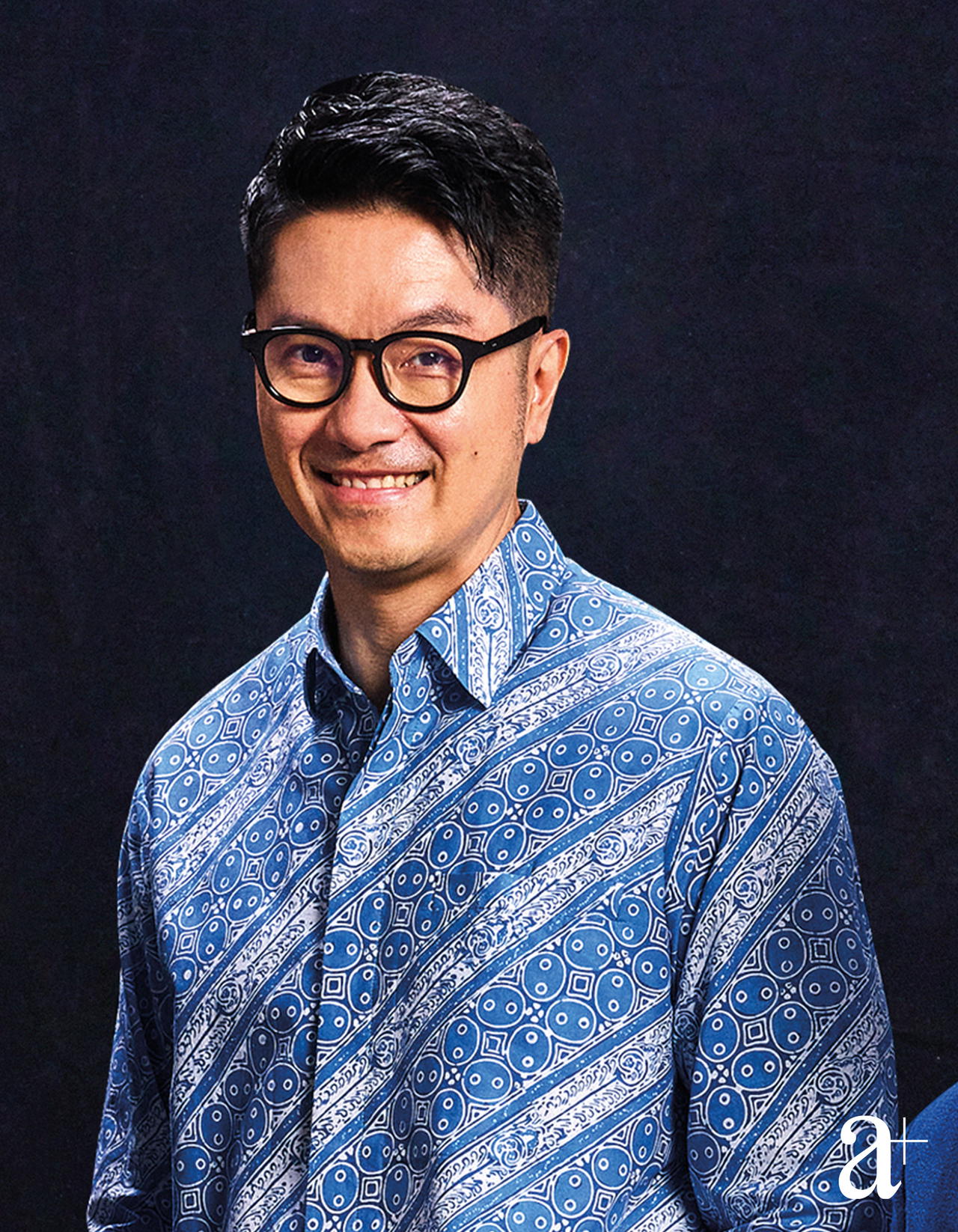
Paul Tan enjoys seeing donors bring their children to Community Foundation of Singapore (CFS) events. It reminds him that generosity can be nurtured and imparted to the next generation. “Giving isn’t just a transaction,” says Tan, CEO since 2025. “It’s a way to actively shape our society.”
He leads a team that advises individuals, families, and corporations on strategic philanthropy. This includes establishing and managing Donor-Advised Funds, which allow donors to support charities over the long term. CFS recently expanded its Collective for a Stronger Society initiative with four new programmes to bring the total to 21.
“We see our role as bringing pieces together,” Tan says. “We work to inspire and empower giving, connect generosity with community needs, and help donors, charities and partners create lasting impact. If we can continue growing the giving pie and strengthening collaboration across the ecosystem, I believe we can build communities that are more resilient, more inclusive and better equipped to thrive for generations to come.”
What does a more generous Singapore look like to you?
It’s a place where giving isn’t a one-time act; it is part of our culture. I hope to see individuals and businesses working together. Donors would give with heart and purpose, while charities would have the trust and resources they need to support their beneficiaries and continue their good work. By doing so, we can build a Singapore that is more caring and inclusive—and where every person has the opportunity to flourish.
when we met in 2025, you observed that Singapore’s giving landscape is maturing. Are we on the right track?
Philanthropy is becoming genuinely purposeful, strategic, and collaborative. Donors no longer just ask where to give; they want to know where their resources can make the greatest difference. This is an exciting shift, but it requires a delicate balance.
What are you still trying to change about Singapore’s giving culture?
Instead of treating giving purely as an immediate crisis response, it’s time we saw it as an opportunity to address root causes and foster systemic change. As Singaporeans, we are incredibly generous, but the next step is to become long-term, engaged philanthropists who recognise that charities are the experts. They know their beneficiaries best and can drive real results. It is only when donor passion meets unwavering trust in charity expertise that real impact can be made.
Through Collective for a Stronger Society, CFS has expanded its support for lower-income families. What have you learnt about the challenges of breaking the cycle of poverty and disadvantage?
During a recent donor learning trip for Collective for a Stronger Society, we invited practitioners to share their experiences working with lower-income families and what it takes for families to move from surviving to thriving.
One of our biggest takeaways is that poverty is never a single-issue problem. Financial hardship almost always overlaps with other vulnerabilities, like unstable employment, health issues, or heavy caregiving burdens. Because these struggles are deeply tangled, the solutions have to be just as interconnected.
Immediate financial relief is essential, but achieving true social mobility requires sustained, wraparound support that builds resilience over time. Philanthropy has a unique edge here: it provides the patient, flexible capital needed to back long-term, collaborative solutions, giving families the runway they need to genuinely thrive.
Many families are dealing with several challenges at the same time. What kind of support makes the most lasting impact?
I believe the most lasting impact comes from support that recognises families don’t experience hardships in isolation. A family’s health, education, employment, housing and social well-being are closely interconnected, which is why Collective for a Stronger Society takes a wraparound approach: bringing different forms of assistance together so a family feels wrapped in a coordinated safety net, rather than being bounced between disjointed interventions.
Equally important is consistency. Real change takes time, and families benefit most when organisations stay committed for the long haul. Philanthropy plays a vital role here by offering the patient, flexible backing required to strengthen a family’s resilience across generations.
Photography Mun Kong
Art direction Ed Harland
Hair Karol Soh, using using Revlon Professional and Nars
Grooming Keith Bryant Lee, using Laura Mercier
Photography assistant Hizaun Zailani