
Van Cleef & Arpels has always chosen to do things differently. It sets its most precious high jewellery with the technically demanding, time-intensive Mystery Setting; develops watches that favour imagination over strict chronometry; and, unlike other jewellery houses, invests in something deeper and arguably more enduring than fame: the preservation and dissemination of jewellery arts.
That philosophy was conveyed through the founding of L’École, School of Jewelry Arts in 2012, an institution dedicated to jewellery culture, education, appreciation, and transmission. This year marks the fifth anniversary of its Hong Kong campus, the second after Paris. It is not only a significant milestone for the school, but also a quiet triumph in the maison’s decades-long commitment to culture and art.
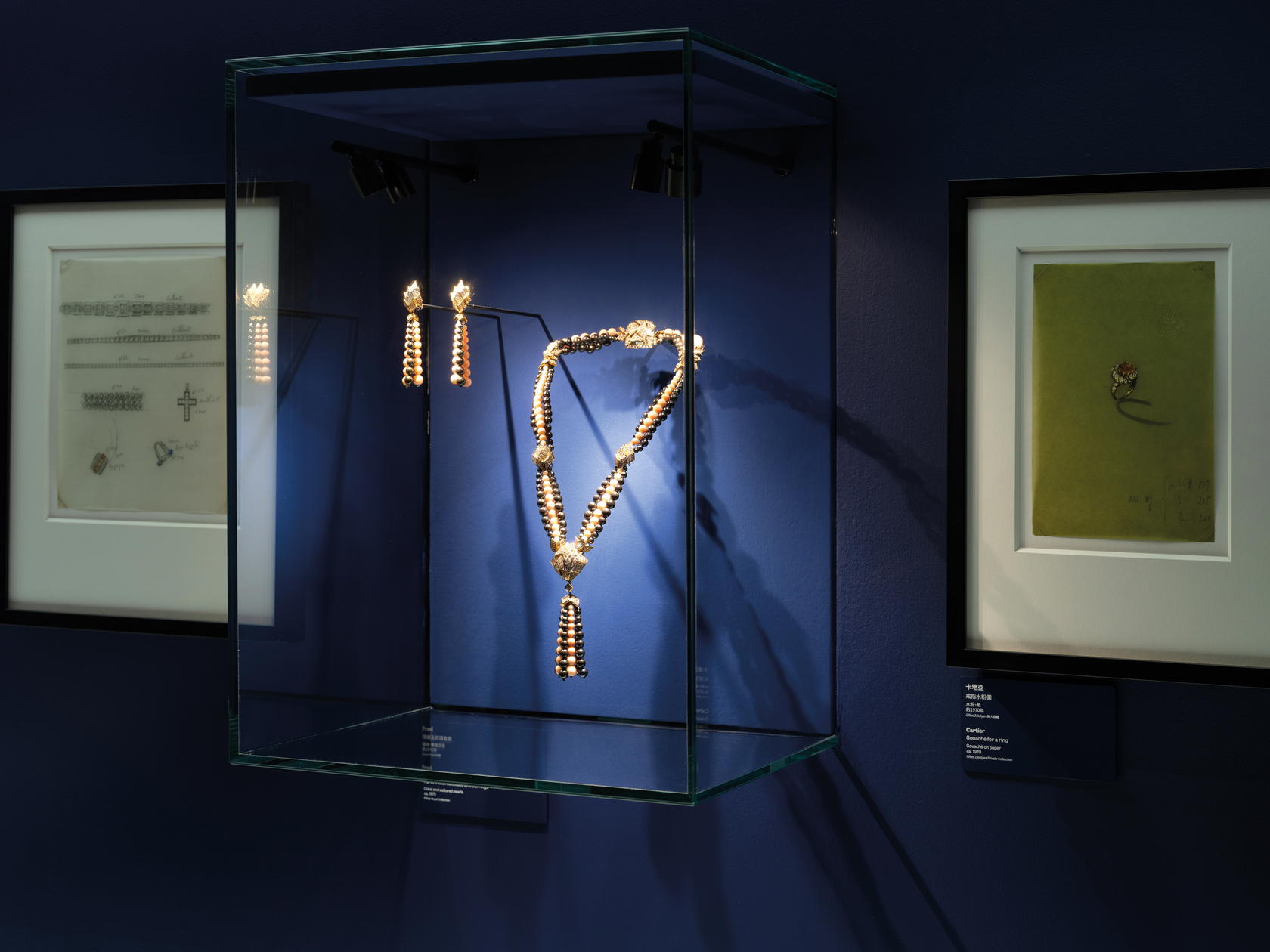
An excellent way to understand L’École’s values was the recent exhibition—“Designing Jewels: 200 Years of French Savoir-Faire (1770–1970)”—at the University Museum and Art Gallery (Umag), The University of Hong Kong. It exemplified what L’École promotes: programmes that value processes over products, and honour the many unseen hands that contribute to creating a precious jewel.
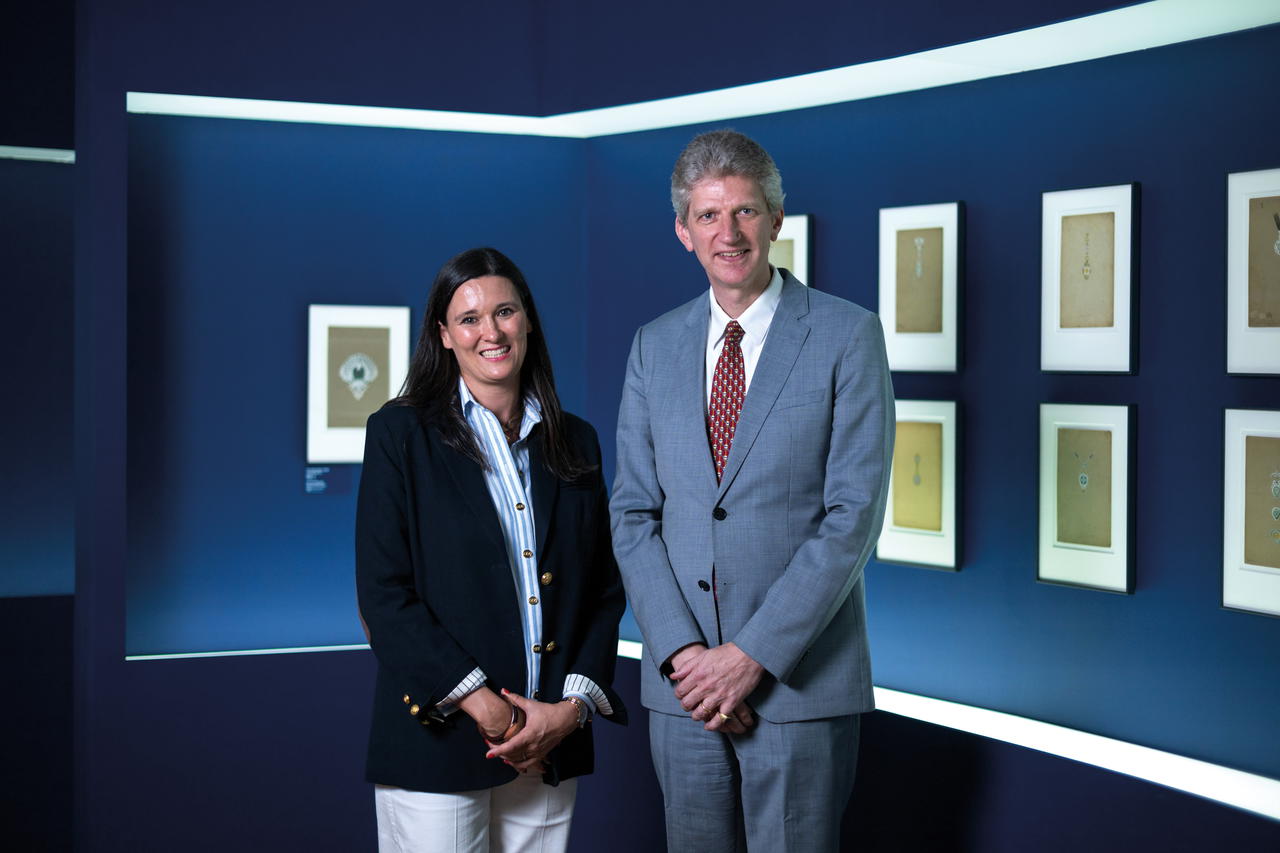
Jointly curated by Florian Knothe, Director of Umag, and Mathilde Berger-Rondouin, Art Historian and Lecturer at L’École, it featured over 100 drawings alongside a collection of 13 physical jewels, many of which were loaned from the Van Cleef & Arpels Patrimony Collection, the Lalique Museum in France, and private collectors across Asia.
The result was a richly layered meditation on craftsmanship, identity, and heritage. What began on paper centuries ago found new life on the walls and display cases in Hong Kong. In this way, visitors were reminded that precious jewels do not begin with gold or gemstones, but with imagination, gouache, and human hands.
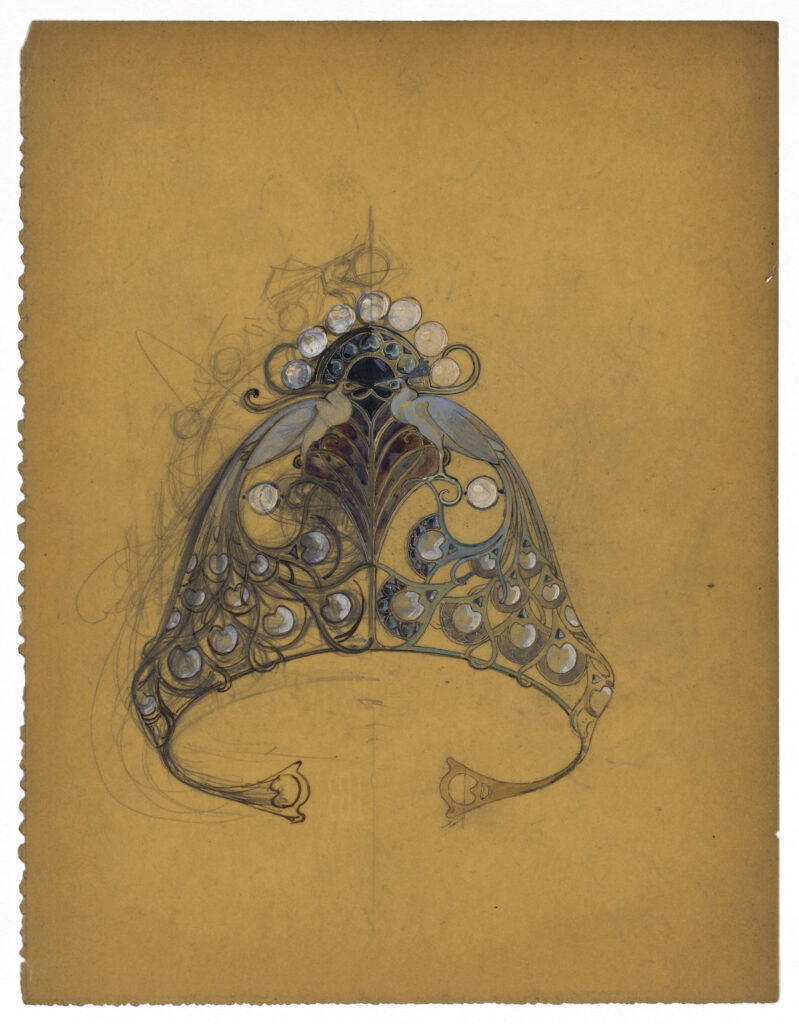
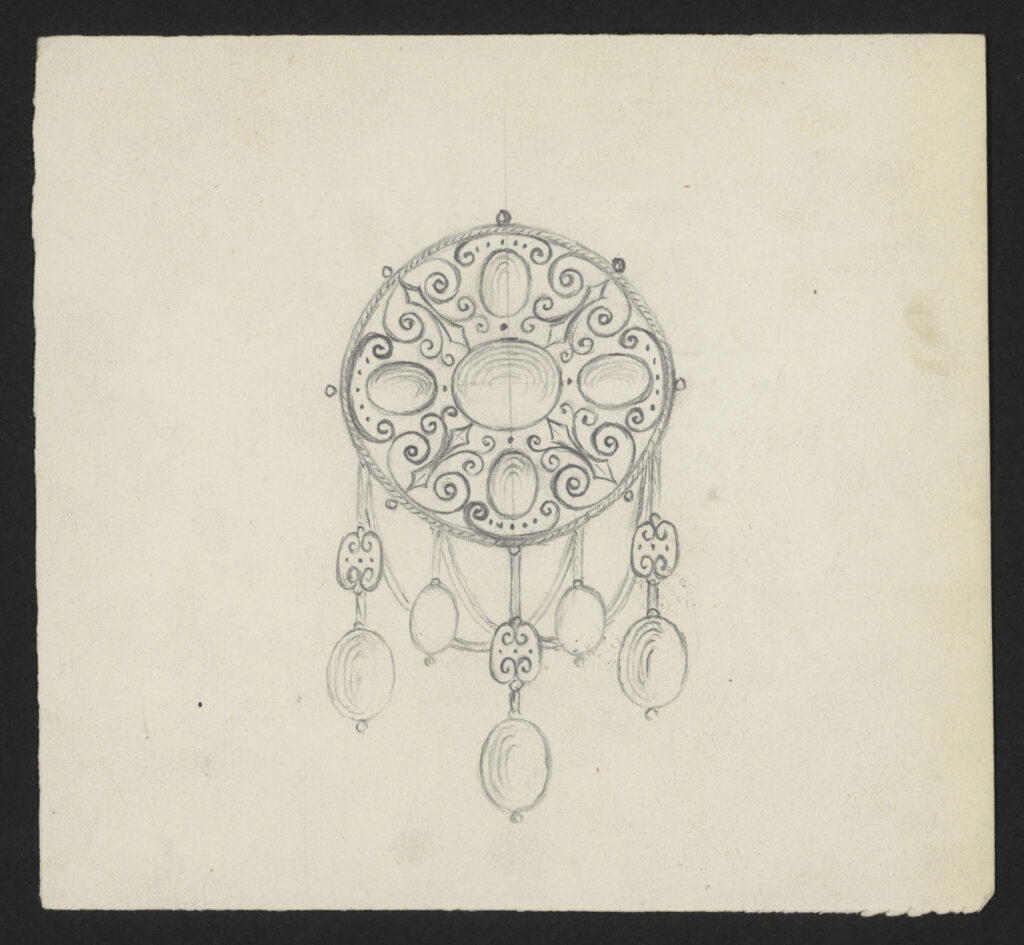
The scale of these drawings made them particularly compelling. Architecture and fashion sketch approximate outlines, but jewellery requires precision. Each drawing is meticulously drawn to a 1:1 scale and are sized exactly to the pieces they illustrate. The exhibition also captured something fleeting through these drawings: the transfer of knowledge from one generation to the next.
Additionally, it acknowledged the often-overlooked hands behind the designs. Most of the drawings were unsigned, created by draftsmen and apprentices working anonymously, whose contributions were absorbed into the reputation of the grand houses they served. While this was true, stylistic clues, such as paper type, framing choices, and even ink flow, allowed curators to identify specific workshops and designers.
One notable example of this is a René Lalique sketch of a diadem rendered on BFK Rives 100 percent cotton paper—a medium so distinctive that it has become a hallmark of the artist. Although unsigned, the drawing was immediately recognisable and stands as a testament to the enduring mark of his reputation.
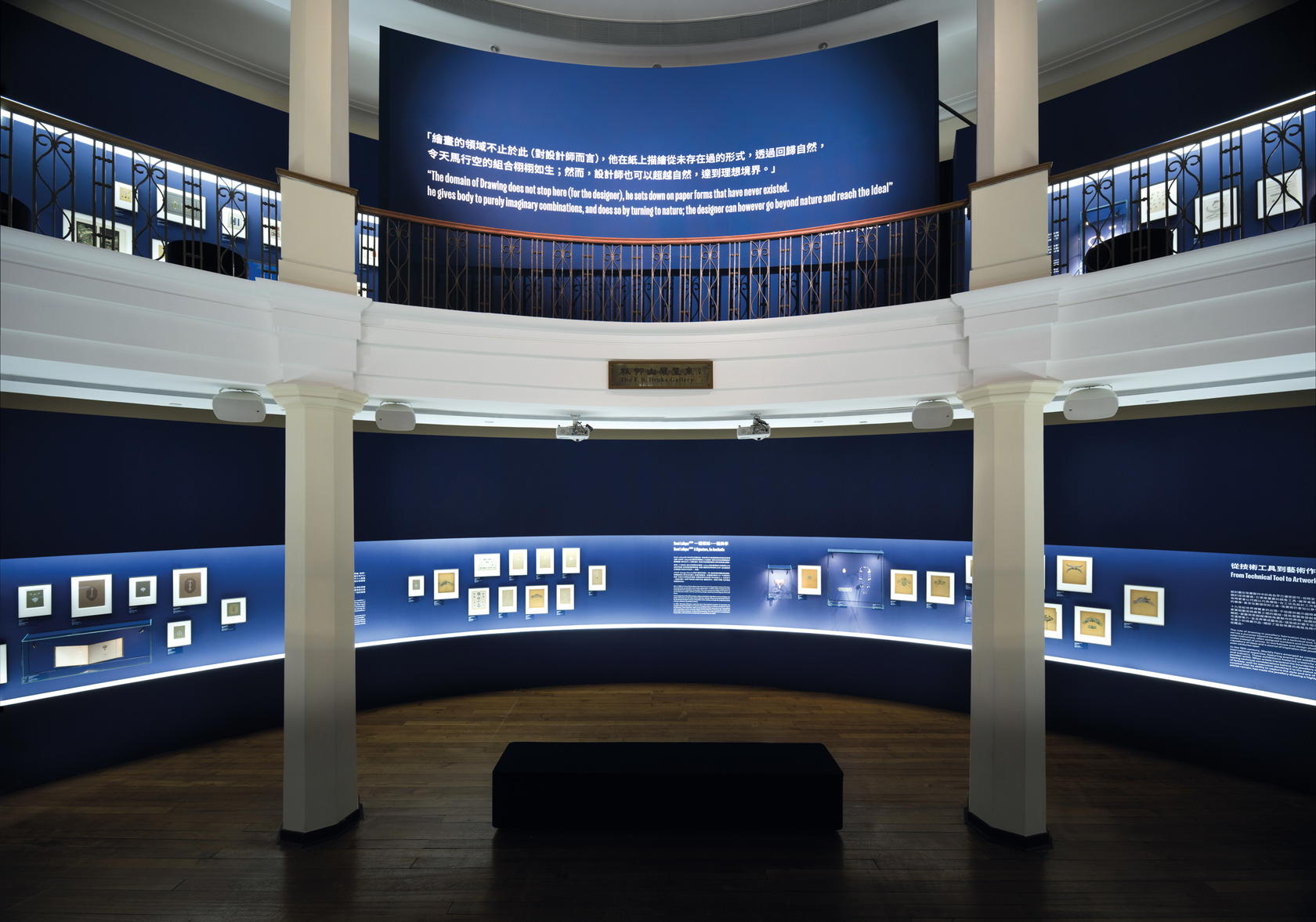
“Designing Jewels: 200 Years of French Savoir-Faire (1770–1970)” extended beyond Umag, with a satellite show at the L’École campus, where the focus was on one of the maison’s most technically remarkable creations: the Zip Necklace. Conceived in the 1930s and realised in the 1950s, a simple zipper inspired the necklace with a sliding mechanism that allows it to be transformed from a necklace into a bracelet.
The piece symbolises Van Cleef & Arpels’ blend of elegance and ingenuity. Through design drafts, archival documents, and visual storytelling, the exhibition illustrated the conceptual and technical rigour required to create a piece so deceptively simple and yet mechanically astonishing.
Van Cleef & Arpels has done more than preserve its own legacy. It has actively shaped the cultural future of jewellery.
With L’École, Van Cleef & Arpels has not just built a school, but also nurtured a global platform for jewellery culture. From courses and exhibitions to public lectures and outreach programmes, it aims to introduce the public to the complexity and beauty of jewellery, breaking down the barriers of exclusivity that so often surround high jewellery.
With no prerequisites, the courses invite beginners, collectors, students, and the simply curious to learn about topics ranging from gemmology and metalwork to art history
and technical drawing. Aside from Hong Kong and Paris, L’École also operates permanent campuses in Shanghai and Dubai, as well as travelling campuses in cities across the world, including New York and Singapore.
As L’École, School of Jewelry Arts Hong Kong celebrates five years, its success can be seen in the conversations it has generated and the renewed respect for an art form often diminished by price and glitz. With its investment in education, Van Cleef & Arpels has done more than preserve its own legacy. It has actively shaped the cultural future of jewellery, ensuring that generations to come will be inspired by the soul of jewellery-making and its stories.