


Dr Jeanel Goh sees women for a range of aesthetic concerns, including pigmentation, wrinkles and fine lines, hair loss and body contouring. Vaginal rejuvenation is another part of her practice, but one that calls for a more personal conversation.
As founder and medical director of Alpha Asia Aesthetics, Dr Goh understands the sensitivity required. Women seek help for different concerns, from dryness and discomfort during sex, to changes after childbirth and menopause. Some are also concerned about appearance.
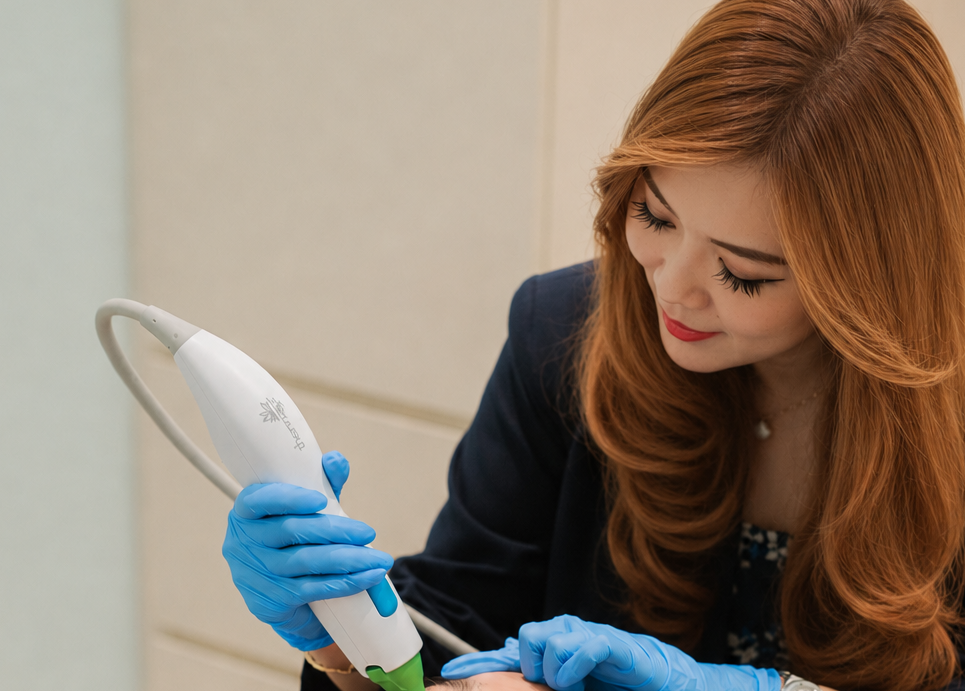
For many of them, the decision to undergo vaginal rejuvenation, which encompasses procedures involving the vagina and vulva, goes beyond addressing a medical concern. Patients must undergo a medical assessment, adds Dr Goh. Treatments may involve radiofrequency or laser devices, as well as therapies intended to stimulate collagen production, and the number of sessions and results vary according to individuals.
The anatomical and physiological changes associated with childbirth and menopause can affect not only physical comfort and function, but also intimacy and how women feel about their bodies. Understanding these motivations, and setting realistic expectations about what treatment can achieve, are essential to the consultation.
Such concerns are reflected in research as well as clinical guidance. A 2025 study by KK Women’s and Children’s Hospital, involving 1,461 women aged 45 to 65, found that four in 10 experienced vaginal dryness. The symptom ranked fourth among the moderate-to-severe menopausal symptoms reported. Then, in February 2026, the hospital introduced Singapore’s first guidelines on the management of the menopause transition. These recommend that doctors proactively ask women about vaginal dryness, painful sex and urinary symptoms, which may otherwise go unmentioned.
While Dr Goh estimates that menopause-related changes account for about half of the women who seek vaginal rejuvenation at her clinic, many among the rest express concerns following childbirth. Identifying a concern is only part of the consultation, however. Not every symptom calls for an aesthetic procedure, and some require further medical assessment. She explains why.
Have women become more comfortable talking about vaginal rejuvenation?
Five to 10 years ago, vaginal rejuvenation was very taboo. We did not market it or put out brochures because women felt shy about discussing it. Now, they are more willing to ask. Some are existing patients whom I treat for other concerns; others come specifically because they have read about the procedure. Most patients learn about the treatment through their own research or during consultations.
What do they seek to address with vaginal rejuvenation? How are these concerns related to menopause?
Some women come because of sexual discomfort or vaginal dryness. These symptoms can start during perimenopause, when oestrogen levels drop, and are associated with what is known as genitourinary syndrome of menopause.
Others experience stress incontinence, such as leaking urine when coughing or exercising. This can also happen after pregnancy. Vaginal laxity after childbirth is another concern, while some women are more concerned about changes in appearance, such as pigmentation.
I would say about half of the patients I see are experiencing menopause-related changes. The others are largely women who have given birth. I also see women in their late 30s, usually around the time they have completed their families.
When women seek vaginal rejuvenation, are they primarily concerned about health, function or appearance?
Usually, it is a combination. Function is often the main concern, but intimacy and appearance may also play a part. For some women, their intimate health affects their relationships and confidence. We do not push the treatment. Usually, women come to see us because they already have a concern they want to address.
How do you approach consultations for such an intimate treatment?
I am familiar with working with gynaecology patients. Earlier in my career, I trained in gynaecology at Singapore General Hospital and KK Women’s and Children’s Hospital. I also ran a sexual health clinic during my dermatology posting. I am used to asking sensitive questions and having these conversations.
Of course, every patient is different, and she has to feel comfortable because this is a very intimate matter. If someone tells me she needs to go home and think about it, I let her. The decision has to come from her. It cannot come from me or anybody else. Even when a woman attends with her partner, I ask if she is comfortable having him present or otherwise. Patient confidentiality is strictly maintained.
I also ask about other symptoms. If I think a patient needs a gynaecological evaluation, blood tests or a swab, I refer her to my colleagues because I do not have the specialised equipment to carry out those investigations. Sometimes, what brings a patient to see me may be just the tip of the iceberg.
When would you advise a patient against a vaginal rejuvenation treatment?
It is not suitable for someone who has significant prolapse; she may need surgery instead. If there is an active genital infection, such as herpes, syphilis or gonorrhoea, we cannot proceed.
If a cervical screening result is suspicious or abnormal, I would want further gynaecological assessment first. I also need this documented report before considering treatment. I had a patient whose report was in a language I could not read. I chose to err on the side of caution and did not proceed until I received an English report confirming the result. She underwent further investigations and treatment before returning.
It’s important to manage expectations too. Some patients have unrealistic expectations, and you have to be prepared to tell them that you are not the right doctor for them. I may defer treatment and ask them to reconsider. Ultimately, you have to be ethical in your practice. I would never promise an outcome I cannot reasonably substantiate.