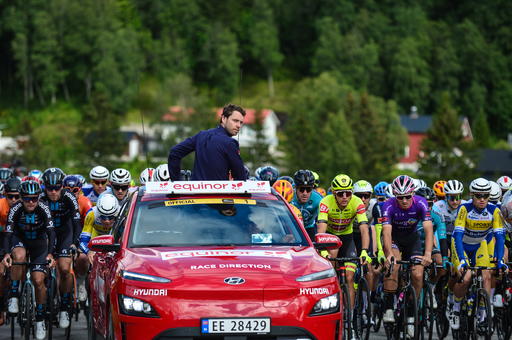
For over a century, elite cyclists have trained relentlessly to get invited to the Tour de France, the most prestigious cycling event in the world. In the iconic race, around 20 teams of nine riders compete over 21 stages spread throughout the day.
Although the race takes place primarily in France, it sometimes begins outside its borders as well. Despite some sections of the Tour travelling through neighbouring countries, it always ends in Paris to the cheers of hordes of fans. Every year, 12 million spectators line up along the various routes, while 3.5 billion watch the even live on TV—second only to the FIFA World Cup.
However, the Tour de France didn’t gain its huge following because the backdrops are scenic and the colourful, whizzing pelotons are amazing (although both are true). It enthrals billions because it is gallingly difficult.
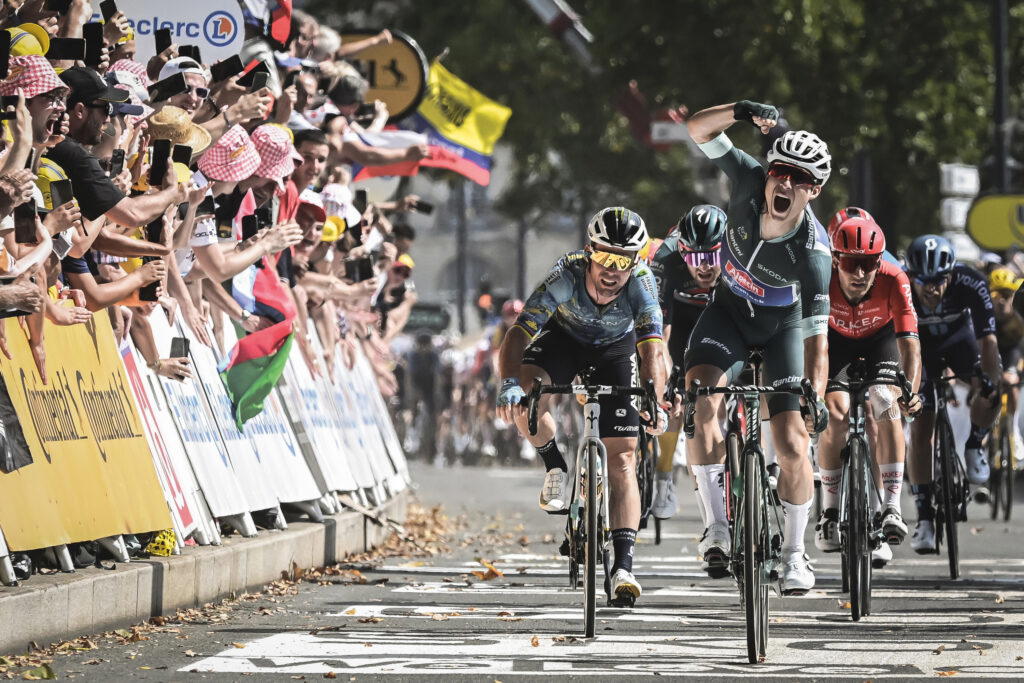
During the competition, participants will be tested on their endurance and skills in three distinct ways: time trials test individuals against the clock, flat stages test riders’ endurance across the countryside, and mountain stages test their climbing skills in the Pyrenees and Alps.
This spirit of persistence inspired the first Tour de France. As editor Henri Desgrange sought ways to boost the circulation of his daily newspaper L’Auto, now called L’Equipe, fellow cyclist and journalist Géo Lefèvre conceived the idea of a country-wide cycling race that would captivate the nation. The first Tour de France took place under the newspaper’s sponsorship.
The inaugural race began on July 1, 1903, with 60 men lining up outside the Café Reveil Matin near Paris. They were a mix of professional cyclists, backed by bicycle manufacturers, and passionate amateur cyclists. All were attracted by the race’s unique nature and the prize money of 20,000 francs.
As part of its first edition, the Tour spanned 2,400km across France, passing through Lyon, Marseille, Toulouse, Bordeaux, and Nantes. The whole event took place over 19 days and consisted of only six stages, which is in stark contrast to the current 21 stages that are part of the event today.
However, the first Tour may have been the most challenging ever. Despite the relatively fewer stages, each one averaged a dreadful 400km; the longest stage in the 2023 edition is only 207.9km. To complete a single stage, cyclists had to ride non-stop through the night.
An additional defining feature of the early Tours was that they were highly individual. There were no team tactics, no slipstreaming, and no support cars carrying spare tires and supplies. Cyclists were completely self-reliant. They had to wrap the extra tires and tubes around themselves while riding and carry out repairs by themselves.
Unsurprisingly, the first stage—an odious 467km stretch—caused 23 riders to drop out. But throughout the entire Tour, a humble chimney sweep named Maurice Garin held a near-constant lead. Displaying unparalleled tenacity throughout the competition, he finished with a staggering lead of almost three hours ahead of the runner-up, Lucien Pothier, and 65 hours ahead of the last finisher.
To this day, Garin’s victory margin remains unmatched in the history of the Tour de France. The entire race took him 94 hours and 33 minutes to complete, and only 21 riders out of the initial 60 finished it.
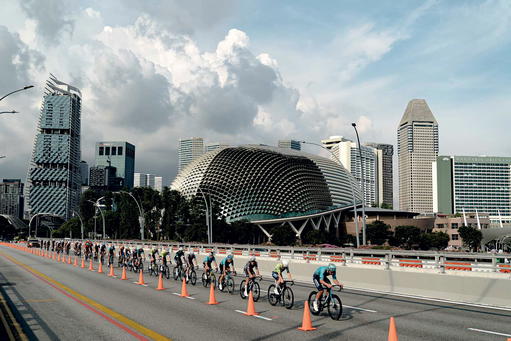
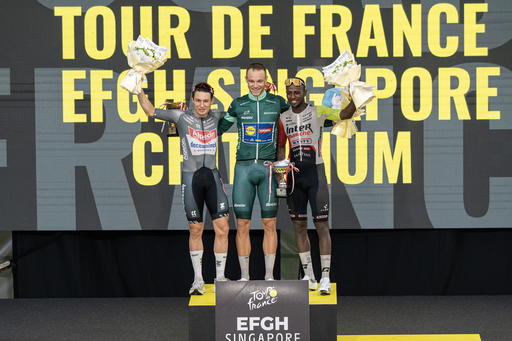
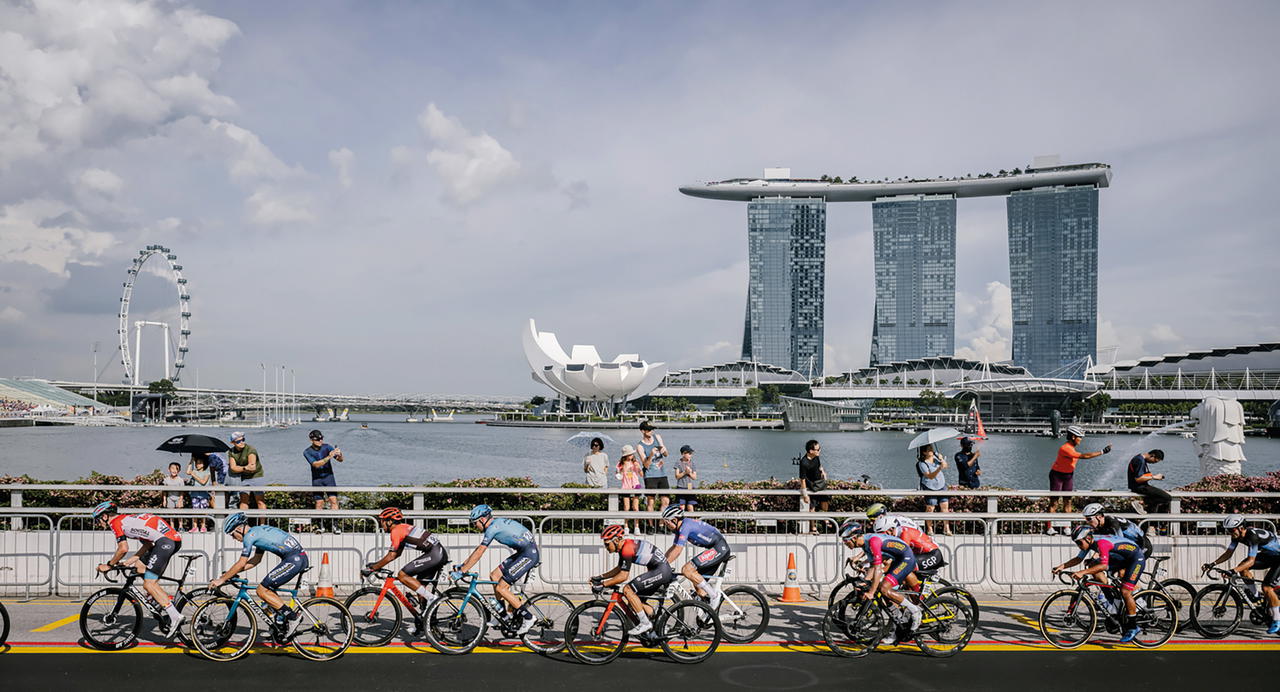
The Tour de France has been held every year since its inception (except during the World Wars), and has expanded its cultural and competitive reach beyond Europe. Singapore became the first South-east Asian country to host a Tour de France criterium in October 2022 when 32 riders from eight of the world’s best professional cycling teams converged on the Lion City to race around its streets.
It’s the second Criterium in the world. The first was held in Saitama, Japan in 2013. Unlike the Tour de France race, which spans a grueling 3,500km, the Criterium races focus on speed and agility. The 2022 Singapore edition saw the cyclists complete 20 laps around a specially designed 3.2-km street circuit in the Marina Bay area.
Danish cyclist Jonas Vingegaard, winner of the 2022 and 2023 Tour de France editions, emerged first in the scrum, completing the race in 1 hour, 19 minutes, and 47 seconds. His average speed? A whopping 42.866 kph.
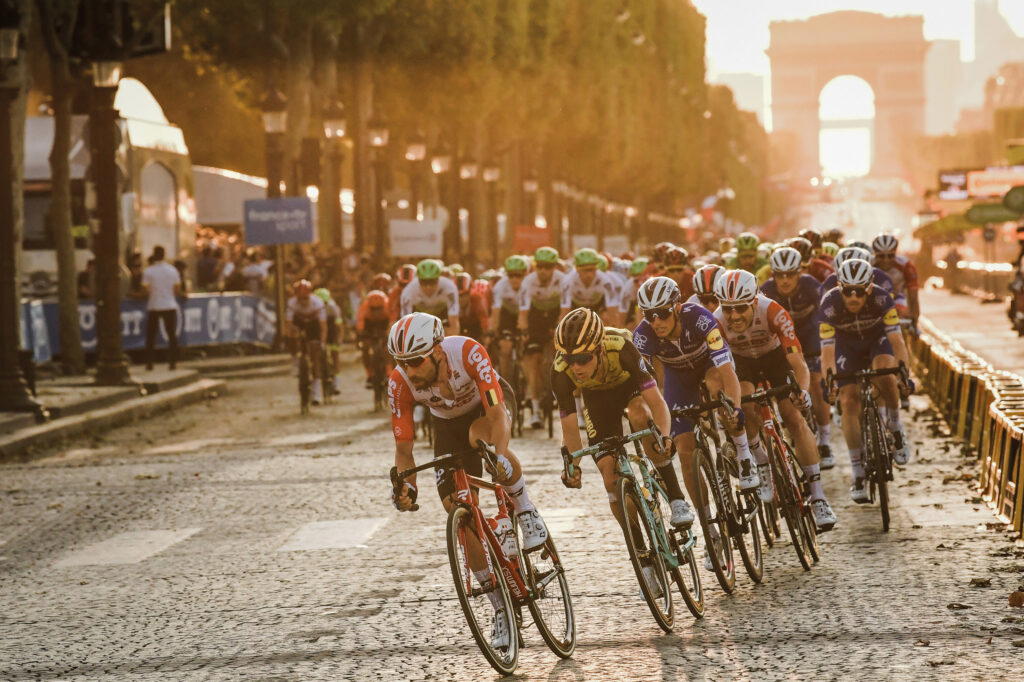
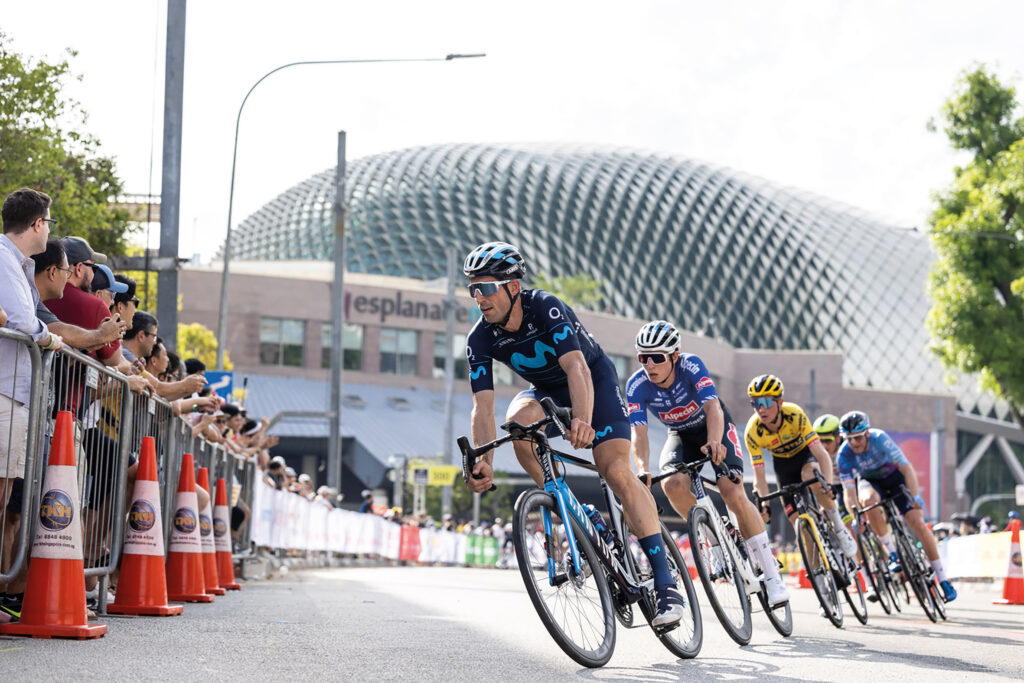
The 2023 edition happening on 28 and 29 October features a new 3.0-km route that takes cyclists past the Esplanade and the Merlion, and around the Fountain of Wealth at Suntec City, the first time the iconic landmark will be featured. In many ways, the route mirrors the Tour de France’s final leg—cyclists will cycle around the Arc de Triomphe on their way to the finish line. Two-time champion Tadej Pogacar has announced his participation, with more expected soon.
Besides the main race, you can expect cycling clinics held in the lead up to the event, amateur races on both days, and leisurely rides around the route. Outside the racetrack, DJ and producer KSHMR will be laying down some electro beats during the closing party. You can buy tickets and find more information at singaporecriterium.com.