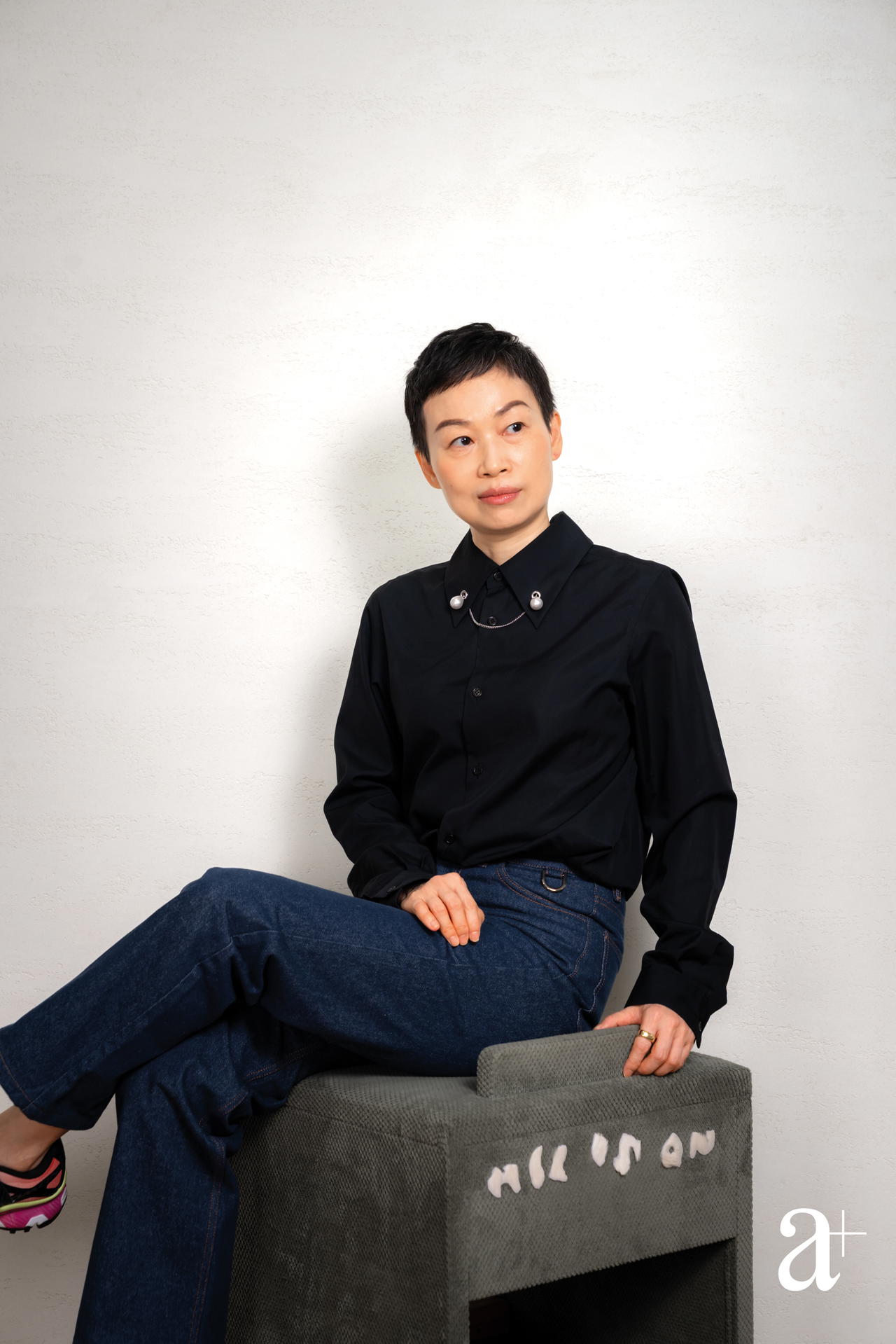
For art historian Allison Liu, beauty is a philosophy shaped as much by scholarship as passion. Apart from her academic research on Nanyang and Song aesthetics, which focuses on cross-cultural modernism, Liu also follows the lineage of artistry through her own collection of modern Singaporean masters and rare porcelain.
Her focus has since distilled into traditional zisha teaware made from unglazed clay. For Liu, every teapot invites meditation on harmony, which she lives out daily at work and off it.
Your academic and artistic careers are intertwined. When did you become a collector?
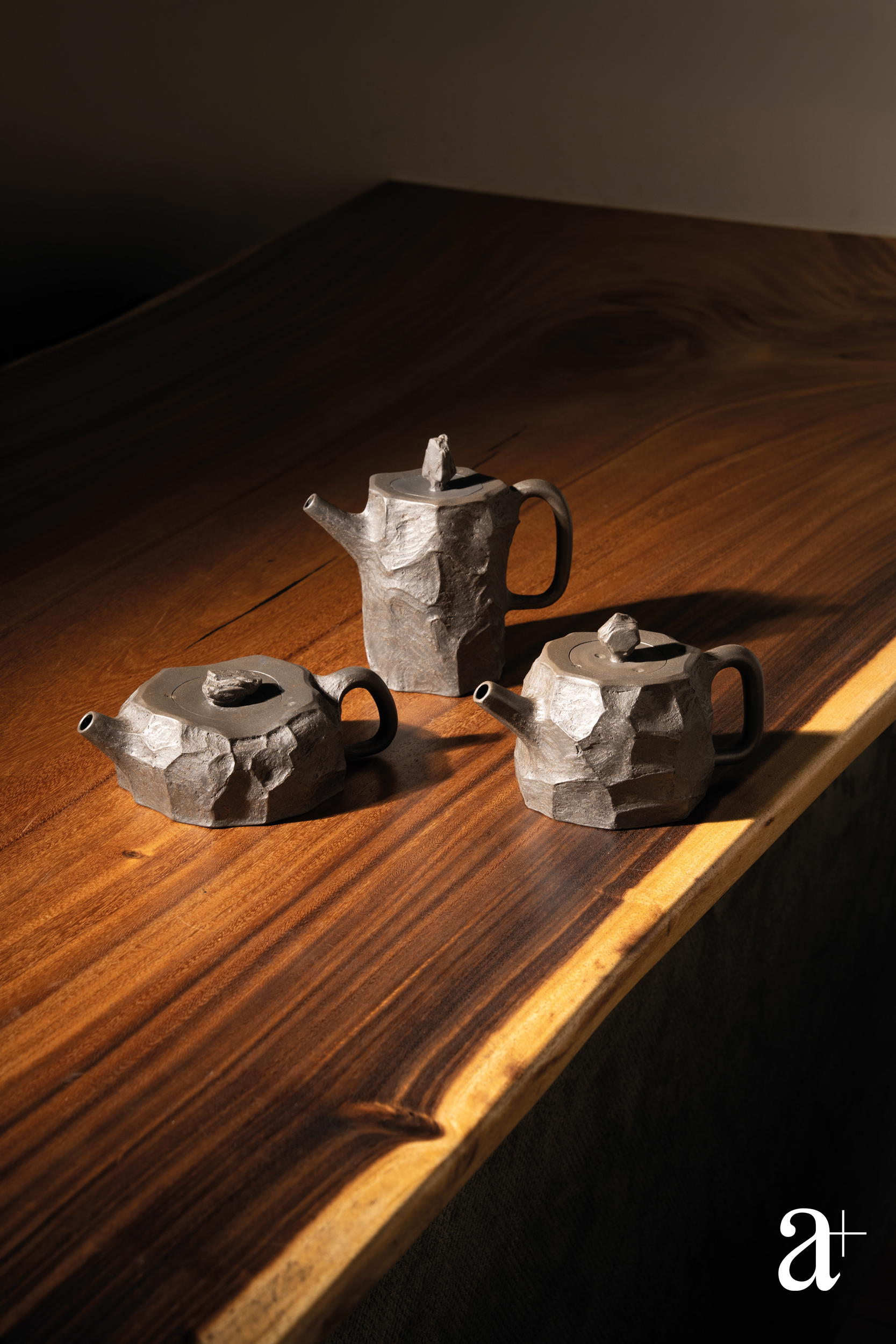
I began collecting in 2007, long before my formal scholarship in Nanyang and Song art. Teaware fascinated me as they unite art and function; form and proportion are as significant as material. I eventually gravitated towards zisha (Yixing purple clay) teaware, whose classical shapes and scarcity make them endlessly appealing. The clay comes from a single mountain in Yixing, and mining has been banned since 2005.
After nearly a decade of studying and collecting, I began acquiring masterpieces like the Gentle Monster Gong Chun teapot after meeting Master Wang Hui. It was only then that I realised the extreme challenges he and his team faced when pioneering the ash-kiln firing process.
Both materials are pushed to their limits in this experiment. Zisha clay typically survives only below 1,200 deg C, while natural wood-ash glaze requires temperatures above that. Bringing them together in one firing is almost paradoxical, but the tension is what makes the piece so extraordinary.
What was your first tea set like?
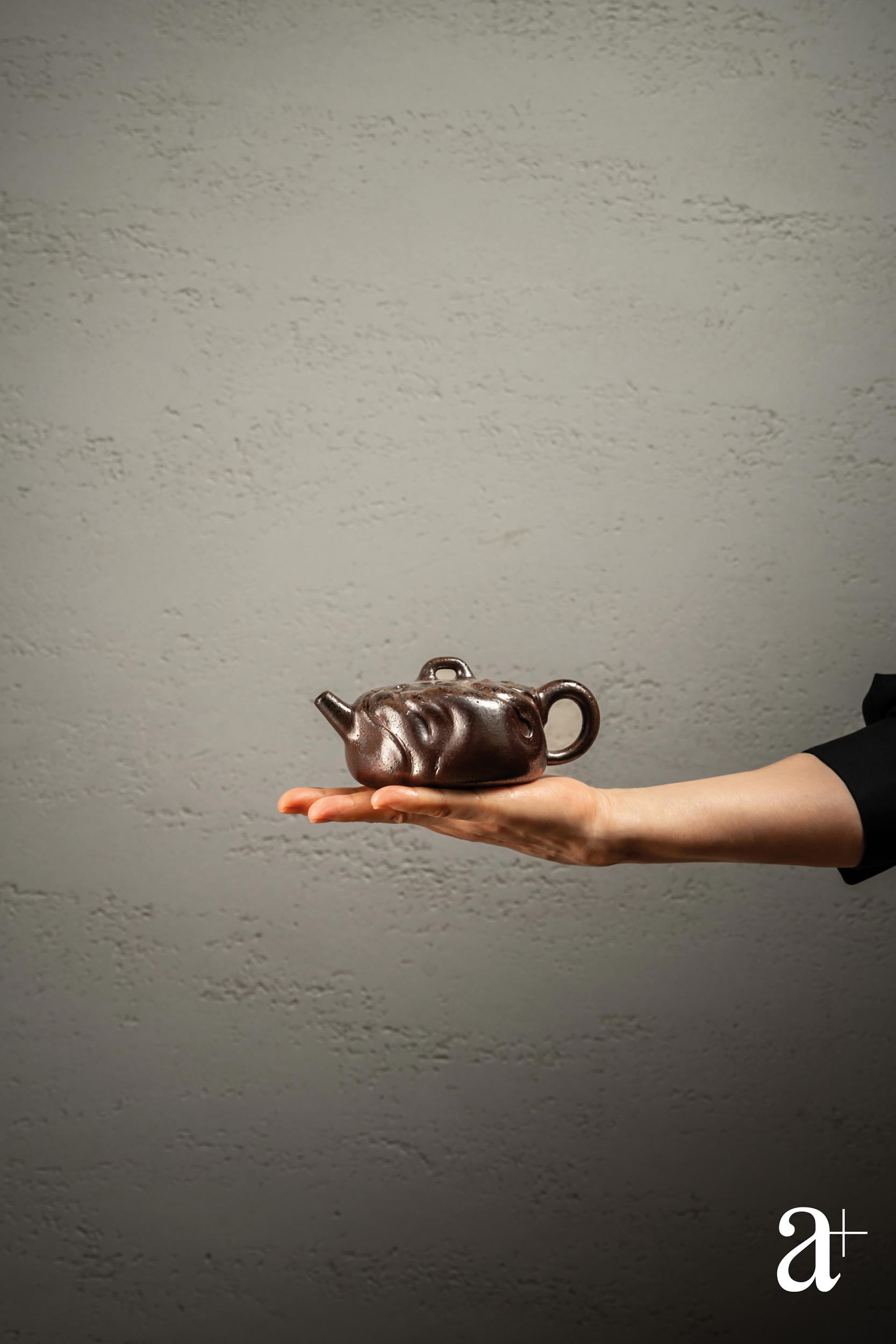
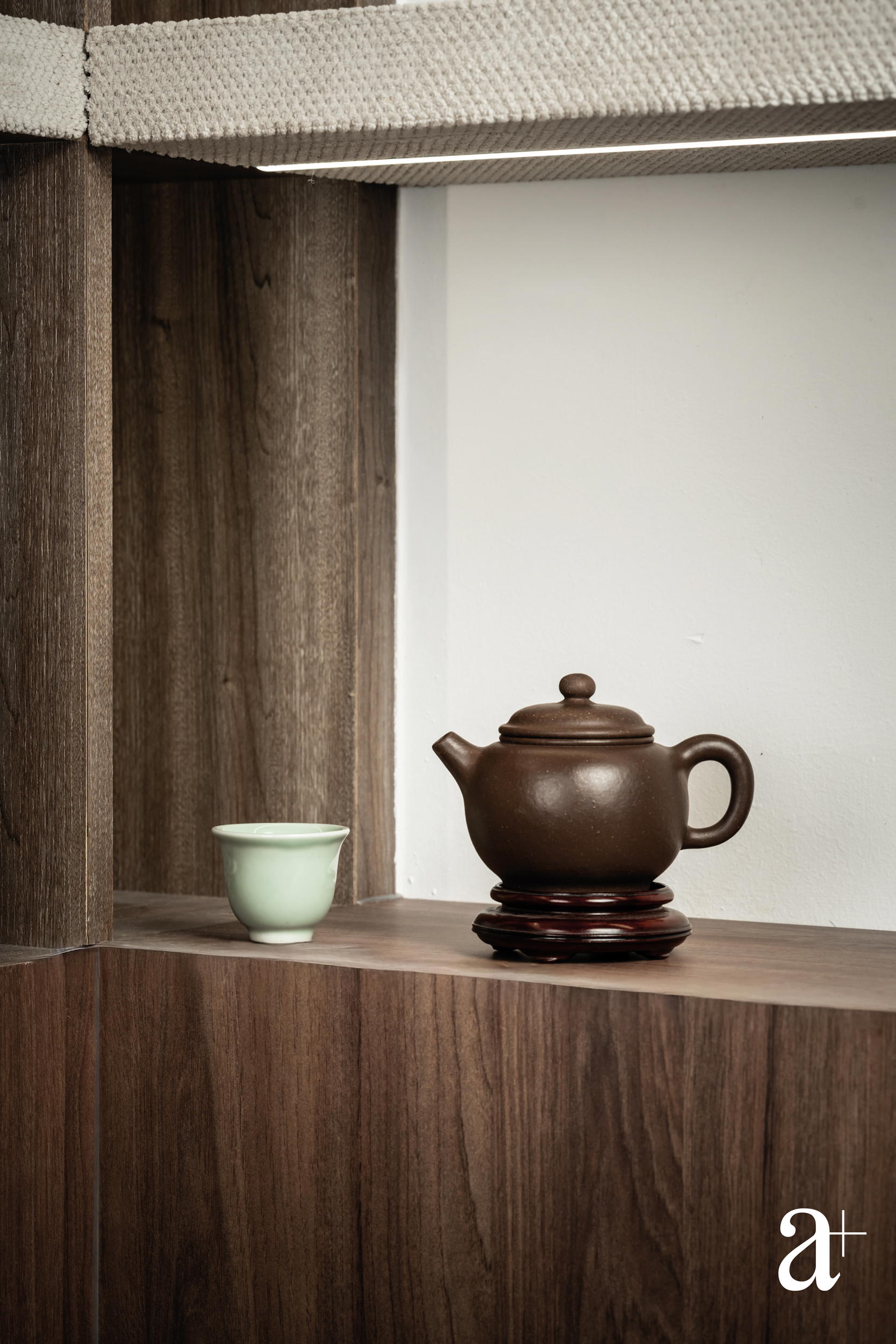
I still treasure my first teapot, a contemporary version of a Gong Chun teapot nicknamed “Gentle Monster Gong Chun”. I acquired it during a visit to Wang Hui, a senior master of arts and crafts in China, in 2016. As soon as I saw it, I was captivated by its form and spirit and bought it immediately.
What tea set best represents your aesthetic philosophy?
The Ph.D. Teapot, which I designed and created during my doctoral studies. It represents my pursuit of a balance between tradition and innovation.
Which piece was the most difficult to acquire?
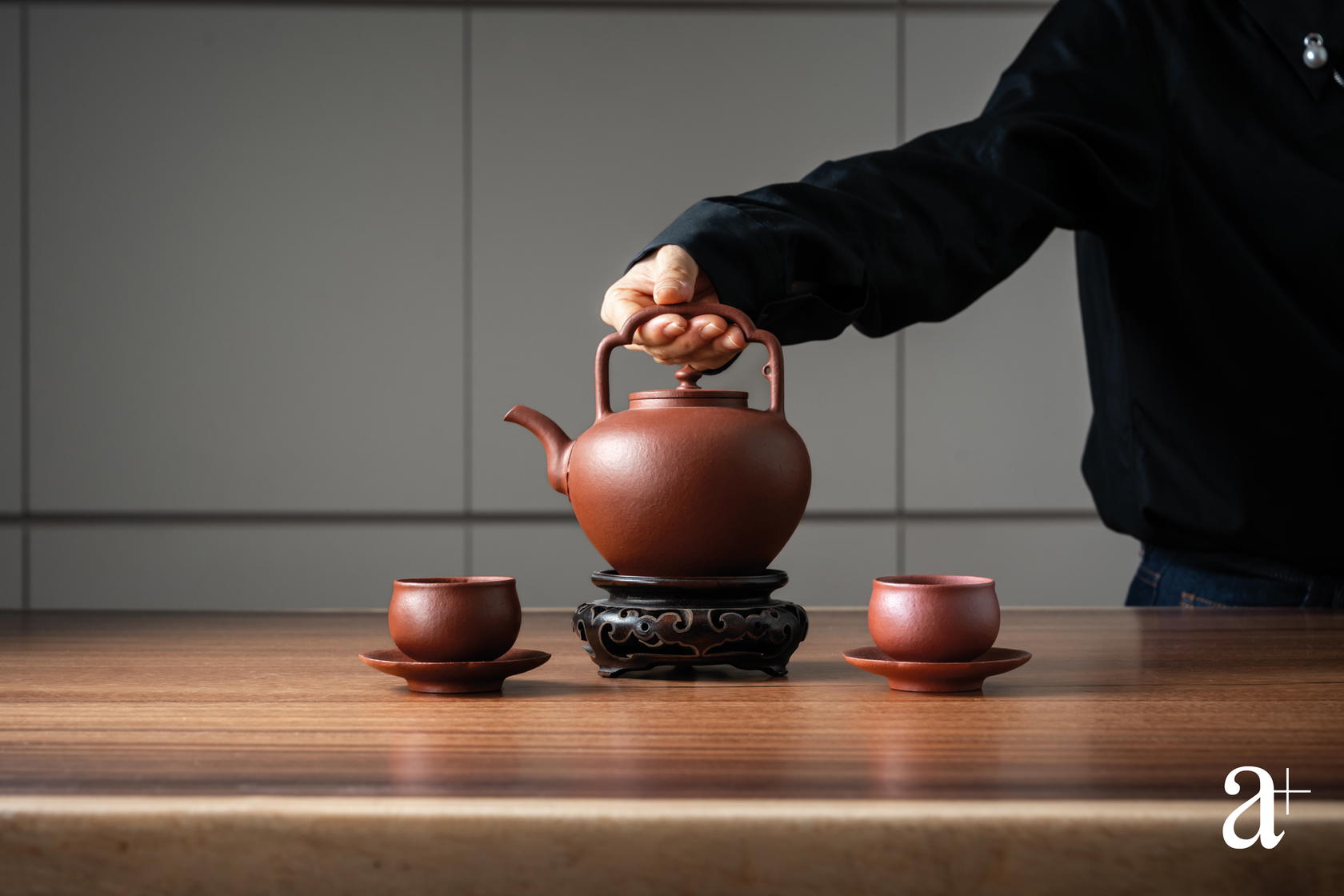
It would have to be the Quintuple Form Teapot by Master He Daohong (born 1943). A remarkable artist, he produced only two to three teapots a year at his peak. Collectors tend to seek works created when he was between his 30s and 60s. That period defined his mature style.
It is estimated that he produced fewer than 300 pieces in his lifetime. As a result of health reasons, he stopped making teapots about 15 years ago, so the number of his works are rare.
In your tea rituals, do you use your sets?
Yes, I use most of them. The greatest value of these objects lies not in displaying or preserving them, but in integrating them into our daily lives. By using them, we allow craftsmanship and beauty into our daily lives.
Photography Yvonne Isabelle Ling
Art direction Ed Harland & Annalisa Espino Lim
Makeup Keith Bryant Lee, using Chanel Beauty
Hair Sarah Tan, using Kerasilk