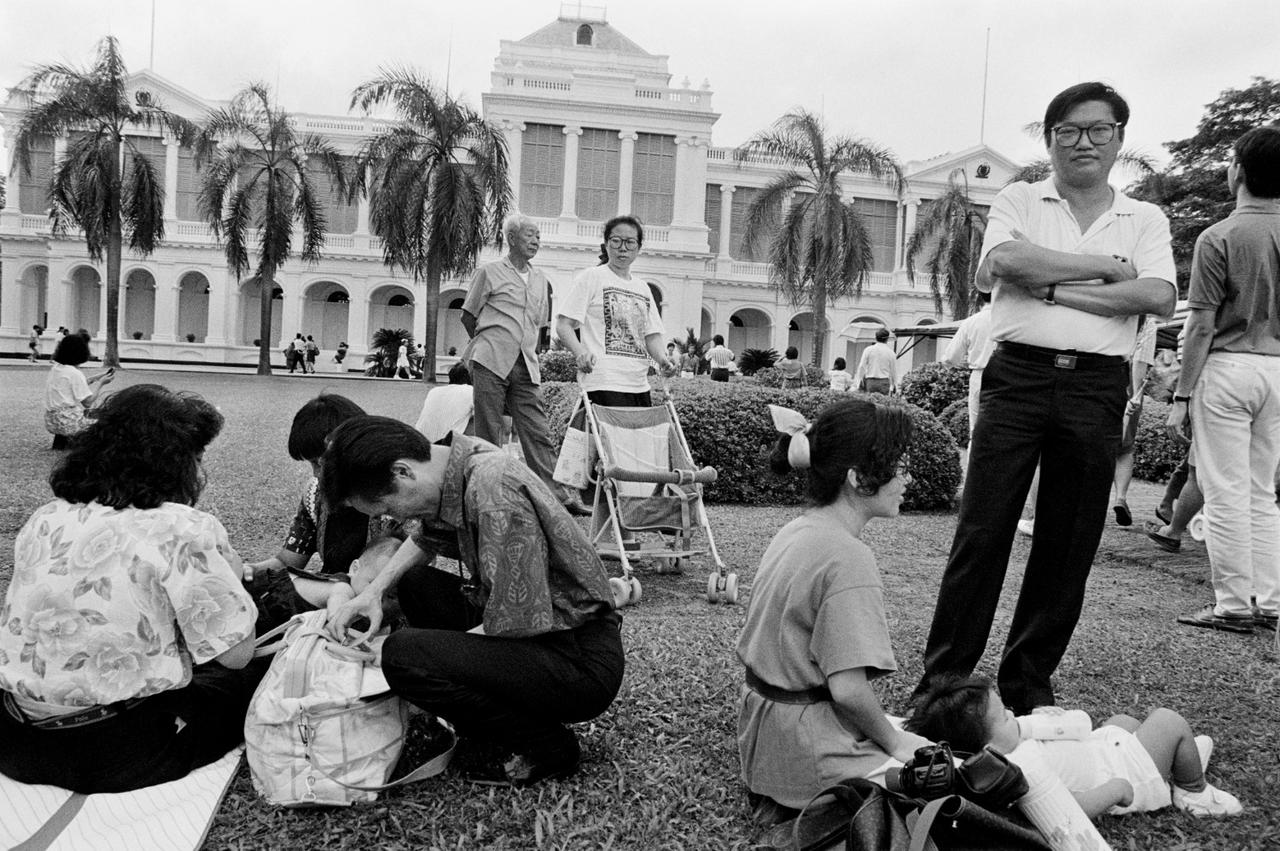
In 1991, a 22-year-old Tan Pin Pin returned to Singapore after studying abroad and began looking at home as though it were unfamiliar. Camera in hand, she spent a year moving through spaces she might otherwise never have entered. These include matchmaking outings, weddings and funerals, church rallies, school excursions, funfairs, society balls and the everyday bus stops and void decks. The result was an expansive record of communal life—some 2,800 black-and-white negatives made with the curiosity of someone trying to understand her country by being physically present in it.
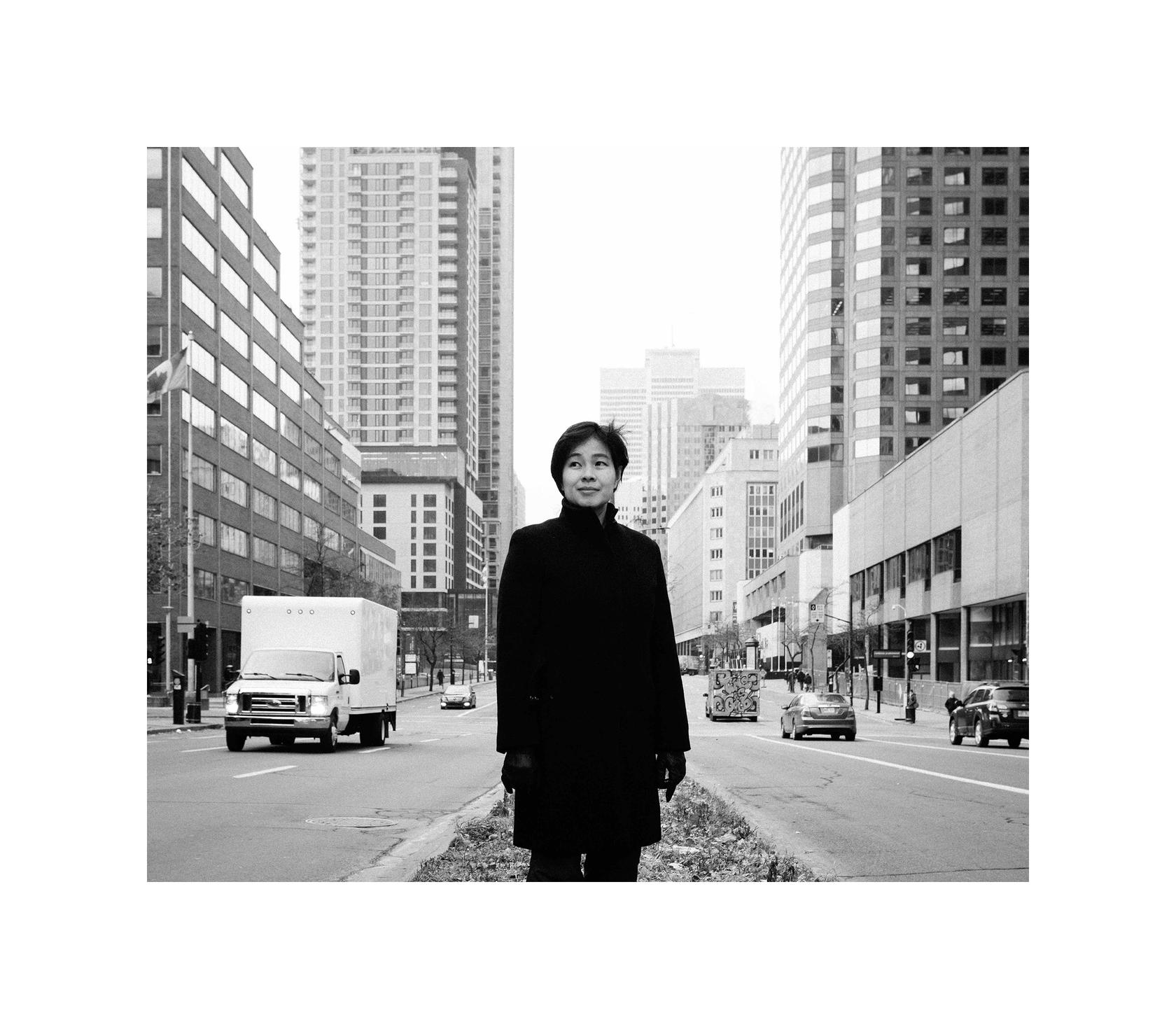
More than three decades on, those images are being seen anew in Singapore Index, Tan’s solo exhibition at the 10th Singapore International Photography Festival (SIPF). Beyond offering a window onto Singapore of the early 1990s, the photographs capture the beginnings of an artistic sensibility that would later shape her filmmaking. Her attraction to people, everyday encounters and the small details through which a place reveals itself. The exhibition is one of the festival’s highlights and runs at Shop-House by Deck from October 16 until 31 January 2027.
For Tan, revisiting the archive also means encountering the photographer she was before she became known for films such as Singapore GaGa, Invisible City, To Singapore, with Love and In Time to Come.
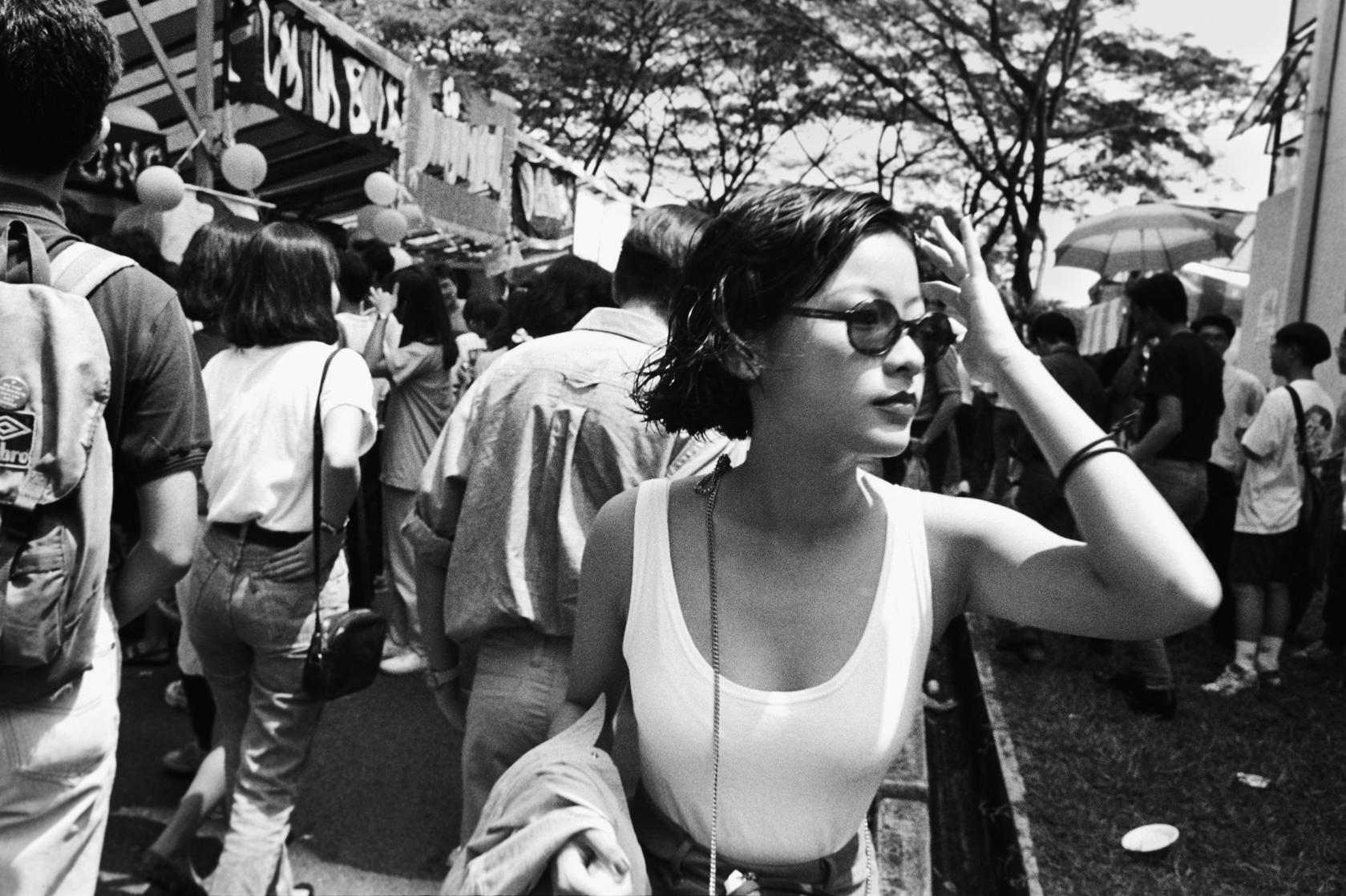
What made you photograph Singapore so intensively in 1991?
I was studying in England in the days before the internet. I was a fish out of water, and that experience of difference suddenly gave me a gift of noticing the world around me more acutely. I found myself being interested in something as simple as the uniform the cleaner in the university wore—things I would not have paid attention to before. I went around the university town, photographing life as noticed by a foreigner. Somehow there was an urge to record these noticings. I found photography. If I bought bulk film, shot in black and white, and developed the film myself, photography was affordable too.
When I returned to Singapore, I saw it with fresh eyes, and I wanted to document these noticings. I realised I wanted to be an artist more than I wanted to be a lawyer, so I set about testing the label on myself. I set a year-long project photographing Singapore to see if I could handle the gruelling journey of making a photographic show of the works I had taken. In 1993, I organised a solo show at the Mandarin Hotel, showing 30 photographs chosen from nearly 2,800. A few of the photos from that series are in this new show called Singapore Index, which contains many new, unseen works, using a different criteria for selection.
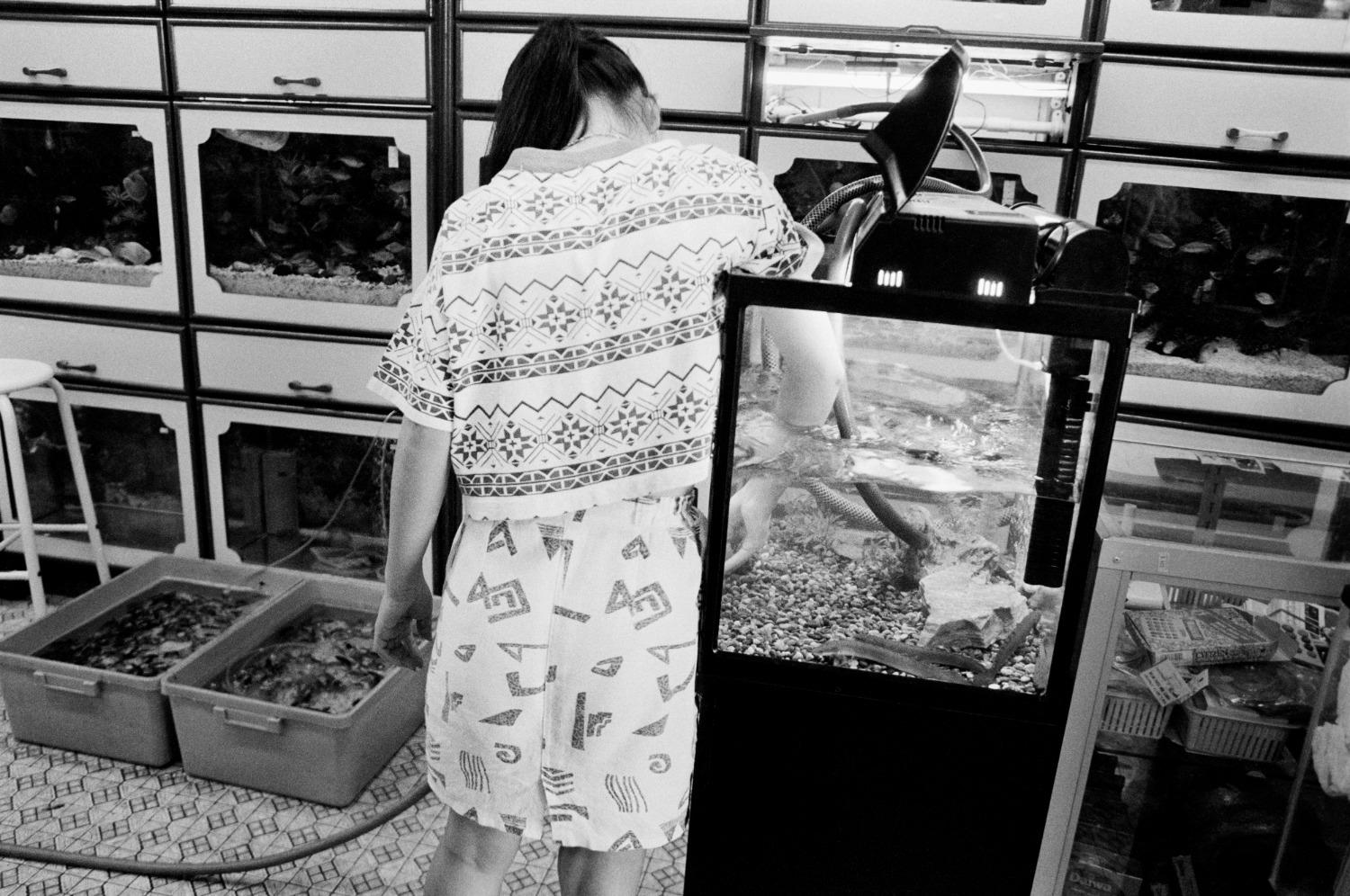
You made the photographs in Singapore Index when you were 22, after returning to Singapore from abroad. What was the Singapore you were trying to understand through the camera?
As a young adult, I was trying to find a framework for understanding the world economically, politically, and culturally. I thought that to understand one’s country, one had to go on the ground, to see Singapore for myself, and to bear witness to every corner of it. So I attended everything from state-subsidised matchmaking events and male beauty pageants to church rallies and furniture fairs—places I would not normally go with my SLR camera and a wide-angle lens. I photographed whatever caught my eye. There are many faces and expressions in the negatives.
How did you approach those images again after more than three decades?
Thirty-five years ago, I carried a camera everywhere I went for a full year, shooting Singapore public events and private gatherings instinctively, without a grand plan. The only plan was that I had to be out there, seeing things for myself.
Looking through the negatives today, I see what I couldn’t then. What felt like casual observation was an attempt to construct a visual taxonomy of the country, mapping its identity through its rituals and daily rhythms.
The frames showed a clear bias: I was drawn to human faces, not the built environment. In selecting the work for this show, I leaned into that original, unstated impulse to create an index of communal life. The intention to record was strong; everything was fair game. School outings, Istana open houses, funerals, weddings, government matchmaking events, void deck performances, and bus stops were all noted. Hence, we decided to name this series Singapore Index.
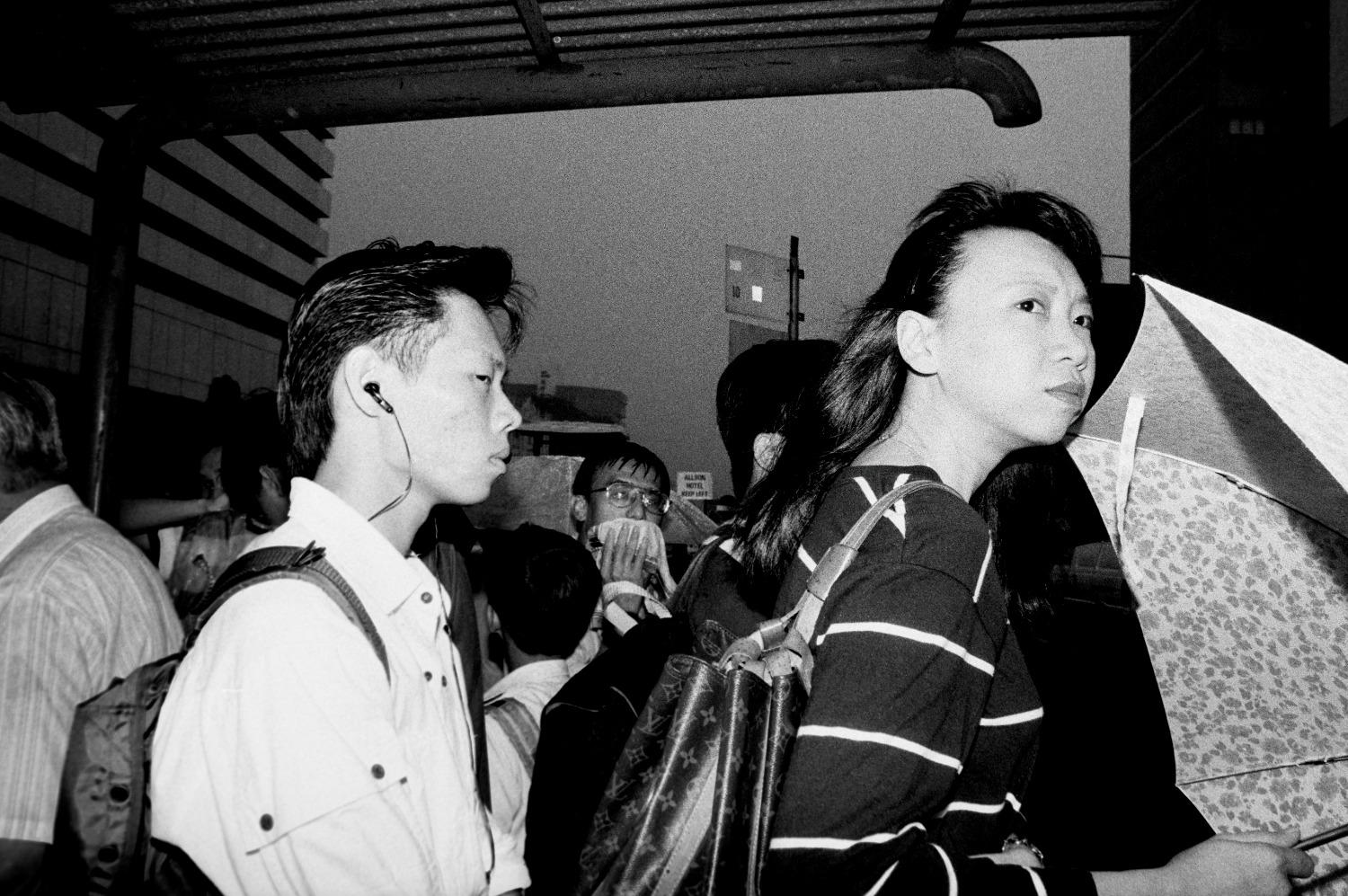
How did you choose 64 images from some 2,800 negatives?
There were three decision layers. First, the show needed to showcase the range of events covered by this youthful endeavour to index the country. However, we also realised that some photos had nostalgic value to a present-day audience—for example, two men eating at a roadside stall with gusto while a woman (his wife?) wrangled a toddler. Yet another level was to showcase the eye that was noticing all this: what was the photographer drawn to? The 64 photos chosen interweave these strands. I think with such a tight selection, there are many that did not make the cut. Perhaps we can have another show!
Were there photographs that surprised you in retrospect?
Looking at the contact sheets, I found that I was taking many shots of the exact same angle, hoping there would be one reaction that would speak to the scene. Now that I have spent so many years working in film, I would have told my younger self to vary my angles rather than wait for the perfect moment. Coverage!
SIPF’s theme this year is “In My End Is My Beginning.” What does that mean to you in relation to Singapore Index?
Where Singapore Index is concerned, I would flip it to: “In my beginning is my end.” I had forgotten about these early bodies of work once I moved onto a life in filmmaking, because I felt film was separate from my other art endeavours. But of course, these early works are foundational, and everything within oneself is connected.
The modus operandi I developed then is the exact same one I use on my features like Singapore GaGa, Invisible City, To Singapore, with Love, and In Time To Come. I use the camera to collect material based on a curiosity and a theme, and then I let the editing process and the sequencing (in the case of photography) make sense of the huge pile of images. Editing was key then, as it is now. At 21, I also learnt the fundraising and pitching aspects of art production, and realized how important it is to complete something one starts. I am glad I saw the project to conclusion, or I would not have something to show now.
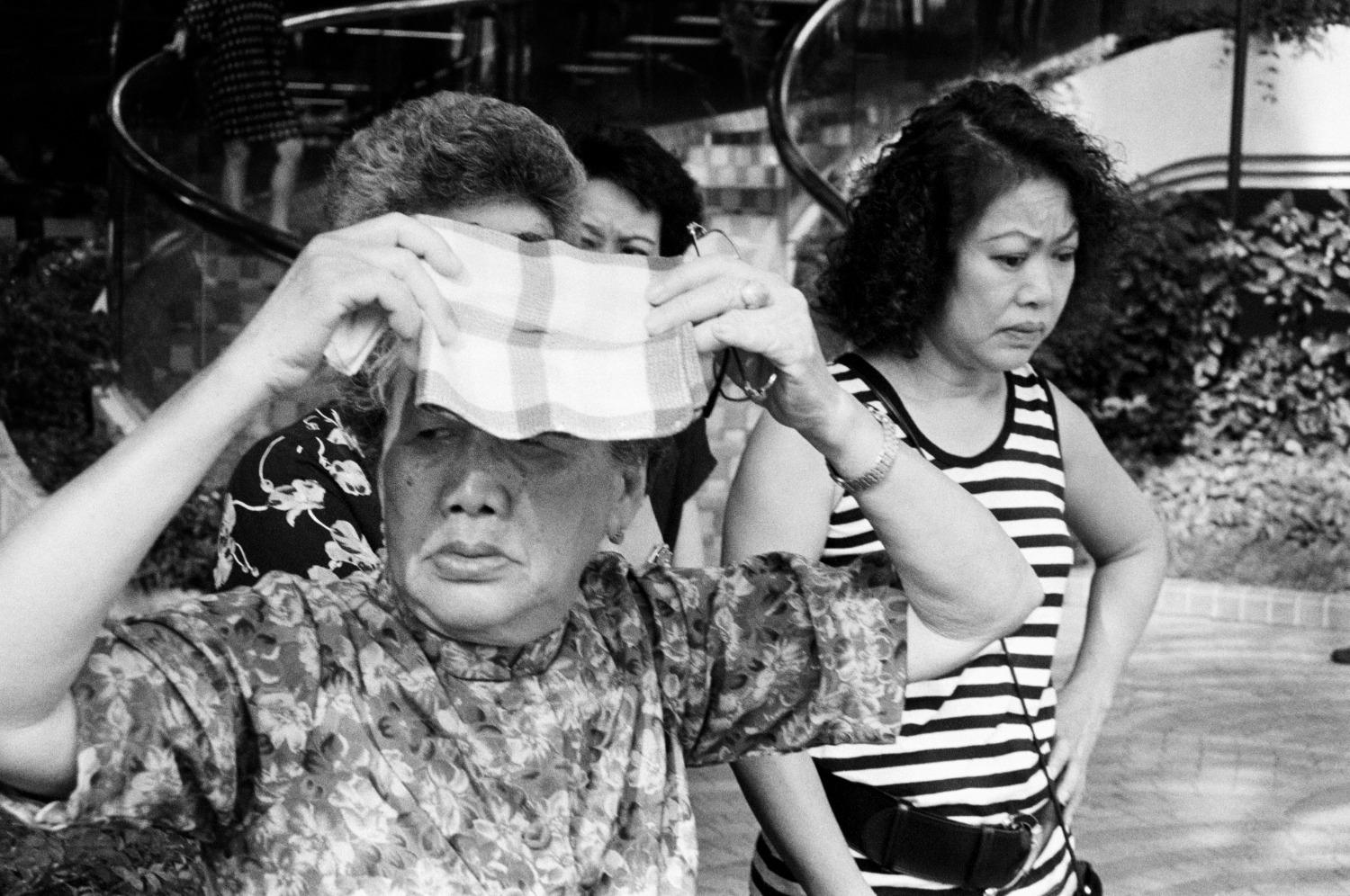
Has filmmaking changed the way you now read your early photography?
With filmmaking hindsight, I wish I had more coverage. Conversely, because I was an intense photographer for so long, constantly seeing and noticing, being sensitive to one’s surroundings, this antenna developed in the early years, has stood me in good stead as a filmmaker working with reality. My only regret is that I don’t use the film or still camera as much anymore. I am losing that instinctive touch and feel—connecting what the eye sees with the hand and body that moves to capture the moment. I use my phone to do that sometimes, but it is not the same.
How has your way of filming Singapore changed over the years?
My mode of working has remained very spartan all these years. I develop ideas following an instinct or a feeling. So usually, it is just myself, going to see things firsthand, doing preliminary research and chatting with possible partners. I am interested in people, which you can see from the early photos, and this interest has led me to archaeologists, buskers, and political exiles in my film work. The difference with the film medium is that meaning is created in sequences. Photography can exist as a sequence, but it can also work singularly. It is an interesting tension between the two mediums.
Find out more about Tan Pin Pin here, and the 10th Singapore International Photography Festival here.