


The Rolex Awards, formerly known as the Rolex Awards for Enterprise, was established in 1976 to mark the 50th anniversary of the Oyster, the first waterproof wristwatch produced by Rolex. While the Oyster facilitated exploration, the Rolex Awards reflect how Rolex’s priorities have shifted over a century, from supporting discovery to actively caring for the planet.
Part of the company’s Perpetual Planet Initiative, the programme forgoes the usual retrospective awarding of honours. Instead, it supports individuals and projects involved in active research and early-stage initiatives in environmental conservation—in particular Ocean and Landscape conservation; and Science, Health and Technology.
Since its inception, the Rolex Awards has supported 165 Laureates from 52 nationalities, with projects reaching 67 countries. However, the recent revamp indicates a shift in both frequency and philosophy: the Rolex Awards has transitioned from a biennial ceremony to an annual cycle, accelerating the pace of intervention to meet the urgency of current environmental demands.
This shift is complemented by a more targeted selection process; instead of waiting for applications, Rolex now uses a global network of partners and advisors to identify and invite candidates. The aim is to allocate resources by prioritising individuals whose ongoing work is most likely to have an immediate and scalable impact. The winners are also evaluated on their originality and the influence they have on the wider world, as well as their leadership.
The 2026 Laureates, selected to mark the centennial of the Oyster and the 50th year of the Rolex Awards, reflect this shift toward localised, high-impact science. The cohort—comprising five women from Indonesia, Nigeria, Peru, China, and the US—represents a move away from top-down conservation in favour of community-led intervention.
BINBIN LI, CHINA

In the bamboo forests of central China, fewer than 2,000 giant pandas remain in the wild. Their survival is increasingly threatened by free-ranging livestock grazing in their high-altitude
habitats. Li, an environmental scientist, is developing a sustainable grazing model that balances the economic needs of local communities with the panda’s requirement for seclusion. The Rolex Award will fund the expansion of this framework across several of China’s major mountain ranges.
FARWIZA FARHAN, INDONESIA
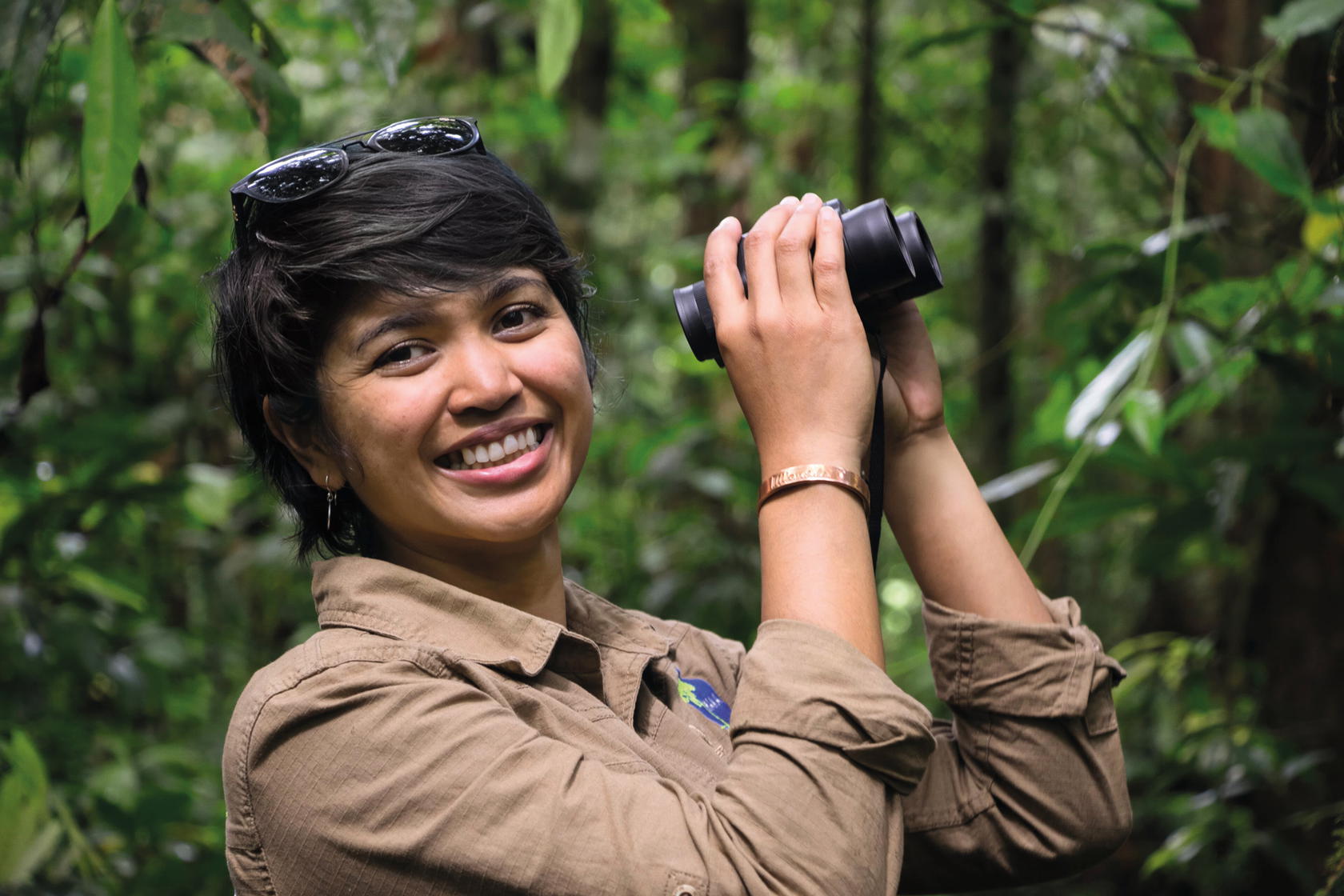
Sumatra’s Leuser Ecosystem is the last refuge where elephants, tigers, orangutans, and rhinos live together. It is constantly under threat from development and deforestation. Farhan, a forest conservationist, has spent years organising grassroots legal and physical protections for the forest. Her work now focuses on enabling women and local communities to monitor and report illegal deforestation, ensuring that environmental governance in Sumatra remains a community-led effort.
PARDIS SABETI, US

A medical geneticist with decades of experience on the frontlines of viral outbreaks in West Africa, Sabeti utilises pioneering technologies and algorithms to identify infectious diseases before they reach epidemic levels. The Rolex Award supports the development and testing of a portable diagnostic device in remote areas of Sierra Leone. The aim is to equip local health partners with the technology to detect and contain pathogens at their source.
RACHEL IKEMEH, NIGERIA

The Niger Delta is a biodiversity hotspot often overshadowed by its oil industry. Ikemeh is recognised for preventing the extinction of the Niger Delta red colobus monkey through a model that links species protection to the livelihoods of 2,500 people. Having successfully protected over 5,839 ha of forest, she will use the Rolex Award to establish a mobile education programme and a regional training centre to replicate this conservation model in neighbouring communities.
ROSA VÁSQUEZ ESPINOZA, PERU
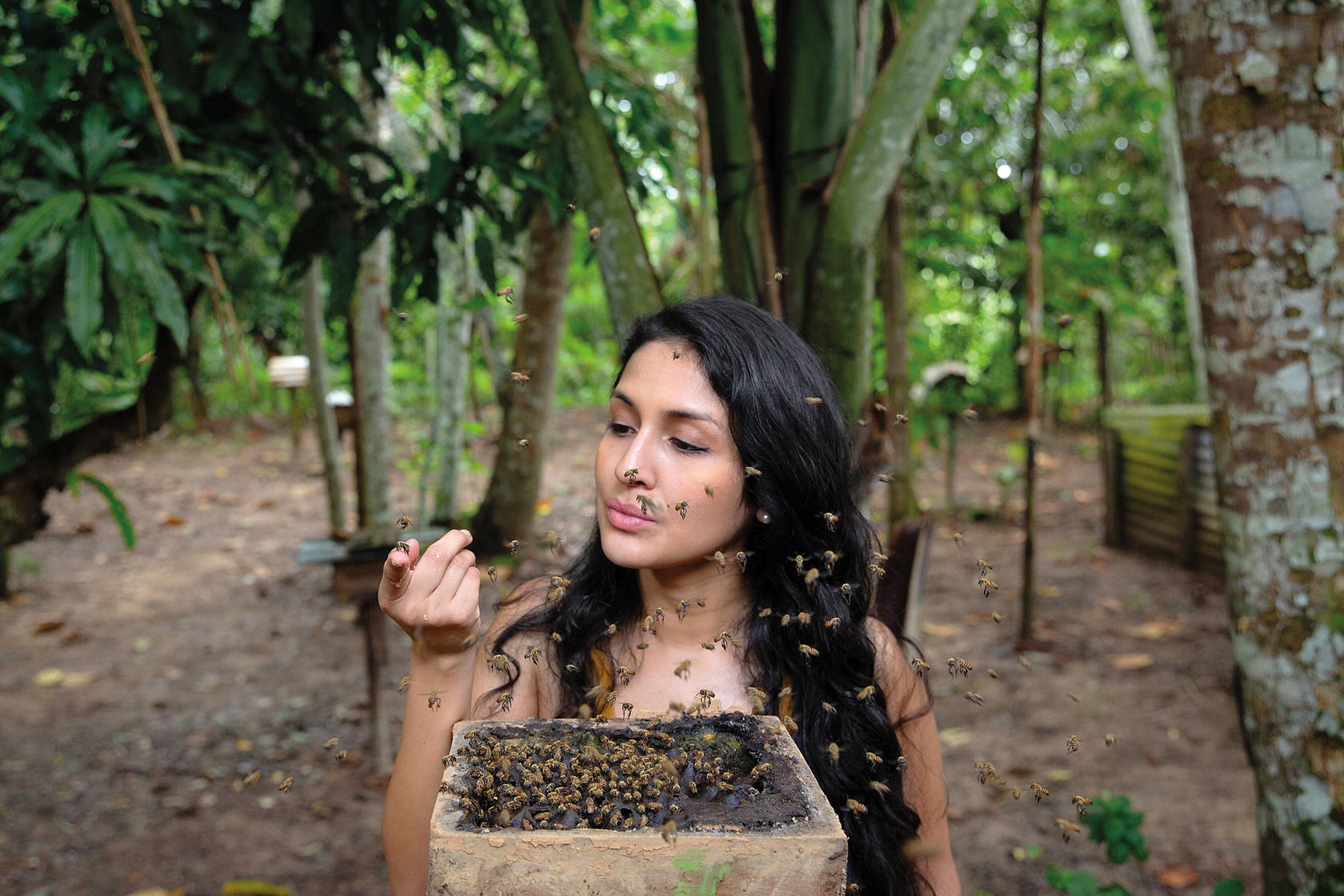
Chemical biologist Vásquez Espinoza established the first scientific link between Amazonian deforestation and the decline of stingless bees—pollinators vital to the region’s food security. Her research played a key role in a landmark Peruvian court case that granted these bees legal rights. The Rolex Award will support the development of an indigenous-led corridor of protected habitats in the Peruvian Amazon, safeguarding the ecosystem’s natural pollinators.