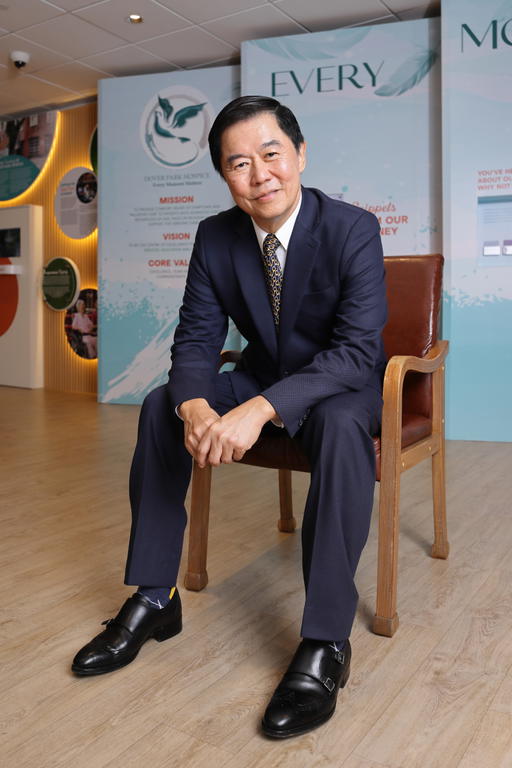

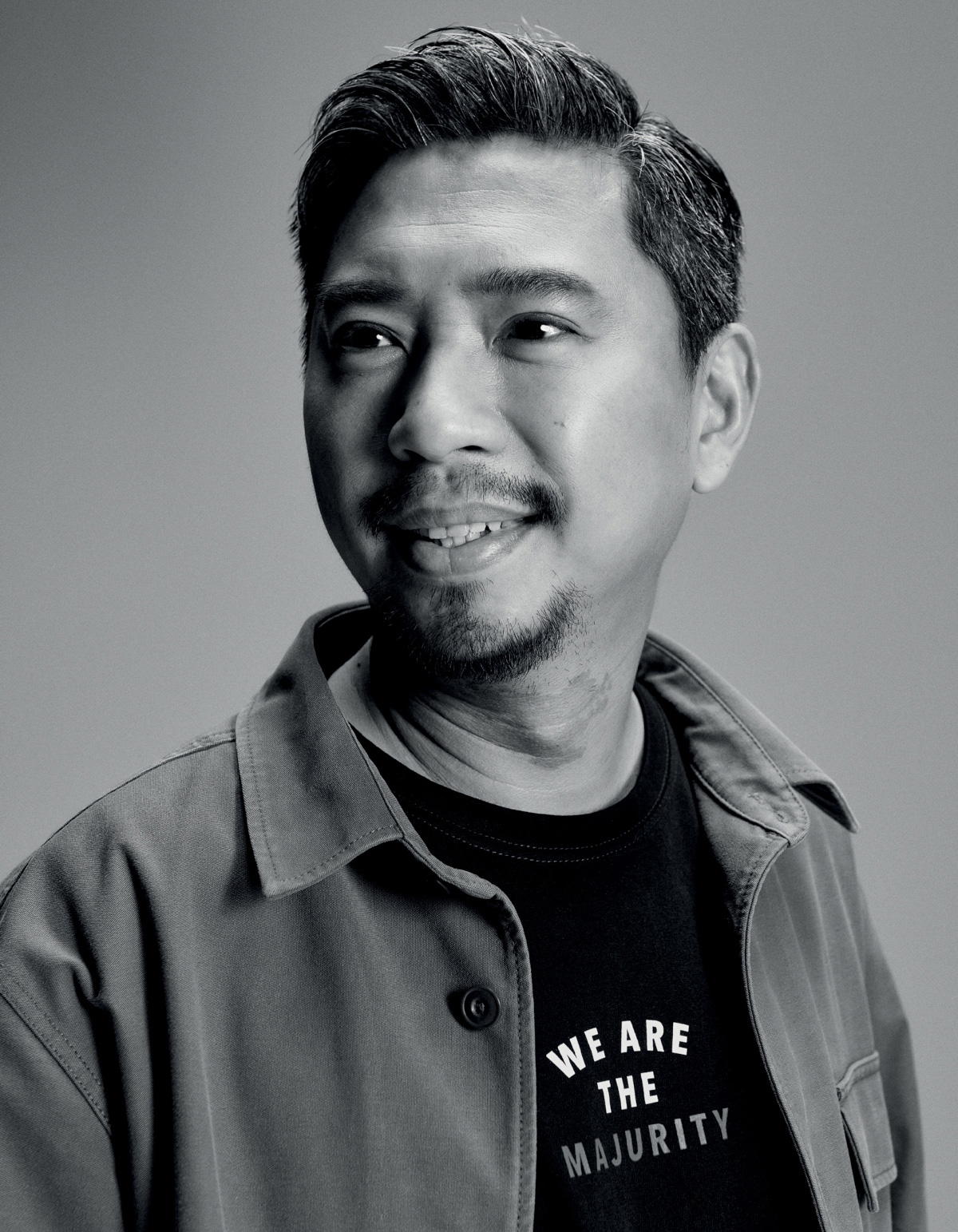
As a child, Martin Tan lived in a one-room rental flat with six other people. But the cramped conditions never bothered him. “I believe each of us can find a reality in which we can thrive,” he explains. It is a notion he actively spreads now that he heads up philanthropic organisation The Majurity Trust (TMT).
TMT was founded in 2017 after a gap in the local philanthropic ecosystem was identified: while there is a growing pool of givers, few platforms allow givers to work together to make a collective difference. “This meant giving based on evidence rather than personal preference,” says Tan. He adds that although traditional philanthropic donors are family foundations or corporations, an increasing number of UHNWIs have become more public-spirited in recent years
For this reason, TMT takes a different approach to philanthropy by working with grantee partners—which includes ground-up groups, non-profit startups, and charities—to develop ways of meeting unmet needs. As part of its monitoring and evaluation system, it deploys a basket of metrics to track outputs and outcomes across its philanthropic funds.
“The data and evidence-based insights from the grantee partners are published in our donor reports. In addition, we track commitment and utilisation rates for each fund to ensure donations aren’t sat on.”
Martin Tan on employing an alternative strategy
The organisation currently manages 12 philanthropic funds in four main areas: causes, life cycles, partnerships, and placebased funds. Several of the main causes it supports are dementia care and elderly caregiving, youth mental health, migrant worker integration, and education, and lastly, employment.
Grantee partners are selected by a grant panel after the philanthropy team reviews their application. There is a separate grant panel for each fund made up of a member, a donor, and a board member.
Since 2018, TMT has distributed over 450 grants supporting over 350 grantee partners. It has supported ecosystem enablers in areas such as crowdfunding (Ray of Hope), technology support (Better. sg), capacity building and mentoring (TalentTrust), and branding and communications (Within Studios).
More recently, it partnered with agencies such as the Ministry of Health Transformation Office and the Tote Board on the Movements for Health Fund, as well as the National Council of Social Service for the 4ST Partnership Fund.
To date, TMT has raised over $35 million thanks to the generosity of more than 400 donors, with some 13 percent of them accounting for over 90 percent of the total funds. However, in employing a ‘100-percent model’, wherein 100 percent of philanthropic funds goes towards causes and grantee partners, it typically only has a meagre operating budget.
Tan discloses that fewer than three percent of donors contribute to its expenses, so he strives to rally greater operational support for TMT .”To build a thriving ecosystem, we need to convince donors that investment in research, capacity building, and collaborative platforms is critical. This helps create lasting impact.”
Is our society fractured since people still fall through the cracks? Tan does not think so. “I believe in Singapore. I’ve seen how generous Singaporeans and residents can be when called upon to render support during a crisis,” he says.
Nevertheless, he hopes we don’t wait for tipping points to initiate ground-up projects that serve the needy. “Singapore is what we collectively make it to be. TMT aims to tap into the power of the collective for the greater good together.”
Art director: Ed Harland
Videographer: Yvonne Isabelle Ling
Video editor: Alicia Chong
Photographer: Mun Kong
Photographer’s assistant: Hizuan Zailani
Makeup: Keith Bryant Lee using Clarins
Hair: Aung Apichai