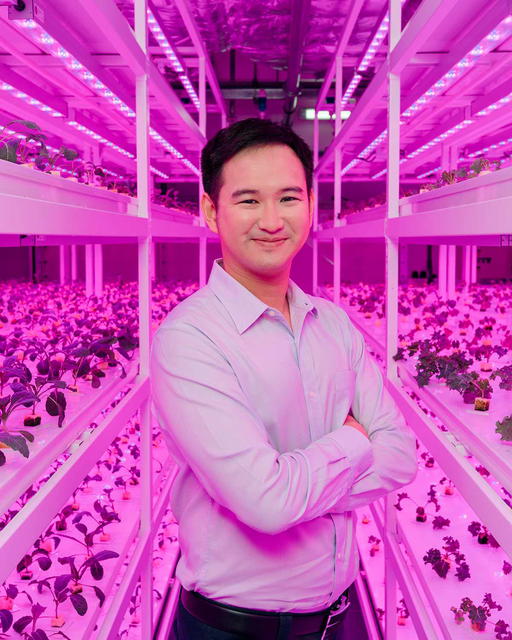
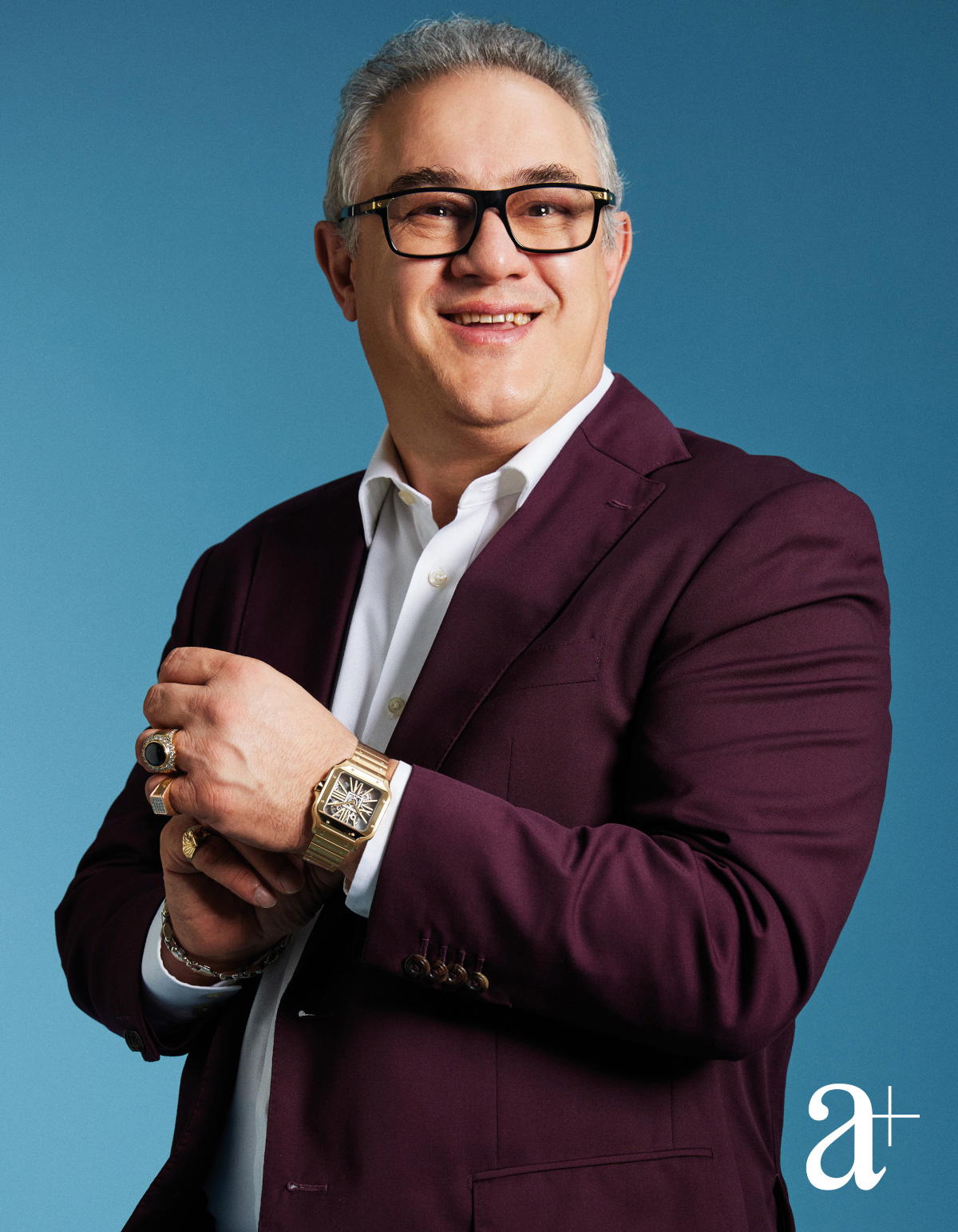
You’d be forgiven for assuming Dr Farshad Shishehchian grew up by the sea. The notches in his belt include a master’s in marine biology, a PhD in terrestrial and aquatic ecology with a specialty in shrimp culture, and a booming aquaculture business operating in multiple countries.
Born in the mountainous region of Zanjan, Iran, he grew up alongside cows, horses, and chickens. His native tongue is Azari. “Despite the environment I was born into, which was far away from aquatic ecosystems, my interest in those parts of the biosphere developed during my early education,” he explains. His keen interest in shrimp farming was sparked by the interplay between environmental sustainability and efficient food production systems.
He arrived on our shores in 2000 to work for an aquaculture company, not knowing then that he would not be leaving. Nine years later, he struck out on his own with the launch of Blue Aqua International Group, which does two things.
First, provision of aquaculture solutions through the maintenance of water quality, management of disease, and customisation of nutrition to aquafarms worldwide. This includes formulating products such as probiotics and feed additives to remedy issues that creep up along the aquaculture supply chain.
“We are the market leader in mineral solutions in the shrimp industry.”
Dr Farshad Shishehchian on his successful endeavour
Given that Farshad invented the Mixotrophic System, an intensive shrimp farming process patented in eight countries, there is little doubt in his claim. On top of the numerous awards he has received, he was President of the World Aquaculture Society’s Asia-Pacific Chapter from 2013 to 2016.
The second, proliferation of aquaculture. While Blue Aqua International began by farming shrimp—and is now recognised by the Singapore Food Agency as a market leader in the field—it has since expanded to other marine species such as red snapper, hybrid grouper, and threadfin. The company currently operates in 14 countries, including Singapore, Thailand, India, Indonesia, Oman, and Brazil. It also recently developed Singapore’s first high-tech sustainable trout farm.
Farshad believes shrimp farming can become environmentally sustainable with a few tweaks, but at present, his focus is on perfecting Blue Aqua International Group’s sustainable practices such as nutrient recycling, efficient feed utilisation, and water minimisation.
These applications, he emphasises, help shrimp farmers reduce their ecological footprint as well as improve their long-term viability. Plus, they characterise aqua farm care, which in his words, “revolves around sustainable and efficient farming practices in light of challenges such as water pollution”.
Blue Aqua International currently supplies shrimp to restaurants, hotels, and supermarkets, as well as directly to consumers through Nature’s Hug, its retail brand.
In Farshad’s opinion, it is best that we choose locally farmed shrimp because they guarantee freshness, traceability, and a reduced carbon footprint. “Our efforts contribute to enhancing our food security and sustainability.”
His take on Singapore’s 30 by 30 food sustainability goal? “It is ambitious but achievable with continued investment in technology, infrastructure, and local talent.”
Being a farmer in this day and age requires resilience, adaptability, and commitment. Anyone looking to follow that path, he says, should embrace technology, invest in education, and collaborate with others in your field.
“Farming is not just about producing food. It’s about contributing to the nation’s food security and environmental sustainability.”
Art direction: Ed Harland
Photography: Mun Kong
Photography assistant: Melvin Leong
Grooming: Crystal using Goldwell & Wee Ming using Gucci Beauty