With 127 galleries—66 from Taiwan and 61 from other parts of the world—Art Taipei 2026 promises a rich survey of contemporary art. Organised by the Taiwan Art Gallery Association, this year’s edition runs from 30 October to 2 November, explores the relationship between humanity and technology through its theme, “Symbiosis”.
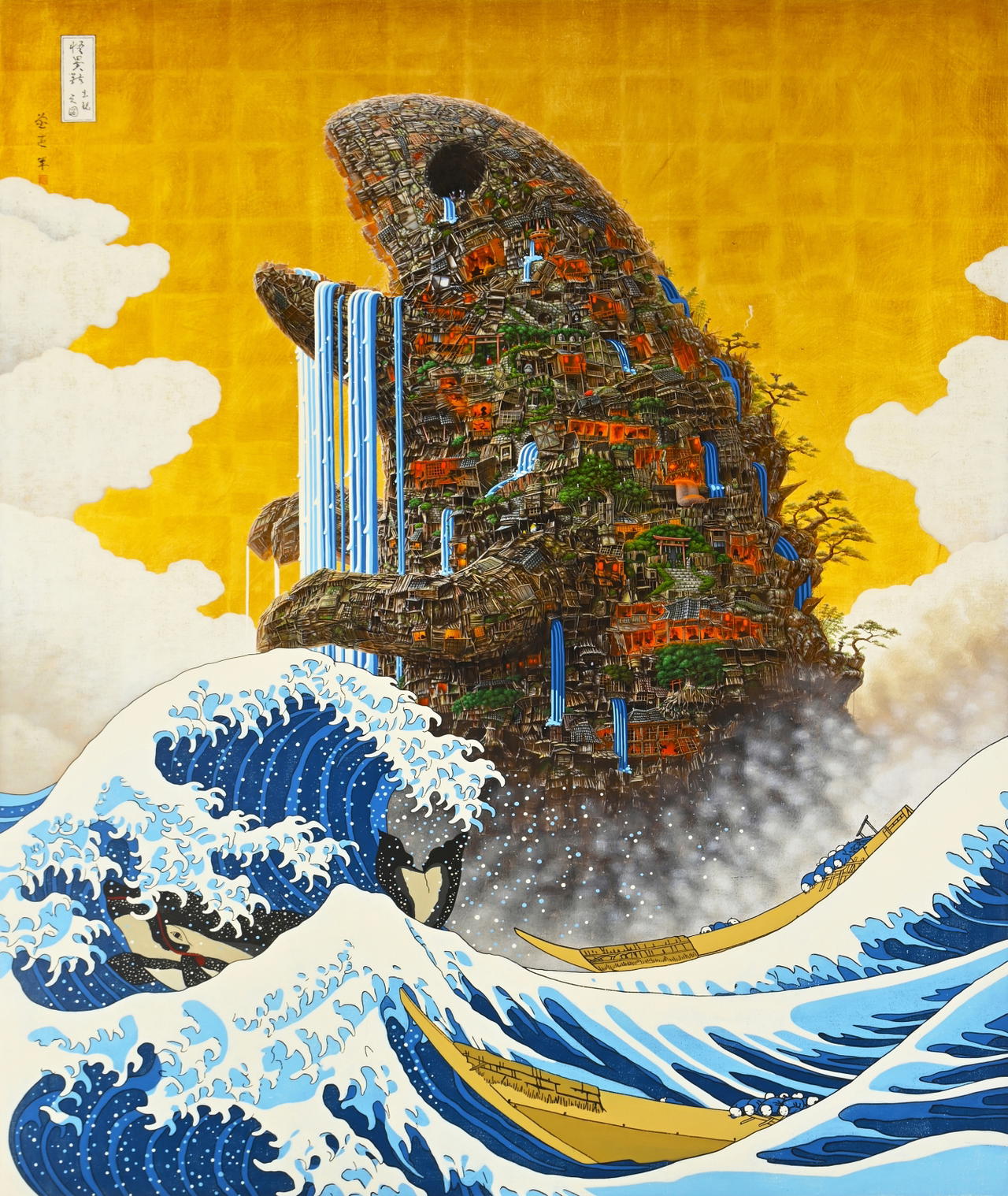
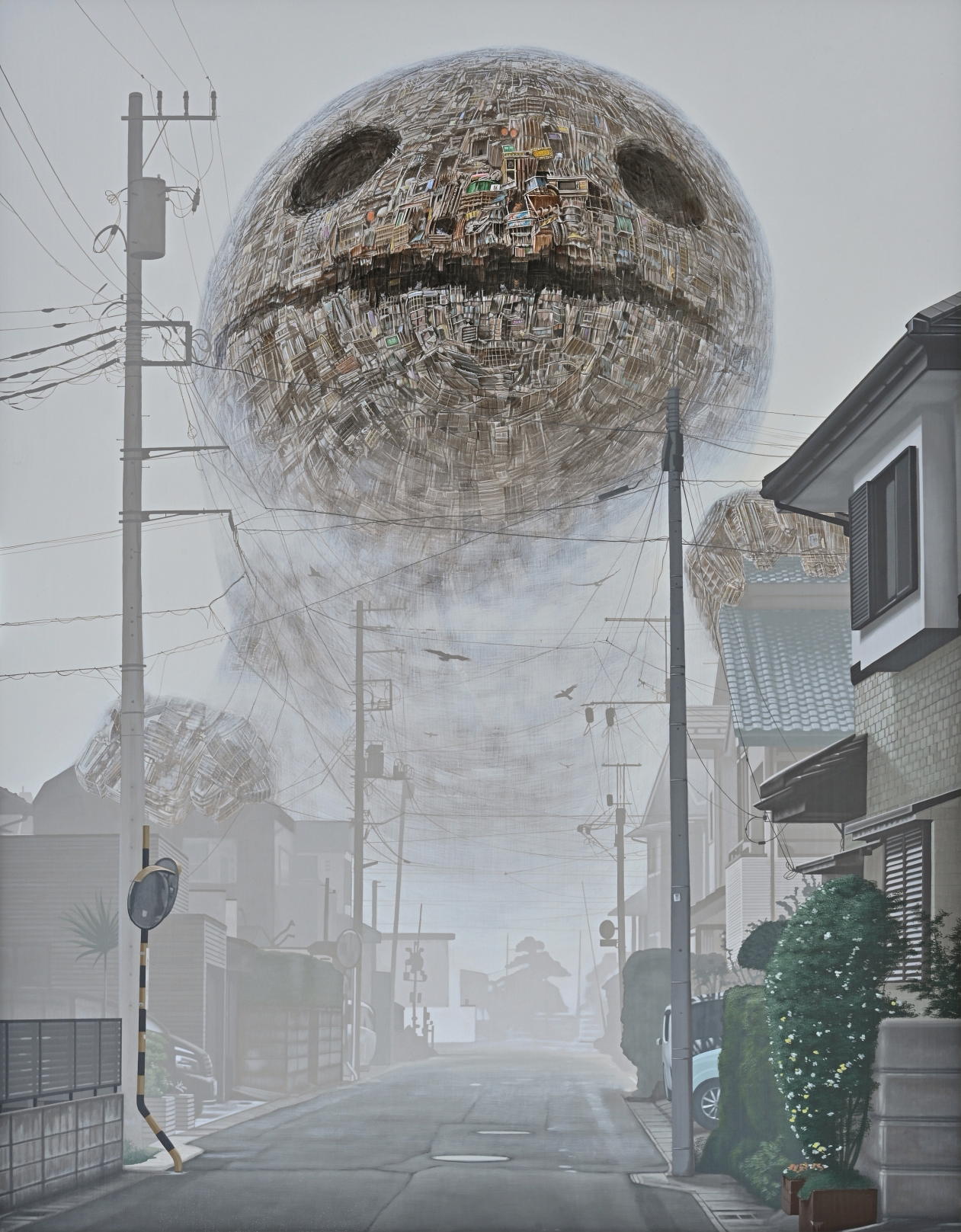
One to watch is Takumi Kama, who will unveil new works from his Kaiju series. In earlier paintings, his hyper-realistic monsters, imagined from waste, discarded objects and consumer debris, appear in familiar modern settings. Now, the creatures inhabit landscapes inspired by Edo Japan, incorporating elements drawn from Hyakki Yagyo, or Night Parade of One Hundred Demons. This broadens Kama reflections of waste to include digital information and virtual residue, drawing attention to the less visible systems that shape contemporary life.
Kama’s works are presented by Combine/Bami, a Kyoto-based gallery that’s part of Turning The Frown Upside Down, a new section dedicated to Japanese contemporary art. Curated by Jeffrey Ian Rosen of Misako & Rosen (Tokyo), it brings together galleries, independent art spaces and experimental art organisations to examine the evolution of Japan’s art ecosystem since 2008.
Art Taipei 2026 also showcases Taiwan’s gallery landscape, rigorous curatorial practices and dynamic market, with leading names such as Tina Keng Gallery and Asia Art Center. The former presents Chinese artist Sanyu’s sensual calligraphic works take centre stage, while the latter, Tobe Kan’s dreamy nature reflections.
As one of the longest-established international art fairs in Asia-Pacific, Art Taipei offers an opportunity for artistic exchange. This year’s international line-up includes 25 Korean exhibitors, among them Gana Art and Gallery Baton. Paris-born Perrotin and Singapore’s Richard Koh Fine Art also return to the regional spotlight, with Kaikai Kiki Gallery, founded by Japanese artist Takashi Murakami, adding another draw.
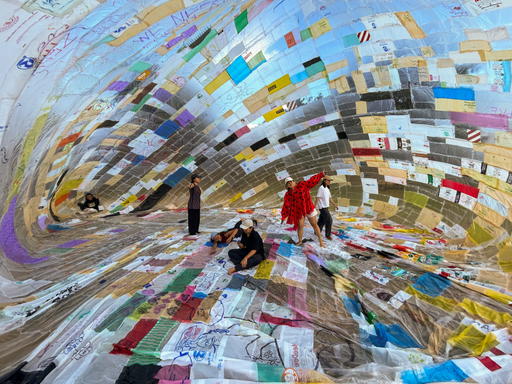
Art Taipei 2026 also invites visitors to experience art at their own pace. Soka Art, for instance, has created a contemplative space for visitors who prefer to take it slower. Other artists, meanwhile, explore materials through carving, moulding and layering. And several galleries depart from convention, transforming their booths into “temporary museums”.
See Them Here First


Meanwhile, Taipei Art Week, happening from 24 October to 2 November, extends the conversation beyond the fair with a programme spanning more than 80 galleries, museums and art institutions across the city. One highlight: “Symbiotic Splendor – Art Encounters Across Japan And Taiwan” at the National Taiwan Normal University Art Museum. This free-admission exhibition chronicles the artistic relationship between Japan and Taiwan, revealing the influence of Japanese painting, sculpture and crafts on modern Taiwanese art.
On 27 October, the Taipei Art Week International Forum discusses how cross-regional networks are shaping the scene. Moderated by Eva Lin, curator of the 2025 Jogja Biennale, the speakers include Russell Storer, Senior Curator and Head of Curatorial Affairs, M+, and Binna Choi, curator of the Korean Pavilion at the 2026 Venice Biennale.
Visitors to Art Taipei 2026 will also be equipped with an AI-powered assistant. Accessible directly from mobile devices, it provides bilingual and multilingual guidance, information on galleries, artworks and programmes, and even recommended routes through the fair. Designed to make art more accessible to a broader public, this technological dimension also transforms the experience into a meaningful and intimate dialogue.
Visit Art Taipei 2026 at Taipei World Trade Center Exhibition Hall 1. More details here.