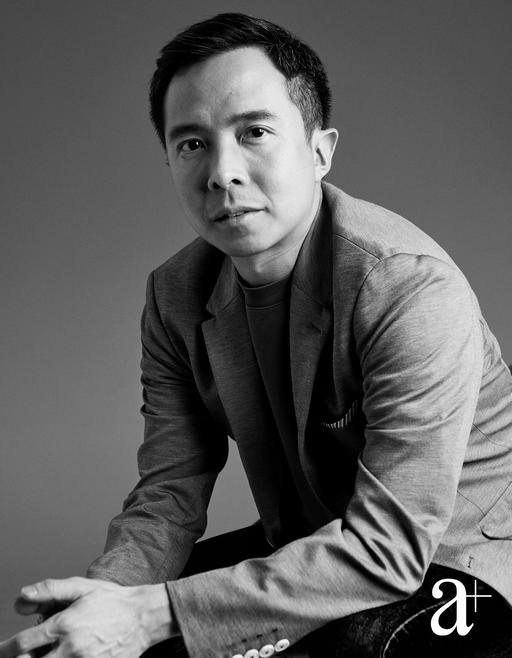
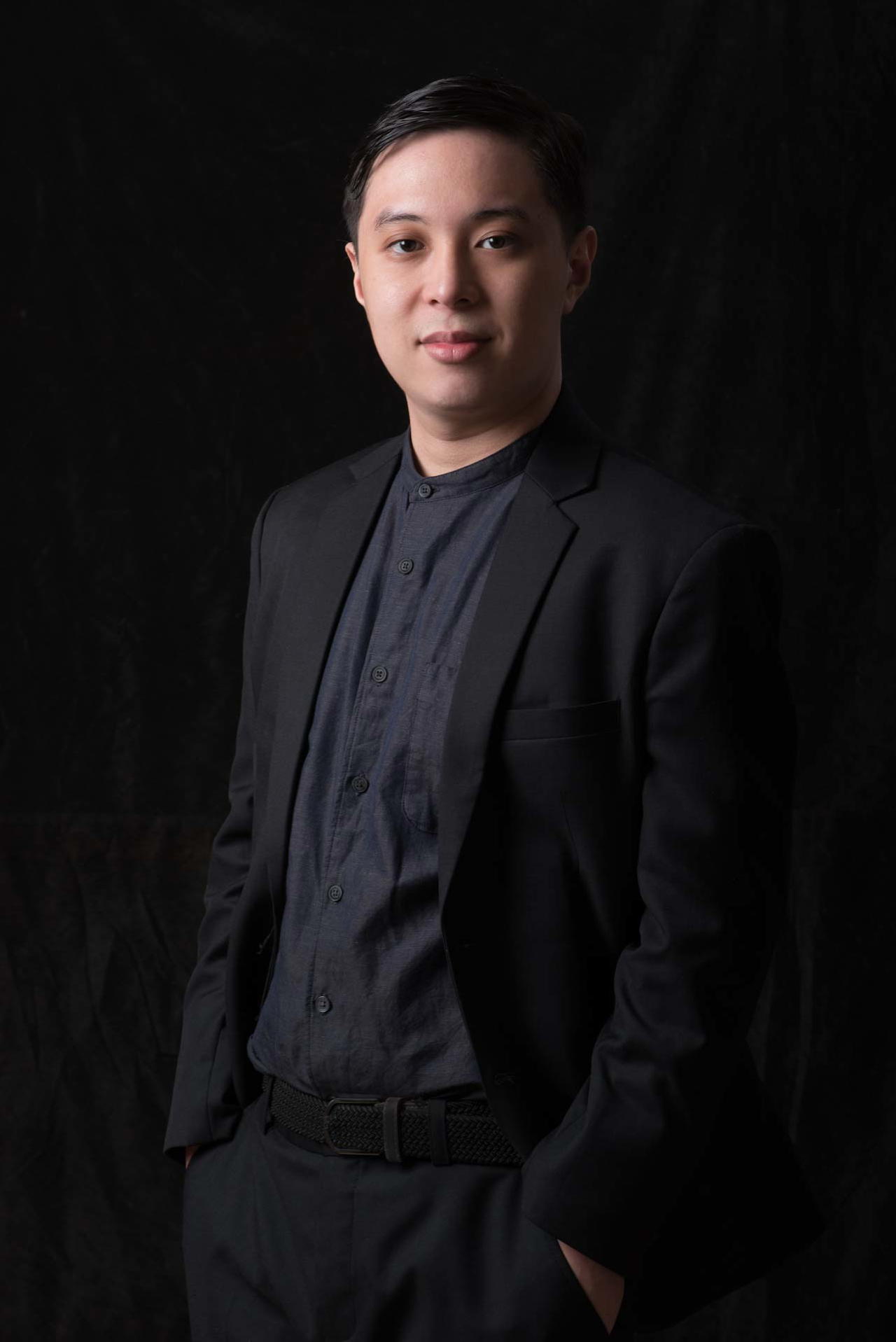
When Nicholas Ho wrote his Twelve Etudes, Op. 11 as part of his doctoral capstone project, the young pianist had one goal in mind: “This has to be my best work. The longest piece I had previously written was in three movements, and was 23 minutes long. This set is almost 50 minutes long. It’s like when Beethoven wrote his Sonata No. 29 ‘Hammerklavier’—the three sonatas that came after were great works, but they couldn’t match the monumental level of the No. 29.”
Beethoven began his compositional training at 17, and created Hammerklavier when he was around 44 years old. Ho is just 31, and only started dabbling in composing in his mid-20s. Ho doesn’t consider himself the modern equivalent of Germany’s greatest composer, but concedes that “it will take some time to match these Twelve Etudes.” The etudes, which were written for solo piano, premiered last year at the Robert J. Werner Recital Hall in Cincinnati, Ohio, and will be performed at the Victoria Concert Hall on 31 January as part of his homecoming concert, Con Fuoco.
By April 2023, Ho will have earned his Doctor of Musical Arts in Piano Performance from the University of Cincinnati College-Conservatory of Music, and will continue his journey as a concert pianist and recording artist with Arabesque Records.

This is where it gets tempting to write off Ho’s musical success as the natural byproduct of a prodigious childhood, but the reality is that talent only gets you so far. Ho was eight when he enrolled in the NAFA School of Young Talents. “I was considered a child prodigy because I could do things far beyond what others my age could, but that term comes with a lot of baggage,” says Ho. “Not every prodigy makes it to the concert stage. The fire might fizzle out when they find they can’t play the way they used to as a child, because you can get away with a lot of stuff when you’re young. It was during my college years that I realised there is a lot of discipline that goes into making something sound fantastic. It’s like tai chi—it’s a slow art form.”
Many of Ho’s early peers didn’t end up as professional pianists, but he believes that the skills they gained in music school can apply to all livelihoods. “When you learn a piece of music, it takes such a long time that we mastered the concept of delayed gratification. Sometimes you work for two hours just to see a bit of improvement. Music teaches you not to look for quick fixes and results.”
“I know there is this argument that serious classical musicians should not listen to other kinds of music, but I don’t think that’s the right attitude anymore because we have to bring classical music to the masses.”
Nicholas Ho enjoys listening to Queen
Classical music is a challenge to play—and listen to—for generations that grew up with the less dissonant, more conventional styles of traditional pop or rock music. Not to mention the high levels of technical skill, passion and masochism required to take it to the professional level. But Ho likes difficult things, and solving them in his own way tickles his neurons. The self-professed nerd developed his own method of solving larger Rubik’s cubes (4x4x4 and above) as a teenager because he “didn’t want to be mainstream”. When he couldn’t find a suitable 12-tone matrix calculator (a tool used by composers to generate music based on the 12-tone technique) for his needs, he programmed his own 13-tone version on Excel. Finding online transcriptions of Vladimir Horowitz’s Etude-fantaisie (one piece performed in Con Fuoco) lacking in accuracy, he found a scanned copy of the original manuscript from the Yale library so he could do it himself.
Ho’s own listening habits sound almost puritanical, especially when he admits that musicals and songs by Queen are a secret indulgence. “I know there is this argument that serious classical musicians should not listen to other kinds of music, but I don’t think that’s the right attitude anymore because we have to bring classical music to the masses.” He claims to have hidden some paraphrases of Queen’s Love of My Life in one of his etudes “but you won’t be able to hear it unless I point it out to you.” Part of the Con Fuoco lineup also includes Dick Lee’s Yenehara, which he added to draw people into the world of classical piano, but edited with Lee’s permission to make it sound grander.
It is ironic that despite his choice of easter egg, Ho doesn’t see music as the love of his life. “It’s something deeper. People have this misconception that because we are so passionate about our instruments that we must love practising, but there are days I hate it. So I can’t see music as the love of my life because I see it as my oxygen, as my lifeblood. I need it to survive as a person.”